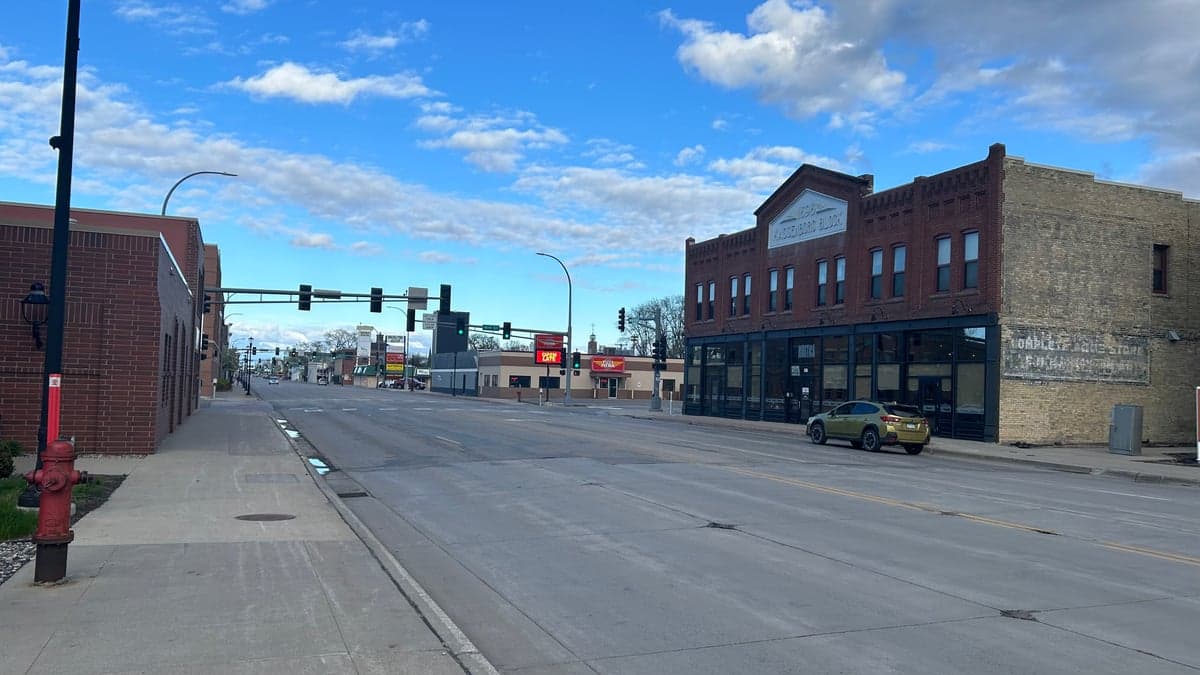
Photo: Wikipedia
Quality of Life in Moorhead, MN
Above-average quality of iife. The area offers a reasonable cost of living, decent mobility, and a mix of neighborhood amenities.
What does Quality of Life tell us?
Quality of Life blends cost of living, nearby amenities, socioeconomic signals, and neighborhood character. City-level scores represent the whole municipality; individual neighborhoods can differ.
What does this tell us?
Quality of Life blends cost of living, nearby amenities, socioeconomic signals, and neighborhood character. City-level scores represent the whole municipality; individual neighborhoods can differ.
Cost of Living
13% below national average
The Real Cost of Living in Moorhead, MN for 2026
| Tier | Individual | Family (4) |
|---|---|---|
| Survival | $16k | $31k |
| Comfortable | $48k | $70k |
| Luxury | $118k+ | $183k+ |
| Elite (Top 5%) | $139k+ | $216k+ |
99%
The Area Signal
A metric tracking the socioeconomic signals of the area.


Hobbies
Explore the areaGroceries
5 within 10 miles
Gas
0 within 10 miles
Hospital
3 within 20 miles
Airport
JFK — John F. Kennedy Memorial
Post Office
USPS — Fargo, ND
Critical Amenities
Quality-of-Life Analysis
Moorhead, Minnesota, offers a notably affordable quality of life that appeals strongly to families, young professionals, and retirees seeking a stable, midwestern community without the financial strain of larger metros. With a cost of living index of 87—13 points below the national average—the city provides a practical, budget-friendly alternative to Fargo, its larger neighbor just across the Red River. The population skews younger and more family-oriented than the state average, driven by the presence of Minnesota State University Moorhead (MSUM) and a steady influx of workers employed in healthcare, education, and agriculture-related industries.
Cost of living, housing affordability, and how Moorhead compares to Fargo
Moorhead’s housing market is the primary driver of its affordability edge. The median home value sits at $246,300, roughly 30% below the national median and significantly lower than the Fargo metro’s median of about $310,000. Renters also benefit: the median monthly rent of $1,017 is well under the national average of $1,200 and undercuts comparable units in Fargo by $150–$200 per month. This price gap persists despite Moorhead’s shorter average commute of just 17.2 minutes—a full 8 minutes faster than the national average—meaning residents spend less time and money getting to work or school. Property taxes in Clay County are moderate, and Minnesota’s progressive income tax structure can be a factor for higher earners, but overall, a household earning the local median income of roughly $65,000 can comfortably afford a mortgage or rent while saving for other priorities.
What daily life is like: amenities, schools, and community rhythm
Daily life in Moorhead revolves around a compact, walkable downtown core and a strong network of parks and trails. The city’s Moorhead Public Schools district, which includes Moorhead High School and Horizon Middle School, consistently earns above-average ratings for academic performance and extracurricular offerings, making it a draw for families. The nearby Hjemkomst Center and the Red River Zoo provide cultural and recreational anchors, while the city’s proximity to Fargo means residents can access major shopping, dining, and entertainment (including the Fargo Dome and Hector International Airport) within a 10-minute drive. The community rhythm is shaped by Minnesota State University’s academic calendar, with a noticeable student presence that enlivens local coffee shops and restaurants. Winters are long and cold—average January highs hover around 18°F—but the city maintains its streets and sidewalks well, and indoor activities like the Moorhead Community Center and the public library see heavy use.
Moorhead is best suited for those who value affordability, short commutes, and a slower pace of life without sacrificing access to a larger city’s amenities. Families with school-aged children will find the housing market and school system particularly attractive, while MSUM students and faculty benefit from the low rent and walkable campus area. Retirees on fixed incomes can stretch their dollars further here than in most Minnesota communities. The trade-off is limited nightlife and a climate that demands winter preparedness, but for anyone prioritizing financial stability and community connection, Moorhead delivers a high quality of life at a fraction of the national cost.

Crime in Moorhead, MN
Crime rates similar to the national median for U.S. locations.
Violent CrimeViolent Crime Analysis
Property CrimeProperty Crime Analysis
Crime Analysis
Moorhead, Minnesota, presents a mixed safety profile for potential residents. The city’s violent crime rate of 319.4 per 100,000 residents is notably higher than the national average, while its property crime rate of 1,529.5 per 100,000 sits slightly below the national benchmark. As a small city adjacent to the larger Fargo-Moorhead metropolitan area, local crime trends are influenced by both regional population dynamics and the broader criminal justice philosophy in Minnesota, which leans progressive.
Crime in context
Moorhead’s violent crime rate is approximately 30% higher than the national average, driven primarily by aggravated assault incidents. Property crime, however, is about 10% lower than the national average, with larceny-theft being the most common offense. Compared to the state of Minnesota, Moorhead’s violent crime rate is elevated, while its property crime rate is roughly in line with the state median. The city’s proximity to Fargo, North Dakota, creates a cross-border dynamic where crime patterns can shift, but Moorhead’s numbers are generally lower than those of larger urban cores in the metro area.
What residents experience
Residents report that property crimes like vehicle break-ins and package thefts are the most frequent concerns, particularly near the downtown area and along the Interstate 94 corridor. Violent crime is less common but tends to be concentrated in specific pockets, often related to domestic disputes or incidents near late-night establishments. A significant factor shaping public safety is the judicial philosophy in Clay County, where Moorhead is located. Minnesota’s progressive court system, with judges and district attorneys who prioritize rehabilitation and diversion programs over incarceration, has led to shorter sentences and more offenders remaining on the street. This approach, while intended to reduce recidivism, has frustrated some residents who feel it undermines justice for victims and contributes to a perception of lawlessness in certain areas.
Neighborhood-level variation
Safety in Moorhead varies noticeably by neighborhood. The south side, including areas near Minnesota State University Moorhead, experiences higher rates of theft and minor property crime, driven by student populations and transient activity. The north side, particularly the residential areas around the Hjemkomst Center, tends to be quieter with fewer reported incidents. The downtown core sees a mix of petty crime and occasional violent incidents, especially on weekend nights. Neighborhoods east of 8th Street generally report lower crime rates, while areas closer to the Red River and the industrial zones west of Main Avenue have more frequent police calls. For those considering a move, consulting local crime maps and speaking with current residents about specific blocks is advisable, as the difference between a safe street and a problematic one can be just a few blocks.
* Values derived from national, state, county, city and local statistics and may differ in a specific area. Last updated: 2026-04-19T10:03:14.000Z
Narrative content on this page is AI-generated and may contain mistakes. Verify any details that matter before acting on them.
ReloMaps may earn a commission from affiliate links at no extra cost to you.

