
Photo: Wikipedia
Find The Best Places To Live in Clay County
PRO TIP! You can paste a Zillow or Redfin link to get info on that property.
Best Places to Live in Clay County
Cities & Towns in Clay County
Cities in Clay County
What It's Like Living in Clay County, MN
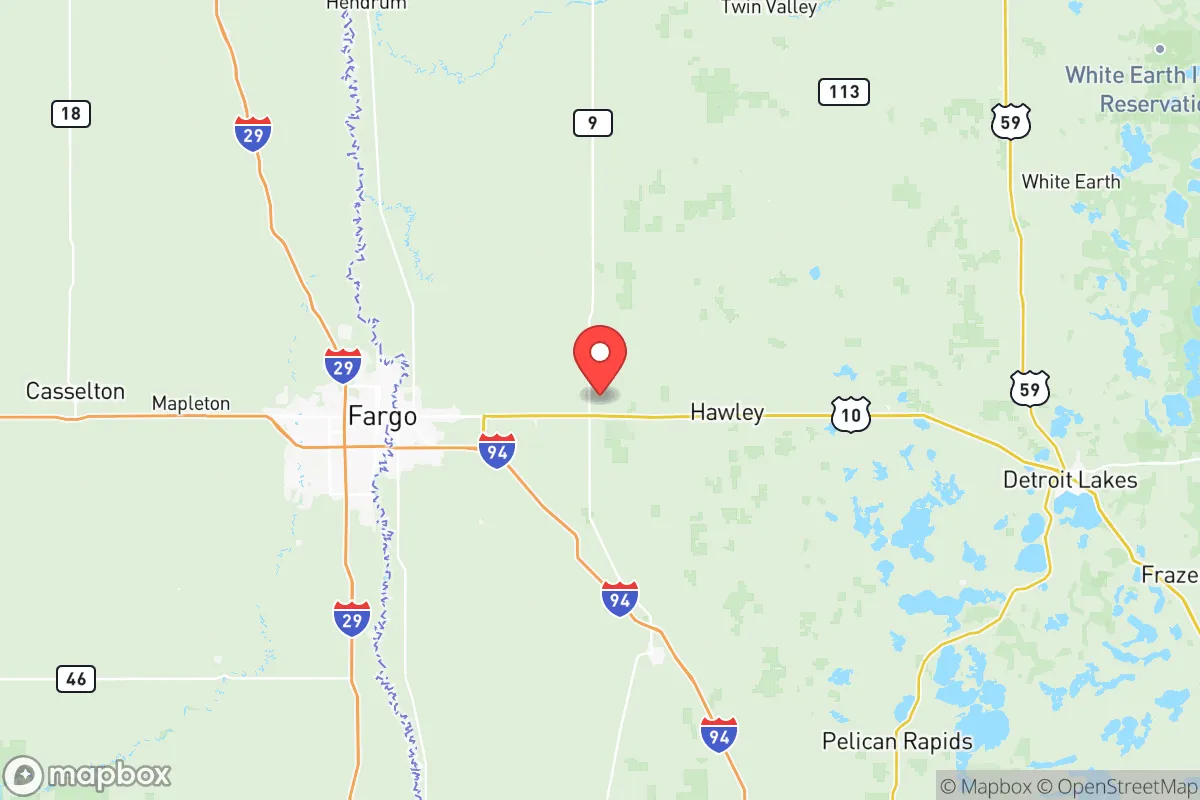
Living in Clay County, Minnesota, feels a lot like being part of a well-kept secret that’s slowly getting discovered. The county is anchored by Moorhead, the largest city, but the real character comes from the mix of smaller towns like Dilworth, Glyndon, and Hawley, along with the quiet rural stretches in between. It’s a place where the Red River Valley’s flat farmland meets a growing suburban and college-town energy, creating a lifestyle that’s more grounded and affordable than what you’d find in the Twin Cities, but still connected to modern amenities.
The Daily Rhythm: Work, Commute, and Weekend Errands
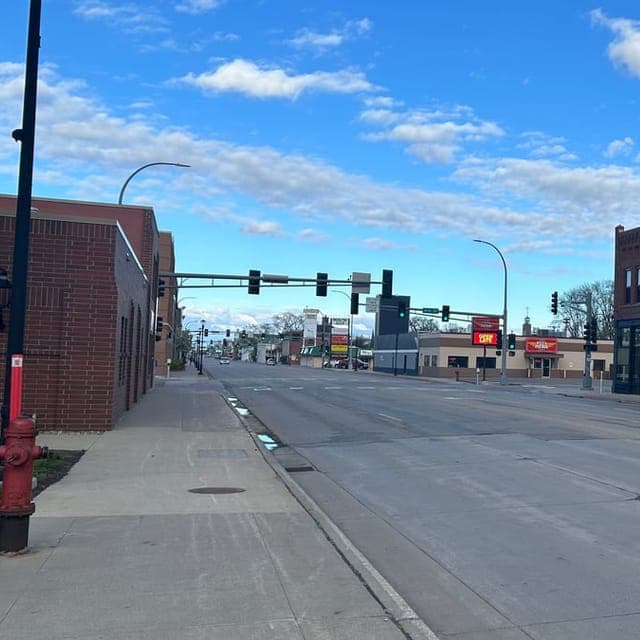
Most people’s days here revolve around a short commute—the average is just under 20 minutes—which means more time for actual living. Moorhead is the commercial hub, where you’ll find the big-box stores, the hospitals, and the main drag along 8th Street South. For a quick bite, locals swear by spots like Brew Ales & Eats for a craft beer and a burger, or Mango’s Mexican & American Grill for a reliable sit-down meal. If you live in Dilworth or Glyndon, you’re likely driving into Moorhead for groceries or a doctor’s appointment, but it’s a painless trip. The weekend rhythm often includes a trip to the Moorhead Farmers Market in the summer, or a drive out to Hawley for a quieter pace and a slice of small-town life. The median home value of $256,000 and a cost of living index of 88 make it realistic for a single person or a young family to buy a house without stretching too thin—something that’s increasingly rare in the broader Fargo-Moorhead metro.
Who Fits In Here: Work, Family, and the College Crowd
This county attracts a specific mix: people who want a stable, family-oriented environment without the high pressure of a big city. The median age is 33.5, and the median income sits at $77,664, which suggests a lot of two-income households and professionals working in healthcare, education, or agriculture. Minnesota State University Moorhead and Concordia College bring a steady stream of younger residents and faculty, giving Moorhead a slightly more liberal and cultured edge compared to the surrounding rural areas. Parents tend to like the school systems—especially in Hawley and Glyndon, where the schools are a central part of community life. The kind of person who thrives here is someone who doesn’t mind a slower pace, values a safe neighborhood (the violent crime rate of 222.8 per 100,000 is below the national average), and is okay with driving 15 minutes to get to a decent restaurant or a movie theater.
Sports, Community, and What People Actually Do for Fun
Sports are a big deal, but it’s not the pro kind. Friday-night football in Hawley is a genuine community event, with the whole town turning out for the Hawley Nuggets. In Moorhead, the high school sports rivalries with Fargo schools across the river are intense, especially during basketball and hockey season. For college sports, the MSU Moorhead Dragons and Concordia Cobbers draw decent crowds, but it’s more about local pride than big-time athletics. Beyond the games, people spend weekends at the Buffalo River State Park for hiking and cross-country skiing, or fishing on the Red River. The Clay County Fair in Barnesville is a late-summer staple, bringing carnival rides, livestock shows, and a sense of county-wide togetherness. For entertainment, the Fargo-Moorhead area has a solid music scene—venues like the Fargo Theatre and Bluestem Amphitheater are just a bridge away, so you’re never far from a concert or a play.
Honest Pros and Cons of Living in Clay County
Let’s be real: it’s not for everyone, and that’s okay. Here’s what longtime residents love and what can grate on them.
- Pros: The cost of living is genuinely low—you can buy a solid three-bedroom home in Moorhead for under $300,000. The commute is a breeze, and the schools in Hawley and Glyndon are highly rated. The community feel is strong; neighbors know each other, and there’s a real sense of safety. The proximity to Fargo means you get access to an international airport, a major hospital system (Sanford Health), and a wider variety of shopping and dining without living in a big city.
- Cons: The winters are long and harsh. From November through March, you’re dealing with bitter cold, snow, and gray skies. The flat landscape can feel monotonous—there are no hills or scenic overlooks. Entertainment options are limited; if you’re used to a city with multiple music venues, museums, and late-night bars, you’ll find the options thin. The local culture can feel insular, especially in the smaller towns, where it can take years to feel like you’re truly part of the community. And while the cost of living is low, so are some wages, particularly in retail and service jobs.
One cultural quirk you’ll notice: people are polite but reserved. It’s a “Minnesota Nice” thing, but it can come across as standoffish until you’ve been around a while. The county’s identity is tied to the land—farming is still a major part of the economy and the identity, especially in places like Ulen and Felton. If you’re a single person looking for a vibrant dating scene or a parent wanting a safe, affordable place to raise kids, Clay County delivers on the latter far more than the former. It’s a place where you trade excitement for stability, and for a lot of people, that’s exactly the right trade.

* Values derived from national, state, county, city and local statistics and may differ in a specific area. Last updated: 2026-05-09T01:57:22.000Z
Narrative content on this page is AI-generated and may contain mistakes. Verify any details that matter before acting on them.
ReloMaps may earn a commission from affiliate links at no extra cost to you.

