 Popular
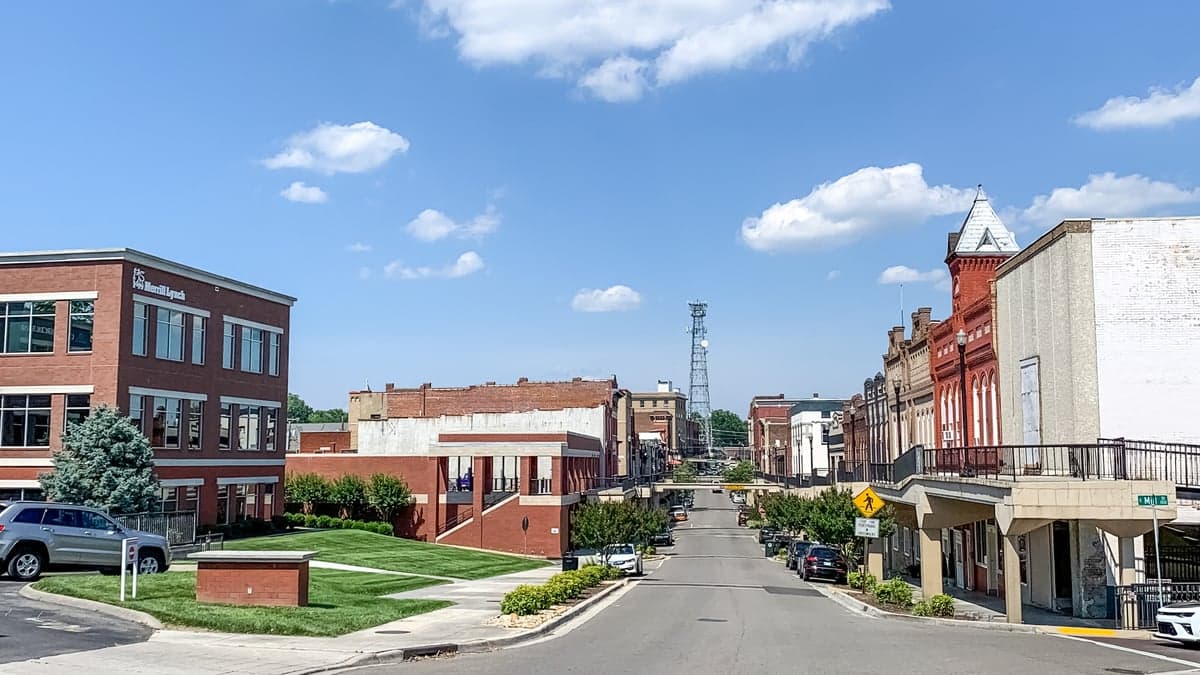
Photo: Wikipedia
Quality of Life in Morristown, TN
A high quality of life with strong walkability, manageable living costs, healthy neighborhood signals, and solid amenity access.
What does Quality of Life tell us?
Quality of Life blends cost of living, nearby amenities, socioeconomic signals, and neighborhood character. City-level scores represent the whole municipality; individual neighborhoods can differ.
What does this tell us?
Quality of Life blends cost of living, nearby amenities, socioeconomic signals, and neighborhood character. City-level scores represent the whole municipality; individual neighborhoods can differ.
Cost of Living
34% below national average
The Real Cost of Living in Morristown, TN for 2026
| Tier | Individual | Family (4) |
|---|---|---|
| Survival | $14k | $26k |
| Comfortable | $30k | $44k |
| Luxury | $81k+ | $125k+ |
| Elite (Top 5%) | $112k+ | $173k+ |
101%
The Area Signal
A metric tracking the socioeconomic signals of the area.
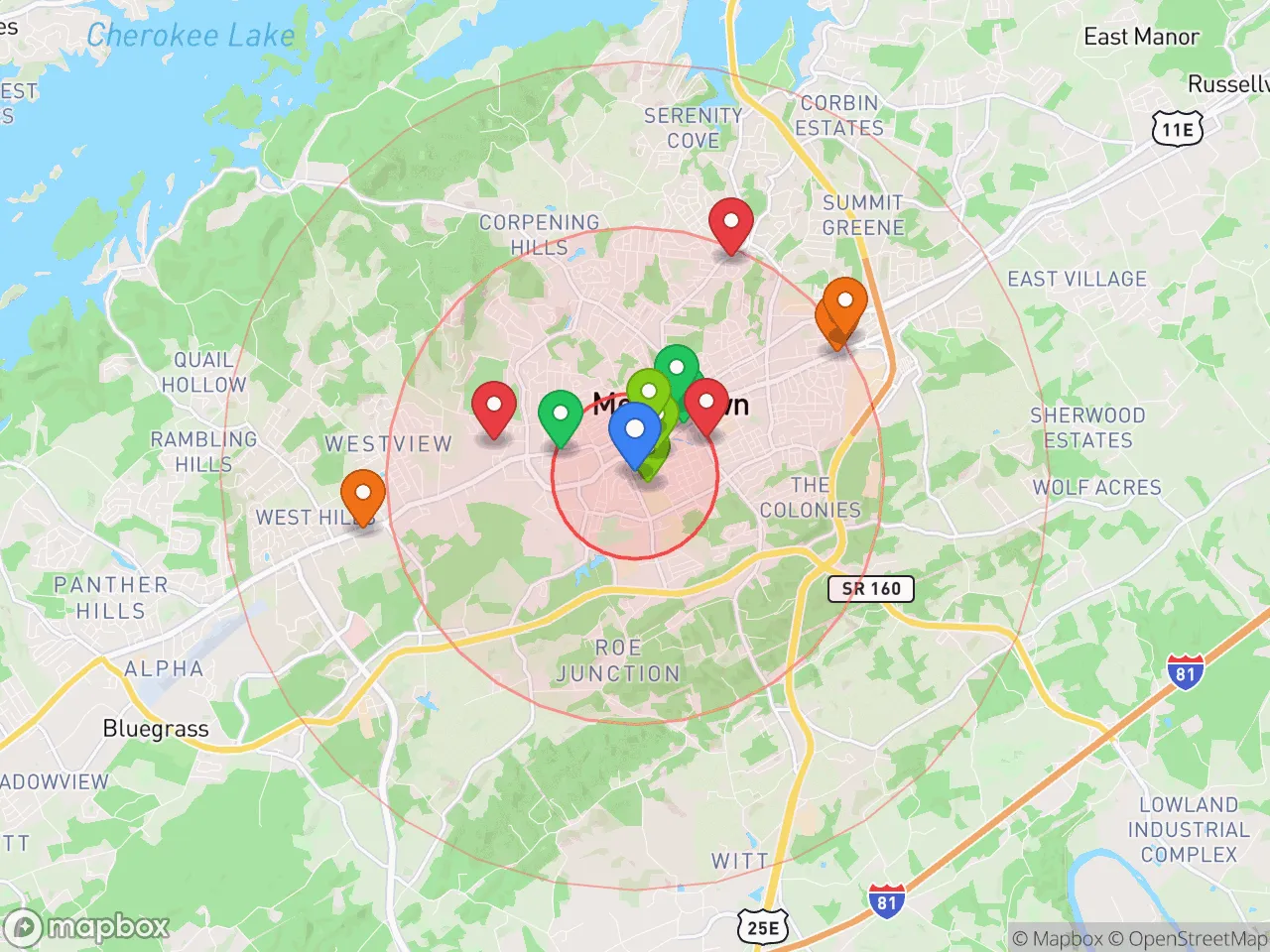
Hobbies
Explore the areaGroceries
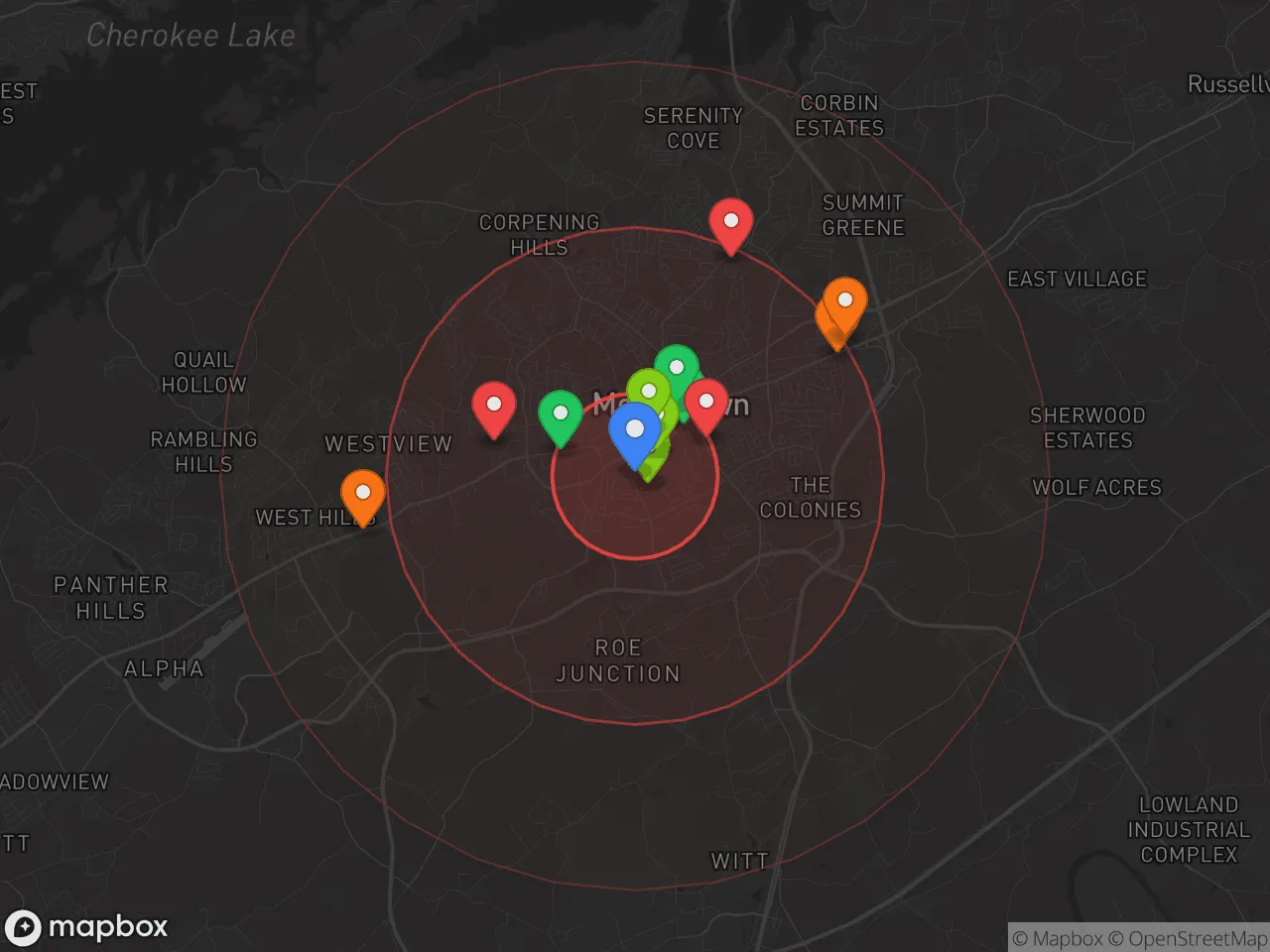
3 within 10 miles
Gas
20 within 10 miles
Hospital
5 within 20 miles
Airport
CLT — Charlotte Douglas International
Post Office
USPS — Morristown, TN
Critical Amenities
Quality-of-Life Analysis
Morristown, Tennessee offers a notably affordable quality of life that attracts a mix of families, retirees, and workers in manufacturing and logistics. The city’s cost of living index sits at 66 (100 = U.S. average), making it one of the more budget-friendly small cities in the eastern part of the state. Residents tend to be middle-income, with a strong blue-collar and service-sector base, though the area also draws remote workers and retirees seeking lower housing costs and a slower pace of life.
Cost of living and housing affordability compared to Knoxville and Greeneville
Morristown’s housing market is a primary draw. The median home value is $155,700, roughly half the national median and significantly below nearby Knoxville (around $290,000). Median rent is $855, well under the national average of $1,200. This affordability extends to utilities, groceries, and transportation, all of which are below the U.S. baseline. Compared to Greeneville (COL index 68) and Johnson City (COL index 72), Morristown is slightly cheaper, though the difference is marginal. The average commute time is 20.7 minutes, shorter than the national average of 26 minutes, which reduces transportation costs and gives residents more daily flexibility. However, property taxes in Hamblen County are moderate (around 0.6% of assessed value), and sales tax is high at 9.75%, so the overall savings are most pronounced in housing and commuting.
Schools, amenities, and daily life for families and retirees
Morristown’s daily rhythm is shaped by its role as a regional hub for healthcare and manufacturing. The Hamblen County School District serves most families, with several elementary schools rated above average by the Tennessee Department of Education, though high school performance is mixed. Private options include Morristown Christian Academy and St. Patrick’s Catholic School. For amenities, the city offers Cherokee Lake and Panther Creek State Park for outdoor recreation, plus the Morristown-Hamblen Library and a modest downtown with local restaurants and shops. Healthcare is anchored by Morristown-Hamblen Healthcare System, a 167-bed hospital that provides emergency and specialty care. Retail and dining cluster along Andrew Johnson Highway, with big-box stores and chain restaurants dominating. The pace is noticeably slower than Knoxville (45 minutes west), and residents often commute there for major entertainment, concerts, or specialized medical care. Crime rates are slightly above the national average for property crime, but violent crime is lower than in similarly sized Tennessee cities like Cleveland or Athens.
Morristown is best suited for people who prioritize low housing costs and a short commute over urban amenities. Families with young children benefit from affordable homes and decent elementary schools, while retirees appreciate the low cost of living and access to lake recreation. Remote workers and those in manufacturing or logistics will find the area practical, though those seeking vibrant nightlife, diverse dining, or top-tier schools may find it limited. For budget-conscious movers who want a quiet, accessible base in eastern Tennessee, Morristown delivers strong value.

Crime in Morristown, TN
Generally safer than 61% of comparable U.S. locations.
Violent CrimeViolent Crime Analysis
Property CrimeProperty Crime Analysis
Crime Analysis
Morristown, Tennessee, reports a violent crime rate of 514 incidents per 100,000 residents and a property crime rate of 2,106.6 per 100,000, placing it above both state and national averages for public safety risk. These figures indicate that while Morristown is not among the most dangerous cities in the region, residents face a notably higher likelihood of experiencing crime compared to the typical Tennessee community. The city’s location in Hamblen County, near the larger Knoxville metropolitan area, means it is subject to regional crime pressures without the same level of policing resources found in major urban centers.
Crime in context
Morristown’s violent crime rate is roughly 40% higher than the national average of approximately 370 per 100,000, and its property crime rate exceeds the U.S. median of about 1,950 per 100,000. Compared to Tennessee’s statewide violent crime rate of roughly 620 per 100,000, Morristown sits below that mark but still well above safer rural communities in the region. The city’s crime index places it in a higher-risk tier than nearby Jefferson City or Greeneville, though it remains below the most troubled urban cores in the state. Property crimes—particularly theft and burglary—drive the majority of incidents, with larceny accounting for the largest share of reported offenses.
What residents experience
For those living in Morristown, the most common safety concerns involve property crime, including vehicle break-ins and residential burglaries, which occur with enough frequency to warrant routine precautions like locking doors and using outdoor lighting. Violent crime, while less common, includes aggravated assault as the leading category, with robbery and rape occurring at rates that are elevated relative to national norms. Residents in neighborhoods near the downtown corridor and along major commercial routes like Andrew Johnson Highway report higher exposure to both property and violent incidents. The local judicial system in Hamblen County operates under a conservative legal framework, which generally prioritizes public safety and victim rights over progressive offender-rehabilitation policies. This approach helps mitigate some of the risks associated with lenient sentencing seen in larger metro areas, but the raw crime numbers still demand vigilance from homeowners and renters alike.
Neighborhood-level variation is significant in Morristown. Areas west of the city center, including the Russellville and Lowland communities, tend to report lower crime rates, while the central and eastern sections near the industrial parks and older housing stock see more frequent incidents. Gated subdivisions and newer developments on the outskirts offer a measurable safety buffer, but no part of the city is immune to property crime. Prospective residents should consult local police department crime maps and consider visiting neighborhoods at different times of day to assess real-world conditions. Overall, Morristown requires a proactive approach to personal and home security, with the understanding that its crime profile is a direct reflection of regional economic pressures and population density rather than systemic judicial leniency.
* Values derived from national, state, county, city and local statistics and may differ in a specific area. Last updated: 2026-05-01T02:46:40.000Z
Narrative content on this page is AI-generated and may contain mistakes. Verify any details that matter before acting on them.
ReloMaps may earn a commission from affiliate links at no extra cost to you.

