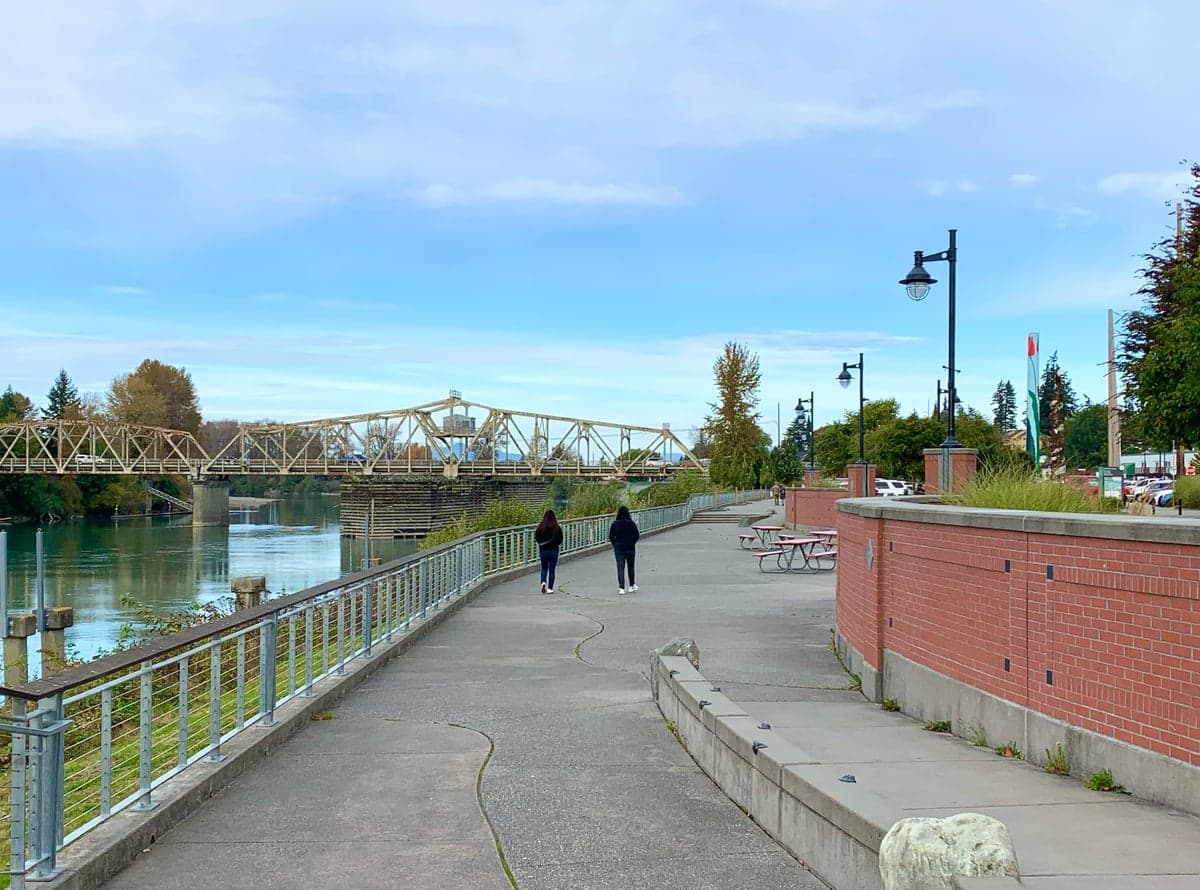
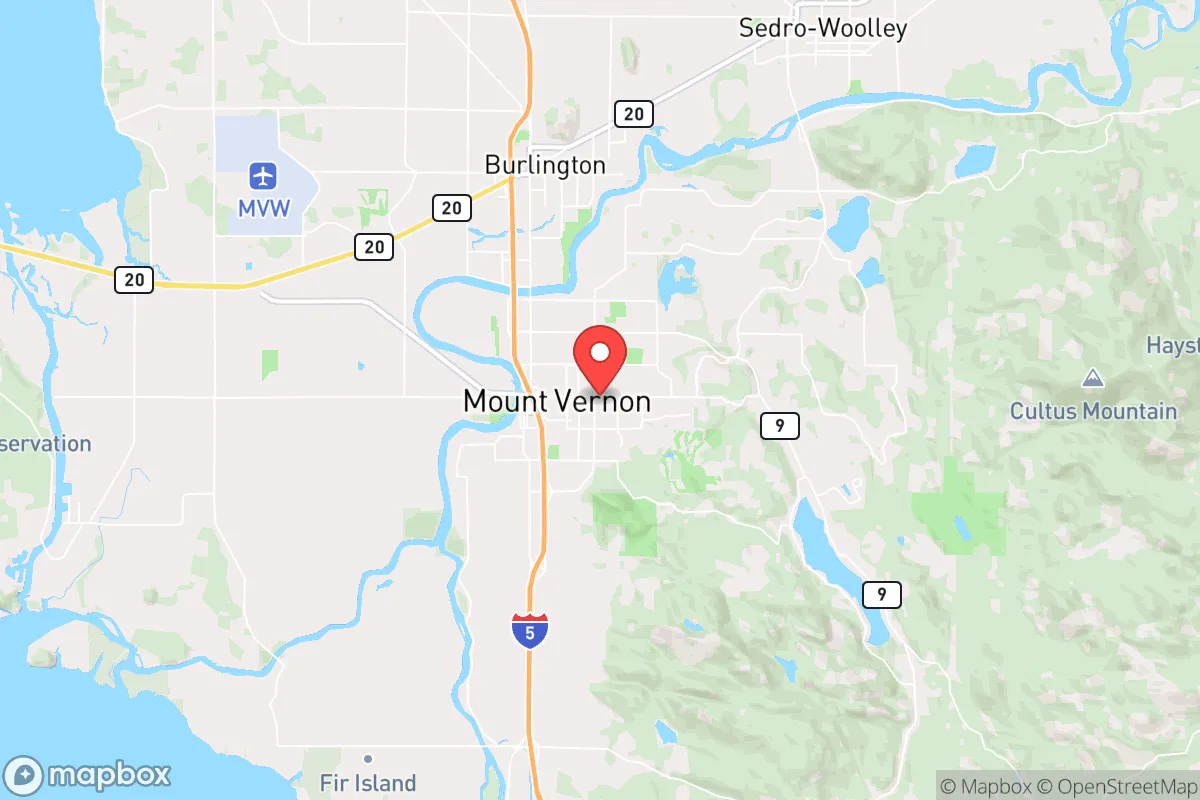
Photo: Wikipedia
Quality of Life in Mount Vernon, WA
Above-average quality of iife. The area offers a reasonable cost of living, decent mobility, and a mix of neighborhood amenities.
What does Quality of Life tell us?
Quality of Life blends cost of living, nearby amenities, socioeconomic signals, and neighborhood character. City-level scores represent the whole municipality; individual neighborhoods can differ.
What does this tell us?
Quality of Life blends cost of living, nearby amenities, socioeconomic signals, and neighborhood character. City-level scores represent the whole municipality; individual neighborhoods can differ.
Cost of Living
26% above national average
The Real Cost of Living in Mount Vernon, WA for 2026
| Tier | Individual | Family (4) |
|---|---|---|
| Survival | $20k | $38k |
| Comfortable | $82k | $121k |
| Luxury | $120k+ | $187k+ |
| Elite (Top 5%) | $142k+ | $220k+ |
61%
The Area Signal
A metric tracking the socioeconomic signals of the area.
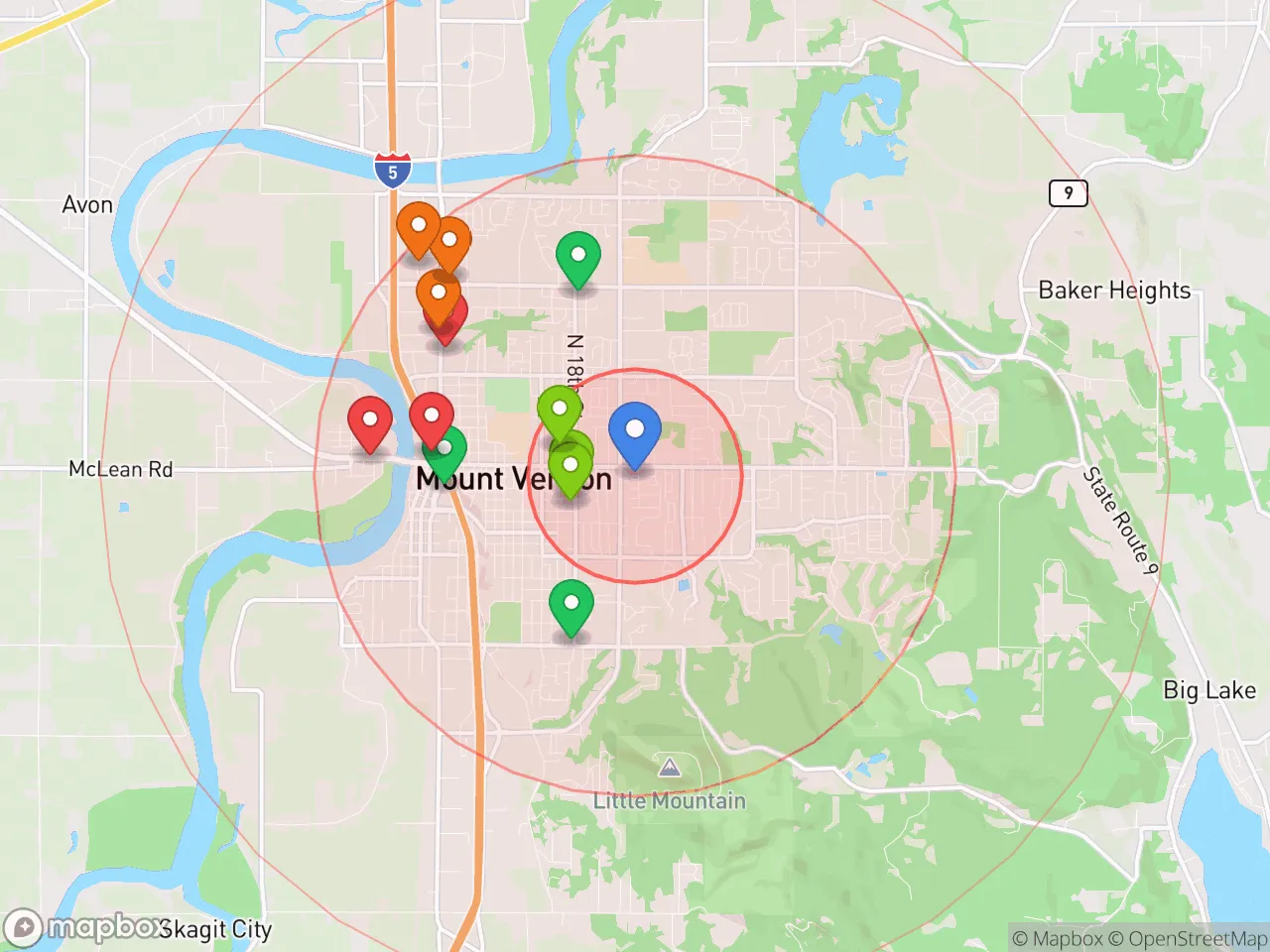
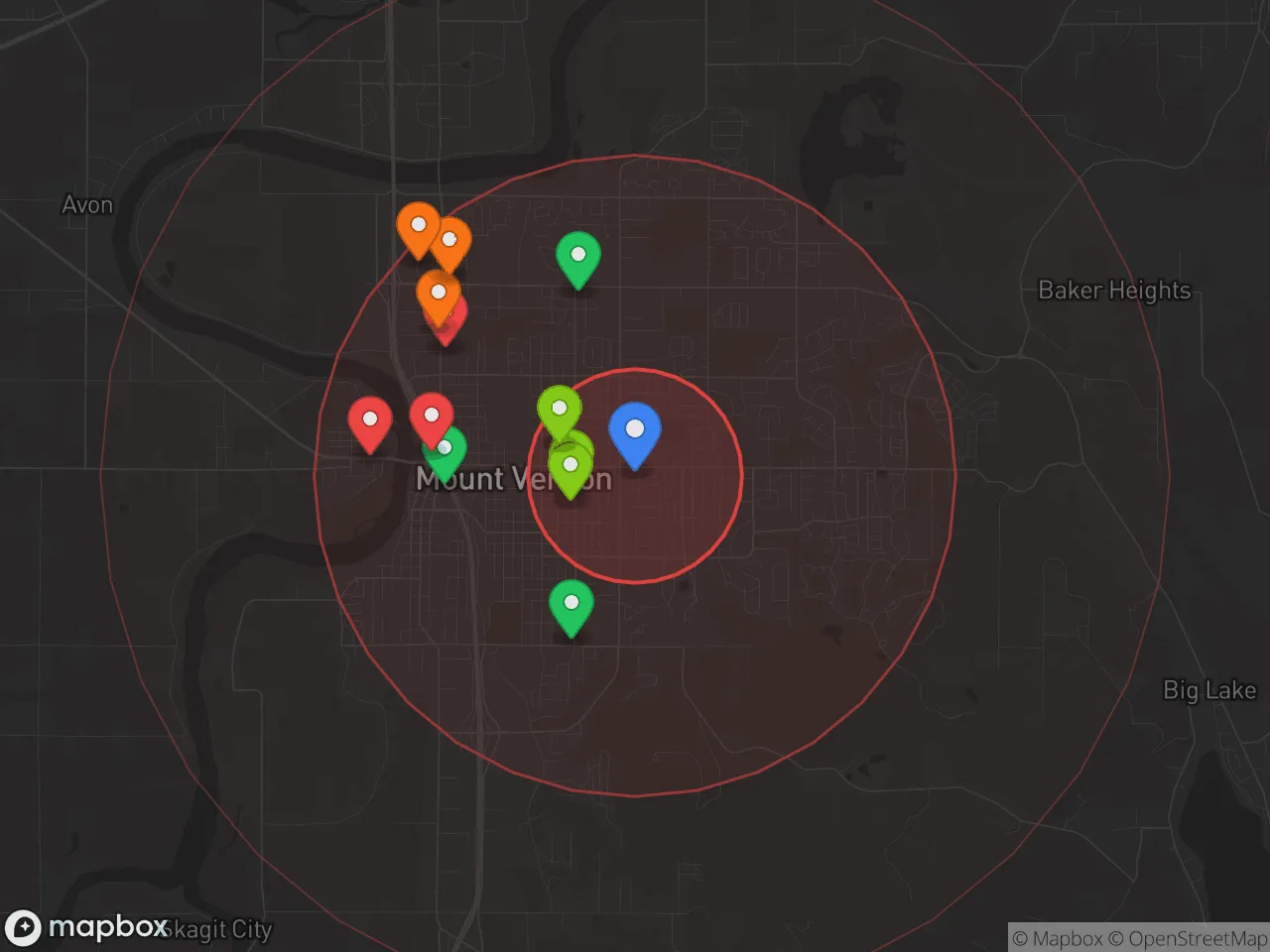
Hobbies
Explore the areaGroceries
7 within 10 miles
Gas
20 within 10 miles
Hospital
4 within 20 miles
Airport
SEA — Seattle–Tacoma International
Post Office
USPS — 1207 Cleveland Avenue, Mount
Critical Amenities
Quality-of-Life Analysis
Mount Vernon, Washington, presents a quality of life defined by its role as the Skagit County seat and a regional hub for agriculture, healthcare, and small-city living. With a cost of living index of 126 (26% above the U.S. average), the area attracts a mix of long-time farming families, professionals commuting to Bellingham or Seattle, and retirees drawn to the slower pace and proximity to the San Juan Islands and North Cascades. The population of roughly 36,000 skews slightly older and more family-oriented than the national average, creating a community where stability and local engagement are valued over rapid urban growth.
Cost of living, housing affordability, and how Mount Vernon compares to nearby cities
Mount Vernon’s cost of living is notably lower than Seattle’s (index ~170) but higher than more rural Skagit County towns like Sedro-Woolley or Burlington. The median home value sits at $429,300, which is roughly 30% below the Seattle metro median but still a significant stretch for households earning the county’s median income of about $72,000. Renters fare better: the median rent of $1,255 is well below the state average of $1,600, making Mount Vernon one of the more affordable rental markets in Western Washington for a city of its size. The average commute of 22.2 minutes is short by regional standards—far less than the 35+ minutes typical for Seattle-area workers—and reflects the fact that most residents work locally in healthcare (Skagit Regional Health), education, or agriculture. Property taxes are moderate, and Washington’s lack of state income tax helps offset the higher sales tax (8.7% in Skagit County). For buyers, the trade-off is clear: you get more space and lower monthly costs than in Bellingham or Everett, but inventory is tight and prices have risen 8-10% annually since 2020.
Amenities, schools, and what daily life is like for families and professionals
Daily life in Mount Vernon revolves around the Skagit River waterfront, the historic downtown with its independent shops and restaurants, and the extensive network of parks like Little Mountain Park and Riverwalk Park. The Mount Vernon School District serves about 6,000 students and is generally rated above average, with Mount Vernon High School offering an International Baccalaureate program that draws families seeking rigorous academics. For younger children, the district’s elementary schools have strong parent-teacher associations and after-school programs. Healthcare is a major local employer, anchored by Skagit Valley Hospital, which provides comprehensive services including a Level III trauma center and a cancer center. The rhythm of life is distinctly seasonal: the Skagit Valley Tulip Festival in April draws hundreds of thousands of visitors, while summer brings farmers’ markets, outdoor concerts at the Riverwalk, and easy access to hiking in the North Cascades or kayaking in the San Juan Islands. For professionals, the commute to Bellingham (30 minutes north) or Everett (45 minutes south) is manageable, but most white-collar jobs are in healthcare, government, or the county’s growing tech-adjacent sector. The lack of a major university or large corporate campus means nightlife is limited, but the community’s emphasis on outdoor recreation and local events creates a strong sense of place.
Mount Vernon is best suited for families seeking good schools and a slower pace without sacrificing access to nature, as well as professionals who value a short commute and lower housing costs than the Seattle metro. Retirees will appreciate the mild climate, walkable downtown, and proximity to medical care, while remote workers can leverage the city’s reliable broadband and lower rent. Those who thrive here are typically comfortable with a quieter social scene and prioritize outdoor activities, local food culture, and community involvement over urban amenities. If you need a vibrant nightlife, a major airport within 20 minutes, or a diverse job market beyond healthcare and agriculture, Mount Vernon may feel limiting. For everyone else, it offers a balanced, affordable quality of life in one of Washington’s most scenic regions.

Crime in Mount Vernon, WA
Generally safer than 64% of comparable U.S. locations.
Violent CrimeViolent Crime Analysis
Property CrimeProperty Crime Analysis
Crime Analysis
Mount Vernon, Washington, reports a violent crime rate of 130.1 incidents per 100,000 residents, a figure that sits well below both the Washington state average and the national median. However, the city’s property crime rate of 1,476.6 per 100,000 is notably higher than the national average, creating a mixed safety profile that requires careful examination. As a small city within the Seattle metropolitan orbit, Mount Vernon’s crime dynamics are influenced by broader regional trends, including the progressive justice policies of Skagit County that prioritize rehabilitation and diversion over incarceration.
Crime in context
Mount Vernon’s violent crime rate is roughly 55% lower than the national average, making it one of the safer small cities in Skagit County for personal safety. By contrast, its property crime rate is approximately 15% above the national average, driven largely by theft and vehicle break-ins. This pattern mirrors many communities in the Puget Sound region, where property offenses have risen since 2020. The city’s location along the I-5 corridor, a major drug and stolen-goods trafficking route, contributes to these numbers. Skagit County’s district attorney has implemented pretrial diversion programs and reduced felony filings for nonviolent property crimes, a progressive approach that critics argue has led to repeat offenders cycling through the system without meaningful consequences.
What residents experience
Residents report that property crime—particularly theft from vehicles, package theft, and bicycle theft—is the most common safety concern in daily life. Downtown Mount Vernon and areas near the Skagit Valley College campus see higher concentrations of these incidents. Violent crime is rare but not absent; most incidents involve domestic disputes or alcohol-fueled altercations rather than random stranger attacks. The Mount Vernon Police Department has responded with a community policing model and a property crime task force, but staffing levels remain below national recommendations. The progressive judicial philosophy in Skagit County means that many property crime offenders receive probation or treatment instead of jail time, a policy that prioritizes addressing root causes like addiction but can leave residents frustrated when the same individuals reoffend.
Neighborhood-level variation
Safety varies significantly by neighborhood. The Hillcrest area and newer subdivisions on the city’s east side experience the lowest crime rates, with many blocks reporting no incidents for months. Older neighborhoods near downtown and the riverfront, particularly around Division Street and the Skagit River levee, see elevated property crime and occasional drug-related activity. The city’s homeless population, concentrated along the river corridor and near the transit center, contributes to some of these issues. For families and professionals, the safest choice is the east-side neighborhoods east of Riverside Drive, where home values are higher and police response times are faster. Renters should be cautious near the downtown core and along the Highway 20 corridor, where property crime rates are highest.
* Values derived from national, state, county, city and local statistics and may differ in a specific area. Last updated: 2026-04-21T11:08:52.000Z
Narrative content on this page is AI-generated and may contain mistakes. Verify any details that matter before acting on them.
ReloMaps may earn a commission from affiliate links at no extra cost to you.

