Photo: Wikipedia
Find The Best Places To Live
in Mount Vernon
PRO TIP! You can paste a Zillow or Redfin link to get info on that property.
What It's Like Living in Mount Vernon, WA
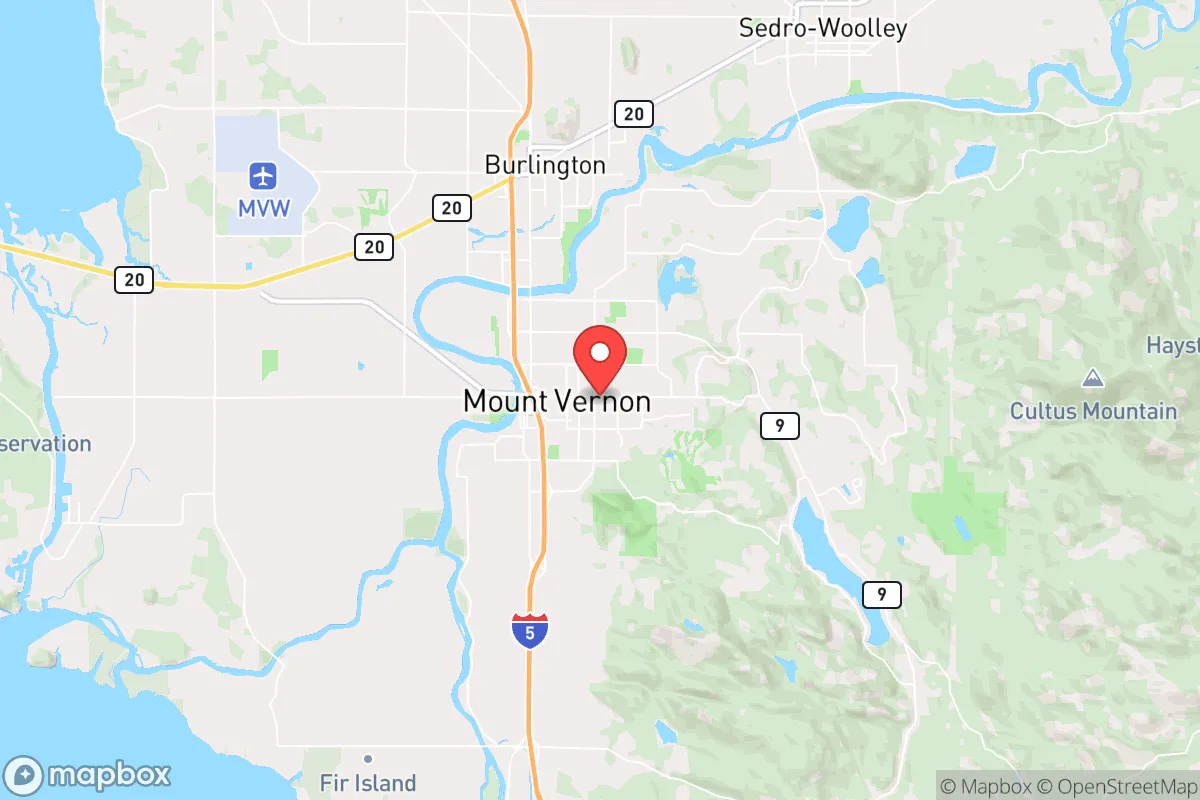
Mount Vernon, Washington, sits right in the middle of the Skagit Valley, and it feels like a town that knows exactly what it is: a working agricultural hub that happens to have a cute downtown and a front-row seat to some of the most dramatic scenery in the Pacific Northwest. It’s not a hipster magnet like Bellingham to the north, nor a bedroom suburb of Seattle—it’s its own thing, shaped by tulip fields, the Skagit River, and a population of about 35,000 people who are mostly fine with not being the center of attention.
The Daily Rhythm: What People Actually Do
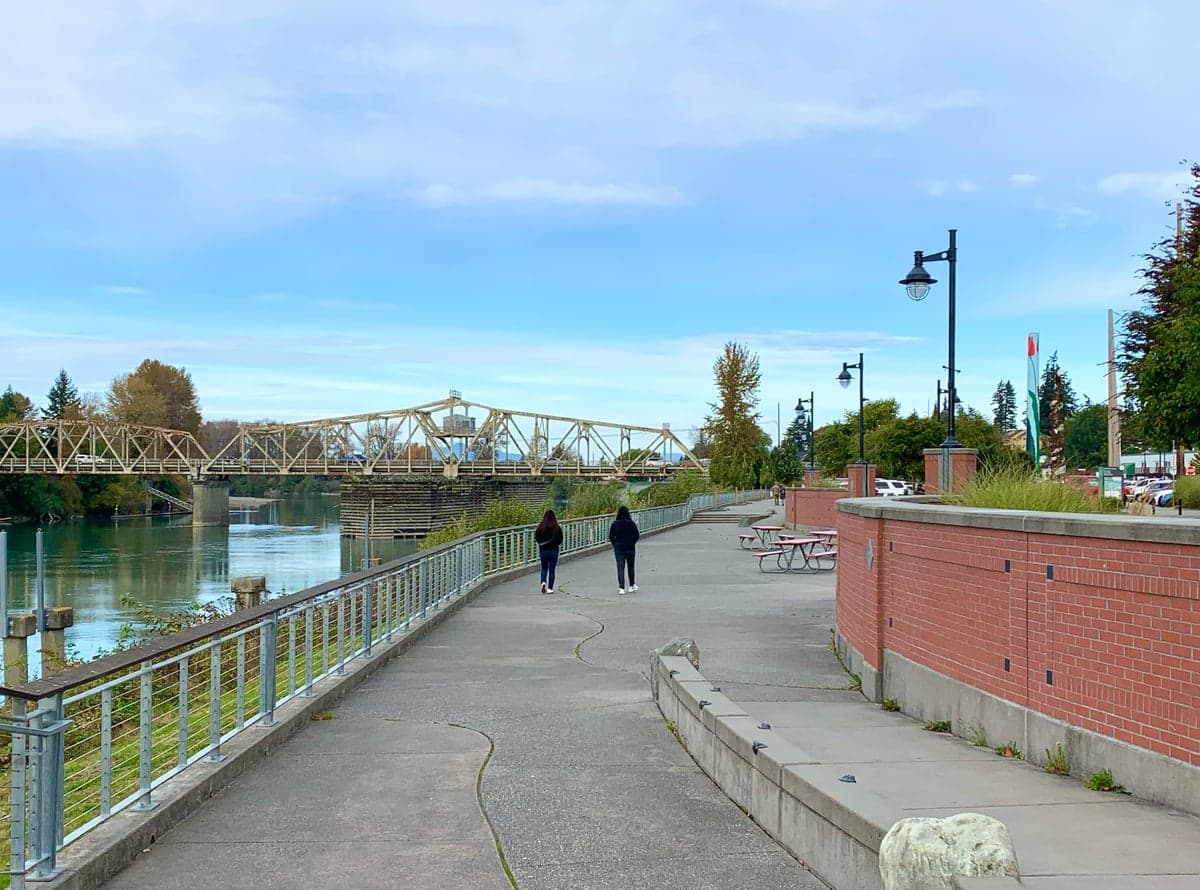
Life here moves at a pace that matches the seasons. During the week, most people commute—the average drive is about 22 minutes, which is short enough to feel sane but long enough that you’ll notice when the Skagit River Bridge opens for a barge. The biggest employers are Skagit Regional Health, the school district, and agriculture-related businesses like seed companies and food processors. You’ll see a lot of pickup trucks with farm gear in the bed, but also Subarus with kayak racks. The median income sits around $73,000, which is enough to live comfortably here because housing, while not cheap, is still more reasonable than in Seattle or even Bellingham. The median home value is about $429,000, and for that price you’re getting a decent three-bedroom house with a yard, not a condo.
Weekends are for errands at the Fred Meyer or WinCo, grabbing coffee at Skagit Valley Food Co-op (a local institution), or heading to the Mount Vernon Farmers Market on Saturdays from spring through fall. People actually know the farmers selling the produce, which is a big deal in a valley that grows some of the best berries, potatoes, and tulips in the country. The downtown core on First Street has a few solid restaurants—La Hacienda for Mexican, Shi’s Asian Bistro for sushi, and Calico Cupboard for breakfast—but nobody pretends it’s a food destination. It’s more the kind of place where you run into your kid’s teacher at the grocery store.
Sports, Festivals, and What You Actually Do for Fun
High school sports are a genuine deal here. Mount Vernon High School’s football and basketball games draw real crowds, especially when they play Burlington-Edison or Sedro-Woolley. There’s no pro team closer than Seattle, but the Seattle Mariners and Seahawks have plenty of fans who make the 60-mile drive south for games a few times a year. The real sports culture, though, is outdoor recreation. The Skagit River is a steelhead and salmon fishing destination, and the Skagit River Trail runs right through town for biking and walking. In winter, you can be at the Mount Baker ski area in about 90 minutes.
The biggest event of the year is the Skagit Valley Tulip Festival in April, which turns the entire valley into a traffic jam of tourists from all over the world. Locals have a love-hate relationship with it—it’s beautiful and brings money, but it also means you can’t get anywhere without sitting through a dozen RVs. Other notable events include the Mount Vernon Summer Concert Series at Riverwalk Park and the Skagit County Fair in August, which is exactly as charming and slightly run-down as a county fair should be.
Who Fits In Here—and Who Doesn’t
Mount Vernon works best for people who want a slower, more grounded life without giving up access to city amenities. The median age is 36, which suggests a mix of young families and people who moved here to start a business or work in healthcare. Only about a quarter of adults have a college degree, which is lower than the national average, but that reflects the blue-collar and agricultural base of the economy. You’ll find plenty of conservative-leaning residents here—Skagit County voted red in recent presidential elections, and the town has a strong evangelical church presence alongside a smaller but visible progressive community. It’s not a place where politics dominates daily conversation, but it’s also not a place where you’ll find a lot of political activism.
The biggest cultural quirk is the Lincoln Theatre, a beautifully restored 1920s movie house downtown that shows indie films and hosts live music. It’s the kind of venue that makes the town feel more cultured than its size suggests. The other quirk is the Skagit River Brewery, a local hangout where you can get a decent IPA and a burger while watching the river go by. It’s not fancy, but it’s exactly the kind of place that defines the town’s social scene.
Pros and Cons of Living in Mount Vernon
- Pro: The scenery is genuinely stunning—views of the Cascade foothills, farmland that changes color with the seasons, and the river running through town. You never get used to it.
- Con: The weather. It’s gray and drizzly from October through June. The Skagit Valley is one of the cloudiest places in the lower 48, and seasonal affective disorder is a real topic of conversation.
- Pro: The cost of living, while above the national average (index of 126), is still a bargain compared to Seattle or Portland. You can buy a house here on a middle-class salary.
- Con: The job market is limited. If you lose your job at the hospital or the school district, you’re looking at a long commute or a move. The violent crime rate is low (130 per 100,000), but property crime can be an issue in certain neighborhoods.
- Pro: The schools are solid and deeply integrated into community life. The Mount Vernon School District is a point of pride, and Friday night football games are a genuine social event.
- Con: The traffic during the Tulip Festival is a nightmare, and the town can feel sleepy if you’re used to a 24-hour city. Most restaurants close by 9 p.m., and there’s no real nightlife beyond a few bars.
Mount Vernon is a good fit for someone who values quiet, community, and access to the outdoors over career ambition or urban energy. It’s the kind of place where you wave at people you don’t know, where the high school band marches down First Street on Memorial Day, and where you can still buy a house without a six-figure income. It’s not for everyone, but the people who love it really love it.

* Values derived from national, state, county, city and local statistics and may differ in a specific area. Last updated: 2026-04-21T11:08:52.000Z
Narrative content on this page is AI-generated and may contain mistakes. Verify any details that matter before acting on them.
ReloMaps may earn a commission from affiliate links at no extra cost to you.

