 Popular
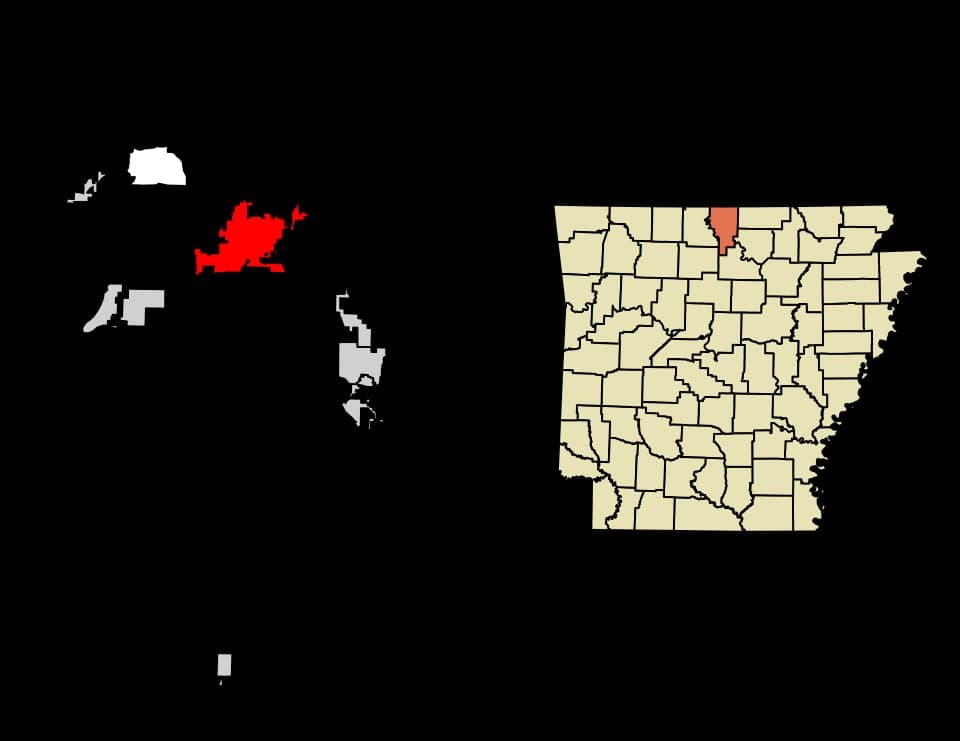
Photo: Wikipedia
Quality of Life in Mountain Home, AR
Above-average quality of iife. The area offers a reasonable cost of living, decent mobility, and a mix of neighborhood amenities.
What does Quality of Life tell us?
Quality of Life blends cost of living, nearby amenities, socioeconomic signals, and neighborhood character. City-level scores represent the whole municipality; individual neighborhoods can differ.
What does this tell us?
Quality of Life blends cost of living, nearby amenities, socioeconomic signals, and neighborhood character. City-level scores represent the whole municipality; individual neighborhoods can differ.
Cost of Living
33% below national average
The Real Cost of Living in Mountain Home, AR for 2026
| Tier | Individual | Family (4) |
|---|---|---|
| Survival | $14k | $26k |
| Comfortable | $31k | $46k |
| Luxury | $76k+ | $118k+ |
| Elite (Top 5%) | $114k+ | $176k+ |
92%
The Area Signal
A metric tracking the socioeconomic signals of the area.
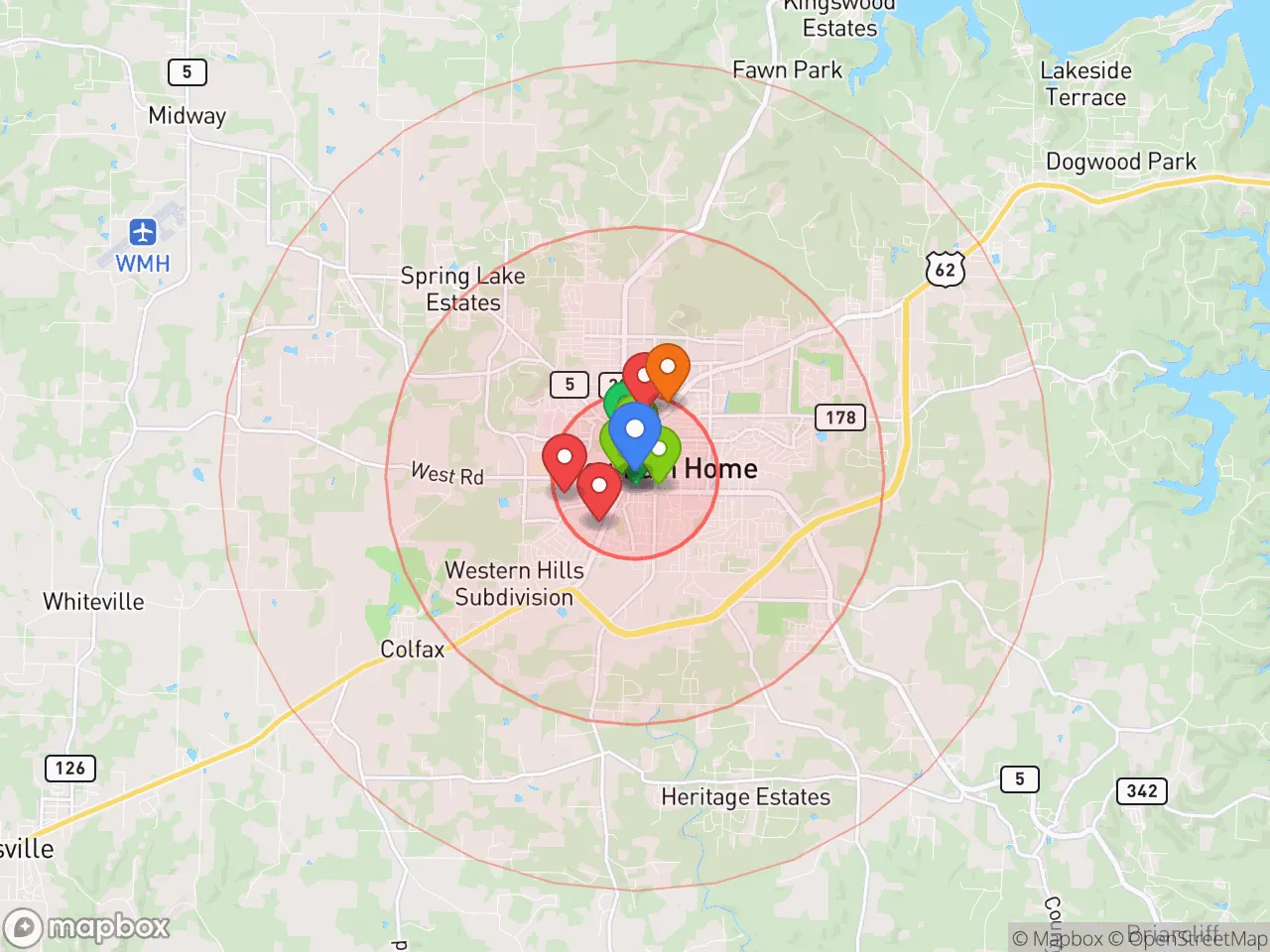
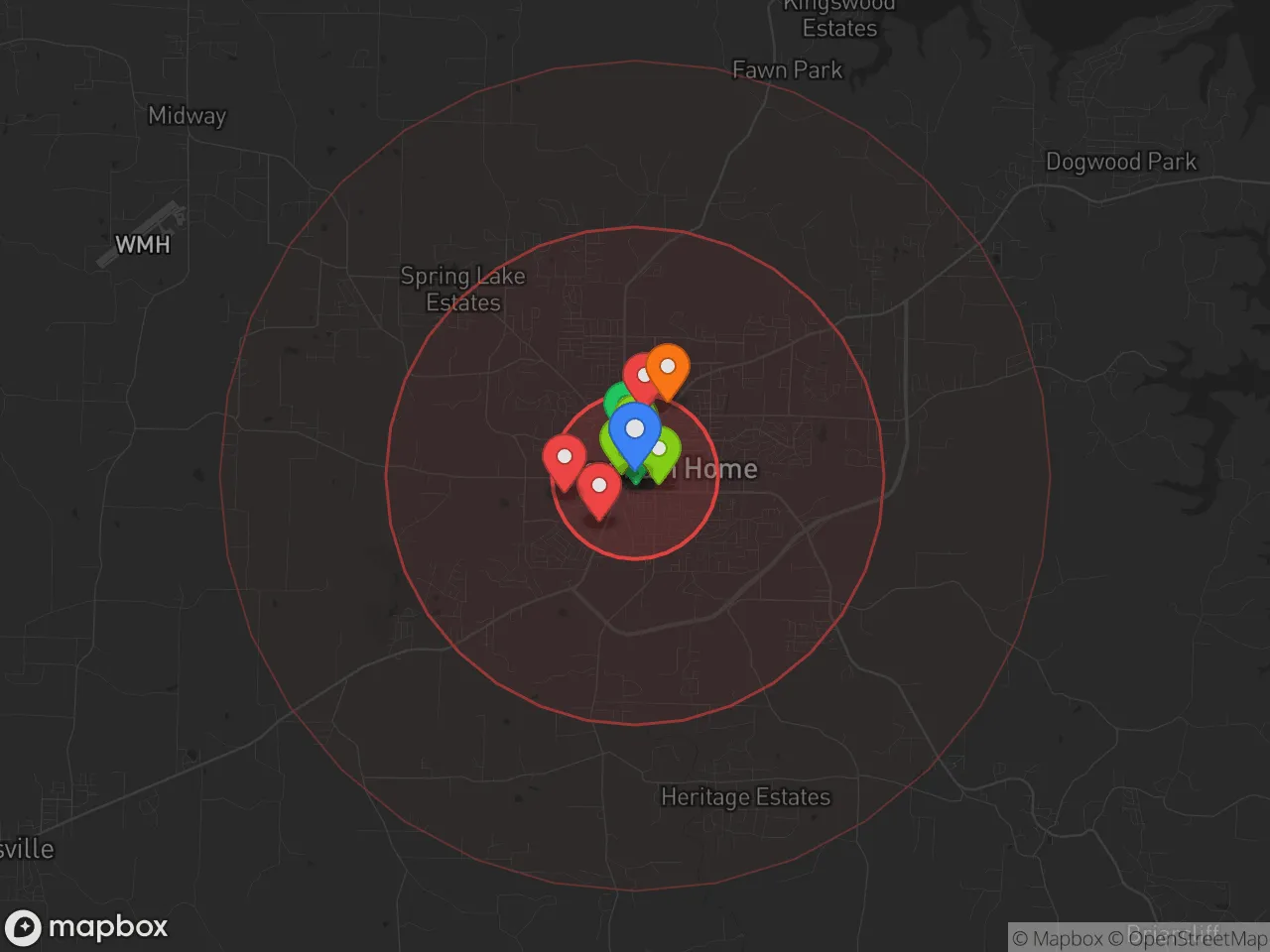
Hobbies
Explore the areaGroceries
1 within 10 miles
Gas
12 within 10 miles
Hospital
1 within 20 miles
Airport
MCI — Kansas City International
Post Office
USPS — Mountain Home, AR
Critical Amenities
Quality-of-Life Analysis
Mountain Home, Arkansas, presents a notably affordable quality of life centered around the twin lakes of Norfork and Bull Shoals, attracting a demographic mix of retirees seeking a low-cost, outdoor-oriented lifestyle and younger families drawn to the area's stable, small-town economy. The city's cost of living index sits at 67, a full 33 points below the national average, making it one of the most budget-friendly communities in the Ozarks. This economic reality shapes daily life, where a significant portion of the population—roughly 30% aged 65 and older—enjoys a slower pace, while the remaining workforce supports a service and healthcare-driven local economy.
Cost of living, housing affordability, and how it compares to nearby areas
Housing in Mountain Home is a primary driver of its low cost of living. The median home value is $160,200, which is less than half the national median of roughly $350,000, and the median rent sits at $857 per month. This affordability is even more striking when compared to larger regional hubs: homes in Fayetteville or Springfield, Missouri, typically cost 40-60% more. Property taxes in Baxter County remain low, averaging around 0.6% of assessed value, further reducing the long-term cost of homeownership. While the area lacks the high-paying tech or manufacturing jobs found in metropolitan centers, the low housing costs mean that a median household income of approximately $45,000 can still support a comfortable, debt-free lifestyle. Renters benefit from a vacancy rate that has tightened since 2020, but the $857 median rent remains well below the national average of $1,200, making it a viable option for those on fixed incomes or entry-level wages.
What daily life is like for families and retirees: amenities, schools, and recreation
Daily life in Mountain Home revolves around the lakes and the local service sector. The Mountain Home Public School District serves roughly 3,500 students across five schools, with a student-to-teacher ratio of 14:1 and a graduation rate near 90%, which is competitive for a rural district. For retirees, the area offers two major hospitals—Baxter Regional Medical Center and Ozarks Medical Center—providing specialized care uncommon in towns of this size. The city's downtown features a historic square with locally owned shops and restaurants, while the nearby Bull Shoals Lake and Norfork Lake offer fishing, boating, and hiking at state parks like Bull Shoals-White River State Park. The rhythm of life is notably slower than in Northwest Arkansas; there is no major nightlife or cultural district, but the community calendar is filled with events like the Arkansas State BBQ Championship and the annual Bluegrass Festival. Groceries and utilities are also below national averages, with a typical grocery bill running about 10% less than the U.S. norm.
Who thrives in Mountain Home? The area is best suited for retirees seeking a quiet, lake-centric retirement with low expenses, as well as families who prioritize outdoor recreation and a safe, close-knit school environment over urban career opportunities. Remote workers with stable incomes will find the low cost of living allows for significant savings, while those dependent on local wages may face limited job growth in sectors beyond healthcare and retail. The trade-off is clear: Mountain Home offers exceptional affordability and natural beauty, but lacks the cultural diversity and employment density of larger Arkansas cities like Little Rock or Bentonville. For those who value financial freedom and lake access above urban amenities, it remains a compelling choice.

Crime in Mountain Home, AR
Generally safer than 56% of comparable U.S. locations.
Violent CrimeViolent Crime Analysis
Property CrimeProperty Crime Analysis
Crime Analysis
Mountain Home, Arkansas, presents a mixed safety profile for potential residents. The city’s violent crime rate of 252.3 incidents per 100,000 people is notably lower than the national average, but its property crime rate of 2,225.8 per 100,000 significantly exceeds both state and national benchmarks. This combination means that while the risk of a violent encounter is relatively low, the likelihood of experiencing theft, burglary, or vandalism is a genuine concern for daily life.
Crime in context
To understand Mountain Home’s position, it helps to compare it to broader averages. The national violent crime rate sits at approximately 380 per 100,000, meaning Mountain Home’s rate is about 34% lower. However, the national property crime rate is roughly 1,950 per 100,000, placing Mountain Home 14% above that mark. Arkansas’s statewide property crime rate is also lower, around 2,100 per 100,000. This data suggests that property offenses—particularly theft from vehicles and residential burglaries—are the primary safety issue residents face. The city’s location as a regional hub for Baxter County likely contributes to this, drawing transient traffic and opportunistic crime.
What residents experience
For those living in Mountain Home, the day-to-day reality is one of vigilance rather than fear. The low violent crime rate means random assaults or robberies are uncommon, and most violent incidents occur between individuals who know each other. Property crime, however, is a persistent annoyance. Residents commonly report stolen packages, unlocked car break-ins, and occasional shed or garage burglaries. The local police department is responsive, but like many smaller forces, it faces resource constraints. A key factor for readers to consider is the judicial philosophy in Baxter County. Arkansas is a conservative state overall, and local prosecutors and judges generally adhere to traditional law-and-order approaches. This contrasts sharply with the progressive, offender-focused policies seen in many large metro areas, which can lead to higher recidivism and more criminals on the street. In Mountain Home, the justice system’s emphasis on accountability provides a meaningful layer of protection for victims and the public.
Neighborhood-level variation
Safety is not uniform across Mountain Home. The most significant variation is between the core commercial corridors—like Highway 62/412 and the area around the Baxter County Courthouse—and the quieter residential subdivisions on the city’s outskirts. The commercial zones, with their higher foot traffic and retail density, see the bulk of property crimes. In contrast, neighborhoods like those near Norfork Lake or the eastern edge of town report fewer incidents. Gated communities and newer developments with active homeowners’ associations also tend to have lower crime rates. Prospective residents are advised to drive through a target neighborhood at different times of day and check the Baxter County Sheriff’s Office online crime map for specific addresses before making a decision.
* Values derived from national, state, county, city and local statistics and may differ in a specific area. Last updated: 2026-04-23T02:11:34.000Z
Narrative content on this page is AI-generated and may contain mistakes. Verify any details that matter before acting on them.
ReloMaps may earn a commission from affiliate links at no extra cost to you.

