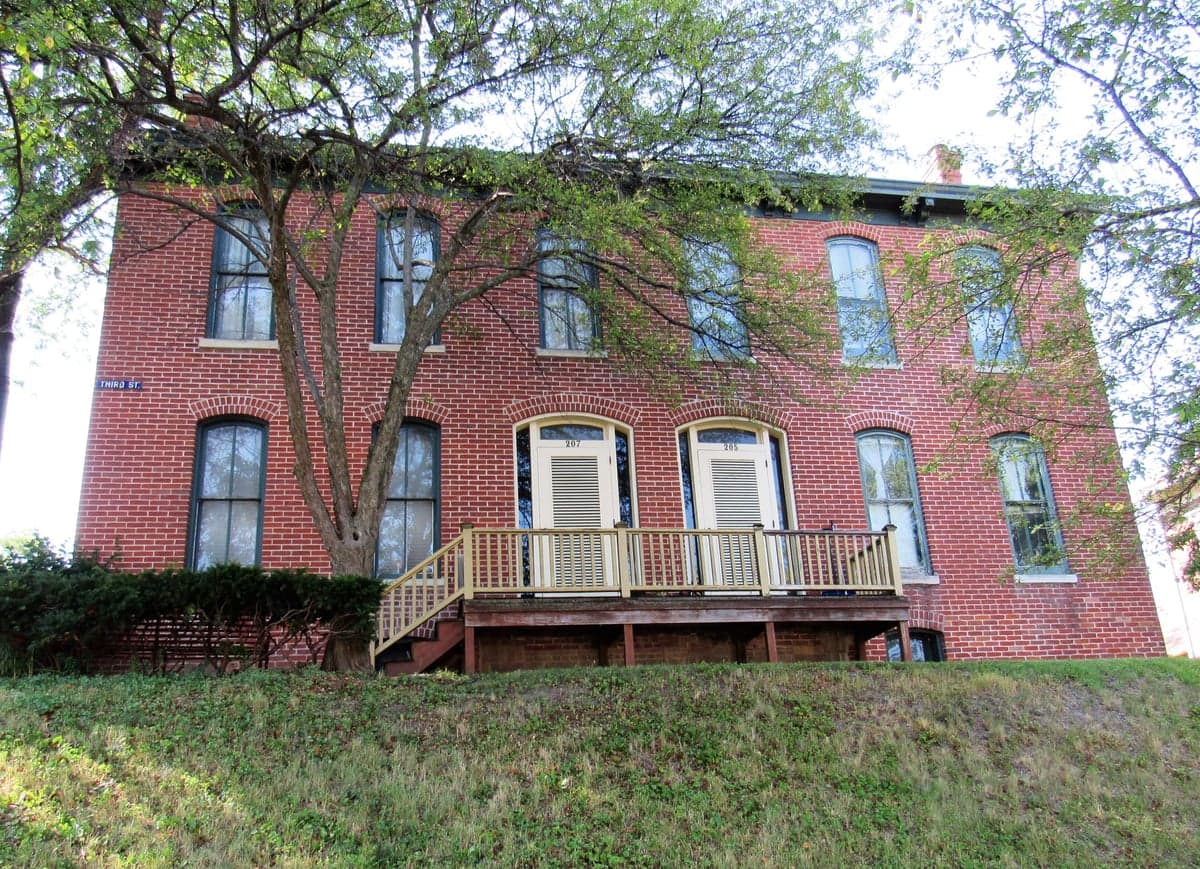
Photo: Wikipedia
Quality of Life in Muscatine, IA
A high quality of life with strong walkability, manageable living costs, healthy neighborhood signals, and solid amenity access.
What does Quality of Life tell us?
Quality of Life blends cost of living, nearby amenities, socioeconomic signals, and neighborhood character. City-level scores represent the whole municipality; individual neighborhoods can differ.
What does this tell us?
Quality of Life blends cost of living, nearby amenities, socioeconomic signals, and neighborhood character. City-level scores represent the whole municipality; individual neighborhoods can differ.
Cost of Living
29% below national average
The Real Cost of Living in Muscatine, IA for 2026
| Tier | Individual | Family (4) |
|---|---|---|
| Survival | $16k | $29k |
| Comfortable | $29k | $42k |
| Luxury | $96k+ | $149k+ |
| Elite (Top 5%) | $113k+ | $175k+ |
141%
The Area Signal
A metric tracking the socioeconomic signals of the area.
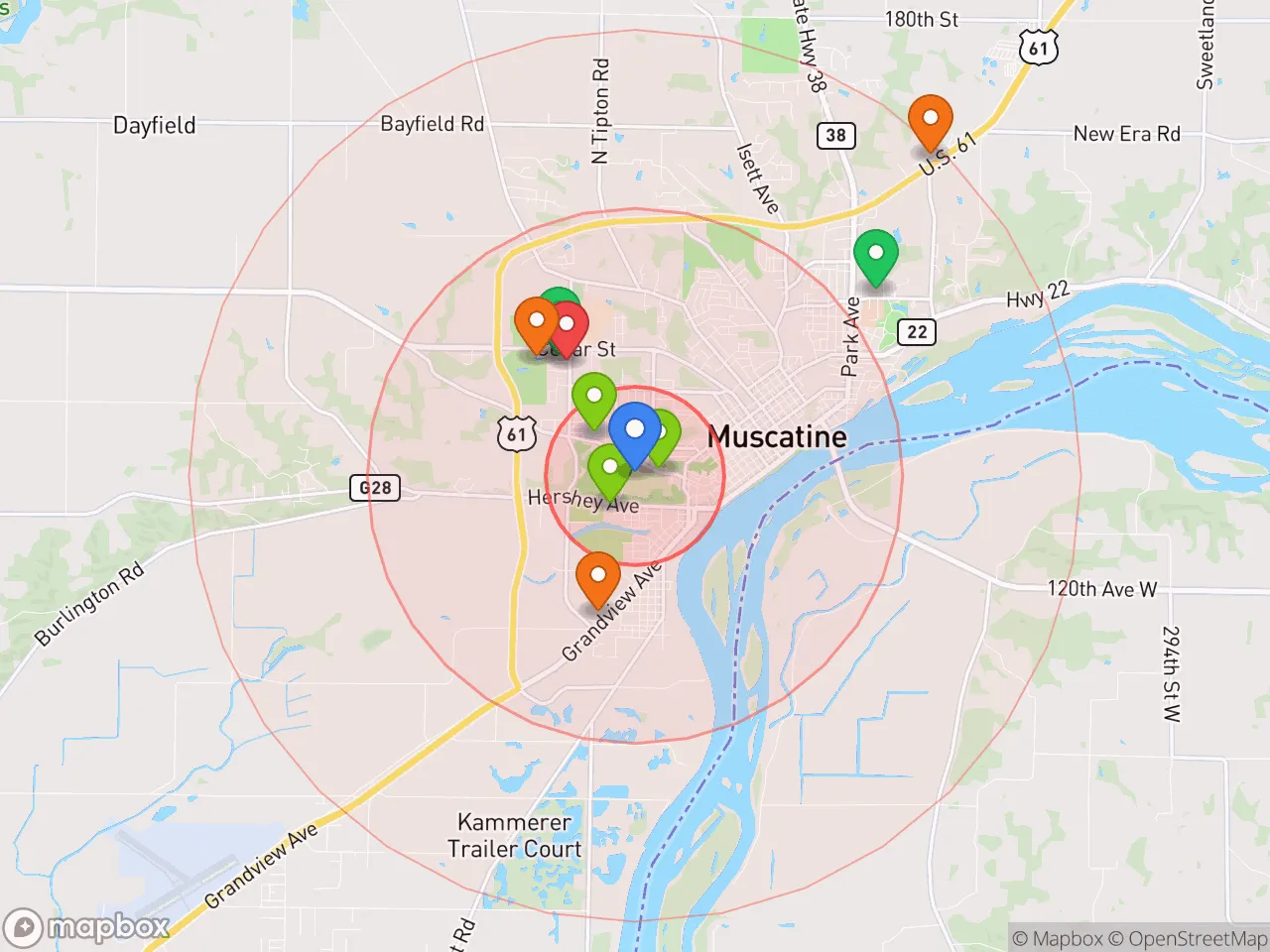
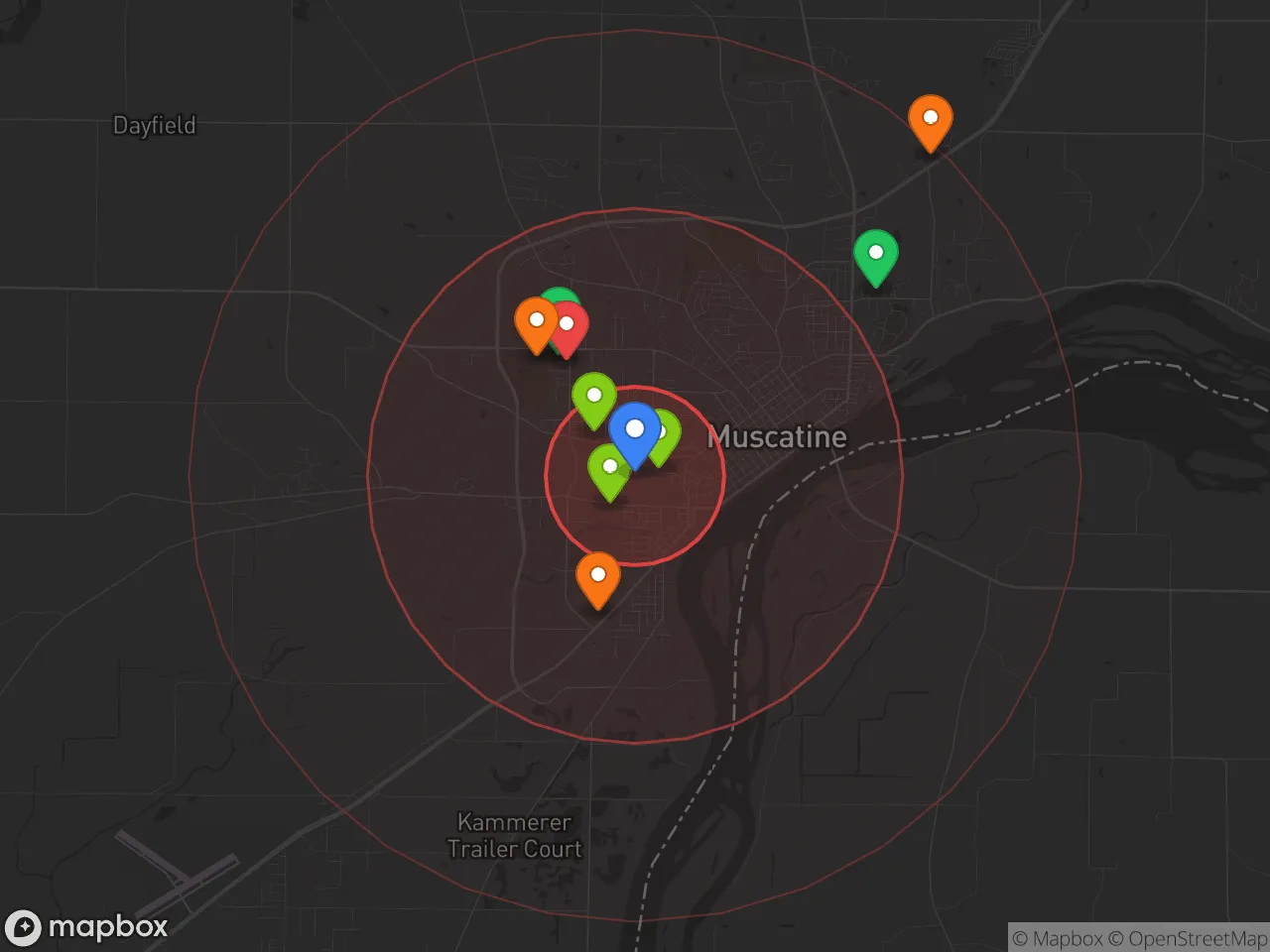
Hobbies
Explore the areaGroceries
3 within 10 miles
Gas
7 within 10 miles
Hospital
1 within 20 miles
Airport
ORD — O'Hare International
Post Office
USPS — Muscatine, IA
Critical Amenities
Quality-of-Life Analysis
Muscatine, Iowa, presents a notably affordable quality of life with a cost of living index of 71—well below the national average of 100—attracting a mix of manufacturing workers, healthcare professionals, and retirees seeking a slower pace. The city’s median home value of $146,900 and median rent of $979 make it one of the most accessible housing markets in eastern Iowa, drawing families and first-time buyers priced out of nearby Iowa City or the Quad Cities. With an average commute of just over 17 minutes, residents trade long drives for more time at home, contributing to a tight-knit, community-oriented atmosphere.
Cost of living and housing affordability compared to nearby cities
Muscatine’s cost of living is roughly 29% lower than the U.S. average, and housing costs are the primary driver. The median home value of $146,900 is significantly less than Iowa City’s median of roughly $280,000 and Davenport’s $170,000, making Muscatine a budget-friendly alternative for those working in those larger metros. Renters also benefit: the median rent of $979 is about $200 less than in Iowa City. Property taxes in Muscatine County are moderate, and utility costs align with the state average. For a household earning the local median income of around $55,000, a mortgage on a typical home would consume less than 25% of gross income—well within the recommended threshold. This affordability allows residents to allocate more income to savings, recreation, or home improvements, a key draw for those moving from higher-cost regions.
Schools, amenities, and the daily rhythm of life in Muscatine
Daily life in Muscatine centers on the Mississippi River and a compact downtown. The Muscatine Community School District serves roughly 4,500 students, with Muscatine High School offering Advanced Placement and career-technical programs. The city also hosts Muscatine Community College, part of Eastern Iowa Community Colleges, providing associate degrees and workforce training. For recreation, residents use the 40-mile Great River Trail for biking and walking, Riverside Park for riverfront access, and the Muscatine Art Center for cultural programming. The local economy is anchored by HNI Corporation (office furniture) and Monsanto (seed production), alongside healthcare employers like UnityPoint Health – Muscatine. The average commute of 17 minutes means most errands and work trips are quick, leaving time for community events like the Muscatine County Fair or the Mississippi Valley Blues Festival. Grocery and retail options are sufficient for daily needs, though residents often drive 30 minutes to Iowa City or Davenport for specialty shopping or major medical care.
Muscatine is best suited for those who prioritize affordability and a slower, river-town lifestyle over urban amenities. Families with young children benefit from low housing costs and short commutes, while retirees appreciate the low crime rate and access to the Mississippi River. Remote workers and manufacturing employees will find the cost savings especially attractive, though those seeking nightlife or high-end dining may find the options limited. For anyone looking to stretch a paycheck in a safe, community-focused setting, Muscatine offers a practical and pleasant base in eastern Iowa.

Crime in Muscatine, IA
Generally safer than 66% of comparable U.S. locations.
Violent CrimeViolent Crime Analysis
Property CrimeProperty Crime Analysis
Crime Analysis
Muscatine, Iowa, reports a violent crime rate of 185.5 per 100,000 residents and a property crime rate of 935.9 per 100,000, placing it in a moderate safety tier relative to other small Midwestern manufacturing cities. These figures suggest that while serious violent incidents are less common than in many urban centers, property-related offenses occur at a frequency that warrants attention from prospective residents. The overall safety picture is mixed: the city benefits from a relatively low violent crime rate but faces property crime challenges that are typical of communities with a mix of industrial and residential zones.
Crime in context
Muscatine’s violent crime rate of 185.5 per 100,000 is roughly 40% below the national average of 380 per 100,000 and significantly lower than the Iowa state average of 290 per 100,000. Property crime, however, tells a different story: the city’s rate of 935.9 per 100,000 is about 15% higher than the national average of 1,954 per 100,000 and notably above the Iowa state average of 1,450 per 100,000. This disparity means Muscatine is a comparatively safe place for violent crime but experiences property crime at a level that exceeds both state and national norms. The city’s proximity to the Quad Cities metro area (approximately 30 miles away) does not appear to drive violent crime upward, but it may contribute to property crime patterns linked to regional mobility.
What residents experience
Daily life in Muscatine for most residents involves low exposure to violent crime, with the majority of incidents concentrated in specific areas or tied to domestic situations. Property crime, however, is a more tangible concern: burglaries, thefts from vehicles, and vandalism are the most commonly reported offenses. Residents in neighborhoods near industrial corridors or along major thoroughfares like Highway 61 report higher rates of break-ins and car break-ins. The city’s police department has responded with targeted patrols and a community watch program, but property crime rates have remained stubbornly steady over the past five years. For families and retirees, the key takeaway is that violent crime is unlikely to be a daily worry, but securing homes and vehicles is a practical necessity.
Neighborhood-level variation in Muscatine is notable. Areas west of the Mississippi River, particularly around Mulberry Avenue and the downtown core, see higher property crime rates, while residential districts east of the river, such as those near the Muscatine Community College campus, report fewer incidents. The city’s older housing stock and mixed-use zoning in central neighborhoods create more opportunities for property crime, whereas newer subdivisions on the outskirts benefit from lower density and better lighting. Prospective residents should consult local crime maps and consider specific street-level data when choosing a neighborhood, as the difference between a block with frequent thefts and one with none can be stark within the same zip code.
* Values derived from national, state, county, city and local statistics and may differ in a specific area. Last updated: 2026-05-03T11:41:11.000Z
Narrative content on this page is AI-generated and may contain mistakes. Verify any details that matter before acting on them.
ReloMaps may earn a commission from affiliate links at no extra cost to you.

