Strategic Assessment of Muskego, WI
Meaningful friction. Expect exposure to either population pressure, blast zones, or natural disaster risk. Consider buying a retreat property.
What does the Strategic Assessment tell us?
Our Strategic Assessment grades tactical survivability of an area. Major population centers, military targets, fallout zones, natural disasters, and border exposure all drive risk — lower exposure means a more defensible position in a crisis.
This is heavily inspired by Joel Skousen's Strategic Relocation book. Highly recommended you checkout the book ($)What does this tell us?
Our Strategic Assessment grades tactical survivability of an area. Major population centers, military targets, fallout zones, natural disasters, and border exposure all drive risk — lower exposure means a more defensible position in a crisis.
This is heavily inspired by Joel Skousen's Strategic Relocation book. Highly recommended you checkout the book ($)Strategic Pillars

Key Distances
Regional Safe Places
Below is our recommended "safe zones" in Wisconsin and the surrounding area based on our strategic heuristics. For most people, it's unrealistic to live in a “safe zone” full-time due to work, family or other personal reasons. They tend to be more rural. However, many of these areas are perfect for second homes and retreat properties that double as a vacation home or even a short-term rental.
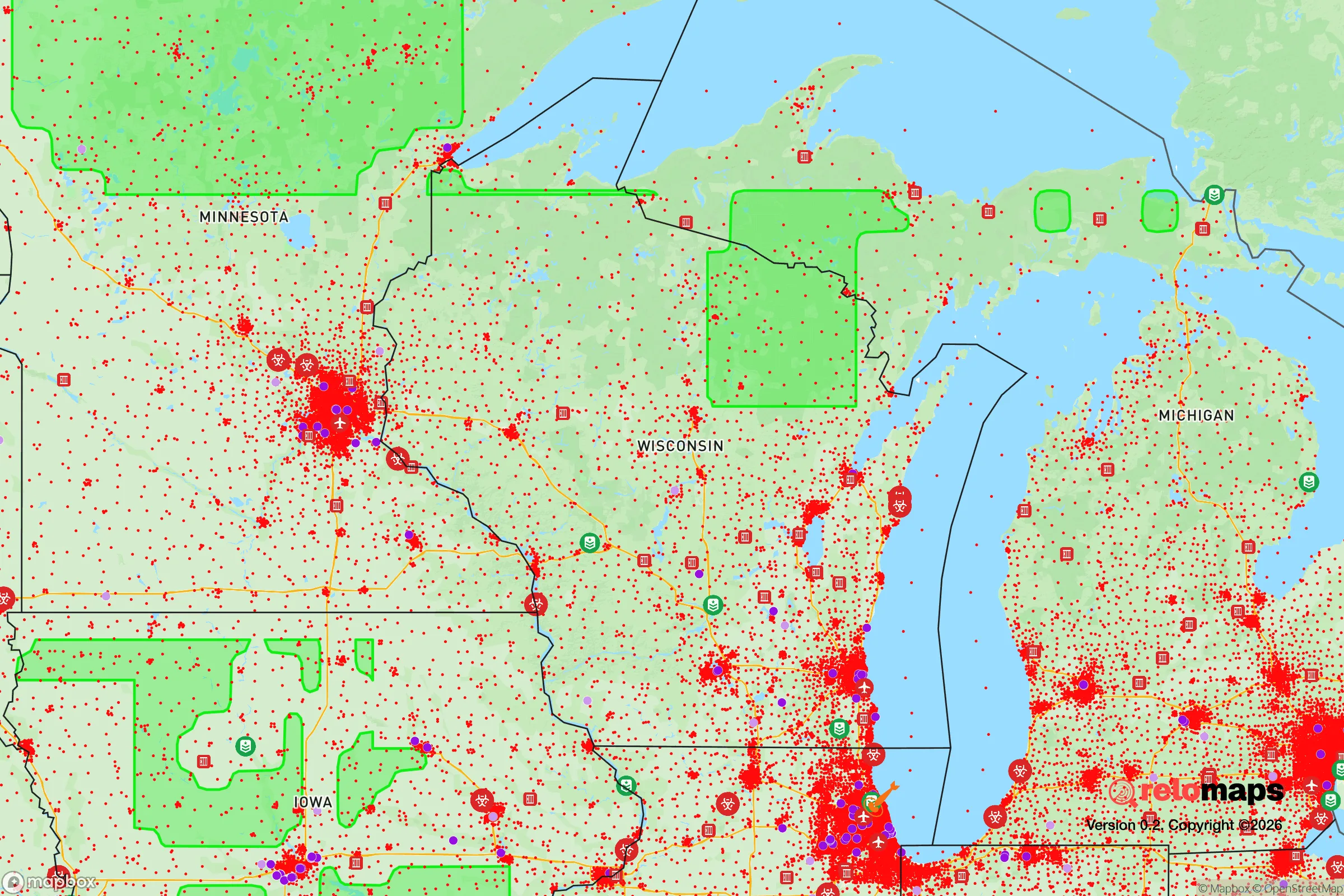
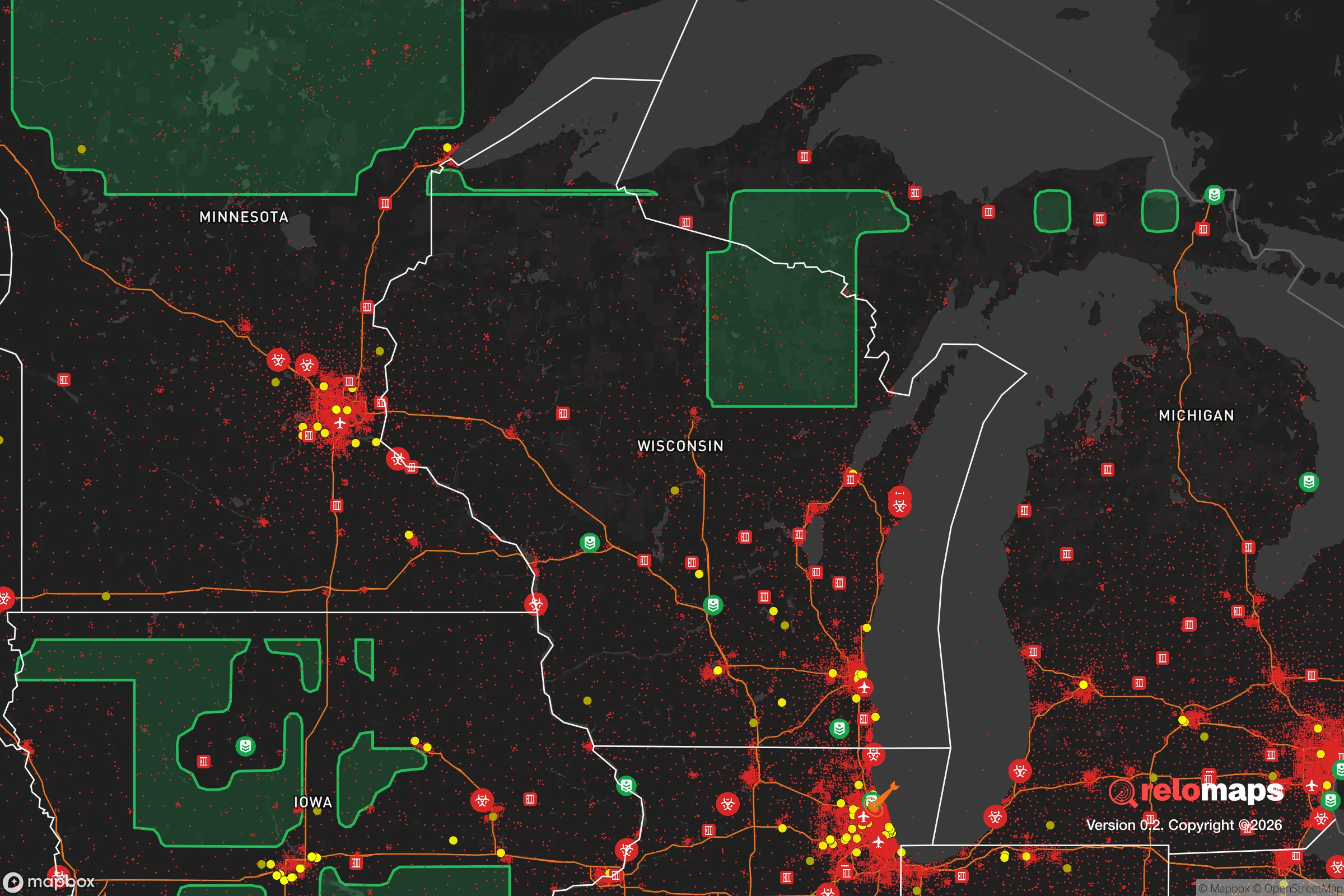


Important Note: For informational purposes only. This does not mean nothing bad ever happens in the green zones. Please use common sense. This is based on public data and modeled with AI. We tried to take a conservative approach but mistakes happen. We update this regularly as new information becomes available.
Solar Generator Recommendations
Backup power matters more here than in safer locations. We've picked three solar generators across budgets and capacity tiers — start with the budget unit if you only need a few essentials, or step up if you want to run a fridge and HVAC for days at a time.

Jackery Portable Power Station Explorer 300
Budget OptionPower on the Go: Weighing only 11 lbs, it's convenient to set up and store with book-sized foldable solar panels

BLUETTI Portable Power Station AC180
Designed for both indoor and outdoor scenarios, AC180 is highly capable as it has a robost capacity and continuous output power.

EF ECOFLOW DELTA Pro Ultra Power Station
Upgraded PickEcoFlow DELTA Pro Ultra is a whole-home energy system designed to grow with your family. Integrated with the Smart Home Panel 2, it scales to meet your evolving energy needs — keeping your home powered, intelligent, and secure through every stage of life.
We earn a commission, at no additional cost to you.
Strategic Assessment Analysis
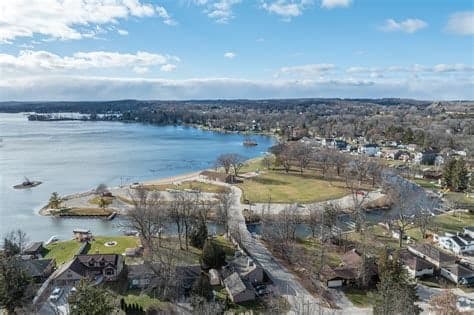
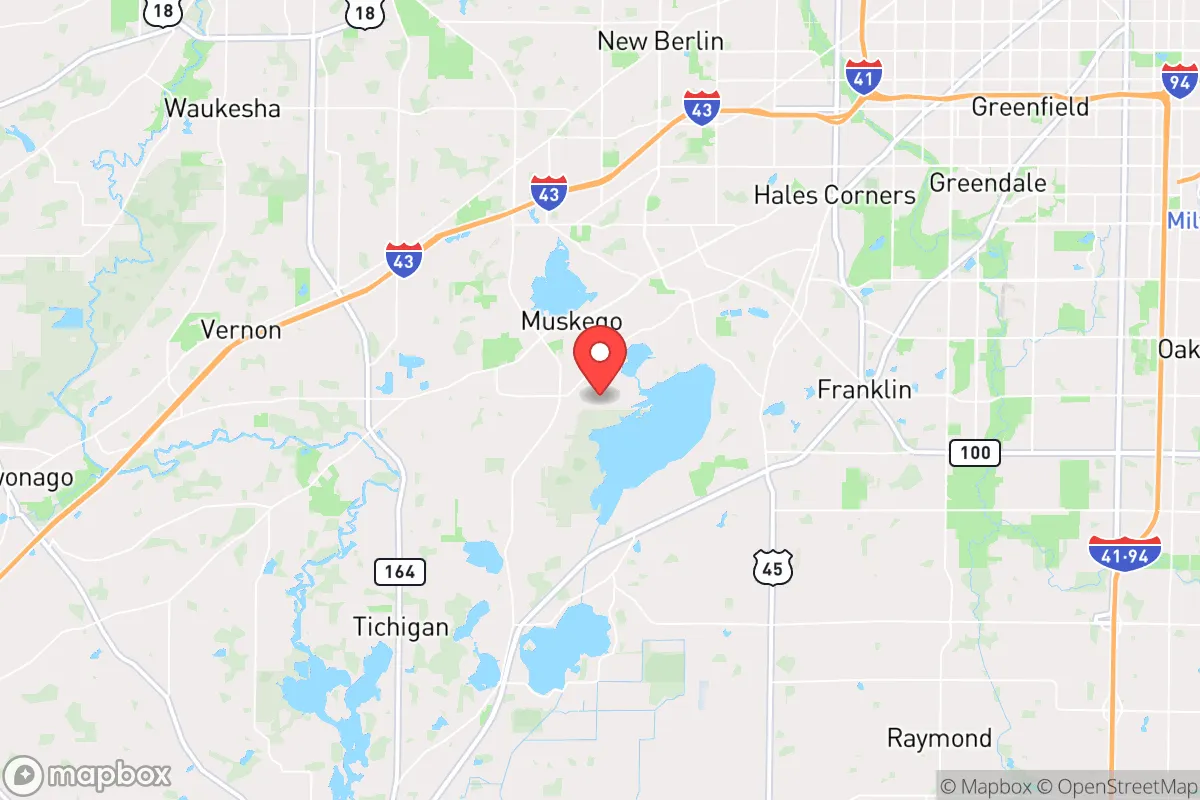
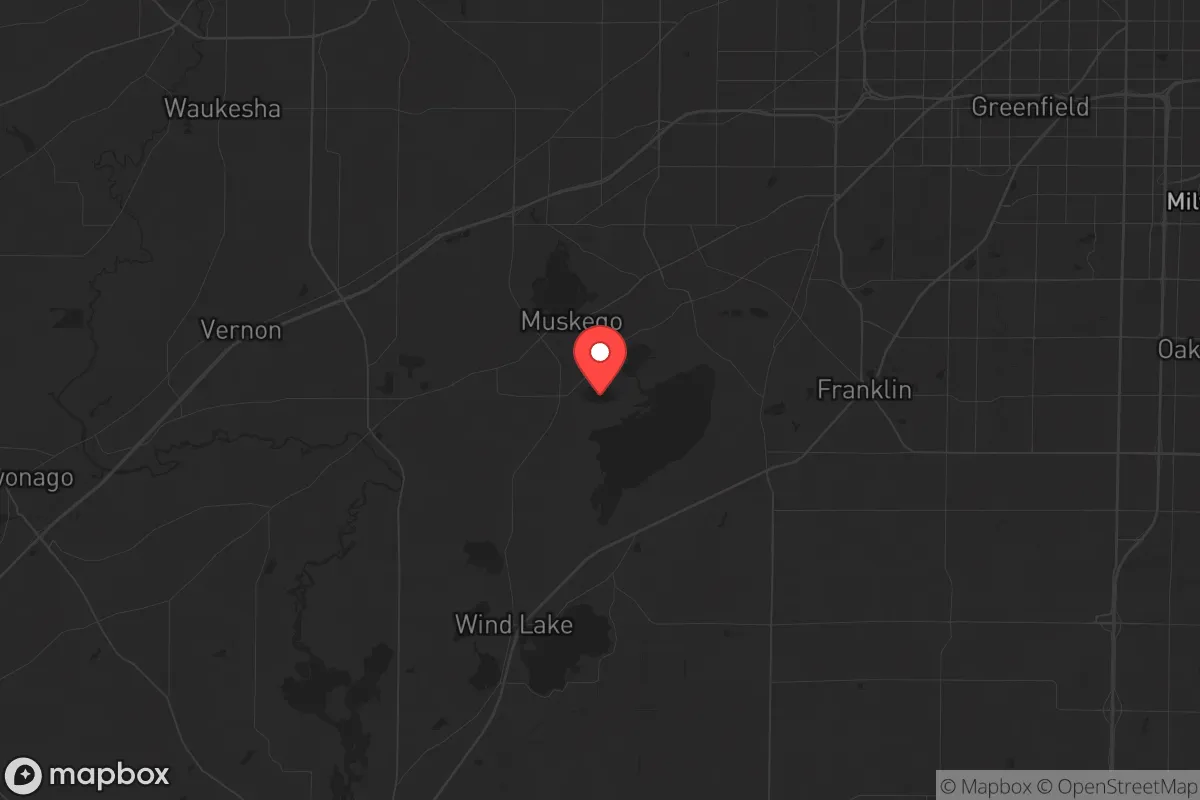
Muskego, Wisconsin, offers a compelling mix of strategic depth and practical resilience for those looking to insulate themselves from the volatility of modern urban life. Located in Waukesha County, roughly 20 miles southwest of Milwaukee, this city of about 25,000 residents sits in a sweet spot: close enough to access regional resources, but far enough from the immediate blast radius of a major metropolitan collapse. The area’s geography—rolling hills, abundant lakes, and a mix of farmland and forest—provides natural buffers against both civil unrest and the logistical choke points that plague larger cities. For a relocator with a prepper mindset, Muskego represents a calculated bet on stability, self-sufficiency, and community cohesion in an increasingly uncertain landscape.
Geographic position and natural advantages for long-term security
Muskego’s location is its primary strategic asset. The city sits on the western edge of the Milwaukee metro area, but the urban sprawl thins out quickly as you head west into Waukesha County. This places Muskego in a defensible position: it is not a primary target for civil unrest or infrastructure attacks that would likely concentrate on Milwaukee proper, but it remains within a 30-minute drive of major hospitals, supply chains, and transportation hubs like Mitchell International Airport and I-94. The area is part of the Kettle Moraine region, characterized by glacial ridges, hardwood forests, and over a dozen lakes within city limits. This topography offers natural cover, water resources, and a degree of isolation from the flat, open plains that make other parts of the Midwest vulnerable. The presence of multiple lakes—including Little Muskego Lake, Big Muskego Lake, and Lake Denoon—means surface water is abundant, a critical factor for any long-term survival scenario. The soil in the surrounding farmland is fertile, supporting local agriculture that could be leveraged for food production if supply chains falter. Muskego’s elevation, while modest, provides vantage points and reduces flood risk compared to low-lying areas closer to Lake Michigan.
Risks, exposures, and proximity to fallout-relevant landmarks
No location is without vulnerabilities, and Muskego has several that a strategic relocator must weigh. The most significant risk is its proximity to Milwaukee, a city of nearly 600,000 people with a history of civil unrest, including the 2020 riots that caused millions in damage and strained police resources. In a scenario of widespread societal breakdown, Milwaukee could become a source of refugees, looters, or organized criminal elements moving outward into the suburbs. Muskego is also within 50 miles of the Zion Nuclear Power Station in Illinois, a decommissioned plant that still houses spent fuel. While the risk of a catastrophic release is low, it is not zero, and prevailing winds from the southwest could carry fallout toward the area. Additionally, the city is near several major rail lines and highways (I-43, I-94) that could become targets for sabotage or choke points during a crisis. The presence of large lakes, while beneficial for water, also creates potential evacuation bottlenecks—most roads run north-south or east-west, and a single bridge or intersection closure could trap residents. Finally, Muskego’s reliance on the regional power grid and natural gas infrastructure means it is not energy-independent; a prolonged grid-down event would require backup generation or alternative energy sources.
Practical resilience for a relocator: food, water, energy, and defensibility
For a relocator serious about self-sufficiency, Muskego offers a workable baseline that can be improved with preparation. Water is the strongest asset: the abundance of lakes means that with proper filtration (e.g., Berkey filters, UV systems, or distillation), a household can secure drinking water indefinitely. The city’s municipal water comes from groundwater wells, which are less vulnerable to surface contamination than surface-water systems, but a power outage would still disable pumps. A well on private property is ideal, and many rural parcels in the area have them. Food security is moderate. The surrounding farmland produces corn, soybeans, and dairy, but these are industrial-scale operations, not smallholdings. A relocator would need to establish their own garden, raise chickens or rabbits, and build relationships with local farmers for barter or purchase. The area’s growing season is short (roughly May to September), so cold-hardy crops, greenhouses, and food storage (canning, dehydrating, root cellaring) are essential. Energy is the weakest link. Muskego is served by We Energies, and the grid is aging. Solar panels with battery storage are viable, but the region’s cloudy winters reduce output significantly. Wood heat is a practical supplement—many homes have fireplaces or wood stoves, and firewood is plentiful in the Kettle Moraine forests. Defensibility is mixed. Muskego is a suburban community with a low crime rate (violent crime is about 60% below the national average), but it is not a fortress. Homes are typically on quarter-acre to half-acre lots, with neighbors close enough to provide mutual aid but close enough to be a liability if trust breaks down. The city’s police department is well-funded and responsive, but in a prolonged crisis, law enforcement would be stretched thin. A relocator should prioritize a home with a basement (for shelter and storage), a perimeter that can be hardened (fencing, natural barriers), and a location away from main roads to reduce foot traffic.
The overall strategic picture for Muskego is one of cautious optimism. It is not a remote bunker—it is a suburban community with real exposure to urban decay and infrastructure fragility. But for a relocator who is willing to invest in preparation—solar panels, water filtration, food storage, and community building—Muskego offers a rare combination of natural resources, geographic buffer, and social stability. The conservative lean of Waukesha County (Trump won it by 18 points in 2020) means the local culture is generally pro-self-reliance, pro-Second Amendment, and skeptical of government overreach, which aligns with a prepper mindset. The key is to treat Muskego as a base of operations, not a final redoubt. Have a bug-out plan for the worst-case scenarios, but recognize that this area gives you a fighting chance to ride out the storm without having to disappear into the wilderness. In a world where the cracks in the system are widening, Muskego is a solid place to dig in and build a resilient life.

* Values derived from national, state, county, city and local statistics and may differ in a specific area. Last updated: 2026-04-21T10:06:43.000Z
Narrative content on this page is AI-generated and may contain mistakes. Verify any details that matter before acting on them.
ReloMaps may earn a commission from affiliate links at no extra cost to you.

