Political ClimatePolitical Climate in Muskego, WI
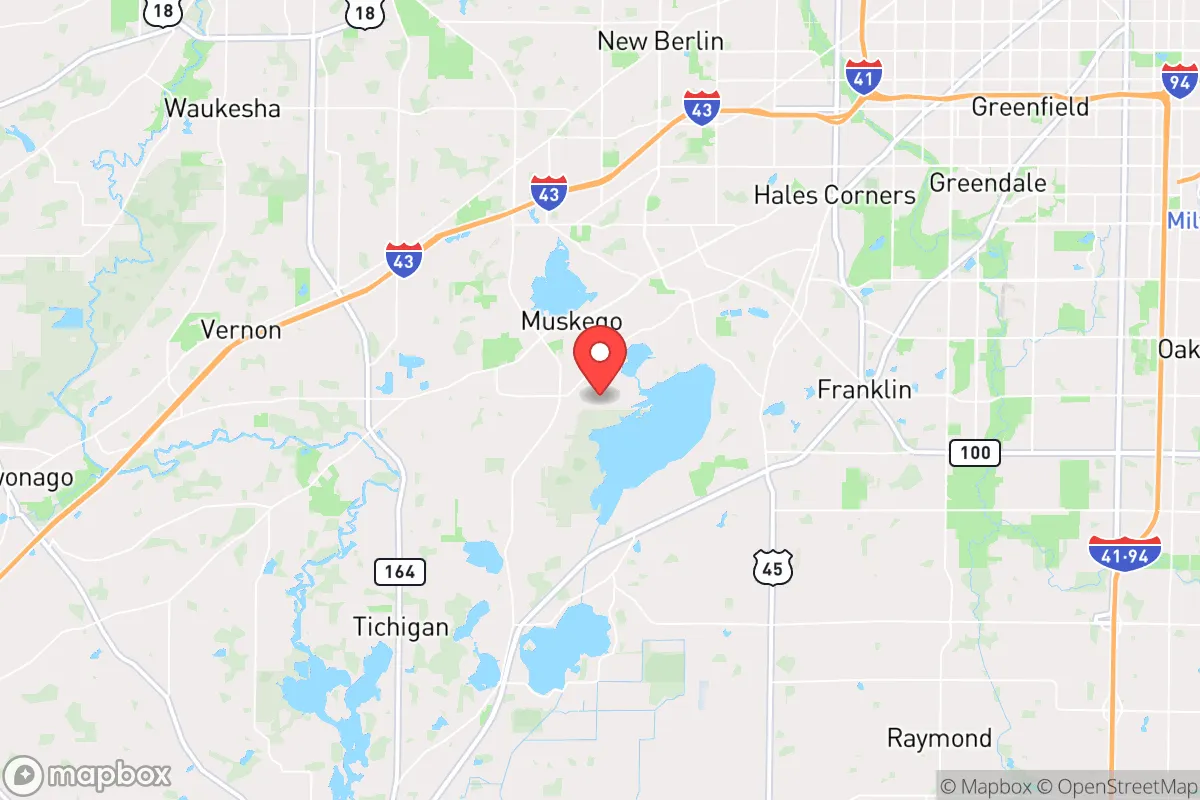
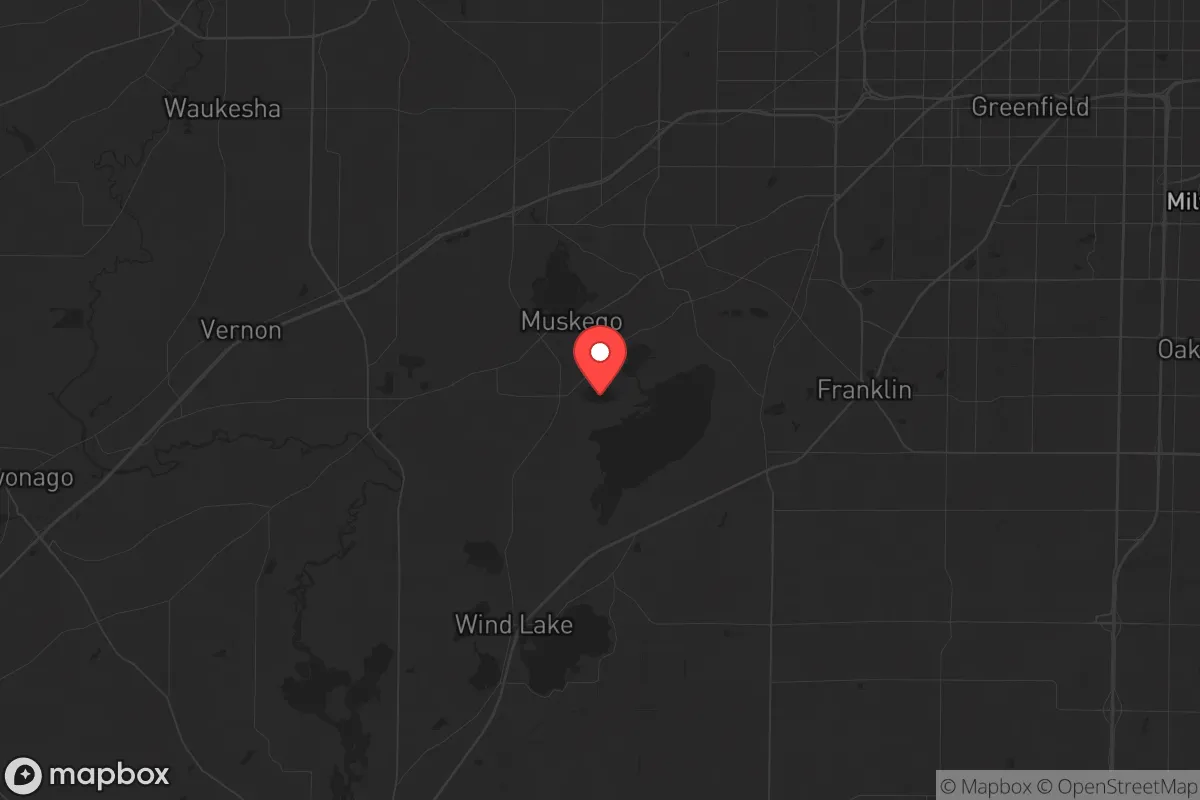
District shown is the primary district for this city’s centroid. Cities may span multiple districts.
Local Political AnalysisPolitical Analysis of Muskego, WI
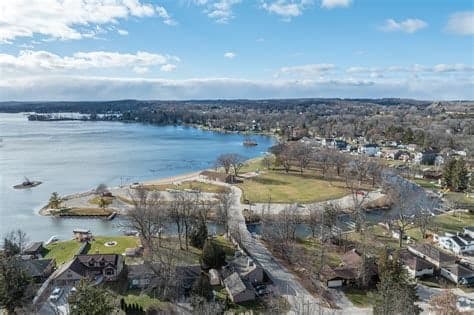
Muskego has long been a solidly conservative community, and the numbers back that up with a Cook PVI of R+11, meaning the area votes about 11 points more Republican than the national average. But if you’ve lived here as long as I have, you know the political climate isn’t just about election stats—it’s about a deep-seated belief in personal responsibility, limited government, and keeping bureaucrats out of your backyard. Over the last decade, Muskego has held its conservative ground, even as nearby suburbs like Wauwatosa or Shorewood have drifted leftward. The real story, though, is how the town has resisted the kind of progressive overreach that’s crept into Milwaukee County just a few miles east.
How it compares
Muskego sits in Waukesha County, which is arguably the most reliably Republican county in Wisconsin—think 60-70% GOP margins in most statewide races. That puts us in stark contrast to Milwaukee proper, where progressive policies on taxes, policing, and school choice have created a very different reality. Even within the metro area, Muskego feels like a different world from places like Brookfield or Elm Grove, which are also conservative but tend to be more establishment-Republican. Here, the vibe is more libertarian-leaning: folks are skeptical of mask mandates, vaccine passports, and any zoning rules that tell you what you can do with your own land. Compared to New Berlin or Franklin, Muskego has a stronger rural streak, with more acreage and a “live and let live” attitude that’s increasingly rare in southeastern Wisconsin.
What this means for residents
For the average person, Muskego’s political climate means lower taxes and fewer headaches from government overreach. The city council and school board have consistently pushed back against state-level mandates that feel like one-size-fits-all solutions, especially around COVID-era restrictions and curriculum debates. Property taxes are reasonable for the area, and there’s a general trust that local officials won’t meddle in your personal choices—whether that’s homeschooling, running a small business from your garage, or carrying a firearm. That said, the long-term trend is a bit concerning. As Milwaukee’s urban sprawl creeps west, we’re seeing more transplants who bring big-city voting habits. If that continues, we could see a slow erosion of the fiscal conservatism and individual freedoms that make Muskego work. The 2024 election showed the base is still strong, but complacency is a real risk.
Culturally, Muskego stands out for its no-nonsense approach to policy. You won’t find the kind of performative activism you see in Madison or Milwaukee—no bike lane wars, no sanctuary city debates, no public art controversies. The town’s identity is rooted in hunting, fishing, and family-owned businesses, and the local government reflects that. The biggest political fights here tend to be about land use and school funding, not social experiments. If you’re looking for a place where the government stays out of your way and your vote actually counts for something, Muskego is still that place. But keep an eye on the next few election cycles—if the progressive wave that’s hit other suburbs starts lapping at our shores, it’ll be up to us to hold the line.

State Political ClimatePolitical Climate in Wisconsin
State Political AnalysisPolitical Environment in the State
Wisconsin is a classic purple state that has been trending redder in recent cycles, but it remains a battleground where the outcome of any statewide election is never a sure thing. The state’s political identity is split between the reliably Democratic, union-heavy Milwaukee metro area and the increasingly conservative, rural and exurban counties that make up the rest of the state. Over the last 20 years, the state has shifted from a reliable blue-leaning swing state to a true toss-up, with Republicans winning the governorship and legislature for most of the last decade, while Democrats have held onto the U.S. Senate seat and the presidential vote has flipped back and forth by razor-thin margins.
Urban vs. rural divide
The political map of Wisconsin is a textbook example of the urban-rural split. Milwaukee County, home to the city of Milwaukee, is the Democratic stronghold, delivering margins of 60-70% for Democratic candidates. Dane County, anchored by Madison, is even more liberal, often pushing 70-80% Democratic. These two counties alone can offset the rest of the state, but they are increasingly isolated. The rest of Wisconsin is dominated by red counties, with the most conservative areas being the WOW counties (Waukesha, Ozaukee, and Washington) that ring Milwaukee. These suburbs have become even more Republican as the city has grown more Democratic. Further north, the rural Northwoods counties like Vilas and Oneida are reliably red, while the western border counties like St. Croix and Pierce are trending red as Twin Cities refugees move in. The key battleground is the Fox Valley, anchored by Green Bay and Appleton, where the vote is competitive but has been leaning Republican in recent cycles. The 2020 presidential election saw Trump win the state by just over 20,000 votes, with the rural and exurban vote overwhelming the urban centers.
Policy environment
Wisconsin’s policy environment is a mixed bag for conservatives. On the positive side, the state has a flat income tax of 4.4% (down from a top rate of 7.65% a decade ago), and property taxes are relatively low compared to neighboring Illinois and Minnesota. The state is a right-to-work state, which has weakened union power significantly. However, the state has a high gas tax and a relatively high sales tax (5% state, plus local options up to 1.5%). Education policy is a bright spot: Wisconsin has a robust school choice program, including the Milwaukee Parental Choice Program, which allows low-income families to use public funds for private or religious schools. The state also has open enrollment between districts. On the downside, the state’s election laws have been a flashpoint. Wisconsin uses a bipartisan election commission, but the 2020 election saw significant controversy over ballot drop boxes and the use of private grants to fund election administration. The legislature has since passed laws banning private funding and limiting drop boxes, but the state remains a legal battleground over election integrity. Healthcare is largely market-driven, but the state did expand Medicaid under the Affordable Care Act, which remains a sore point for many conservatives.
Trajectory & freedom
Wisconsin’s trajectory on personal freedom is a tug-of-war. On the positive side, the state has seen a significant expansion of gun rights. In 2011, Wisconsin became a shall-issue state for concealed carry, and in 2023, the legislature passed a bill allowing permitless carry, which was signed into law by Governor Tony Evers. This is a major win for Second Amendment advocates. On parental rights, the state has seen a push for school transparency, with a 2023 law requiring schools to post curriculum and instructional materials online. However, the state has not passed a broad parental rights bill like Florida’s. On medical autonomy, Wisconsin has a 1849 abortion ban that was triggered by the Dobbs decision, but it is currently blocked by a court challenge. The state’s Supreme Court flipped to a 4-3 liberal majority in 2023, and that court is expected to strike down the ban, which would be a major loss for pro-life advocates. On property rights, the state has relatively weak eminent domain protections, and local zoning can be restrictive, especially in liberal cities like Madison. The state’s tax burden is moderate but has been trending downward, with the flat tax being phased in over several years. Overall, the state is becoming more free on guns and taxes, but less free on abortion and potentially on election integrity.
Civil unrest & political movements
Wisconsin has a history of intense political activism. The 2011 Act 10 protests in Madison, which saw over 100,000 people occupy the state capitol to protest public sector union reforms, were a defining moment. More recently, the 2020 Kenosha unrest, following the shooting of Jacob Blake, saw riots, arson, and the killing of two protesters by Kyle Rittenhouse, which became a national flashpoint over self-defense and the right to bear arms. The state has a strong grassroots conservative movement, particularly in the WOW counties and the Northwoods, with active groups like the Wisconsin Family Action and the Wisconsin Institute for Law & Liberty. On the left, the state has a powerful labor movement, particularly in Milwaukee and Madison, and a growing progressive activist base that has successfully flipped the state Supreme Court. Immigration politics are less intense than in border states, but there is a growing concern over illegal immigration in rural areas, particularly in dairy farming communities that rely on migrant labor. The state has no sanctuary city policies, and Milwaukee has been a target of conservative criticism for its handling of crime and homelessness. Election integrity remains a hot-button issue, with ongoing lawsuits over voter ID laws, drop boxes, and the 2020 results. A new resident would notice the political polarization in the media and in local conversations, but the state is generally civil in day-to-day life.
Projection
Over the next 5-10 years, Wisconsin is likely to remain a battleground, but the demographic trends favor Republicans. The state is seeing significant in-migration from Illinois and Minnesota, with many newcomers being conservative-leaning families and retirees moving to the WOW counties, the Fox Valley, and the Northwoods. The Milwaukee metro area is losing population, while the suburbs and exurbs are growing. The state’s electoral map is likely to shift slightly redder, but the state Supreme Court will remain a key battleground. The 2024 election will be a test of whether the state is truly trending red or just oscillating. If the state Supreme Court strikes down the abortion ban, it could energize the pro-life movement and lead to a push for a constitutional amendment to ban abortion. The state’s tax burden will likely continue to decrease, and school choice will likely expand. However, the state’s election laws will remain a source of conflict, and the possibility of a Democratic trifecta in the future (if the legislature flips) could lead to a rollback of conservative gains. A new resident moving in now should expect to live in a state that is politically competitive, with a conservative tilt in the legislature and a liberal tilt in the courts, and where the outcome of any election is never certain.
For a conservative family or individual considering a move to Wisconsin, the bottom line is this: you will find a state that is broadly friendly to your values in the suburbs and rural areas, with low taxes, strong gun rights, and school choice. You will also find a state where the cities are deeply liberal and where the courts are a wild card. If you choose to live in the WOW counties, the Fox Valley, or the Northwoods, you will be in a community that shares your political outlook. If you choose to live in Madison or Milwaukee, you will be in a liberal enclave. The state’s political future is uncertain, but the trend is in your favor. Just be prepared for a fight every election cycle.
* Values derived from national, state, county, city and local statistics and may differ in a specific area. Last updated: 2026-04-21T10:06:43.000Z
Narrative content on this page is AI-generated and may contain mistakes. Verify any details that matter before acting on them.
ReloMaps may earn a commission from affiliate links at no extra cost to you.

