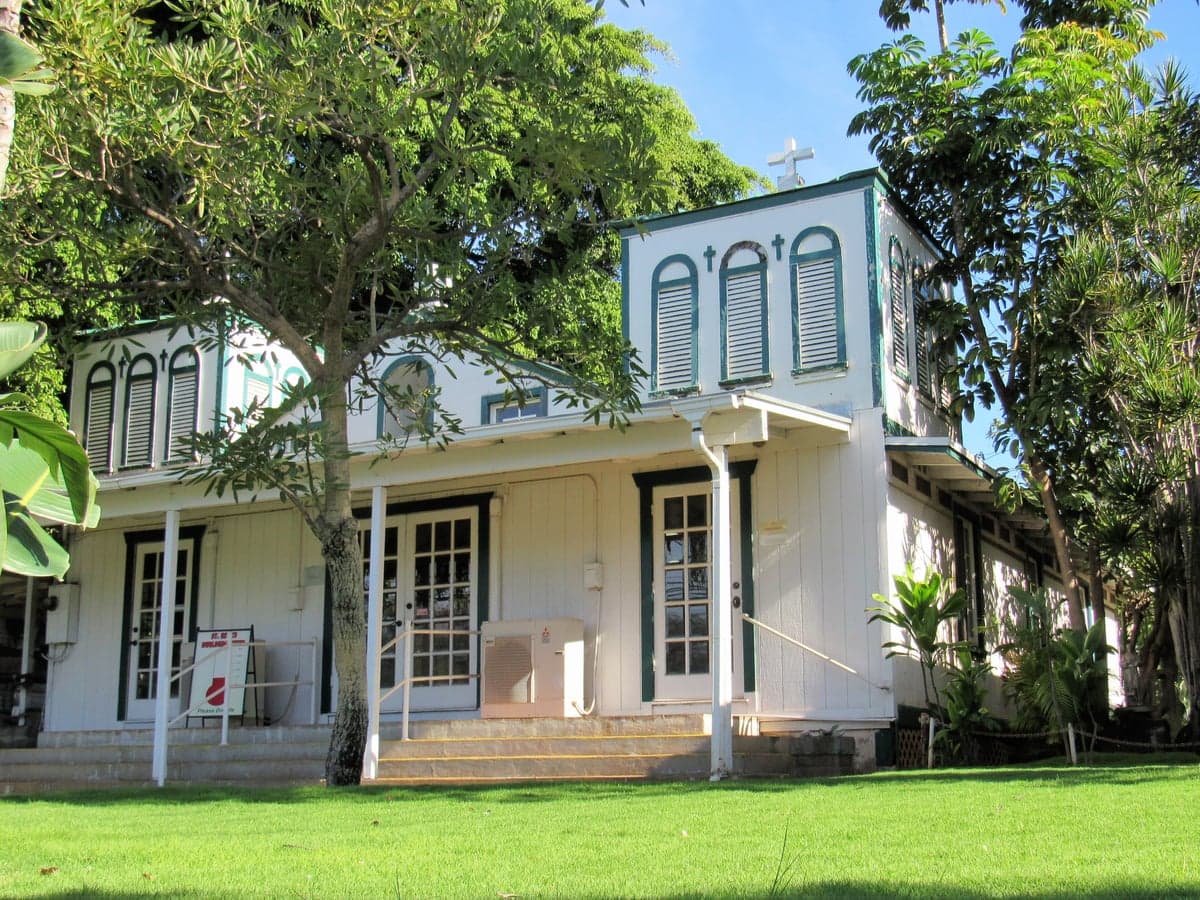
Photo: Wikipedia
Demographics of Nanakuli, HI
Affluence Level in Nanakuli, HI
A middle-class area roughly in line with national averages across income, home values, education, and employment.
People of Nanakuli, HI
Today, Nanakuli is a predominantly Native Hawaiian and Pacific Islander community of 12,282 residents, where over 80% of the population identifies as such, giving it one of the highest concentrations of Indigenous Pacific Islanders in the state. The city feels more like a rural Hawaiian village than a suburban Honolulu exurb, with a tight-knit, family-oriented character and a strong sense of place rooted in the ahupuaʻa (traditional land division) system. English is the primary language, but Hawaiian language and cultural practices remain visible in daily life, from street names to community events. With a median age of 33 and a low college attainment rate of 10.2%, Nanakuli is a young, working-class community that has retained its local identity despite its proximity to Oʻahu's tourist corridor.
How the city was settled and grew
Nanakuli's human history begins with Native Hawaiians, who inhabited this leeward coast for centuries as part of the Waiʻanae moku (district). The area was traditionally a fishing and farming community, with taro loʻi (pondfields) and fishponds along the coast. After the 1848 Māhele land division, much of the land was granted to Hawaiian commoners, and the area remained overwhelmingly Native Hawaiian through the 19th century. The first major non-Hawaiian arrivals were Portuguese and Chinese plantation workers in the late 1800s, but they were few in Nanakuli compared to the sugar plantations of central Oʻahu. The real demographic shift came after World War II, when the U.S. military expanded its presence on the island and the state began building affordable housing for veterans and working families. The Nanakuli Homestead subdivision, developed in the 1950s under the Hawaiian Homes Commission Act, specifically reserved land for Native Hawaiians and drew families from across the islands. This created a concentrated Hawaiian community in the Māʻiliʻili and Lualualei areas, which remain the historic core of the Native Hawaiian population today. The Kaukama Road corridor and Haleakala Avenue neighborhoods were built out in the 1960s and 1970s, absorbing the post-statehood wave of families moving from rural Molokaʻi and the Big Island.
Modern era (post-1965)
After the 1965 Hart-Cellar Act, Nanakuli saw only a modest increase in foreign-born residents—today just 3.3% of the population is foreign-born, far below the state average. The city did not experience the large-scale Asian immigration that reshaped Honolulu and ʻAiea. Instead, the post-1965 story is one of domestic migration: Native Hawaiian families from other islands continued to move into the area, drawn by the Hawaiian Homes land leases and the existing cultural infrastructure. The Nānākuli Beach Park area and the Puʻu o Hulu subdivision became hubs for younger families in the 1980s and 1990s. The white population, never large, has declined to just 4.7%, while the Hispanic share has grown to 12.5%, largely through intermarriage with Native Hawaiian families and some migration from the U.S. mainland. The East/Southeast Asian population (4.6%) is mostly Filipino and Japanese, concentrated in the Mākaha Valley side of the census tract. The Black population (0.6%) and Indian subcontinent population (0.0%) are negligible. The Lualualei Naval Magazine, a major employer through the Cold War, closed in the 1990s, removing a key source of non-Hawaiian residents and reinforcing the community's Native Hawaiian character.
The future
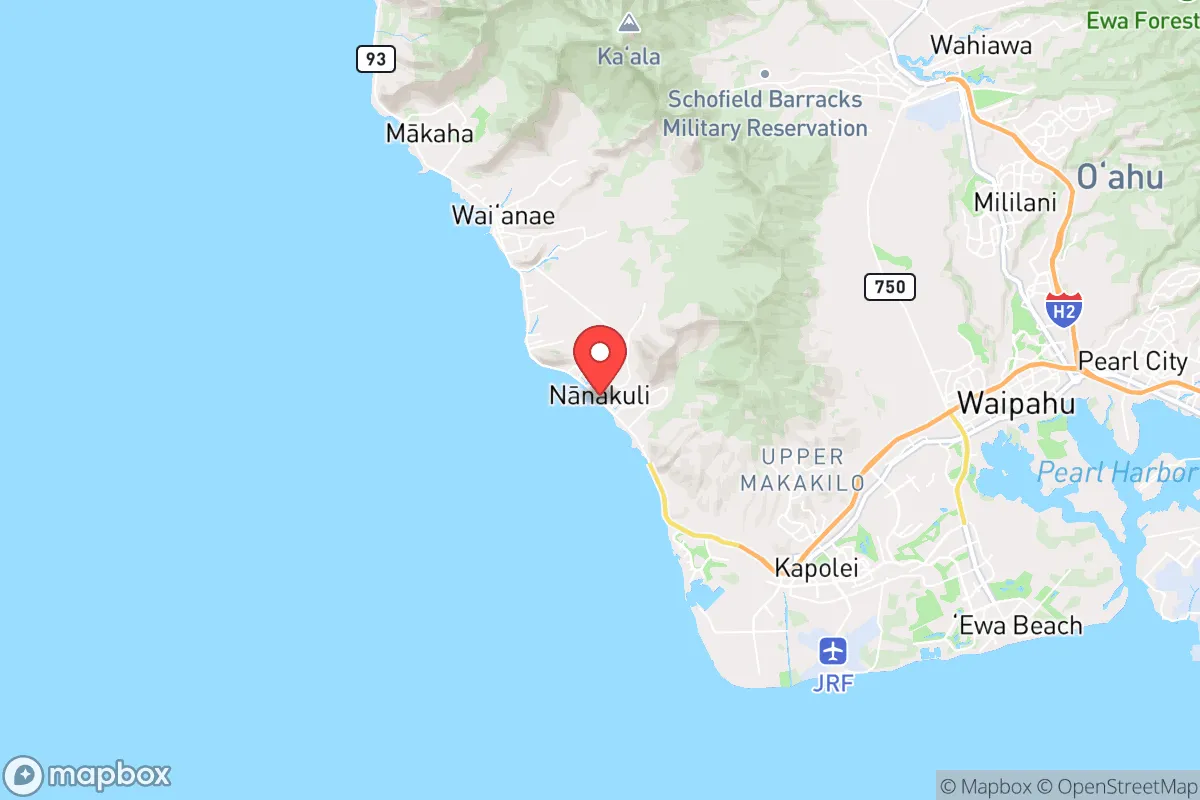
Nanakuli's population is projected to remain overwhelmingly Native Hawaiian and Pacific Islander, with slow growth driven by natural increase rather than in-migration. The city's housing stock is dominated by Hawaiian Homes leasehold properties, which restrict resale to Native Hawaiians, effectively limiting demographic change. The Hispanic share may continue to grow slowly through intermarriage, but the community is not tribalizing into distinct enclaves—it is homogenizing around a shared local identity that blends Hawaiian and working-class Pacific Islander culture. The college attainment rate of 10.2% is among the lowest in the state, and the median household income of roughly $55,000 is below the Oʻahu average, suggesting that upward mobility and out-migration of educated young adults will continue to shape the population. New development is limited by the narrow coastal plain and the presence of the Waiʻanae Mountain Range, so the population density is unlikely to increase dramatically. The next 10-20 years will likely see a stable, aging Native Hawaiian core, with younger families moving to more affordable areas on the mainland or to other Hawaiian Home Lands on neighbor islands.
For a conservative-leaning individual or family considering relocation, Nanakuli offers a culturally cohesive, family-centric community with strong social ties and a low crime rate relative to the rest of the Waiʻanae Coast. However, the limited economic opportunity, low educational attainment, and leasehold land tenure system mean that newcomers—especially non-Hawaiians—will face significant barriers to homeownership and may find themselves as cultural outsiders. This is a place for those who value deep community roots and a slower pace of life, not for those seeking upward mobility or demographic diversity.

* Values derived from national, state, county, city and local statistics and may differ in a specific area. Last updated: 2026-05-01T11:40:00.000Z
Narrative content on this page is AI-generated and may contain mistakes. Verify any details that matter before acting on them.
ReloMaps may earn a commission from affiliate links at no extra cost to you.

