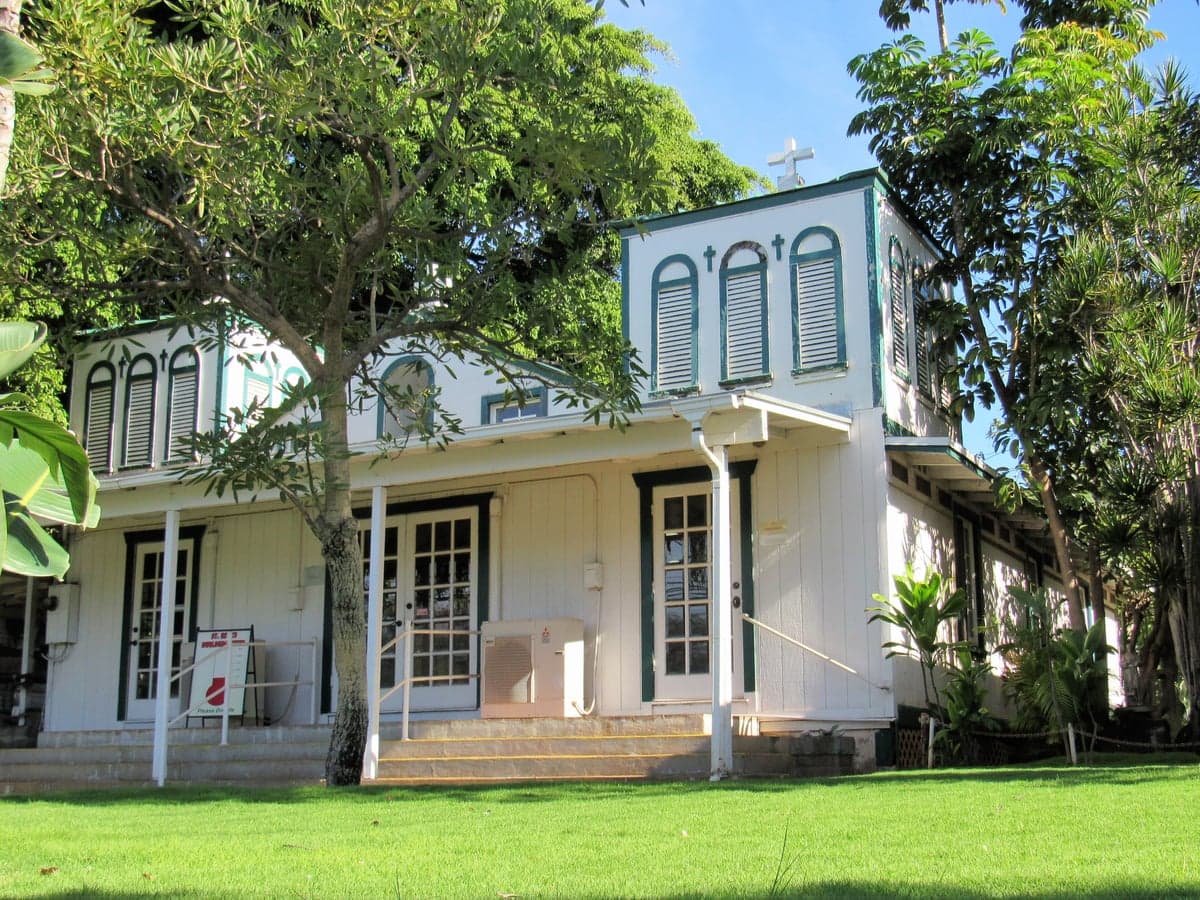
Photo: Wikipedia
Quality of Life in Nanakuli, HI
A high quality of life with strong walkability, manageable living costs, healthy neighborhood signals, and solid amenity access.
What does Quality of Life tell us?
Quality of Life blends cost of living, nearby amenities, socioeconomic signals, and neighborhood character. City-level scores represent the whole municipality; individual neighborhoods can differ.
What does this tell us?
Quality of Life blends cost of living, nearby amenities, socioeconomic signals, and neighborhood character. City-level scores represent the whole municipality; individual neighborhoods can differ.
Cost of Living
53% above national average
The Real Cost of Living in Nanakuli, HI for 2026
| Tier | Individual | Family (4) |
|---|---|---|
| Survival | $27k | $50k |
| Comfortable | $91k | $134k |
| Luxury | $134k+ | $208k+ |
| Elite (Top 5%) | $158k+ | $244k+ |
61%
The Area Signal
A metric tracking the socioeconomic signals of the area.
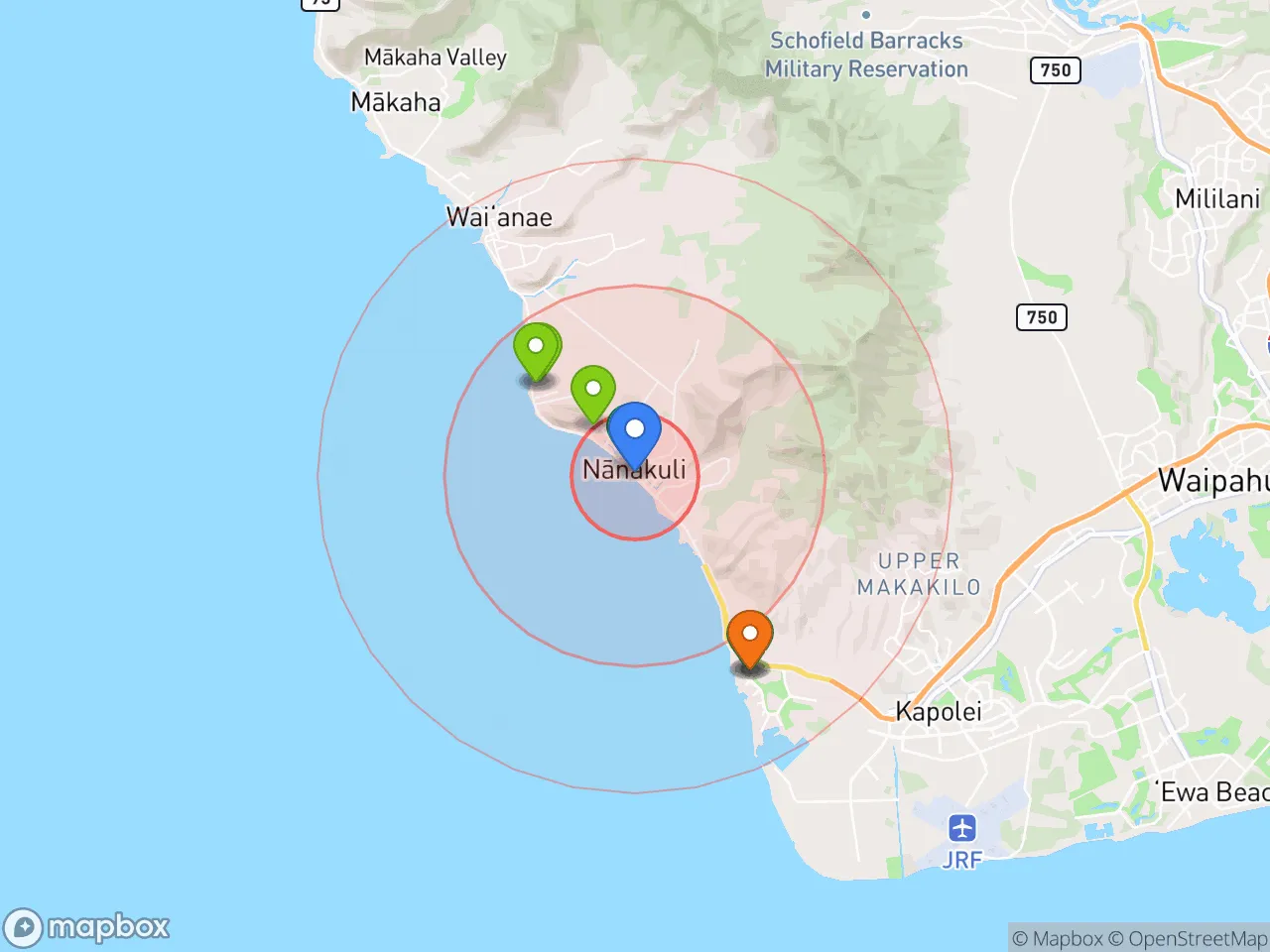
Hobbies
Explore the areaGroceries
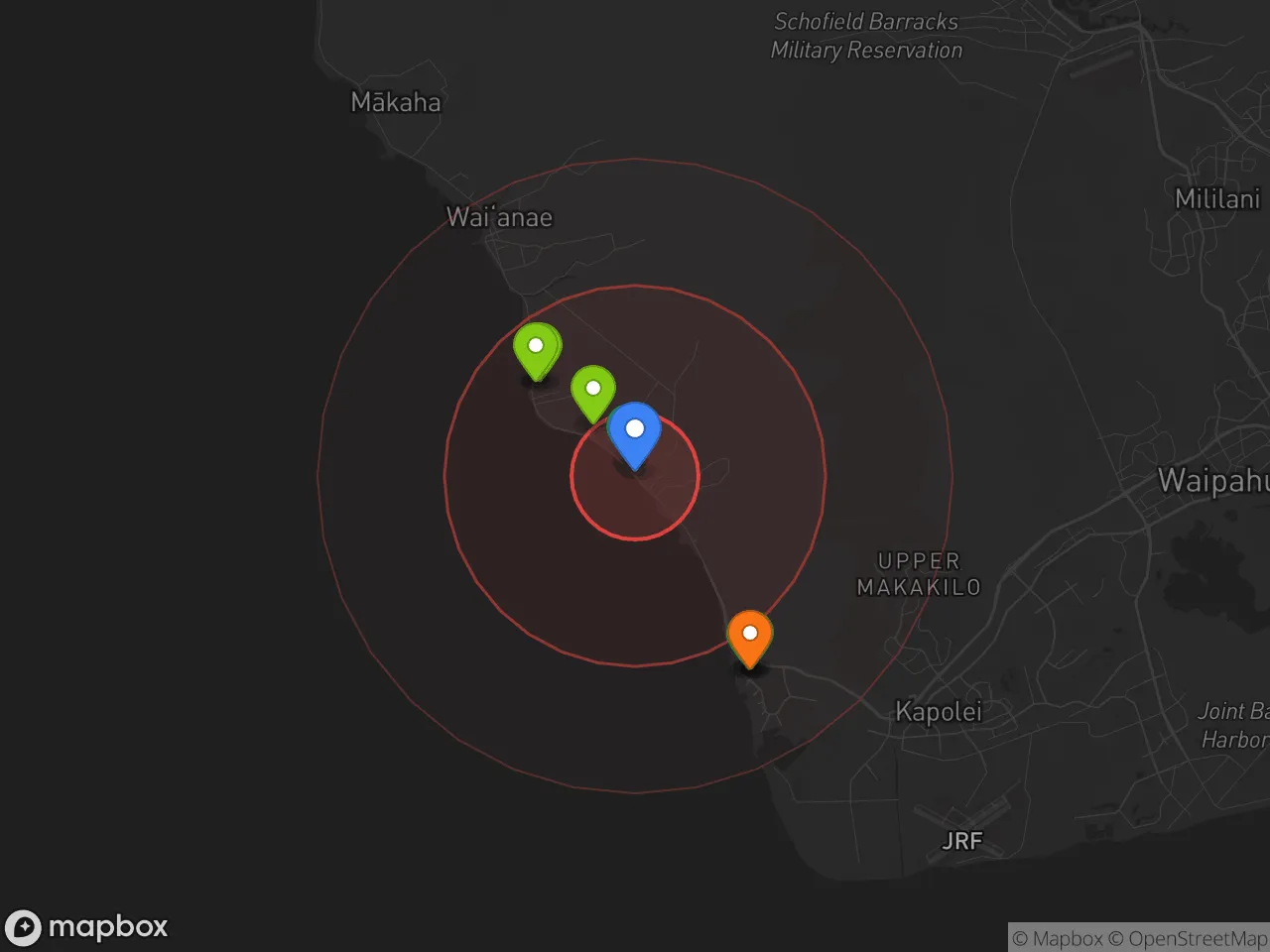
3 within 10 miles
Gas
20 within 10 miles
Hospital
10 within 20 miles
Airport
Daniel K. Inouye International Airport
Post Office
USPS — Mililani, HI
Critical Amenities
Quality-of-Life Analysis
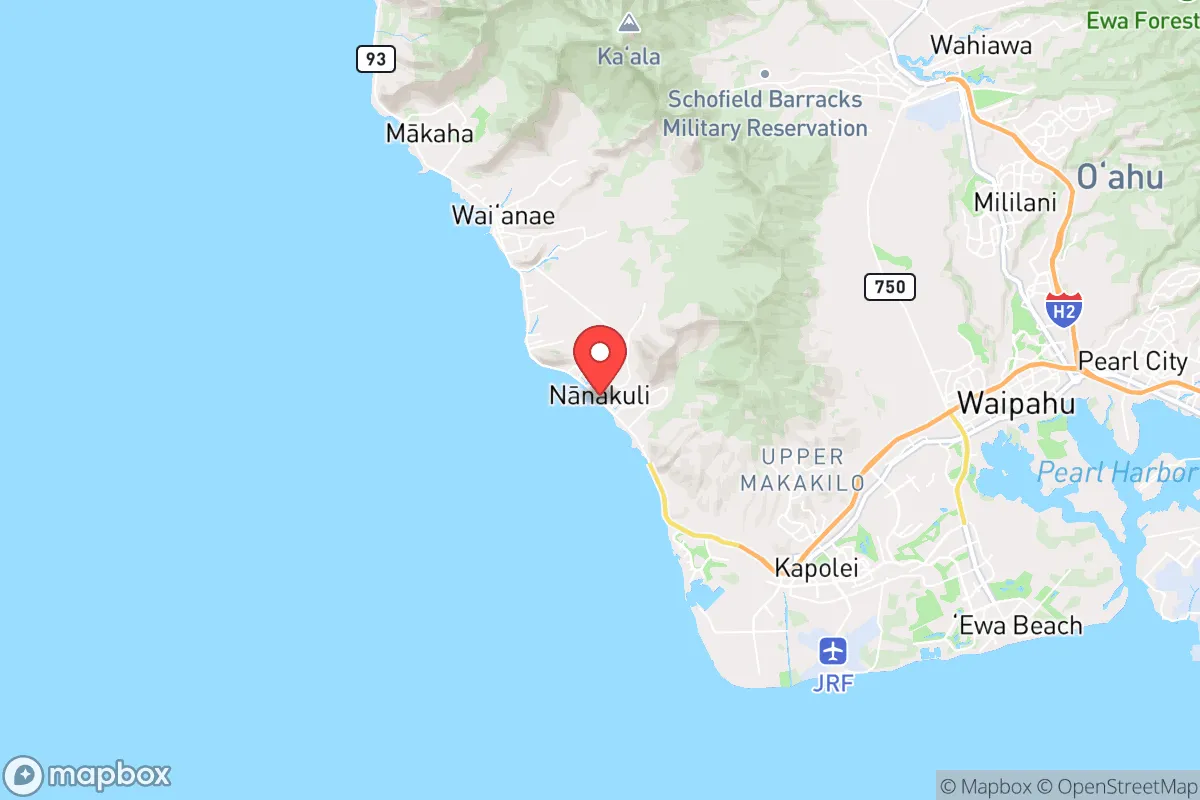
Nanakuli, a leeward Oahu community along the Farrington Highway corridor, presents a distinct quality-of-life profile that diverges sharply from the stereotype of affluent Hawaii. With a cost-of-living index of 153 (53% above the U.S. average) and a median home value of $473,000, the area is more affordable than Honolulu proper but remains expensive by mainland standards. The population is predominantly Native Hawaiian and Pacific Islander, with a strong sense of extended-family living and a slower, more rural pace than urban Honolulu. This is not a resort community; it is a working-class bedroom suburb where multi-generational households and long commutes are the norm.
Cost of living, housing affordability, and how Nanakuli compares to nearby areas
Nanakuli’s cost-of-living index of 153 is significantly lower than Honolulu’s index of roughly 180–190, but still far above the national baseline. The median home value of $473,000 is about $200,000 less than the median on Oahu as a whole, making it one of the more attainable entry points for homeownership on the island. Median rent sits at $1,671, which undercuts the Honolulu metro average by several hundred dollars per month. However, these lower prices come with trade-offs: the average commute of 37.9 minutes is among the longest on Oahu, driven by the single arterial road (Farrington Highway) that connects Nanakuli to job centers in Kapolei, Pearl Harbor, and downtown Honolulu. Traffic congestion is a daily reality, and public transit options are limited to TheBus routes that run along the highway. For renters and buyers willing to accept the commute, Nanakuli offers a rare pocket of relative affordability in an otherwise prohibitively expensive island housing market.
Local amenities, schools, and what daily life feels like in Nanakuli
Daily life in Nanakuli revolves around the ocean, family, and a tight-knit community. The area lacks the shopping malls and entertainment districts of East Oahu; instead, residents rely on the Nanakuli Shopping Center for groceries and basic services, and travel to Kapolei (10–15 minutes by car) for larger retail and dining options. The public schools—Nanakuli Elementary, Nanakuli Intermediate, and Nanakuli High & Intermediate—serve the community but have historically struggled with lower test scores and higher poverty rates compared to West Oahu schools in Kapolei or Mililani. For recreation, the coastline offers Nanakuli Beach Park and Lualualei Beach Park, popular for fishing, picnicking, and weekend gatherings. The cultural rhythm is distinctly local: community events often center on Hawaiian language, hula, and canoe paddling, and the pace of life is noticeably slower than in tourist-heavy Waikiki or suburban Kapolei. The area’s isolation from the rest of the island fosters a strong sense of identity but also limits access to specialized healthcare, higher education, and professional job opportunities.
Who thrives in Nanakuli? The community best suits families and individuals who prioritize affordability and cultural connection over convenience and amenities. It works well for people with jobs in Kapolei or the Pearl Harbor area who can tolerate the commute, and for those who value a strong, locally rooted community where multi-generational living is common. It is less ideal for remote workers who need fast internet (infrastructure is improving but inconsistent), for retirees seeking walkable urban amenities, or for newcomers who expect the polished resort experience of other Hawaiian destinations. Nanakuli offers a genuine, unfiltered slice of local life—but only for those ready to embrace its trade-offs.

Crime in Nanakuli, HI
Generally safer than 64% of comparable U.S. locations.
Violent CrimeViolent Crime Analysis
Property CrimeProperty Crime Analysis
Crime Analysis
Nanakuli, a census-designated place on Oahu's leeward coast, presents a mixed safety picture that diverges sharply from the rest of Honolulu County. While its violent crime rate is notably lower than the national average, property crime is significantly elevated, creating a risk profile that demands careful consideration from potential residents. The area's proximity to Honolulu's broader metro area, combined with local socioeconomic factors, shapes a security environment where property-related offenses are the primary concern.
Crime in context
Nanakuli's violent crime rate of 200.2 incidents per 100,000 residents is well below the U.S. national average of roughly 380 per 100,000, placing it in a safer bracket for serious offenses like homicide, assault, and robbery. However, the property crime rate of 1,586.9 per 100,000 substantially exceeds the national average of approximately 1,954 per 100,000—though it remains lower than many mainland urban centers. Compared to Honolulu County as a whole, which reports a property crime rate near 2,800 per 100,000, Nanakuli's figure is actually lower, but it still represents a tangible risk for theft, burglary, and vehicle break-ins. The broader context includes Hawaii's progressive judicial philosophy, which emphasizes rehabilitation over incarceration; this approach, while intended to reduce recidivism, has been criticized for contributing to higher property crime rates in areas with concentrated poverty, as offenders face fewer deterrents.
What residents experience
Daily life in Nanakuli involves a heightened awareness of property security. Residents commonly report vehicle break-ins, package theft, and occasional burglaries, particularly in neighborhoods with limited street lighting or proximity to major roads like Farrington Highway. The community's tight-knit nature partially offsets these risks, with neighborhood watch efforts and informal networks helping to deter some crime. Violent incidents are rare but not unheard of, often tied to domestic disputes or isolated altercations rather than random street violence. The presence of progressive district attorneys in Honolulu County, who prioritize alternatives to incarceration for non-violent offenders, means that property crime suspects may face minimal consequences, potentially emboldening repeat offenses. For families and retirees, this translates into practical steps like installing security cameras, using steering wheel locks, and avoiding leaving valuables in vehicles.
Neighborhood-level variation
Crime in Nanakuli is not evenly distributed. The area closest to the coast, including the Nanakuli Beach Park vicinity, sees higher rates of property crime due to tourist traffic and transient populations. Inland residential streets, particularly those off Kaukama Road and Haleakala Avenue, tend to be quieter, with lower incident rates. The Maili neighborhood immediately to the west reports similar property crime challenges, while the more affluent Makaha area to the north has slightly lower rates. Prospective residents should prioritize homes with secure parking and consider properties on cul-de-sacs or dead-end streets, which statistically see fewer break-ins. Overall, Nanakuli offers a lower violent crime risk than many mainland cities, but its property crime environment, shaped in part by local justice policies, requires proactive security measures.
* Values derived from national, state, county, city and local statistics and may differ in a specific area. Last updated: 2026-05-01T11:40:00.000Z
Narrative content on this page is AI-generated and may contain mistakes. Verify any details that matter before acting on them.
ReloMaps may earn a commission from affiliate links at no extra cost to you.

