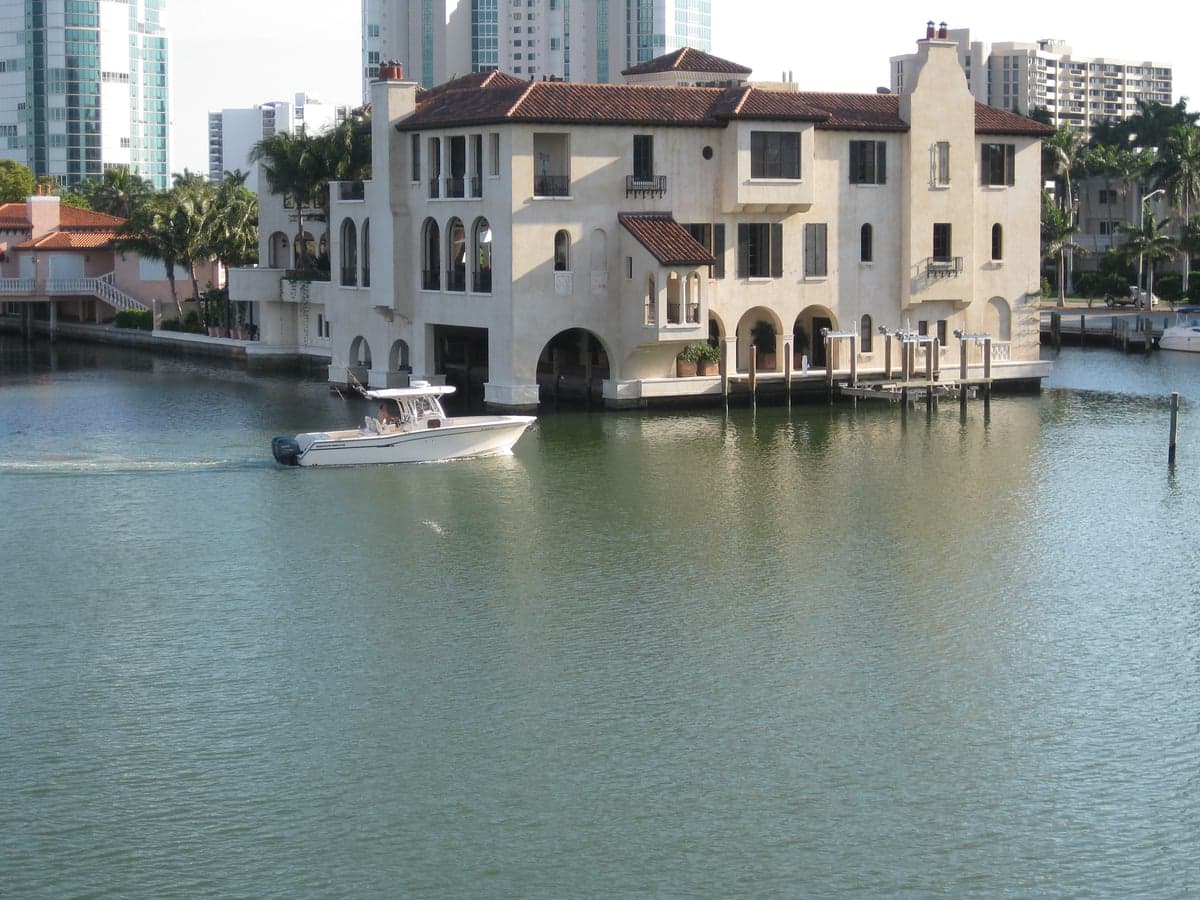
Photo: Wikipedia
Demographics of Naples, FL
Affluence Level in Naples, FL
A wealthy area with high-earning, well-educated households. Incomes, home values, and educational attainment meaningfully outpace national averages.
People of Naples, FL
The people of Naples, Florida today form a predominantly white, highly educated, and affluent population of 19,421, with a notably low foreign-born share of 4.8% and a median age well above the national average. The city’s character is defined by its role as a seasonal and retirement destination for upper-income professionals and families from the Midwest and Northeast, creating a culture centered on golf, beaches, and philanthropy. Distinctive identity markers include a strong conservative political lean, a high concentration of college graduates at 63.7%, and a social fabric that remains largely homogeneous despite modest Hispanic (4.8%) and Black (4.5%) populations. The city feels more like an exclusive enclave than a diverse melting pot, with daily life oriented around private clubs, gated communities, and high-end retail corridors like Fifth Avenue South.
How the city was settled and grew
Naples was founded in the late 1880s as a winter resort for wealthy Northerners, bypassing the colonial and agricultural phases that shaped older Florida cities. The original population consisted of affluent families from the Midwest and Northeast who built seasonal homes along the Gulf of Mexico, with the historic Old Naples neighborhood—bounded by the Gulf and Gordon Drive—serving as the original settlement core. The city’s growth remained slow through the early 20th century, limited by its remote location and lack of rail access until the 1920s. The Tamiami Trail (U.S. 41) opened in 1928, connecting Naples to Tampa and Miami, which spurred a second wave of domestic migrants—retirees and small-business owners—who settled in the Lake Park and Coquina Sands neighborhoods. These areas, developed in the 1930s-1950s, feature modest ranch homes and remain middle-class enclaves within an otherwise wealthy city. The population remained overwhelmingly white and native-born through the mid-20th century, with no significant immigrant or minority settlement during this period.
Modern era (post-1965)
After the 1965 Immigration and Nationality Act, Naples did not experience the large-scale immigrant influx seen in other Florida cities. Instead, the post-1965 era was defined by accelerated domestic in-migration from the Rust Belt and Northeast, driven by corporate relocations, second-home purchases, and retirement migration. The Pelican Bay neighborhood, developed in the 1970s as a master-planned luxury community, became the primary landing zone for affluent newcomers, featuring gated golf-course villas and a private beach club. The Vanderbilt Beach area, north of the city limits, absorbed a slightly younger demographic of professionals and families drawn to newer construction and proximity to the beach. The city’s Hispanic population grew modestly from near-zero in 1960 to 4.8% today, concentrated in service-industry roles and living primarily in the East Naples area (outside the city limits but functionally connected). The Black population, at 4.5%, is largely concentrated in the River Park neighborhood, a historically African American community that predates the city’s incorporation and remains a distinct enclave. East/Southeast Asian communities (0.8%) and Indian-subcontinent residents (0.4%) are small and dispersed, with no single ethnic enclave. The city’s racial and ethnic composition has remained remarkably stable since 2000, with white population share declining only slightly from 90% to 87.3%.
The future
The population of Naples is likely to continue homogenizing rather than diversifying, as high housing costs—median home prices exceeding $1 million—restrict in-migration to affluent, predominantly white buyers. The foreign-born share (4.8%) is well below the national average and shows no signs of rapid growth, as the city lacks the entry-level jobs and affordable housing that attract immigrant families. Hispanic and Black populations are plateauing, with growth occurring primarily in unincorporated Collier County rather than within the city limits. The next 10-20 years will likely see an aging population, with the median age rising further as younger families are priced out and retirees continue to dominate. The city is not tribalizing into distinct ethnic enclaves; rather, it is becoming more economically stratified, with luxury neighborhoods like Aqualane Shores and Port Royal growing wealthier while service workers are pushed to outlying areas like Golden Gate Estates. For someone moving in now, Naples offers a stable, predictable, and culturally conservative environment with little demographic change on the horizon.
In summary, Naples is becoming an increasingly exclusive, age-homogeneous, and culturally insulated city—a place where demographic stability is a feature, not a bug. For a conservative-leaning individual or family seeking a low-crime, high-amenity environment with minimal cultural flux, the trajectory is favorable. Those seeking diversity or rapid growth should look elsewhere in Florida.

* Values derived from national, state, county, city and local statistics and may differ in a specific area. Last updated: 2026-04-27T14:46:55.000Z
Narrative content on this page is AI-generated and may contain mistakes. Verify any details that matter before acting on them.
ReloMaps may earn a commission from affiliate links at no extra cost to you.

