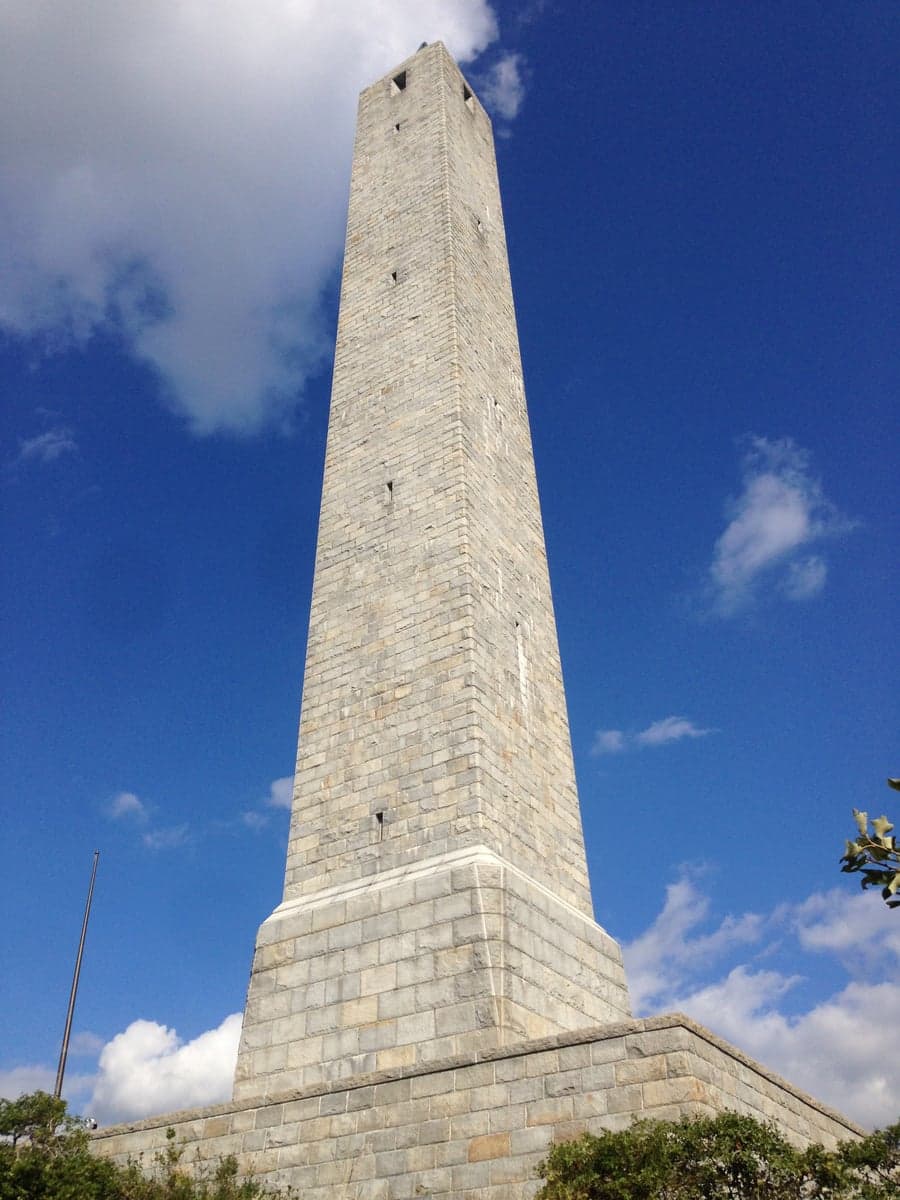
Photo: Wikipedia
Personal Sovereignty in Sussex County
Viable for self-reliance. Generally workable, though some barriers may limit total independence.
What does Personal Sovereignty tell us?
Personal Sovereignty measures your capacity for self-reliance and independence with minimal government friction. Higher scores mean fewer barriers between you and the way you want to live... but it assumes you have the space you need and good neighbors.
What does this tell us?
Personal Sovereignty measures your capacity for self-reliance and independence with minimal government friction. Higher scores mean fewer barriers between you and the way you want to live... but it assumes you have the space you need and good neighbors.
State Policy
Energy independence: Importer (8% of energy produced in-state)
Personal Liberty
Homesteading

Personal Liberty Analysis
Sussex County, New Jersey, offers a notably higher degree of personal sovereignty than most of the Garden State, functioning as a rural-libertarian enclave within a generally high-regulation state. While New Jersey’s state-level tax burden and gun laws are among the strictest in the nation, Sussex County’s local governance, cultural norms, and geography create a buffer that allows for significantly more autonomy in daily life. For individuals and families prioritizing self-reliance, the county presents a pragmatic trade-off: you accept state-level constraints but gain a local environment where enforcement is often lighter, community norms favor independence, and the physical landscape supports a more self-sufficient lifestyle.
Tax burden and regulatory posture: How Sussex County compares to the rest of New Jersey
New Jersey’s state-level tax burden is the highest in the country, but Sussex County’s property tax rates are notably lower than the state average. The county’s effective property tax rate hovers around 2.1% of assessed home value, compared to the state average of roughly 2.5%. Towns like Wantage and Frankford offer some of the lowest rates in the county, while Hopatcong and Newton are slightly higher due to more developed infrastructure. The county’s regulatory posture is distinctly pro-property-rights relative to the state. Local zoning boards in rural townships like Vernon and Hampton are generally more permissive with home-based businesses, accessory dwellings, and agricultural uses than their counterparts in Bergen or Essex counties. However, state-level environmental regulations—particularly the Highlands Water Protection and Planning Act—restrict development on roughly 40% of the county’s land area, limiting subdivision potential and some construction activities. For a reader weighing the trade-off, Sussex County offers a lighter local touch but still operates under New Jersey’s heavy state regulatory umbrella.
Self-defense and gun law specifics: What Second Amendment protections look like here
New Jersey’s gun laws are among the most restrictive nationally, requiring a permit to purchase handguns, a Firearms Purchaser Identification Card for long guns, and a carry permit that demands a demonstrated “justifiable need” (though the 2022 Supreme Court ruling in NYSRPA v. Bruen has loosened this standard). Sussex County, however, is the most gun-friendly region in the state. The county’s sheriff, James Gannon, has publicly stated that his office will not enforce certain state-level magazine capacity restrictions, and the county’s permit issuance rate for carry permits is among the highest in New Jersey. Towns like Branchville and Lafayette have a strong hunting and sport-shooting culture, with multiple gun clubs and ranges operating openly. The Frankford Township area hosts the Sussex County Sportsmen’s Association, a well-established range. For self-defense in the home, lawful possession of a firearm is possible but requires navigating the state’s bureaucratic process—background checks, fingerprinting, and references. In practice, the local sheriff’s office and police departments in smaller towns are more accommodating than their urban counterparts, but the legal framework remains a significant barrier for newcomers accustomed to constitutional carry states.
Self-reliance and homesteading viability: Lot sizes, zoning, and off-grid feasibility
Sussex County is one of the best areas in New Jersey for homesteading and self-reliance, thanks to its rural zoning and large lot sizes. Minimum lot sizes in agricultural and rural-residential zones typically range from 2 to 5 acres, with some areas in Wantage and Vernon requiring 3-acre minimums. This makes small-scale farming, keeping chickens, goats, or even a horse, feasible on most properties outside of the county’s few boroughs. Off-grid living is legally challenging due to state building codes requiring grid-tied electrical connections for new construction, but many properties in Hampton and Stillwater have existing wells and septic systems, reducing reliance on municipal utilities. Solar panels are permitted and common, though net metering rules apply. Rainwater collection for non-potable use is generally allowed, but potable rainwater systems face state health code hurdles. The county’s agricultural zoning in areas like Frankford and Lafayette permits farm stands, u-pick operations, and limited agritourism without extensive permitting, supporting a self-reliant lifestyle. For a family seeking to grow food, raise animals, and reduce utility dependence, Sussex County offers a viable path within New Jersey’s regulatory framework—provided you choose a rural township over a borough like Newton or Hopatcong, where lot sizes are smaller and zoning is tighter.
Personal liberties: Parental rights, medical autonomy, speech, and property
Sussex County’s personal liberties environment is shaped by its conservative-leaning population and local governance. Parental rights are broadly respected: the county’s school boards, particularly in Vernon and Wantage, have resisted state-level mandates on curriculum transparency and health education, with local policies favoring parental notification and opt-out options. Medical autonomy is more constrained by state law—New Jersey mandates vaccination for school attendance and has strict telemedicine and abortion access laws—but local healthcare providers in Newton Medical Center and private practices generally respect patient choice within legal bounds. Free speech is robust; the county’s public meetings and local media (the New Jersey Herald) host vigorous debate on issues like land use and school policy. Property rights are the strongest liberty in Sussex County: local zoning boards in rural townships rarely impose HOA-style restrictions, and private land use is largely unfettered as long as state environmental rules are met. The county’s culture of “live and let live” means that building a workshop, keeping livestock, or operating a small repair business from your property is generally accepted, unlike in suburban New Jersey where neighbor complaints can trigger enforcement.
Overall, Sussex County offers a pragmatic sovereignty compromise: it is not a low-regulation haven like rural Texas or Wyoming, but it is the most freedom-oriented region in New Jersey. The county’s tax burden, while high by national standards, is the lowest in the state; its gun culture is the most accommodating; its homesteading potential is real; and its personal liberties are protected by local norms and elected officials who prioritize autonomy. For a family or individual who values self-reliance but is tied to the Northeast for work, family, or other reasons, Sussex County represents the best balance of personal sovereignty available in the region—a place where state-level constraints are softened by local practice and a community that values independence.

* Values derived from national, state, county, city and local statistics and may differ in a specific area. Last updated: 2026-09-27T23:08:40.000Z
Narrative content on this page is AI-generated and may contain mistakes. Verify any details that matter before acting on them.
ReloMaps may earn a commission from affiliate links at no extra cost to you.

