 Popular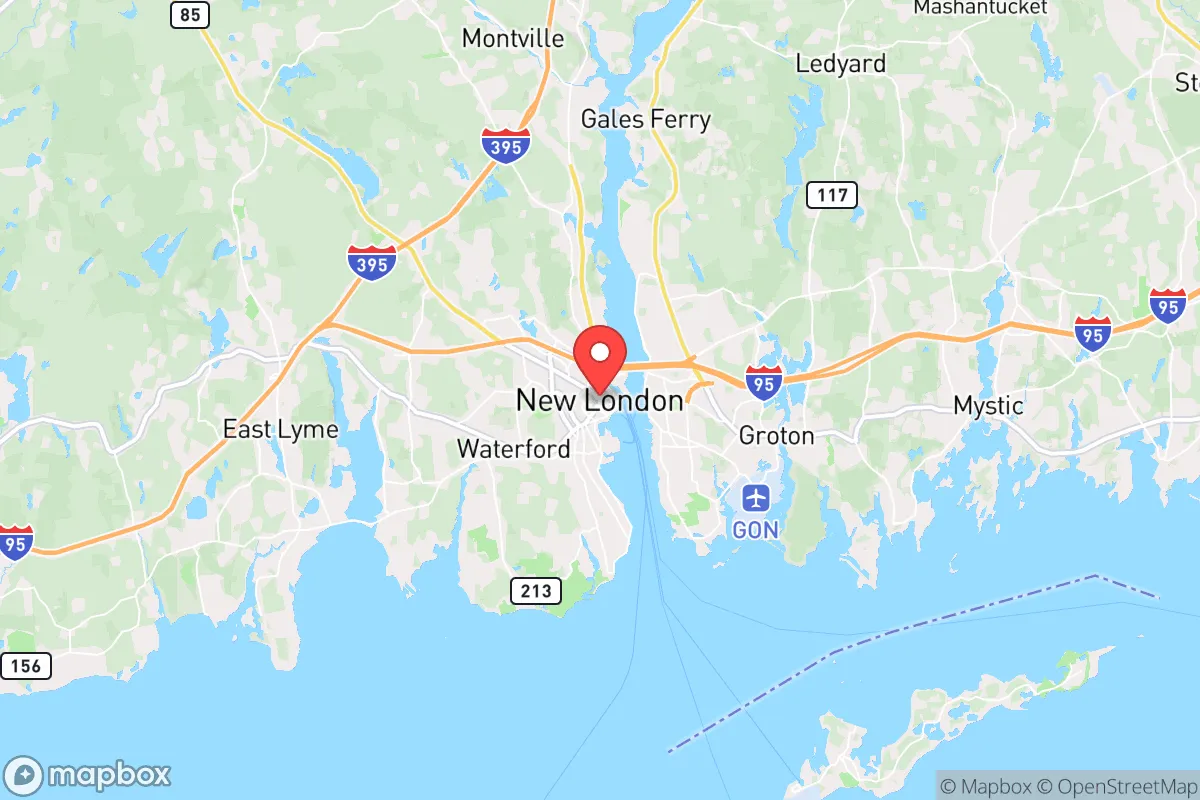
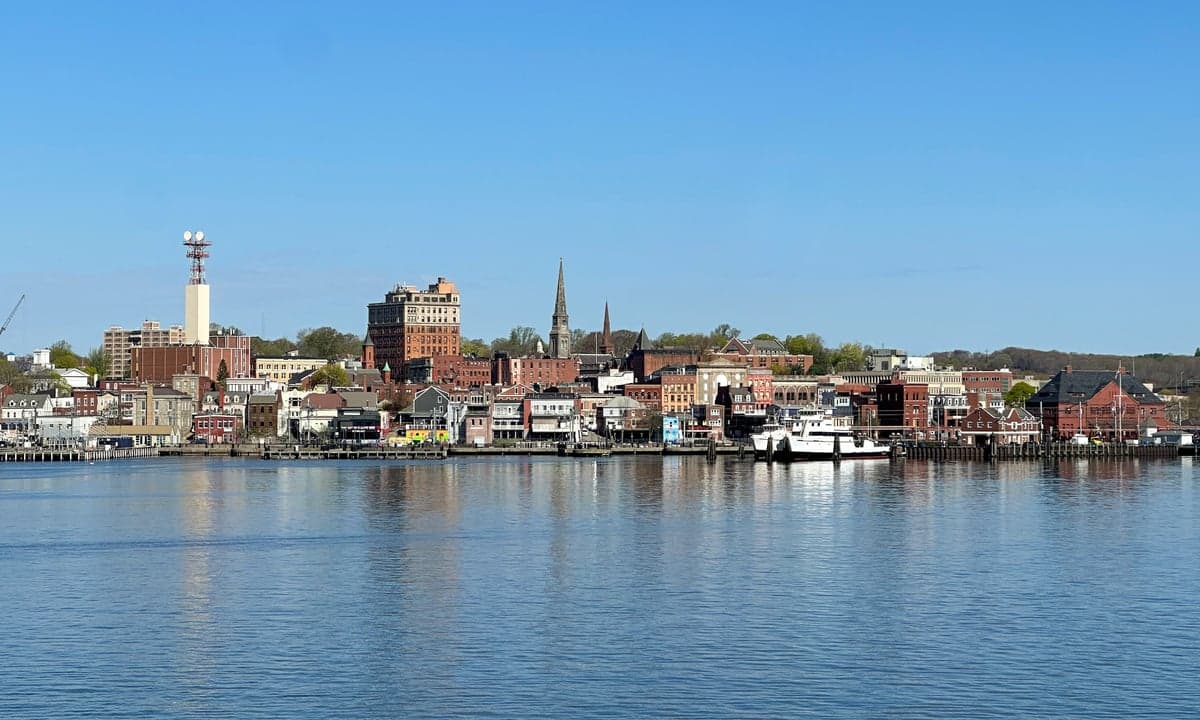
Photo: Wikipedia
Political ClimatePolitical Climate in New London, CT
District shown is the primary district for this city’s centroid. Cities may span multiple districts.
Local Political AnalysisPolitical Analysis of New London, CT
New London has been a reliably blue city for a long time, and that hasn’t changed much. The Cook PVI sits at D+4, meaning it’s about four points more Democratic than the country as a whole. But if you’ve lived here as long as I have, you know the real story isn’t just the party registration numbers—it’s how the local government has shifted from a more moderate, live-and-let-live New England town into something that feels a lot more progressive and hands-on. The city council and mayor’s office have leaned further left in recent years, and that’s brought a wave of new policies that a lot of us old-timers find a bit heavy-handed.
How it compares
Drive ten minutes in any direction and you’ll see a completely different political landscape. Waterford and Groton are much more conservative, with Groton’s strong military presence (the Naval Submarine Base) keeping things grounded in traditional values and fiscal restraint. East Lyme and Ledyard are reliably red-leaning, too. The contrast is stark: you can cross the Thames River and go from a city where the local government is pushing new zoning rules, diversity initiatives, and higher taxes to a town where the biggest political fight is over school budgets and property tax rates. New London is the progressive island in a sea of more moderate and conservative southeastern Connecticut towns.
What this means for residents
For folks who value personal freedom and minimal government interference, the trend here is concerning. The city has been aggressive with new regulations—things like stricter rental inspection programs, noise ordinances that feel more like a curfew, and a push for more public spending on social programs that you might not agree with. Property taxes have crept up as the city tries to fund these initiatives, and there’s a growing sense that the local government is more interested in social engineering than in keeping the streets safe and the potholes filled. If you’re a small business owner or a homeowner who just wants to be left alone, you might find yourself butting heads with a city hall that seems to have an opinion on everything.
What daily life is like for families
If you’re raising kids here, you’ll notice the schools are heavily influenced by the city’s progressive politics. There’s a lot of focus on social-emotional learning and diversity programming, which some parents appreciate and others feel takes time away from core academics. The public school system has its challenges—graduation rates hover around 80%, and test scores lag behind the surrounding towns. Many families I know have opted for private schools in Waterford or Groton, or even moved out to Ledyard for the more traditional public school environment. On the plus side, the city has a decent parks system and the waterfront is beautiful, but you’ll be sharing it with a growing homeless population that the city’s “housing first” policies have drawn in from surrounding areas.
Looking ahead, I don’t see New London swinging back to the center anytime soon. The demographics are shifting younger and more transient, with renters outnumbering homeowners, and that tends to favor progressive candidates. The long-term trajectory feels like more of the same: higher taxes, more regulations, and a government that sees itself as a solution to every problem. If that doesn’t sit well with you, you might want to keep an eye on the surrounding towns—they’re not perfect, but at least they still believe in letting you live your life your own way.

State Political ClimatePolitical Climate in Connecticut
State Political AnalysisPolitical Environment in the State
Connecticut has shifted from a classic blue state to a deep blue state over the past two decades, with Democrats now holding a supermajority in both legislative chambers and every statewide office. The state hasn't voted for a Republican presidential candidate since 1988, and in 2024, Kamala Harris carried it by roughly 15 points. The real story, however, is the growing urban-rural chasm and a quiet exodus of conservative-leaning families that is accelerating the state's leftward drift.
Urban vs. rural divide
The political map of Connecticut is a tale of two worlds. The southwestern corner, anchored by Stamford, Greenwich, and Bridgeport, is the engine of Democratic dominance. Fairfield County's Gold Coast is home to hedge fund executives and media professionals who reliably vote blue, while Bridgeport and New Haven are heavily minority and unionized cities that deliver massive margins. Hartford, the capital, is a Democratic stronghold where poverty and public-sector employment create a reliable voting bloc. In contrast, the eastern half of the state — Litchfield County, Tolland County, and the Quiet Corner around Pomfret and Woodstock — votes Republican, but not by enough to offset the urban centers. The 2022 gubernatorial race saw Republican Bob Stefanowski win 100 of the state's 169 towns, but he lost because the cities turned out heavily for Ned Lamont. The divide isn't just partisan; it's cultural. Rural towns like Kent and Sharon still hold town meetings and value local control, while cities push regionalism and state mandates.
Policy environment
Connecticut's policy environment is a case study in progressive governance with a heavy hand. The state income tax tops out at 6.99%, but when you add the local property tax — which averages over 2% of home value, among the highest in the nation — the total burden is crushing. The state has no right-to-work law, and public-sector unions wield enormous power, driving up pension costs that now consume nearly a quarter of the state budget. On education, Connecticut spends more per pupil than almost any other state, yet Hartford's public schools remain among the worst in the nation, while wealthy suburbs like Westport and Darien have top-tier systems. The state has also enacted strict gun control — including a 2023 law banning open carry and raising the purchasing age to 21 — and has a sanctuary state policy that limits cooperation with federal immigration enforcement. Election laws are among the most liberal in the country: no-excuse absentee voting, early voting (passed in 2023), and automatic voter registration. For a conservative, the policy environment feels like a one-party state where your voice is drowned out by union lobbyists and Hartford insiders.
Trajectory & freedom
Connecticut is becoming less free by almost any measure. The 2023 gun control law, HB 6667, expanded the state's assault weapons ban, banned magazines over 10 rounds, and required a permit to purchase any firearm — a direct infringement on Second Amendment rights. On parental rights, the state passed a law in 2022 that allows minors as young as 12 to consent to mental health treatment without parental notification, and in 2024, it expanded gender-affirming care protections for minors, overriding parental authority. Medical freedom took a hit with the 2021 vaccine mandate for healthcare workers, which remains in place despite the end of the public health emergency. Property rights are under constant assault from the state's affordable housing mandates, which force towns to zone for multi-family housing against local wishes. The state's tax burden has driven a net out-migration of over 100,000 residents since 2020, many of them to Florida and Texas. The trend is clear: more mandates, less local control, and a shrinking base of taxpayers who fund it all.
Civil unrest & political movements
Connecticut has seen its share of political flashpoints. In 2020, Black Lives Matter protests in New Haven and Hartford turned violent, with property damage and clashes with police. The state's sanctuary policy has made it a magnet for immigrant-rights activism, with groups like CT Students for a Dream pushing for driver's licenses for undocumented residents (passed in 2023). On the right, the Connecticut Citizens Defense League has been a vocal force against gun control, organizing rallies at the state capitol that draw hundreds. The 2020 election integrity debate was muted compared to swing states, but concerns remain about the state's widespread use of absentee ballots and lack of voter ID. A notable movement is the "Second Amendment sanctuary" resolutions passed by over 40 towns, including Easton and Brookfield, declaring they won't enforce certain state gun laws. These are symbolic, but they show the depth of frustration. For a new resident, the most visible sign of unrest is the constant tension between Hartford's progressive agenda and the resistance from rural and suburban towns.
Projection
Over the next 5-10 years, Connecticut will likely become even more progressive, but with a shrinking population. The Democratic supermajority is entrenched, and the state's reliance on property taxes and pension obligations means there's little appetite for tax reform. In-migration is overwhelmingly from New York and Massachusetts, bringing more progressive voters. The rural towns that vote Republican are aging and losing population, while the cities are growing slowly. The state's fiscal situation is precarious — the pension system is underfunded by over $40 billion — and a future recession could trigger a tax hike that accelerates the exodus. For a conservative moving in now, expect to see more gun restrictions, more mandates on schools and housing, and a continued erosion of local control. The best bet is to settle in a town like Litchfield or Simsbury, where the local culture is still moderate, but you'll still be paying for Hartford's choices.
For a new resident, the bottom line is this: Connecticut offers beautiful scenery, good schools in select towns, and proximity to New York, but it comes at a steep price in taxes, regulations, and personal freedom. If you value local control, low taxes, and the right to defend yourself, this state will feel like a constant fight. If you can afford the cost and are willing to navigate the bureaucracy, there are still pockets of sanity — but the trend is not in your favor.
* Values derived from national, state, county, city and local statistics and may differ in a specific area. Last updated: 2026-04-19T07:22:29.000Z
Narrative content on this page is AI-generated and may contain mistakes. Verify any details that matter before acting on them.
ReloMaps may earn a commission from affiliate links at no extra cost to you.

