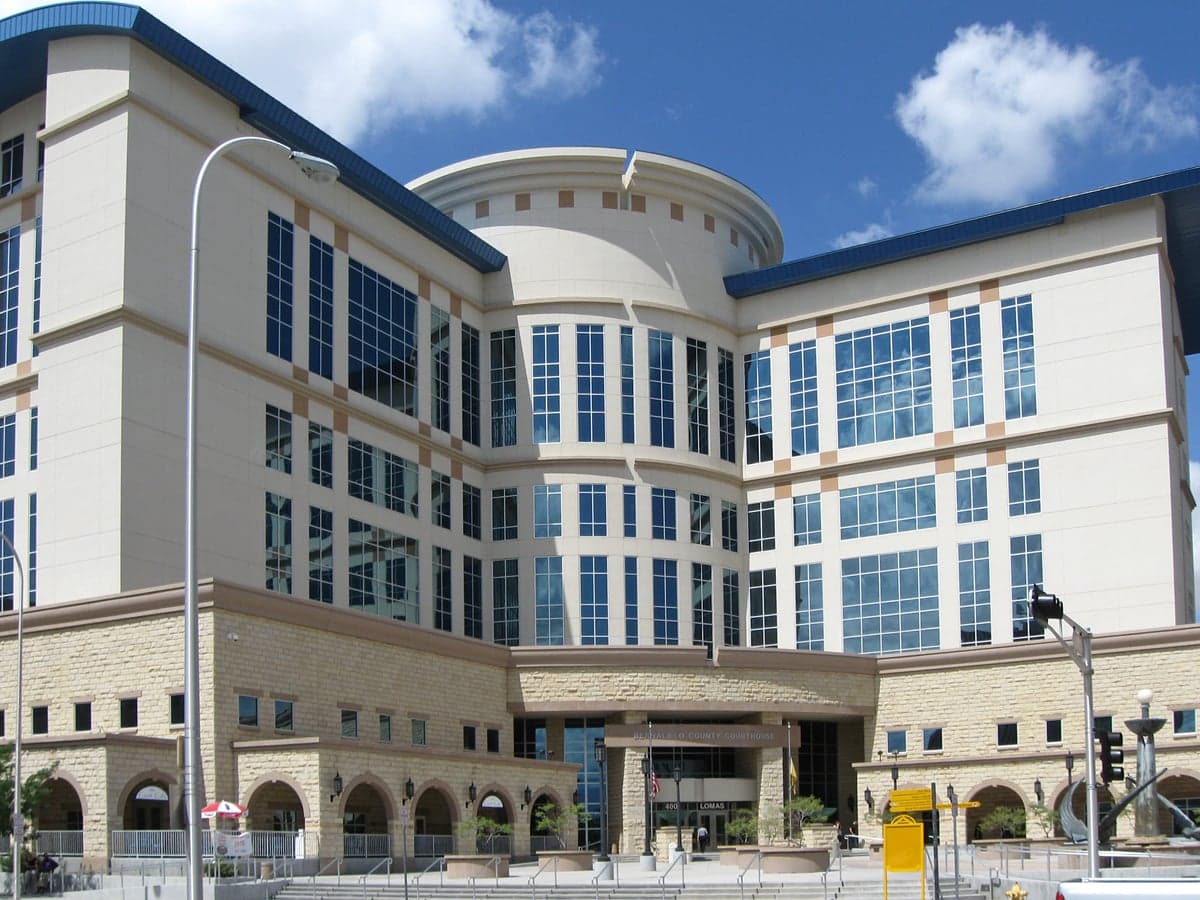
Photo: Wikipedia
Find The Best Places To Live in Bernalillo County
PRO TIP! You can paste a Zillow or Redfin link to get info on that property.
Best Places to Live in Bernalillo County

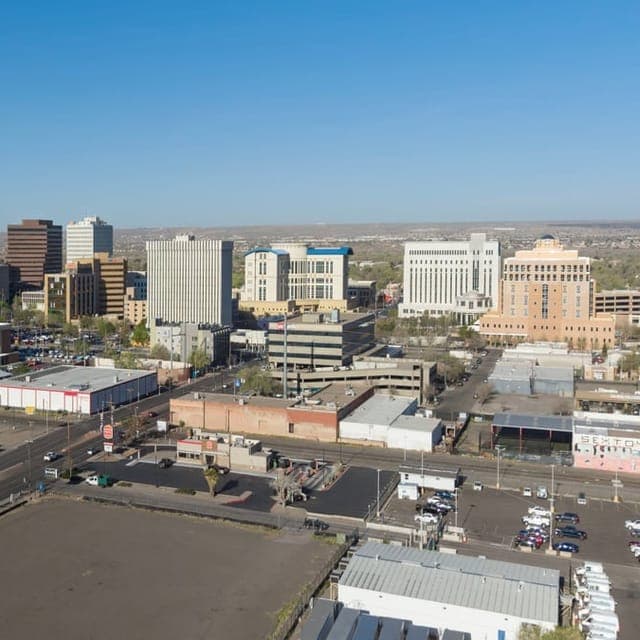
Cities & Towns in Bernalillo County
Cities in Bernalillo County
What It's Like Living in Bernalillo County, NM
Living in Bernalillo County means straddling two worlds: the urban pulse of Albuquerque and the quiet stretches of the South Valley, the East Mountains, and towns like Los Ranchos de Albuquerque and Tijeras. It’s a place where you can grab green chile breakfast burritos from a roadside stand in the morning and hike the Sandia foothills by afternoon, all while navigating a cost of living that’s noticeably lower than the national average. For a slightly conservative-leaning audience—whether single professionals or families—the county offers a mix of affordability, outdoor access, and a slower pace than you’d expect from New Mexico’s most populous area.
Daily Rhythm: Commutes, Cost, and the Green Chile Factor
Most residents settle into a routine that revolves around work, school, and the outdoors. The average commute clocks in at just under 23 minutes—short enough that you can live in the North Valley or the East Mountains and still get to an office in Albuquerque without dreading the drive. That’s a big draw for families who want space without sacrificing job access. The median income sits at $66,514, which stretches further here thanks to a cost of living index of 94 (6% below the U.S. average). A median home value of $268,500 means a three-bedroom house in Rio Rancho or even parts of the South Valley is within reach for many, though prices have crept up since 2020.
Weekends often start at a local coffee shop or a farmers’ market—the Los Ranchos Growers’ Market is a favorite for produce and local honey. By afternoon, you’ll see families at the Balloon Fiesta Park or hiking the La Luz Trail. The weather is a constant topic: 310 days of sunshine a year, but summer afternoons can hit the high 90s, and winter mornings dip below freezing. Snow is rare in the valley but common in the Sandias, which creates a quirky dynamic where you can ski in the morning and golf in the afternoon.
Sports, Community, and What People Actually Do
Sports fandom here is passionate but niche. The University of New Mexico Lobos (especially basketball) draw loyal crowds at the Pit, but there’s no major pro team to dominate conversations. Instead, high school football is a genuine community anchor—Friday nights at La Cueva High School or Eldorado High School pack bleachers with parents and alumni. For families, the school system is a mixed bag: some schools in the East Mountains and the North Valley are highly rated, while others in central Albuquerque struggle with funding. Many parents opt for charter or private schools, but the community still rallies around school events and local youth leagues.
Entertainment leans toward the outdoors and local culture. The Albuquerque International Balloon Fiesta in October is the county’s signature event—hundreds of hot-air balloons launching at dawn, drawing crowds from across the country. Year-round, you’ll find live music at venues like the Kimo Theatre or Sunshine Theater, and craft breweries like Marble Brewery and La Cumbre Brewing Co. are weekend staples. For quieter nights, locals head to Old Town for its plaza and restaurants, or to the Sandia Peak Tramway for sunset views.
Pros and Cons of Living Here
What residents love:
- Affordability – Housing and everyday costs are lower than most Western cities, making it easier to own a home or save for retirement.
- Outdoor access – The Sandia Mountains, Petroglyph National Monument, and the Rio Grande bosque provide hiking, biking, and fishing within 20 minutes of downtown.
- Cultural identity – The blend of Native American, Hispanic, and Anglo traditions creates a unique food scene (green chile is a religion here) and a slower, more neighborly pace.
What frustrates them:
- Crime concerns – The violent crime rate of 598.5 per 100,000 is well above the national average, and property crime is a real issue in central Albuquerque. Many families choose the East Mountains or Rio Rancho specifically to avoid it.
- Economic limitations – Job growth is steady but not booming; major employers include Sandia National Laboratories, the University of New Mexico, and the state government. If you’re in tech or healthcare, you’ll find work—but if you’re in finance or corporate roles, you may need to commute or work remotely.
- Infrastructure gripes – Potholes and road maintenance are perennial complaints, especially after winter freezes. The median age of 39.3 reflects a population that’s settled but not young—nightlife is limited compared to Denver or Austin.
For the right person—someone who values space, sunshine, and a lower cost of living over urban buzz—Bernalillo County delivers. It’s not a place for everyone, but for those who call it home, the trade-offs are worth it.

* Values derived from national, state, county, city and local statistics and may differ in a specific area. Last updated: 2026-08-24T19:26:37.000Z
Narrative content on this page is AI-generated and may contain mistakes. Verify any details that matter before acting on them.
ReloMaps may earn a commission from affiliate links at no extra cost to you.

