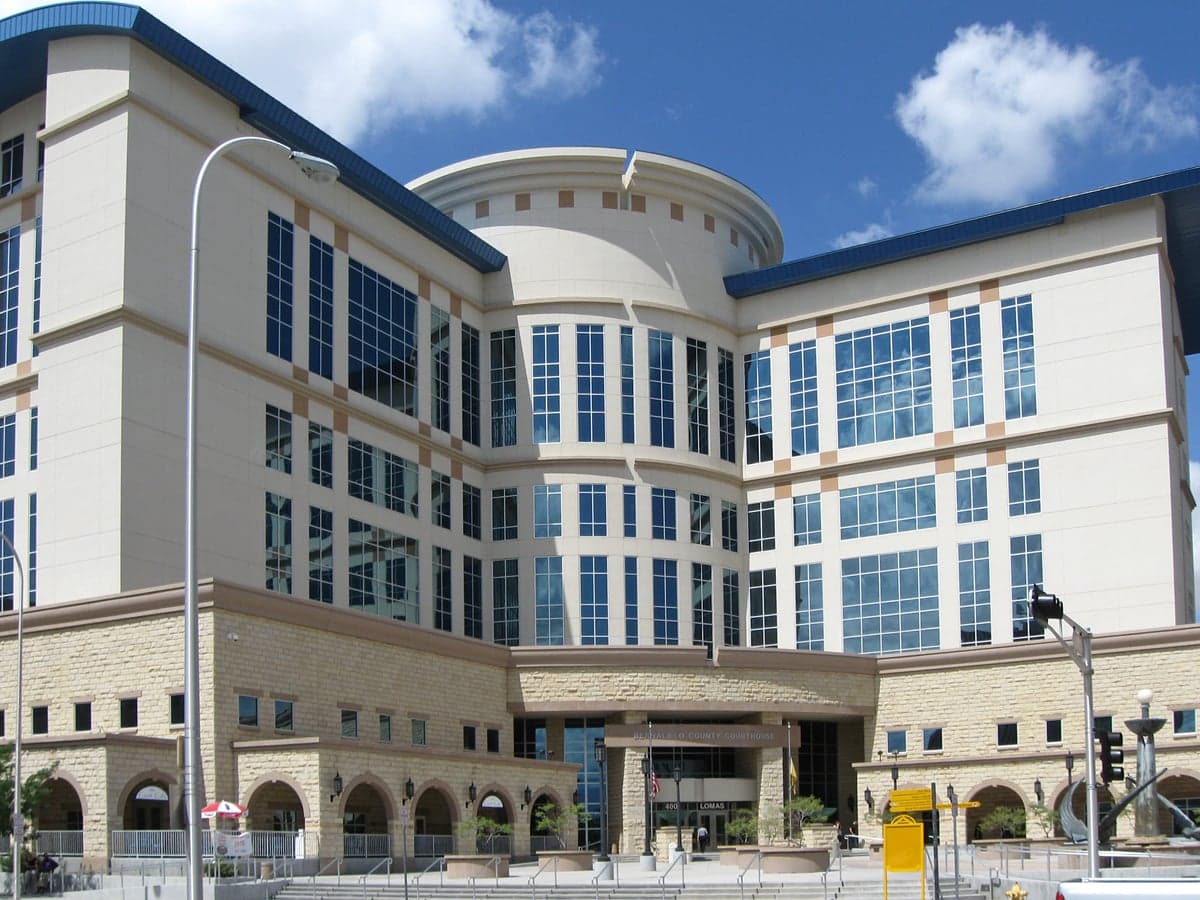
Photo: Wikipedia
Quality of Life in Bernalillo County
A livable area that tracks near national norms for affordability, walkability, and neighborhood health.
What does Quality of Life tell us?
Quality of Life measures an area by evaluating factors like cost of living, nearby amenities, country club access, airport proximity, socioeconomic signals and neighborhood character. For large states, this is a general average — quality of life can vary dramatically between metro areas, suburbs, and rural communities within the same state.
What does this tell us?
Quality of Life measures an area by evaluating factors like cost of living, nearby amenities, country club access, airport proximity, socioeconomic signals and neighborhood character. For large states, this is a general average — quality of life can vary dramatically between metro areas, suburbs, and rural communities within the same state.
Cost of Living
6% below national average
87%
The Real Cost of Living in Bernalillo County for 2026
| Tier | Individual | Family (4) |
|---|---|---|
| Survival | $17k | $33k |
| Comfortable | $52k | $77k |
| Luxury | $120k+ | $186k+ |
| Elite (Top 5%) | $147k+ | $228k+ |
Quality-of-Life Analysis
Bernalillo County, New Mexico, offers a quality-of-life spectrum that ranges from the dense, culturally rich urban core of Albuquerque to the quiet, open landscapes of the East Mountains and the historic river communities along the Rio Grande. The county’s character shifts dramatically within a 30-minute drive, attracting everyone from young professionals and artists seeking city energy to retirees and families looking for acreage and mountain views. With a cost of living index of 94 (below the national average of 100), a median home value of $268,500, and a median rent of $1,087, the county provides tangible financial breathing room compared to many U.S. metros, though lifestyle options vary significantly in price and pace.
Largest town(s) & population centers
Albuquerque is the dominant population center, home to over 560,000 residents and the engine of the county’s economy. Daily life here is defined by a mix of urban amenities—including the University of New Mexico, Sandia National Laboratories, and a vibrant Old Town district—alongside a strong outdoor recreation culture centered on the Sandia Mountains and the Rio Grande bosque. Neighborhoods like the North Valley offer historic acequia-lined properties with mature trees, while Uptown and the Northeast Heights provide more conventional suburban subdivisions with shopping and schools. The average commute of 22.9 minutes is notably short for a city of this size, allowing residents to access jobs, dining, and cultural events without the gridlock common in larger metros. The city’s median home value of $268,500 makes homeownership attainable for many, though prices in desirable areas like the North Valley or the foothills can exceed $400,000.
Smaller towns & rural pockets
Outside Albuquerque, the county’s smaller communities offer distinctly different lifestyles. Los Ranchos de Albuquerque, an incorporated village just north of the city, is a tight-knit community of about 6,000 residents known for its working farms, farmers market, and strict zoning that preserves open space. Corrales, technically in Sandoval County but functionally part of the same metro area, is a historic village with equestrian properties, vineyards, and a strong sense of place. In the East Mountains, Cedar Crest and Tijeras are unincorporated communities at elevations above 6,000 feet, offering pine forests, cooler temperatures, and larger lots—often 1 to 5 acres—at prices comparable to Albuquerque’s median. South Valley, an unincorporated area south of Albuquerque, is more rural and affordable, with a mix of mobile homes, older adobes, and small farms, though it lacks some urban services and has higher crime rates in certain pockets. Isleta Pueblo, a sovereign Native American community within the county, offers a distinct cultural and governance structure, with its own housing authority and tribal services.
Cost & lifestyle range
The cost of living and amenities vary widely across Bernalillo County. At the higher end, the North Valley and the Sandia Foothills feature homes priced from $400,000 to over $1 million, with larger lots, mature landscaping, and proximity to hiking trails and the river. These areas attract professionals and families who value space and privacy but still want a 15-minute commute to downtown Albuquerque. At the more affordable end, the South Valley and parts of the International District in Albuquerque offer homes under $200,000 and rents below $900, though these areas often face challenges with property crime and under-resourced schools. The county’s median rent of $1,087 is about 15% below the national average, making it feasible for renters to find a one-bedroom apartment in central Albuquerque or a small house in the South Valley. For those seeking the most rural lifestyle, the East Mountains (Cedar Crest, Sandia Park) offer homes on 1-10 acres with no city utilities—well water and septic are standard—and a 30- to 40-minute commute to Albuquerque. Property taxes in the county are low, typically around 0.6% of assessed value, which keeps carrying costs down even for higher-priced homes.
Who thrives in Bernalillo County? The county is best suited for people who want access to a mid-sized city’s cultural and employment opportunities without the high costs of coastal metros, and who appreciate the ability to choose between an urban loft, a suburban tract home, or a mountain retreat within the same county. Families seeking good schools should target the Northeast Heights or Los Ranchos, while outdoor enthusiasts and those wanting acreage will find the East Mountains ideal. Retirees on a fixed income can stretch their dollars in the South Valley or smaller communities like Tijeras, provided they are comfortable with a more rural infrastructure. The county’s diversity of settings, combined with below-average costs and a short commute, makes it a practical choice for a wide range of lifestyles—but the key is matching the specific neighborhood to one’s tolerance for urban density, crime risk, and access to services.

Crime in Bernalillo County
Higher crime rates than 67% of comparable U.S. locations.
Violent CrimeViolent Crime Analysis
Property CrimeProperty Crime Analysis
Crime Analysis
Bernalillo County, home to Albuquerque and the heart of New Mexico’s largest metropolitan area, reports a violent crime rate of 598.5 per 100,000 residents and a property crime rate of 2,174.8 per 100,000 — figures that place it among the most dangerous counties in the state and well above national averages. While certain pockets like the Northeast Heights and the village of Los Ranchos de Albuquerque experience notably lower incident rates, the county’s overall safety picture is heavily influenced by persistent property crime and a violent crime rate roughly 60% higher than the U.S. median. Residents and newcomers should weigh these statistics carefully, particularly given the county’s progressive prosecutorial policies that critics argue prioritize offender rehabilitation over public safety.
Crime in context
Bernalillo County’s violent crime rate of 598.5 per 100,000 is more than double the national average of roughly 380 per 100,000 and significantly higher than the New Mexico state average of about 780 per 100,000. Property crime, at 2,174.8 per 100,000, also exceeds the national rate of approximately 1,950 per 100,000. Within the county, crime is not evenly distributed: the South Valley and International District in Albuquerque see the highest concentrations of violent offenses, while the more affluent areas of Corrales and the North Valley report rates closer to the national average. The county’s proximity to major interstates like I-25 and I-40 contributes to property crime, particularly auto theft and burglary, which are common in areas with easy highway access such as the West Side and near the Sunport airport.
What residents experience
Daily life in Bernalillo County varies dramatically by neighborhood. In Albuquerque’s Downtown and University areas, residents frequently encounter panhandling, property theft, and drug-related activity, with the city’s 2024 auto theft rate ranking among the highest in the nation. The progressive policies of Bernalillo County District Attorney Sam Bregman’s office, which emphasize diversion programs and reduced sentences for nonviolent offenders, have drawn criticism from law enforcement and victims’ advocates who argue they embolden repeat offenders. For example, the county’s pretrial release program has been linked to a rise in carjackings and home invasions in areas like the Southeast Heights and near the Rio Grande bosque. In contrast, residents of the East Mountains (Tijeras, Cedar Crest) and the village of Los Ranchos de Albuquerque report far fewer incidents, with community policing and neighborhood watch programs proving effective in these lower-density areas.
Neighborhood-level variation is stark. The safest areas within Bernalillo County include the Northeast Heights (north of I-40, east of Louisiana Boulevard), Corrales, and the North Valley, where violent crime rates can be 70-80% lower than the county average. The most dangerous zones are concentrated in the South Valley, the International District, and the West Mesa area near Coors Boulevard, where property crime rates exceed 3,000 per 100,000. For newcomers, choosing a neighborhood with a strong homeowners’ association and proximity to Albuquerque Police Department substations — such as those in the Foothills or near the Cottonwood Mall — can significantly reduce risk. Ultimately, Bernalillo County’s safety profile demands vigilance, especially in urban corridors where progressive justice policies have created an environment that many residents find concerning for families and property owners alike.
* Values derived from national, state, county, city and local statistics and may differ in a specific area. Last updated: 2026-08-24T19:26:37.000Z
Narrative content on this page is AI-generated and may contain mistakes. Verify any details that matter before acting on them.
ReloMaps may earn a commission from affiliate links at no extra cost to you.

