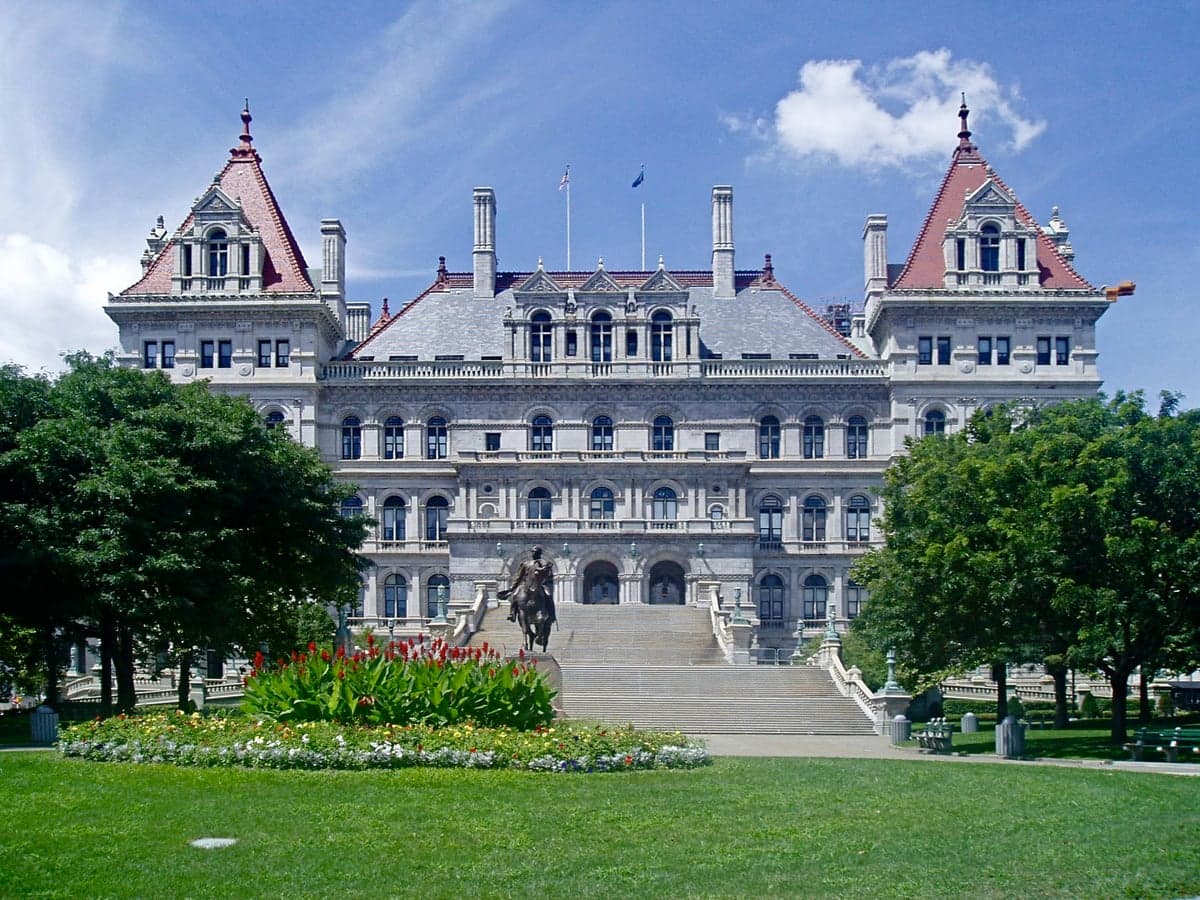
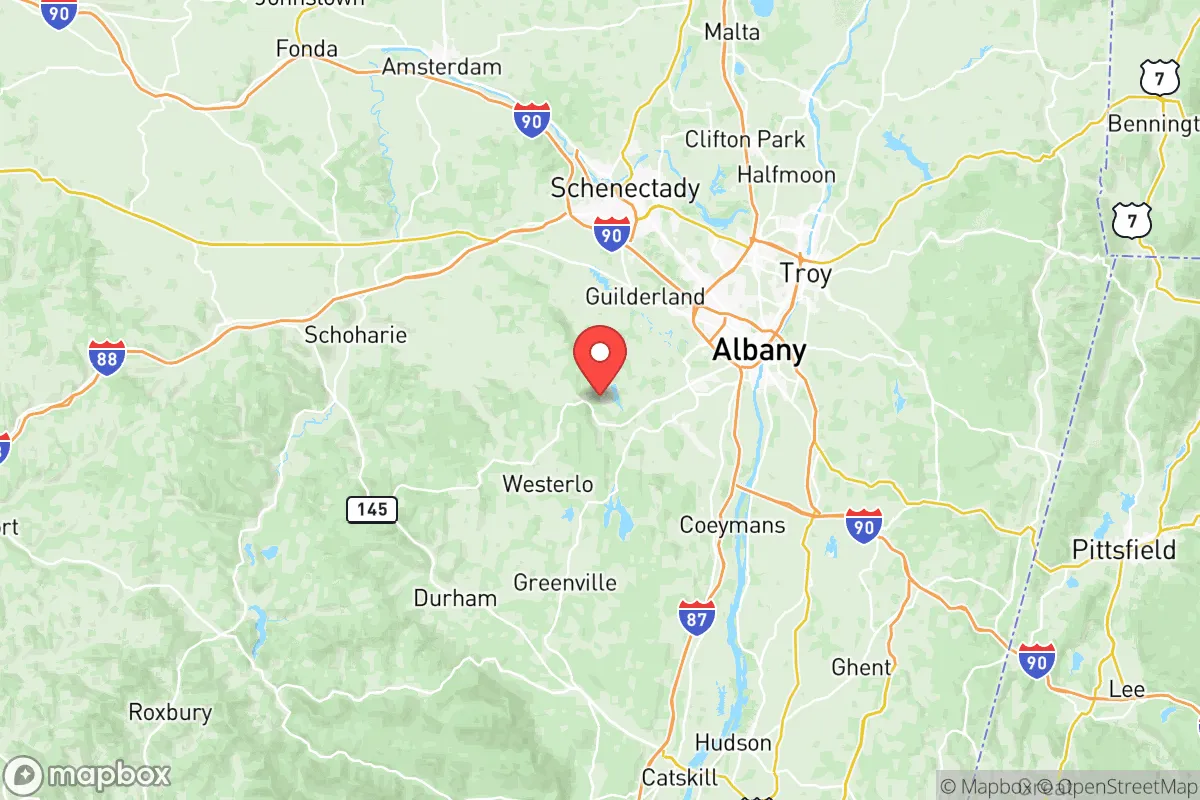
Photo: Wikipedia
Find The Best Places To Live in Albany County
PRO TIP! You can paste a Zillow or Redfin link to get info on that property.
Best Places to Live in Albany County
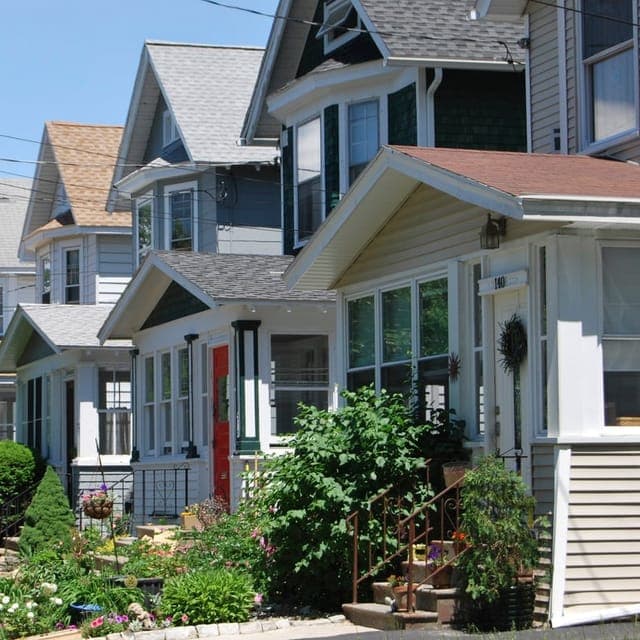
Cities & Towns in Albany County
Cities in Albany County
What It's Like Living in Albany County, NY
Living in Albany County means you’re part of a region that’s big enough to have a real downtown pulse but small enough that you still run into people you know at the grocery store. It’s a place where state government workers, college professors, and tradespeople all share the same barstools, and where the line between “city” and “country” gets blurry fast. Whether you’re renting a walk-up in the city of Albany, buying a starter home in the town of Bethlehem, or looking for acreage in rural Berne, the county offers a surprisingly wide range of lifestyles under one umbrella.
The Daily Rhythm: Government, Education, and the Commute
For most people, the workday is shaped by two major forces: state government and higher education. The Empire State Plaza in downtown Albany is the region’s largest employer, drawing thousands of workers from every corner of the county. That 9-to-5 rhythm means traffic on I-787 and the Northway (I-87) peaks predictably, but the average commute here is just over 21 minutes—short enough that you can live in a quieter town like Voorheesville or Guilderland and still be at your desk in under half an hour. The University at Albany and the College of Saint Rose also anchor the local economy, bringing a steady flow of students and faculty into neighborhoods like Pine Hills and the Helderberg neighborhood. If you work in tech or healthcare, you’ll find growing clusters in the town of Colonie and near Albany Med.
Weekends here are practical. People hit the Empire State Plaza Farmers Market on Saturdays, grab coffee at Stacks Espresso Bar on Lark Street, or head to the Crossgates Mall in Guilderland for shopping. In the warmer months, the Albany County Rail Trail—a paved path running from the city out to Voorheesville—is packed with cyclists and dog walkers. The median household income of $83,149 supports a comfortable middle-class lifestyle, though the cost of living index of 104 means you’ll pay a slight premium for that convenience, especially on housing. The median home value of $277,400 is still affordable compared to downstate or Boston, but it’s risen fast in towns like East Greenbush and Bethlehem, where good schools drive demand.
Sports, Seasons, and What People Do for Fun
Sports here are a serious matter, but not in a Texas-football-obsession kind of way. The Albany Devils (AHL hockey) and the University at Albany Great Danes draw solid crowds, especially for basketball and football games at the SEFCU Arena and Bob Ford Field. High school sports are a big deal in the suburbs—Friday night football in Shaker High School (Colonie) or Bethlehem Central brings out the whole community, and winter basketball tournaments are packed. For outdoor recreation, the Albany Pine Bush Preserve offers miles of hiking and cross-country skiing right in the middle of the county, while the Helderberg Escarpment in the western towns provides serious climbing and views. The Albany Riverfront Park along the Hudson is a favorite for summer concerts and kayaking.
When it comes to entertainment, the Palace Theatre and The Egg host everything from Broadway tours to indie bands. The Albany Symphony Orchestra is a cultural anchor, and the Lark Street neighborhood is the closest thing to a bohemian strip, with dive bars, vintage shops, and the legendary El Loco Mexican Café. The Altamont Fair in August and the Albany Tulip Festival in May are annual rituals that draw families from across the county. One quirk: the New York State Museum in downtown Albany is free and genuinely excellent, making it a go-to for rainy weekends.
Pros and Cons: The Honest Trade-Offs
- Pro: Real seasons. You get four distinct seasons—leaf-peeping in the fall, skiing at nearby Jiminy Peak in winter, and mild summers that rarely hit 90. The Adirondacks and Berkshires are both within a 90-minute drive.
- Pro: Good schools and stable jobs. Districts like Bethlehem, Niskayuna (partially in Schenectady County), and Guilderland are consistently top-rated. State government jobs offer solid pensions and stability, which appeals to conservative-leaning families who value predictability.
- Con: Winter is long. Snow starts in November and can linger into April. The county averages about 60 inches of snow annually, and lake-effect bands can make driving on I-90 treacherous. If you hate shoveling, this isn’t your place.
- Con: Crime is uneven. The violent crime rate of 361.3 per 100,000 is higher than the national average, but it’s heavily concentrated in a few Albany city neighborhoods (like Arbor Hill and West Hill). Most suburban towns like Colonie and Bethlehem have very low crime rates.
- Con: Taxes are high. New York’s state and local taxes are among the highest in the country. Property taxes in Albany County can easily top $6,000–$8,000 a year on a median home, which is a real shock for newcomers from lower-tax states.
The kind of person who fits in here is someone who values stability over flash. You’re likely in your 30s or 40s, maybe with kids, and you’ve chosen a career in government, healthcare, or education. You don’t need a nightclub scene—you’re happy with a good brewery (try Rare Form Brewing in Troy, just across the river) and a solid school district. The median age of 38.3 reflects that family-and-career focus. But there’s also a younger, more transient crowd in the city of Albany itself, drawn by the colleges and entry-level state jobs. The county’s 45.2% college-educated rate means you’ll find plenty of neighbors who can talk policy or history over a beer, but it’s not an elitist vibe—more like a practical, blue-collar-meets-white-collar mix.
One cultural quirk: locals are fiercely proud of the Capital Region identity, but they’ll also tell you that Albany County is just one piece of a larger puzzle that includes Troy, Schenectady, and Saratoga Springs. You’ll hear debates about which suburb has the best school district or the shortest commute, but the underlying sentiment is that this is a place where you can actually afford a house, raise a family, and still have access to big-city culture without the big-city price tag. The frustration? That same stability can feel slow—new restaurants take time to arrive, and the nightlife is thin compared to a true metro. But for the right person, that trade-off is exactly the point.

* Values derived from national, state, county, city and local statistics and may differ in a specific area. Last updated: 2026-06-03T00:47:32.000Z
Narrative content on this page is AI-generated and may contain mistakes. Verify any details that matter before acting on them.
ReloMaps may earn a commission from affiliate links at no extra cost to you.

