Photo: Wikipedia
Find The Best Places To Live in New York County
PRO TIP! You can paste a Zillow or Redfin link to get info on that property.
Best Places to Live in New York County
Cities & Towns in New York County
Cities in New York County
What It's Like Living in New York County, NY
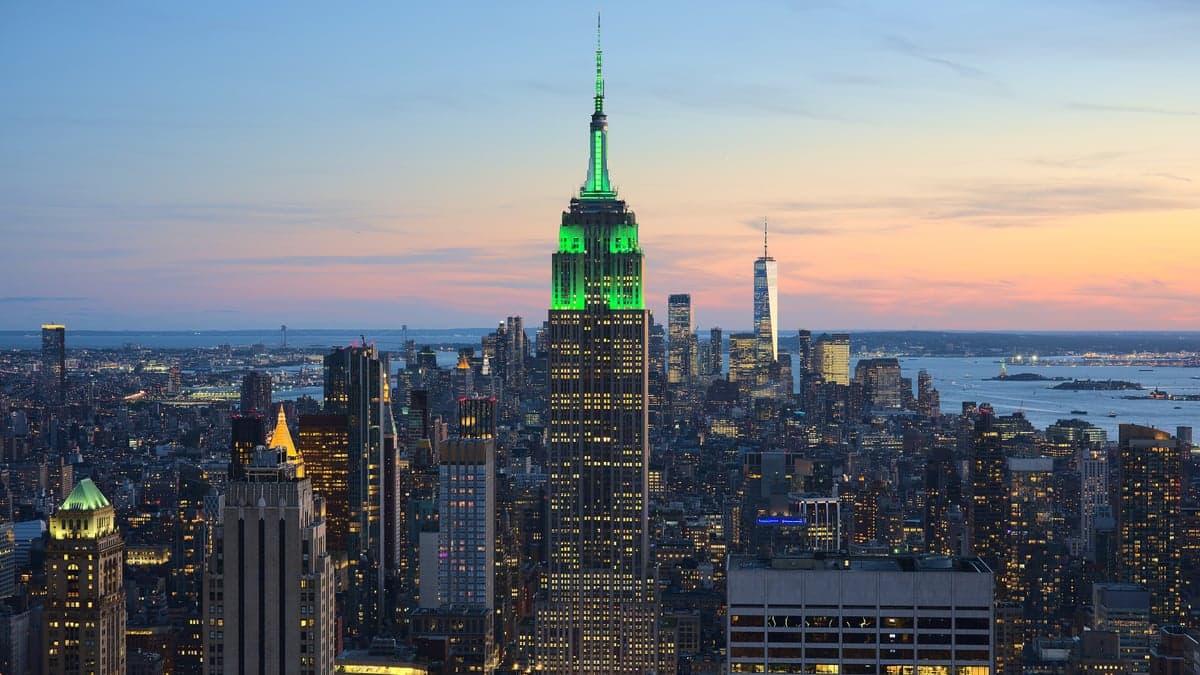
Living in New York County — better known as Manhattan — means trading space for energy, quiet for constant motion, and suburban lawns for world-class culture on your doorstep. With a population of 1.6 million packed into 23 square miles, this is the densest county in the United States, and every block feels like its own small town. Whether you’re in the brownstone-lined streets of the Upper West Side, the historic tenements of Greenwich Village, or the high-rise canyons of Midtown, daily life here is defined by proximity — to work, to entertainment, to people.
The Daily Rhythm of Manhattan
Most Manhattanites don’t own cars. The average commute of just over 31 minutes is spent underground on the subway or walking, and that walkability is a huge part of the appeal. You’ll see parents pushing strollers to school in Murray Hill, office workers grabbing bagels from a corner deli in Financial District, and retirees reading newspapers in Washington Square Park. Shopping is hyper-local: bodegas on every corner, farmers markets in Union Square, and specialty grocers like Zabar’s on the Upper West Side. Weekends often revolve around brunch (reservations are a must), a stroll along the High Line, or a visit to the Metropolitan Museum of Art — which locals simply call “the Met.”
The kind of person who fits in here tends to be career-driven, comfortable with crowds, and willing to pay a premium for convenience. Median household income sits at $104,553, and 64% of adults hold a college degree, reflecting a highly educated workforce concentrated in finance, tech, media, and law. But Manhattan isn’t just for the wealthy; neighborhoods like Washington Heights and Inwood offer more affordable rents and a strong Dominican community, while Harlem blends historic brownstones with a vibrant arts scene. Families do live here — especially on the Upper East Side and in Battery Park City — but the trade-off is space: a median home value of $1,108,900 buys a one-bedroom condo, not a house with a yard.
Sports, Culture, and Nightlife
Sports in Manhattan are less about high school football and more about professional fandom. The New York Knicks (NBA) and New York Rangers (NHL) play at Madison Square Garden in Midtown, and tickets are a hot commodity. Yankee Stadium is just across the river in the Bronx, but many Manhattanites pledge allegiance to the Yankees or Mets depending on their borough roots. College sports are a quieter affair — Columbia University’s Lions play in the Ivy League, drawing modest crowds for basketball at Levien Gymnasium.
Entertainment is the real draw. Broadway theatres in the Theatre District anchor the county’s nightlife, but locals also flock to comedy clubs like the Comedy Cellar in Greenwich Village, live music at Bowery Ballroom on the Lower East Side, and jazz at Blue Note in the West Village. Major festivals include the Tribeca Film Festival every spring and the Village Halloween Parade in October. Parks are essential escapes: Central Park is the backyard for the entire county, while Hudson River Greenway offers miles of waterfront paths for running and cycling. Well-known restaurants range from Katz’s Delicatessen on the Lower East Side (famous for pastrami) to Michelin-starred spots like Le Bernardin in Midtown.
Pros and Cons of Calling Manhattan Home
What longtime residents love: the sheer variety — you can eat cuisine from 50 countries within a mile, see a world-premiere play on a Tuesday, and never run out of things to do. The public transit is unmatched in the U.S., and the density means you’re never far from a friend or a new opportunity. The cultural institutions — the Met, the Museum of Modern Art, the New York Public Library — are world-class and often free for residents.
What frustrates them: the cost of living index of 267 (more than 2.5 times the national average) makes everyday expenses a constant squeeze. The violent crime rate of 363.5 per 100,000 is higher than most suburban counties, though it has dropped significantly since the 1990s and is concentrated in specific areas. Noise, trash, and crowded subways wear on even the most dedicated New Yorker. And while the schools in neighborhoods like District 2 (which includes the Upper East Side and Greenwich Village) are highly rated, the competition for spots is fierce, and many families move to the suburbs by the time kids reach middle school.
Seasonal rhythms are real: fall brings the New York City Marathon and crisp air perfect for walking; winter can be gray and slushy but festive with holiday markets at Bryant Park; spring explodes with cherry blossoms in Central Park; summer is sticky and loud, but rooftop bars in Meatpacking District and free concerts at SummerStage make up for it. Traffic is a nightmare if you drive — most residents don’t — but the subway runs 24/7, and ride-hailing is ubiquitous.
Manhattan’s cultural quirk is its relentless pace: people walk fast, talk fast, and expect you to keep up. It’s a place where you can feel anonymous in a crowd of millions yet run into a neighbor at the same coffee shop every morning. For those who thrive on energy and ambition, it’s unmatched. For those craving quiet and space, it’s a short train ride to the suburbs of Westchester County or New Jersey — but the pull of Manhattan’s lights always brings people back.

* Values derived from national, state, county, city and local statistics and may differ in a specific area. Last updated: 2026-10-12T10:37:03.000Z
Narrative content on this page is AI-generated and may contain mistakes. Verify any details that matter before acting on them.
ReloMaps may earn a commission from affiliate links at no extra cost to you.

