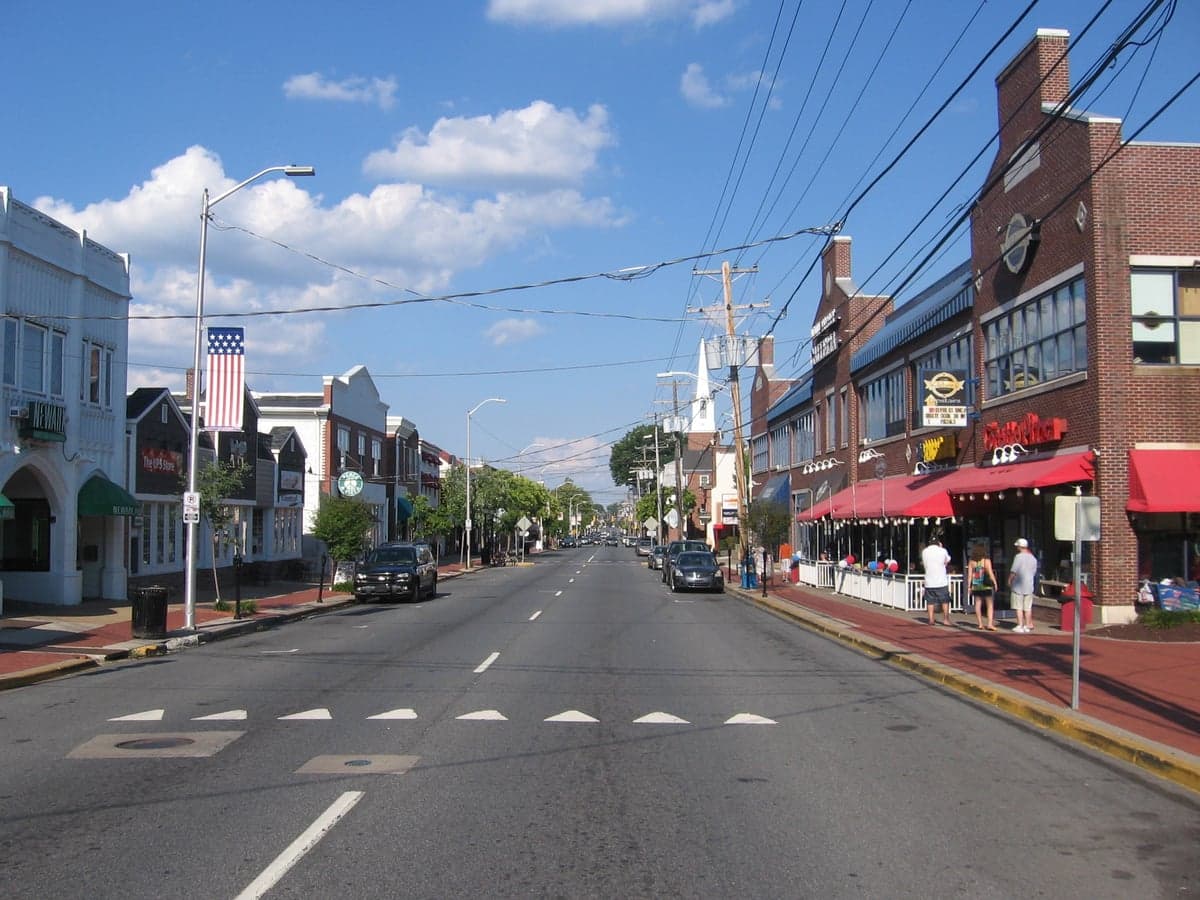
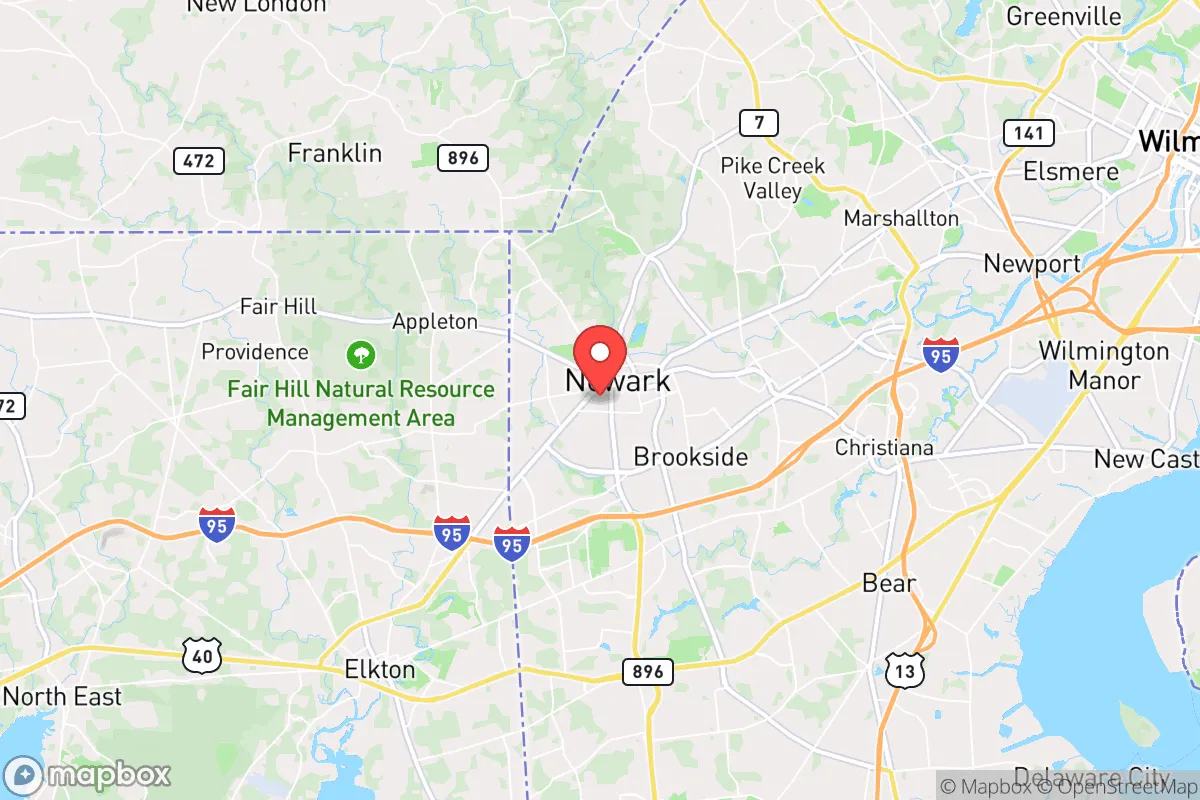
Photo: Wikipedia
Personal Sovereignty in Newark, DE
Viable for self-reliance. Generally workable, though some barriers may limit total independence.
What does Personal Sovereignty tell us?
Personal Sovereignty measures your capacity for self-reliance and independence with minimal government friction. Higher scores mean fewer barriers between you and the way you want to live... but it assumes you have the space you need and good neighbors.
What does this tell us?
Personal Sovereignty measures your capacity for self-reliance and independence with minimal government friction. Higher scores mean fewer barriers between you and the way you want to live... but it assumes you have the space you need and good neighbors.
State Policy
Energy independence: Importer (2% of energy produced in-state)
Personal Liberty
Homesteading

Personal Liberty Analysis
Newark, Delaware, presents a complex picture for those prioritizing personal sovereignty. While the state’s overall trajectory leans toward centralized control, Newark itself offers a few strategic advantages for the liberty-minded individual—chiefly its low property tax burden and proximity to less restrictive jurisdictions. However, the surrounding regulatory environment, particularly in the realms of firearms and medical autonomy, demands careful navigation. For a prepper or survivalist, Newark is less a sanctuary and more a tactical position: a low-tax base camp within striking distance of more permissive states, but one where you must remain vigilant against creeping government overreach.
Tax burden and regulatory posture: How Delaware’s policies affect your wallet and freedom
Delaware’s tax structure is a double-edged sword for the sovereignty-minded. On the plus side, the state has no sales tax, which means every dollar you earn stays in your pocket at the point of purchase—a significant advantage for bulk-buying preppers and those stocking long-term supplies. Property taxes in Newark are among the lowest in the Northeast, with effective rates around 0.8% of assessed value, far below neighboring Pennsylvania or Maryland. This keeps the cost of owning land and a home relatively low, freeing up capital for self-reliance investments. However, the state income tax is progressive, topping out at 6.6% for high earners, and Delaware’s corporate-friendly reputation masks a thicket of business licensing and environmental regulations that can hamper small-scale homesteading or home-based enterprises. The regulatory posture in New Castle County, where Newark sits, is notably more bureaucratic than in Sussex County to the south. For the survivalist, the low property tax is a clear win, but the income tax and permitting hurdles are a constant drain on autonomy.
Self-defense and gun law specifics: What Newark residents can and cannot do
This is where Delaware’s recent history stings for the liberty-minded. In 2022, the state passed a permit-to-purchase law for handguns, requiring a background check, fingerprinting, and a training course before you can even buy one. This is a clear infringement on the right to keep and bear arms, adding a bureaucratic layer that delays access. Furthermore, Delaware banned “assault weapons” and large-capacity magazines in 2022, though this law is currently tied up in federal court challenges. For now, owning an AR-15 or a standard 30-round magazine is illegal under state law, with a buyback period that expired—meaning new purchases are prohibited. Open carry is legal without a permit, but concealed carry now requires a permit (shall-issue, but with training and fees). Newark itself is a relatively safe college town, but the surrounding areas have seen property crime upticks. For the prepper, the message is clear: stock up on what you can legally own now, because the window is closing. Consider storing firearms and magazines in a trust or with a family member in a more permissive state like Pennsylvania, just across the border. Self-defense in Newark is legally constrained, and the trend is toward further restriction.
Self-reliance and homesteading viability: Lot sizes, zoning, and off-grid feasibility
Newark’s suburban character limits traditional homesteading. Most residential lots within city limits are a quarter-acre or less, and zoning ordinances restrict livestock—chickens are often allowed with a permit, but goats, pigs, or larger animals are generally prohibited. The city’s code also mandates connection to municipal water and sewer, making true off-grid living nearly impossible within town. However, the surrounding New Castle County countryside offers more promise. Unincorporated areas just outside Newark, such as Pike Creek or Hockessin, have 1- to 5-acre parcels where you can keep a few chickens, maintain a large garden, and install solar panels (though net metering is available, not full off-grid independence). Rainwater collection is legal but regulated for non-potable use only. For the survivalist, the best play is to buy a small plot outside city limits—within a 15-minute drive of Newark’s amenities—where you can establish a semi-self-sufficient base. The low property tax makes this financially viable, but be prepared to fight for permits if you want to build a root cellar, install a composting toilet, or erect a privacy fence over six feet. The regulatory appetite for “control” is real, but not insurmountable with patience and a good lawyer.
Personal liberties: Parental rights, medical autonomy, speech, and property
Delaware’s record on personal liberties is mixed and tilting toward state control. Parental rights have been eroded by the state’s adoption of “comprehensive” sex education standards that parents cannot opt out of entirely—only specific lessons. This is a red flag for those who believe education is a family matter. Medical autonomy took a hit with the state’s strict COVID-19 mandates, which included vaccine requirements for state employees and schoolchildren (now largely rescinded but setting a precedent). The state also has a “right-to-die” law, which some view as a liberty issue, but the broader medical freedom landscape is constrained by heavy licensing and insurance mandates. Free speech is generally protected, but Newark’s university environment can create a “chilling effect” on controversial opinions, especially on campus. Property rights are decent—eminent domain is rarely abused—but the state’s environmental regulations can limit what you do with your land, particularly near wetlands or waterways. For the sovereignty-minded parent or individual, Delaware is a state where you must be proactive: join local school boards, attend zoning hearings, and vote in every primary. The default is toward more government control, but organized resistance can slow the tide.
In the broader landscape of personal sovereignty, Newark, Delaware, ranks as a middle-ground location with a downward trajectory. It offers genuine financial advantages—low property taxes and no sales tax—that free up resources for self-reliance. But the state’s recent gun bans, medical mandates, and erosion of parental rights signal a government that sees itself as the arbiter of your choices. Compared to a state like New Hampshire or Idaho, Newark is a compromise: you get economic breathing room but must accept a growing list of “thou shalt nots.” For the strategic prepper, the best approach is to treat Newark as a base of operations—a place to earn, save, and build capital—while maintaining a secondary location or strong ties to a more permissive state. The fight for sovereignty here is not lost, but it is a daily battle against a bureaucracy that believes it knows better than you do. Stay informed, stay organized, and never assume your rights are permanent.

* Values derived from national, state, county, city and local statistics and may differ in a specific area. Last updated: 2026-04-29T23:51:10.000Z
Narrative content on this page is AI-generated and may contain mistakes. Verify any details that matter before acting on them.
ReloMaps may earn a commission from affiliate links at no extra cost to you.

