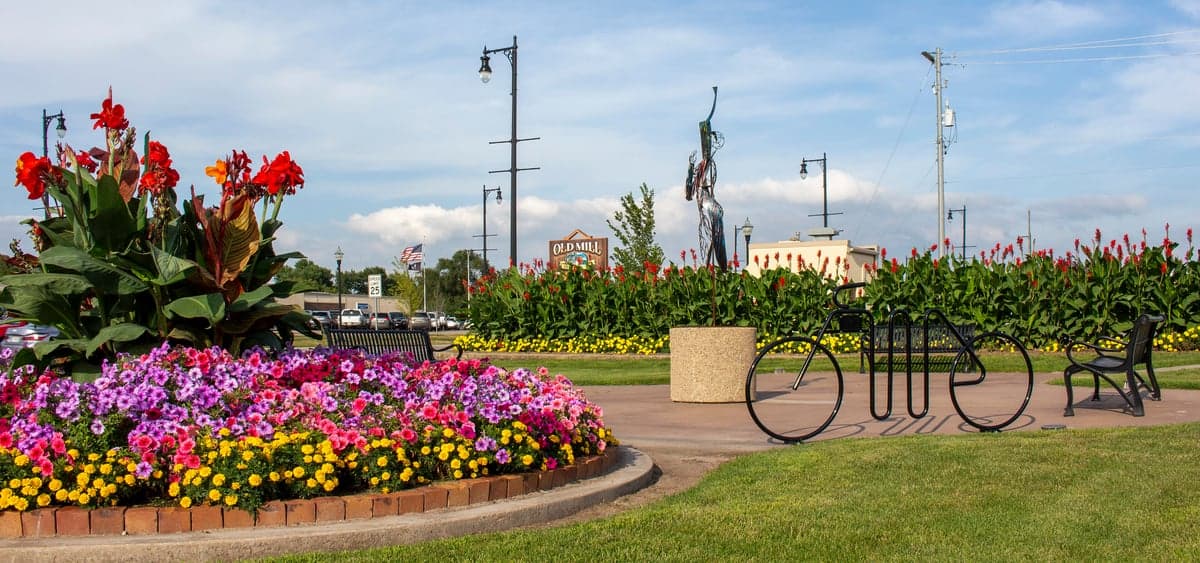
Photo: Wikipedia
Quality of Life in Norfolk, NE
A high quality of life with strong walkability, manageable living costs, healthy neighborhood signals, and solid amenity access.
What does Quality of Life tell us?
Quality of Life blends cost of living, nearby amenities, socioeconomic signals, and neighborhood character. City-level scores represent the whole municipality; individual neighborhoods can differ.
What does this tell us?
Quality of Life blends cost of living, nearby amenities, socioeconomic signals, and neighborhood character. City-level scores represent the whole municipality; individual neighborhoods can differ.
Cost of Living
28% below national average
The Real Cost of Living in Norfolk, NE for 2026
| Tier | Individual | Family (4) |
|---|---|---|
| Survival | $14k | $26k |
| Comfortable | $39k | $57k |
| Luxury | $112k+ | $174k+ |
| Elite (Top 5%) | $145k+ | $224k+ |
109%
The Area Signal
A metric tracking the socioeconomic signals of the area.
Hobbies
Explore the areaGroceries
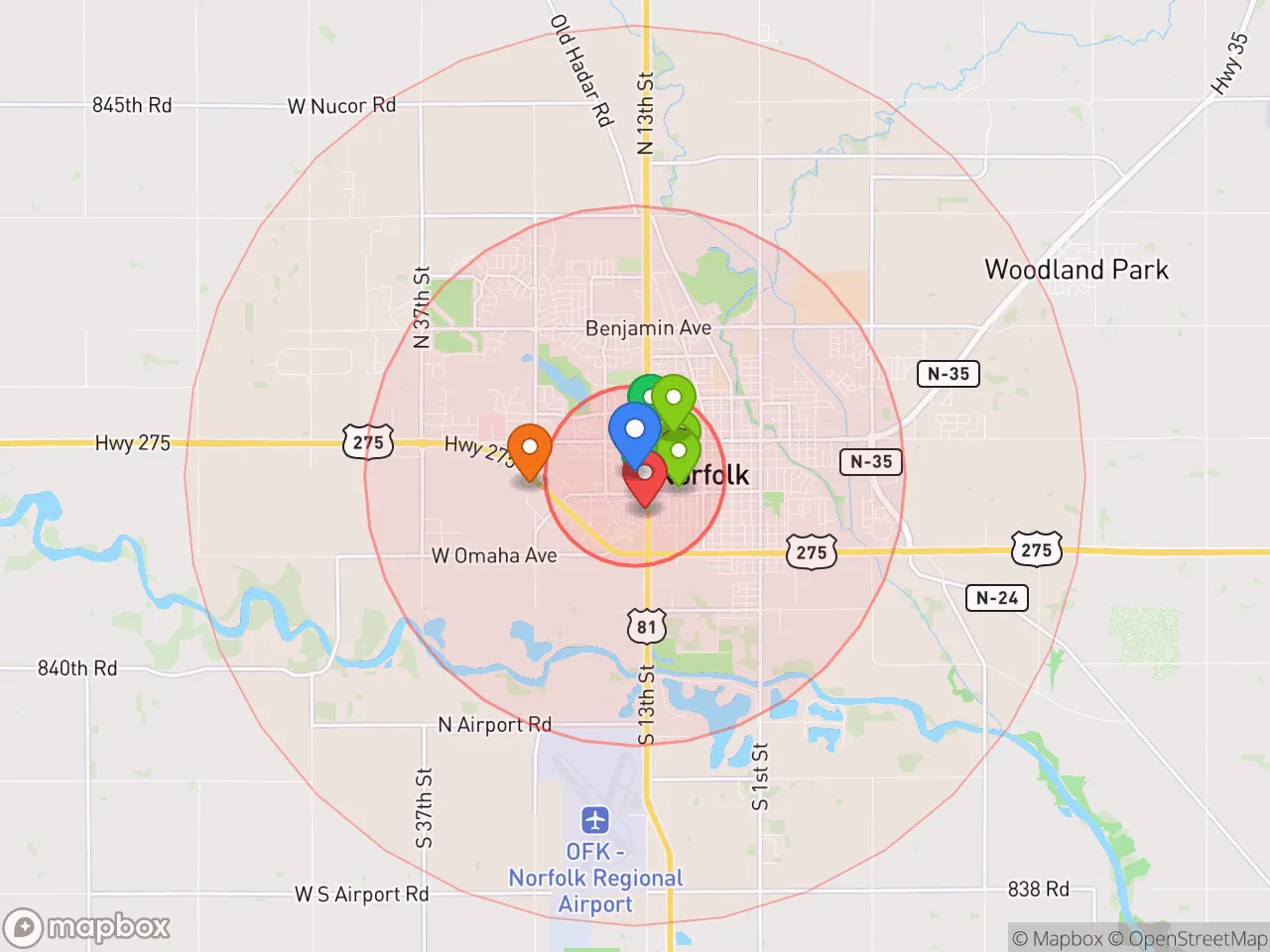
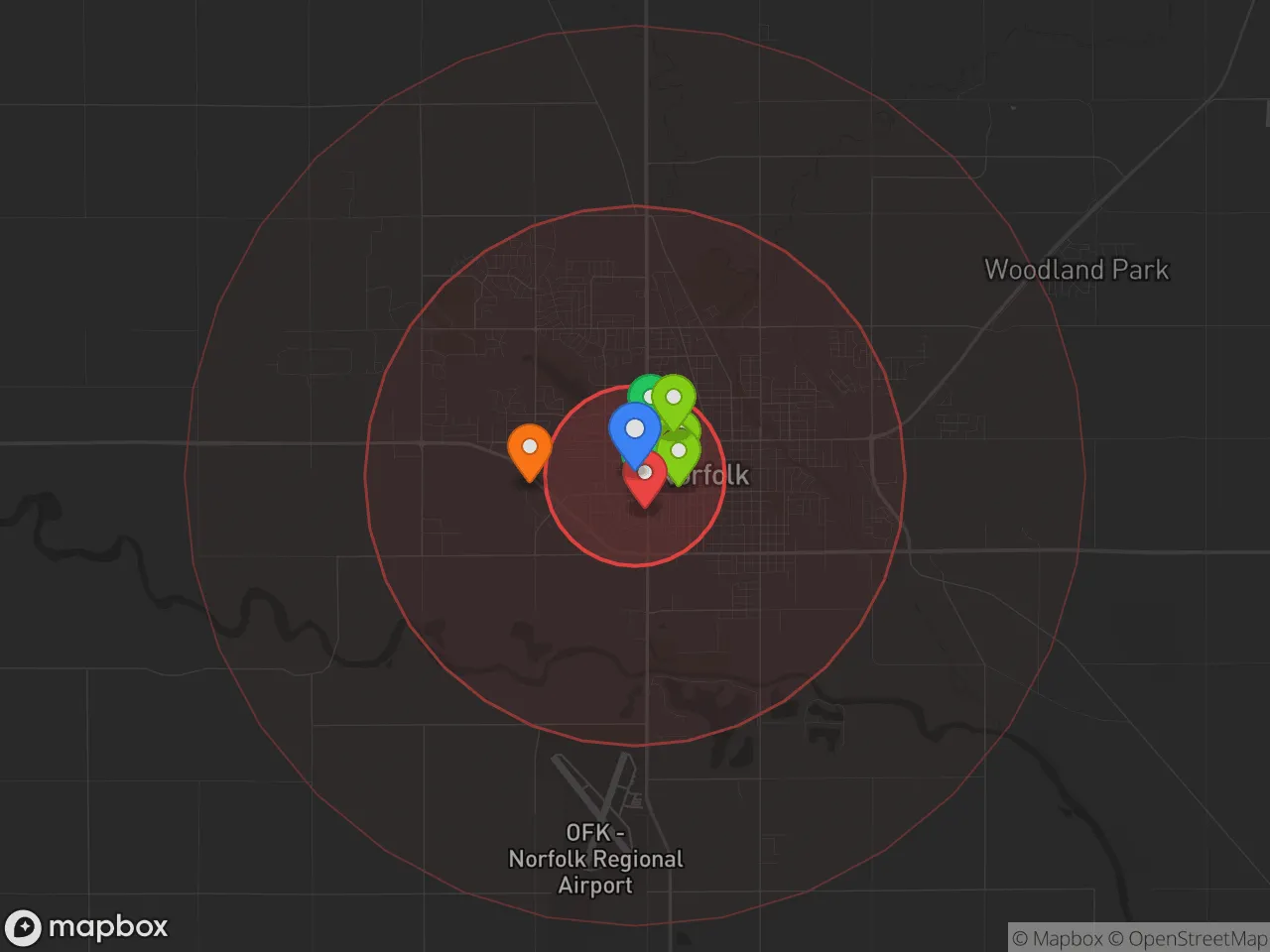
3 within 10 miles
Gas
6 within 10 miles
Hospital
4 within 20 miles
Airport
MCI — Kansas City International
Post Office
USPS — Norfolk, NE
Critical Amenities
Quality-of-Life Analysis
Norfolk, Nebraska, offers a quality of life defined by genuine affordability and a strong sense of community, attracting a mix of young families, established tradespeople, and retirees seeking a lower cost of living without sacrificing access to essential services. With a cost of living index of 72—well below the national average of 100—the city provides a financial cushion that allows residents to own homes and save more than they could in larger metropolitan areas. The population is notably family-oriented and civic-minded, with many residents employed in healthcare, manufacturing, and education, creating a stable, middle-class environment where neighbors know each other and local events draw consistent participation.
How housing costs and daily expenses compare to nearby cities
Norfolk’s affordability is its most defining quality-of-life feature, particularly in housing. The median home value sits at $199,100, a figure that is roughly half the national median and significantly lower than in Nebraska’s larger cities like Omaha or Lincoln, where comparable homes often exceed $300,000. Renters also benefit, with a median rent of $850 per month, making it feasible for single-income households and young professionals to live comfortably. The average commute time of just 12.8 minutes is a major practical advantage—far shorter than the national average of 26 minutes—meaning less time in traffic and more time for family, hobbies, or side projects. While grocery and utility costs are slightly below the national average, the biggest savings come from housing and transportation, allowing residents to allocate income toward savings, local recreation, or home improvements.
What daily life is like for families and professionals
Daily life in Norfolk revolves around a manageable pace and accessible amenities. The city’s school system, Norfolk Public Schools, is a central draw for families, offering several elementary schools, a middle school, and Norfolk Senior High School with a range of extracurricular programs. For healthcare, Faith Regional Health Services provides a full-service hospital and specialty clinics, reducing the need to travel for routine or emergency care. Shopping and dining are concentrated along Highway 275 and 13th Street, with national retailers like Walmart and Hy-Vee supplemented by local restaurants and cafes such as Divots Conference Center and the Skyview Lake area for outdoor recreation. The city also hosts community events like the Norfolk Area Farmers Market and the annual Nebraska State BBQ Championship, which foster a tight-knit social fabric. For those seeking more urban entertainment, Omaha is a two-hour drive south, but most residents find that Norfolk’s own parks, library, and YMCA meet their daily needs without the hassle of big-city congestion.
Norfolk is best suited for individuals and families who prioritize financial stability, short commutes, and a slower, more connected lifestyle over the constant stimulation of a major metropolis. It appeals strongly to people working in healthcare, manufacturing (such as at Nucor Steel or Behlen Manufacturing), or education, as well as retirees looking to stretch their savings. Those who thrive here value community involvement, outdoor activities like fishing at Skyview Lake, and the security of knowing their housing costs are predictable and manageable. While nightlife and cultural diversity are limited compared to larger cities, the trade-off is a safe, affordable, and supportive environment where residents can build long-term roots.

Crime in Norfolk, NE
Lower crime rates than 87% of comparable U.S. locations.
Violent CrimeViolent Crime Analysis
Property CrimeProperty Crime Analysis
Crime Analysis
Norfolk, Nebraska, presents a mixed safety profile. The city’s violent crime rate of 221.1 per 100,000 residents is notably lower than the national average, but its property crime rate of 987.4 per 100,000 sits slightly above the national median, indicating that theft and burglary are the primary concerns for most residents. While Norfolk is not a high-crime city by national standards, its status as a regional hub in northeast Nebraska means it faces crime pressures typical of a growing small city.
Crime in context
Compared to Nebraska’s statewide violent crime rate of roughly 250 per 100,000, Norfolk’s 221.1 figure is about 12% lower, placing it in a safer tier than the state average. However, the property crime rate of 987.4 per 100,000 is roughly 15% higher than the Nebraska average of 860 per 100,000, driven largely by larceny-theft and motor vehicle theft. Nationally, Norfolk’s violent crime rate is about half the U.S. average of 380 per 100,000, while its property crime rate is close to the national figure of 1,000 per 100,000. The city benefits from being in a conservative, rural state where law enforcement resources are generally stable, and local judges and district attorneys in northeast Nebraska typically take a firm stance on repeat offenders—a factor that helps keep violent crime low compared to more progressive jurisdictions where lenient sentencing can lead to higher recidivism.
What residents experience
For daily life in Norfolk, the most tangible risk is property crime. Residents report occasional vehicle break-ins, package thefts from porches, and bicycle thefts, particularly near the downtown core and around the Norfolk Regional Airport area. Violent crime is rare but not absent; incidents are often concentrated in specific apartment complexes or late-night bar districts along Norfolk Avenue. Domestic violence and simple assault make up the majority of violent offenses, while robbery and homicide are extremely uncommon—the city typically records 0-1 homicides per year. The Norfolk Police Division maintains a visible presence, and community policing initiatives like the Neighborhood Watch program are active in several subdivisions.
Neighborhood-level variation is moderate. The safest areas are generally the newer subdivisions on the west and south sides of town, such as the Skyline Park and Sunset Heights neighborhoods, where crime is virtually nonexistent. Older blocks near the downtown core and the industrial areas along the Elkhorn River see higher rates of property crime. The area around the Norfolk Housing Authority complexes on the north side also reports elevated calls for service. Overall, Norfolk is a safe city for families and retirees, but newcomers should secure their vehicles and homes against theft—especially if living in or near the central corridor.
* Values derived from national, state, county, city and local statistics and may differ in a specific area. Last updated: 2026-04-23T02:30:40.000Z
Narrative content on this page is AI-generated and may contain mistakes. Verify any details that matter before acting on them.
ReloMaps may earn a commission from affiliate links at no extra cost to you.

