 Popular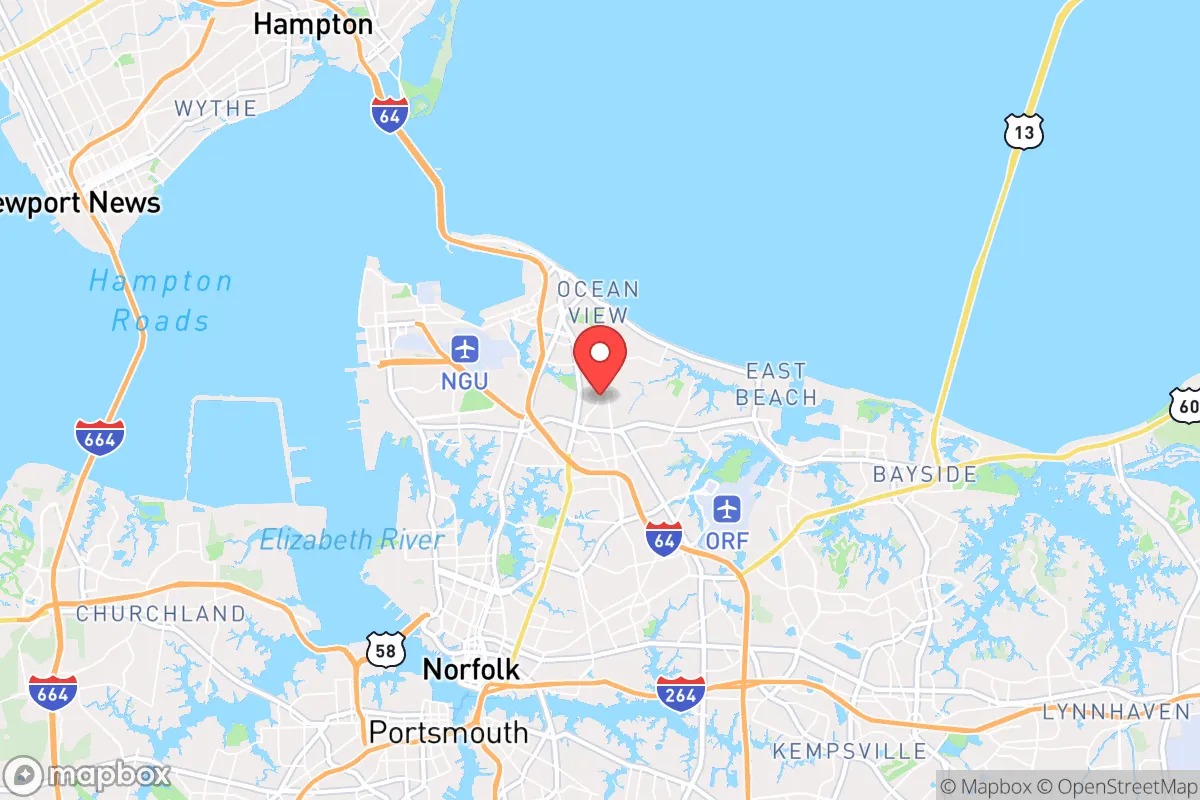
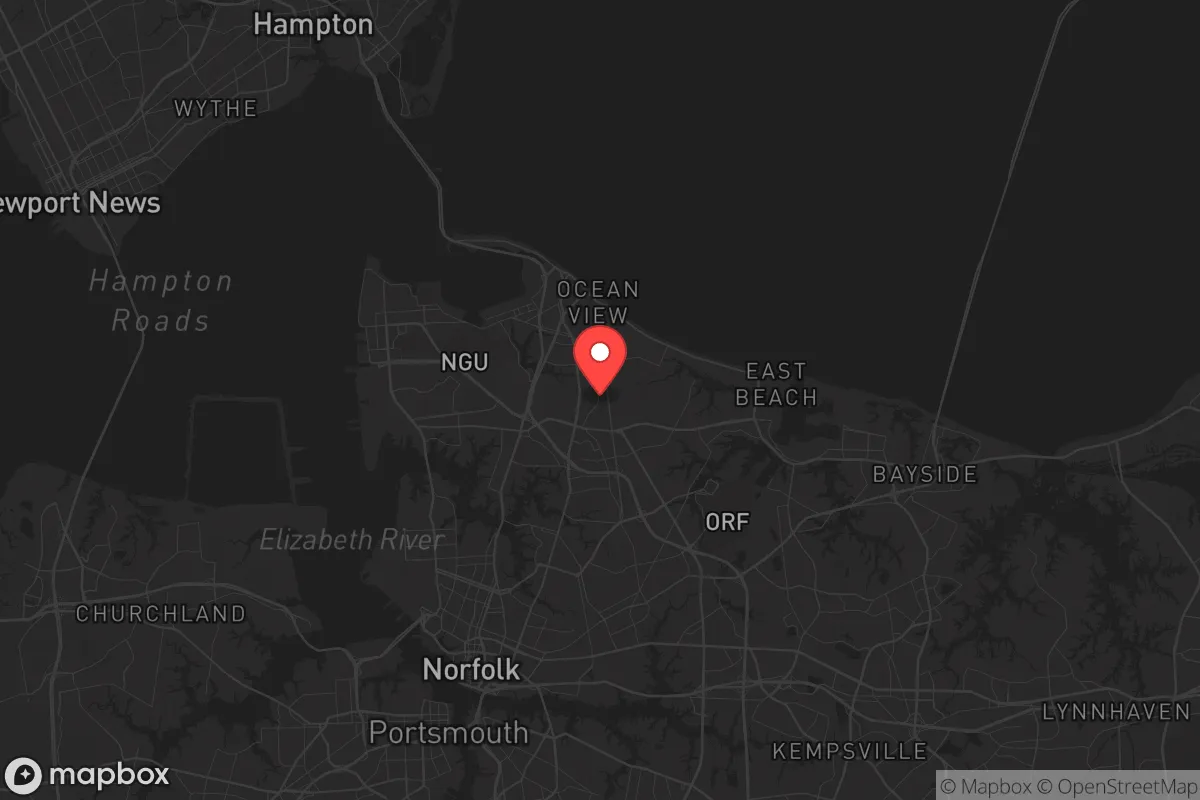
Photo: Wikipedia
Quality of Life in Norfolk, VA
Above-average quality of iife. The area offers a reasonable cost of living, decent mobility, and a mix of neighborhood amenities.
What does Quality of Life tell us?
Quality of Life blends cost of living, nearby amenities, socioeconomic signals, and neighborhood character. City-level scores represent the whole municipality; individual neighborhoods can differ.
What does this tell us?
Quality of Life blends cost of living, nearby amenities, socioeconomic signals, and neighborhood character. City-level scores represent the whole municipality; individual neighborhoods can differ.
Cost of Living
3% above national average
The Real Cost of Living in Norfolk, VA for 2026
| Tier | Individual | Family (4) |
|---|---|---|
| Survival | $20k | $37k |
| Comfortable | $53k | $78k |
| Luxury | $116k+ | $179k+ |
| Elite (Top 5%) | $144k+ | $223k+ |
82%
The Area Signal
A metric tracking the socioeconomic signals of the area.
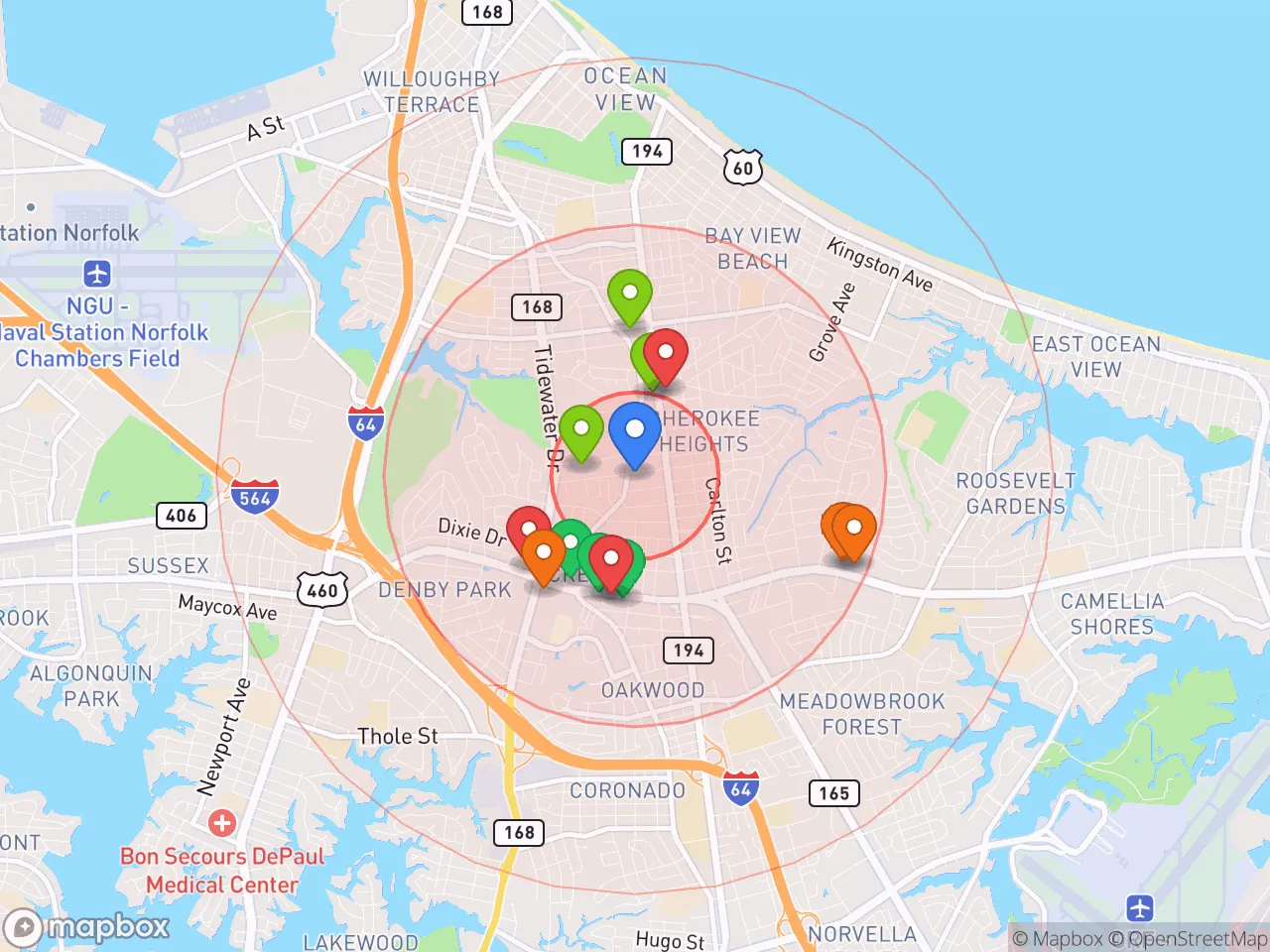
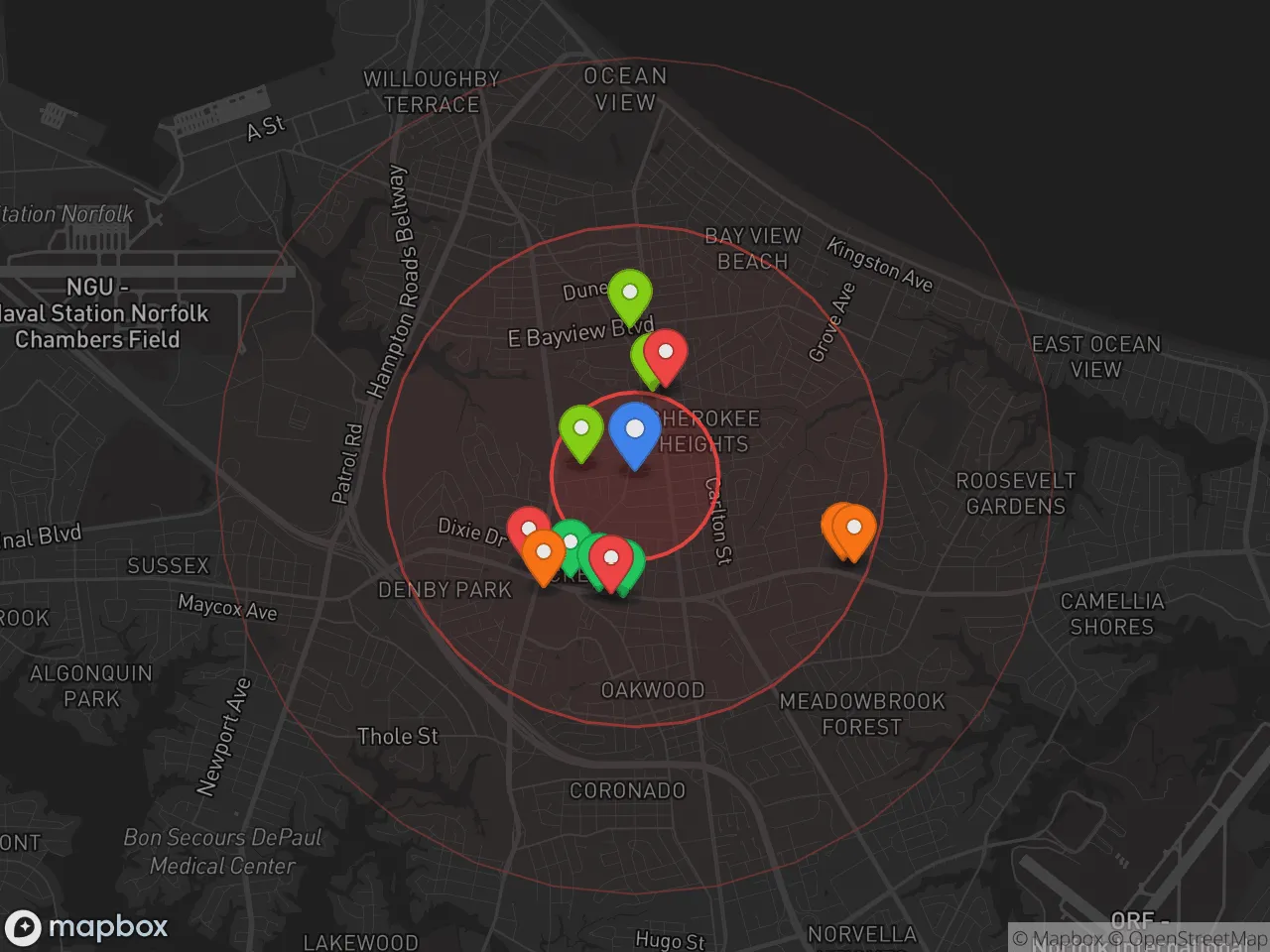
Hobbies
Explore the areaGroceries
5 within 10 miles
Gas
20 within 10 miles
Hospital
20 within 20 miles
Airport
DCA — Ronald Reagan Washington National
Post Office
USPS — Norfolk, VA
Critical Amenities
Quality-of-Life Analysis
Norfolk, Virginia, presents a quality of life defined by its role as a major military, port, and cultural hub, attracting a diverse population of active-duty service members, defense contractors, maritime professionals, and young professionals drawn to its historic waterfront. The city’s affluence is moderate compared to the national average, with a cost of living index of 103 (where 100 equals the U.S. average), placing it slightly above the national baseline but significantly more affordable than neighboring Virginia Beach (index ~108) and the Washington, D.C. metro area (index ~140). The median household income in Norfolk hovers around $55,000, reflecting a mix of military pay scales, port-related wages, and service-sector employment, creating a community that is economically diverse but not wealthy by regional standards.
Cost of living, housing affordability, and how Norfolk compares to nearby cities
Norfolk’s housing market is a key draw for budget-conscious movers. The median home value sits at $271,900, which is roughly $30,000 below the national median and nearly $100,000 less than the median in Virginia Beach. Median rent is $1,246, undercutting the national average of $1,400 and offering a clear affordability advantage over the broader Hampton Roads region. The average commute time is 22.9 minutes, notably shorter than the national average of 26 minutes, thanks to the city’s compact layout and the presence of major employers like Naval Station Norfolk, the world’s largest naval base, which is located within city limits. However, property taxes in Norfolk are higher than in surrounding counties—at a rate of roughly $1.20 per $100 of assessed value versus $0.95 in Chesapeake—so buyers should factor that into monthly costs. For renters, the market is competitive near the Ghent and Downtown districts, where walkability and nightlife drive demand, while neighborhoods like Larchmont and Colonial Place offer more space for families at similar rent levels.
What daily life is like: amenities, schools, and neighborhood rhythm
Daily life in Norfolk revolves around its strong sense of place, anchored by the Elizabeth River waterfront, the Chrysler Museum of Art, and the Norfolk Botanical Garden. The city’s public school system, Norfolk Public Schools, serves roughly 25,000 students and includes several magnet programs—such as the Academy of International Studies at Granby High School—but overall performance lags behind Virginia Beach and Chesapeake, with a graduation rate around 82% versus 90% in neighboring districts. For families, the Ghent neighborhood offers tree-lined streets, local coffee shops, and the popular Ghent Farmers Market, while the Ocean View area provides beach access and a more laid-back, retiree-friendly pace. The city’s rhythm is shaped by its military presence: frequent deployments, base traffic near Gate 5, and a transient population mean that social circles often form around unit affiliations or neighborhood associations. Dining and entertainment are concentrated in the Neon District, known for its murals and craft breweries, and at the Waterside District, a revitalized entertainment complex with restaurants and live music.
Norfolk is best suited for individuals and families who value urban amenities, cultural institutions, and a strong sense of community over suburban sprawl or high-end retail. Military personnel and defense workers will find the most seamless transition, given the city’s deep integration with the Navy and shipbuilding industries. Young professionals and artists will appreciate the relatively low rent and vibrant arts scene, while families should weigh the school trade-offs against the lower home prices and shorter commutes. Retirees may prefer the quieter pace of Ocean View or the historic charm of the West Ghent district. Overall, Norfolk offers a balanced, affordable urban lifestyle with a distinct maritime character that few other mid-sized U.S. cities can match.

Crime in Norfolk, VA
Higher crime rates than 66% of comparable U.S. locations.
Violent CrimeViolent Crime Analysis
Property CrimeProperty Crime Analysis
Crime Analysis
Norfolk, Virginia, presents a crime landscape that demands careful consideration, particularly for those relocating from safer suburban or rural environments. The city's overall safety picture is significantly challenged by property crime rates that far exceed both state and national averages, while violent crime also registers at levels that warrant concern. Prospective residents should be aware that Norfolk's status as a large metro area, combined with the influence of progressive judicial policies in the region, contributes to a public safety environment where the balance between offender rehabilitation and community protection is often tilted in favor of the former.
Crime in context
Norfolk's reported violent crime rate stands at 396.8 incidents per 100,000 residents, a figure that is notably higher than the national average of approximately 380 per 100,000 and significantly above the Virginia state average of roughly 240 per 100,000. The property crime picture is even more stark, with a rate of 3,160.4 per 100,000—nearly double the national average and far exceeding the Virginia state average. These statistics place Norfolk among the higher-crime cities in the Hampton Roads region, trailing only Portsmouth in overall crime volume. The city's dense urban core, significant port activity, and economic disparities create conditions where property crimes like larceny, burglary, and motor vehicle theft are persistent problems.
What residents experience
For those living in Norfolk, the most tangible daily impact is the high likelihood of property crime. Residents frequently report vehicle break-ins, package thefts, and home burglaries, particularly in neighborhoods near the downtown corridor and military bases. The violent crime rate, while lower than property crime, still translates to a tangible risk of robbery and aggravated assault in certain areas. A critical factor shaping this reality is the legal environment: Norfolk is part of a judicial circuit that has, in recent years, seen the election of progressive prosecutors and judges who prioritize alternatives to incarceration and reduced sentencing for non-violent and even some violent offenses. While intended to reduce mass incarceration, this approach has a direct, negative consequence: more offenders are returned to the streets more quickly, increasing the likelihood of repeat victimization and eroding deterrence. This judicial philosophy, sympathetic to the circumstances of offenders, often comes at the expense of justice for victims and the broader public's sense of security.
Neighborhood-level variation
Safety in Norfolk is not uniform. The Ghent and Larchmont neighborhoods, for example, experience significantly lower rates of violent crime than areas like Huntersville or the St. Paul's quadrant. However, even in safer enclaves, property crime remains a persistent nuisance. The city's proximity to Naval Station Norfolk and its transient military population also creates unique crime dynamics, including scams and thefts targeting service members. For anyone considering a move, a thorough block-by-block assessment is essential, as a few blocks can separate a relatively safe street from one with frequent police activity. The overarching reality, however, is that Norfolk's crime challenges are structural, exacerbated by a justice system that often prioritizes leniency over public safety.
* Values derived from national, state, county, city and local statistics and may differ in a specific area. Last updated: 2026-05-01T18:44:04.000Z
Narrative content on this page is AI-generated and may contain mistakes. Verify any details that matter before acting on them.
ReloMaps may earn a commission from affiliate links at no extra cost to you.

