Photo: Wikipedia
Find The Best Places To Live
in Virginia Beach
PRO TIP! You can paste a Zillow or Redfin link to get info on that property.
What It's Like Living in Virginia Beach, VA
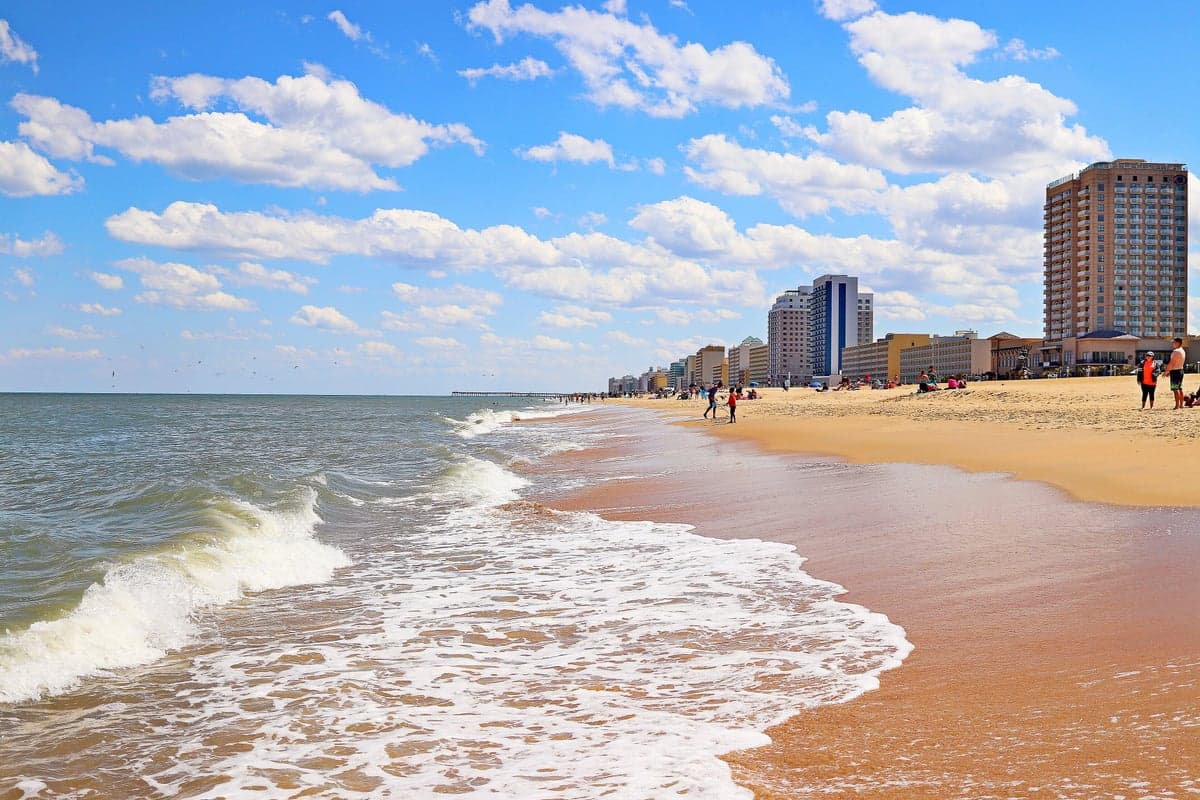
Virginia Beach is a place where the military, tourism, and a quieter suburban life all coexist along 35 miles of shoreline. It’s big enough to have its own identity—distinct from Norfolk or Chesapeake—but small enough that you still run into people you know at the grocery store. For a conservative-leaning audience, it offers a mix of solid job stability, family-friendly neighborhoods, and a pace that slows down noticeably once summer crowds leave.
The Daily Rhythm: Work, Commute, and Weekend Life
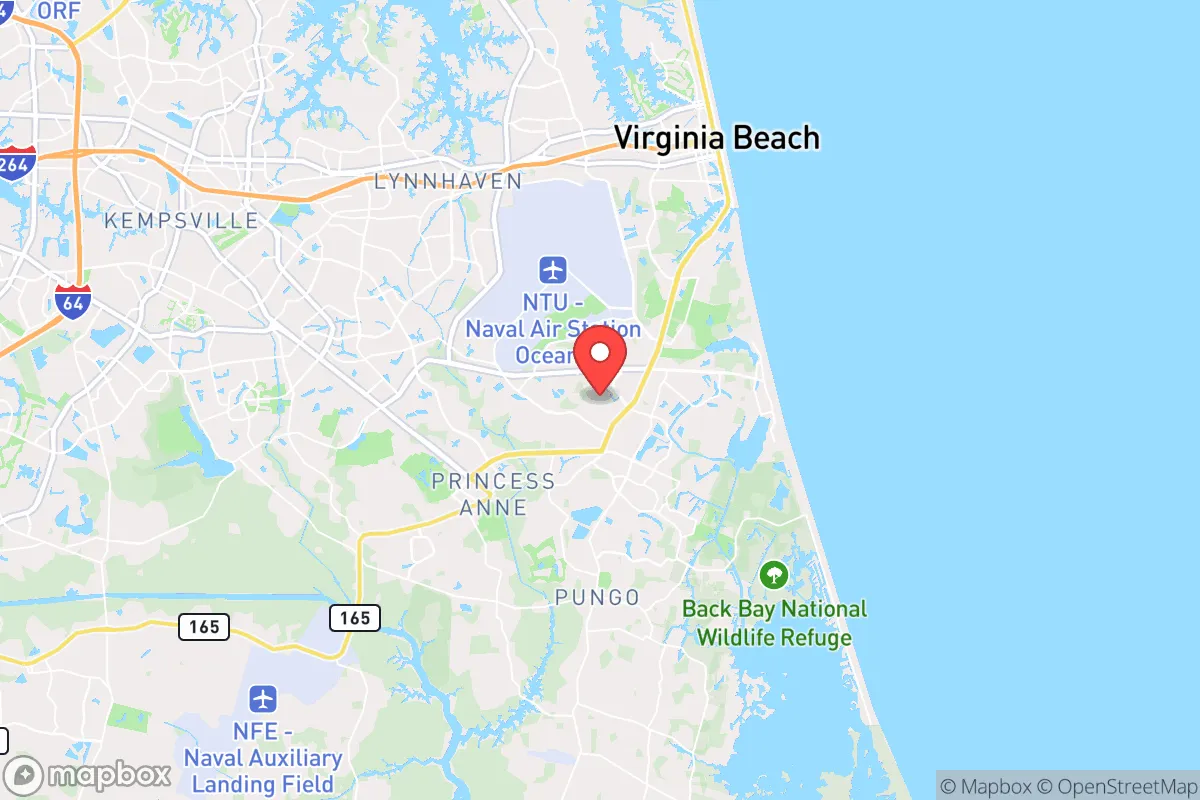
Most people here work in the military, defense contracting, healthcare, or tourism. Naval Air Station Oceana and Joint Expeditionary Base Little Creek are the two biggest employers, and you’ll see active-duty personnel and veterans everywhere—at the gym, at church, at the kids’ soccer games. The median income of $90,685 reflects that steady government and defense work, and the median home value of $366,300 is still within reach for a dual-income family, though prices have climbed noticeably since 2020. The average commute is just over 23 minutes, which feels reasonable for a city of 457,000 people—you can get from the Kempsville area to the oceanfront in about 25 minutes outside of summer traffic.
Weekends are often spent at the beach (even locals go, just earlier in the morning), on the water fishing or kayaking, or at one of the many city parks—First Landing State Park is a favorite for hiking through maritime forest. Shopping leans toward chains like Lynnhaven Mall, but locals know the smaller spots: the Farmers Market on Dam Neck Road for produce, or the local hardware stores that still know your name. The cost of living index sits at 137, which is higher than the national average, but you’re paying for proximity to the ocean and a relatively low crime rate—violent crime is 90.4 per 100,000, well below the national average for a city this size.
Sports, Community, and the Local Identity
High school football is a big deal here—Ocean Lakes, Cox, and Kellam games draw crowds on Friday nights, and the rivalry between Bayside and Landstown is genuine. There’s no major pro sports team in the city itself, but the Norfolk Admirals (hockey) and the Norfolk Tides (baseball) are a short drive away, and many residents are die-hard Virginia Tech or UVA fans. The city’s identity is deeply tied to the military—you’ll see “Hooah” stickers on trucks and flags flying in front of houses year-round. There’s also a strong sense of local tradition around the Neptune Festival in September, which brings the whole community to the boardwalk for sand sculptures, a parade, and a surf competition.
One quirk: locals rarely call it “VB” in conversation—it’s always “Virginia Beach,” and they’ll correct you if you lump it in with Norfolk. The city is also notably more conservative than its neighbors; the military presence and suburban sprawl create a culture that values order, respect for service, and a slower pace of life. About 40.4% of adults hold a college degree, which is on par with the national average, but the workforce here is more blue-collar and trade-oriented than in tech-heavy cities.
What’s There to Do: From the Boardwalk to the Back Bay
The oceanfront is the obvious draw—the three-mile boardwalk is packed with bike rentals, ice cream shops, and restaurants like Waterman’s Surfside Grille (known for the orange crush drink) and Chix on the Beach for a casual oyster lunch. But locals know the real gems are a bit inland: the Back Bay National Wildlife Refuge for kayaking, the ViBe Creative District for local art and live music, and the many neighborhood parks like Red Wing Park with its Japanese garden. Summer brings a constant stream of festivals—the Patriotic Festival at the Convention Center, the American Music Festival, and the Sandstock concert series on the beach.
For families, the Virginia Aquarium & Marine Science Center is a year-round staple, and the Adventure Park at the Virginia Beach Sportsplex offers zip-lining and ropes courses. The median age here is 37.4, which means you’re surrounded by families with young kids and empty-nesters alike—there’s a strong sense of community at the local YMCAs and church groups. The downsides? Summer traffic on Atlantic Avenue can be a nightmare, and the humidity from June through August is relentless. Locals also grumble about the “tourist tax” on restaurant prices and the seasonal crowds that make the beach feel like a theme park from Memorial Day to Labor Day.
Pros and Cons of Living Here
- Pro: Stable job market anchored by the military and defense sector, with good schools (Kellam High, First Colonial High) that are highly rated and deeply involved in the community.
- Pro: Outdoor lifestyle year-round—mild winters, plenty of water access, and a low violent crime rate that makes walking the boardwalk at night feel safe.
- Con: Cost of living is 37% above the national average, driven by housing and insurance costs (flood insurance is a real expense near the coast).
- Con: Summer tourism turns the oceanfront into a zoo, and traffic on I-264 and Shore Drive can add 20 minutes to a simple errand.
- Con: The city is spread out and car-dependent—there’s no real downtown core, and nightlife is limited to a few strips like the ViBe District or the Town Center area.
Virginia Beach works best for someone who values stability, outdoor recreation, and a community that respects service and tradition. It’s not a place for night owls or people who want a fast-paced urban life—but for raising a family, building a career in defense or healthcare, and having the ocean as your backyard, it’s hard to beat.

Similar mid-size cities to Virginia Beach

* Values derived from national, state, county, city and local statistics and may differ in a specific area. Last updated: 2026-04-24T01:53:40.000Z
Narrative content on this page is AI-generated and may contain mistakes. Verify any details that matter before acting on them.
ReloMaps may earn a commission from affiliate links at no extra cost to you.

