Photo: Wikipedia
Quality of Life in Norman, OK
A high quality of life with strong walkability, manageable living costs, healthy neighborhood signals, and solid amenity access.
What does Quality of Life tell us?
Quality of Life blends cost of living, nearby amenities, socioeconomic signals, and neighborhood character. City-level scores represent the whole municipality; individual neighborhoods can differ.
What does this tell us?
Quality of Life blends cost of living, nearby amenities, socioeconomic signals, and neighborhood character. City-level scores represent the whole municipality; individual neighborhoods can differ.
Cost of Living
11% below national average
The Real Cost of Living in Norman, OK for 2026
| Tier | Individual | Family (4) |
|---|---|---|
| Survival | $17k | $32k |
| Comfortable | $46k | $68k |
| Luxury | $118k+ | $182k+ |
| Elite (Top 5%) | $151k+ | $233k+ |
95%
The Area Signal
A metric tracking the socioeconomic signals of the area.
Hobbies
Explore the areaGroceries
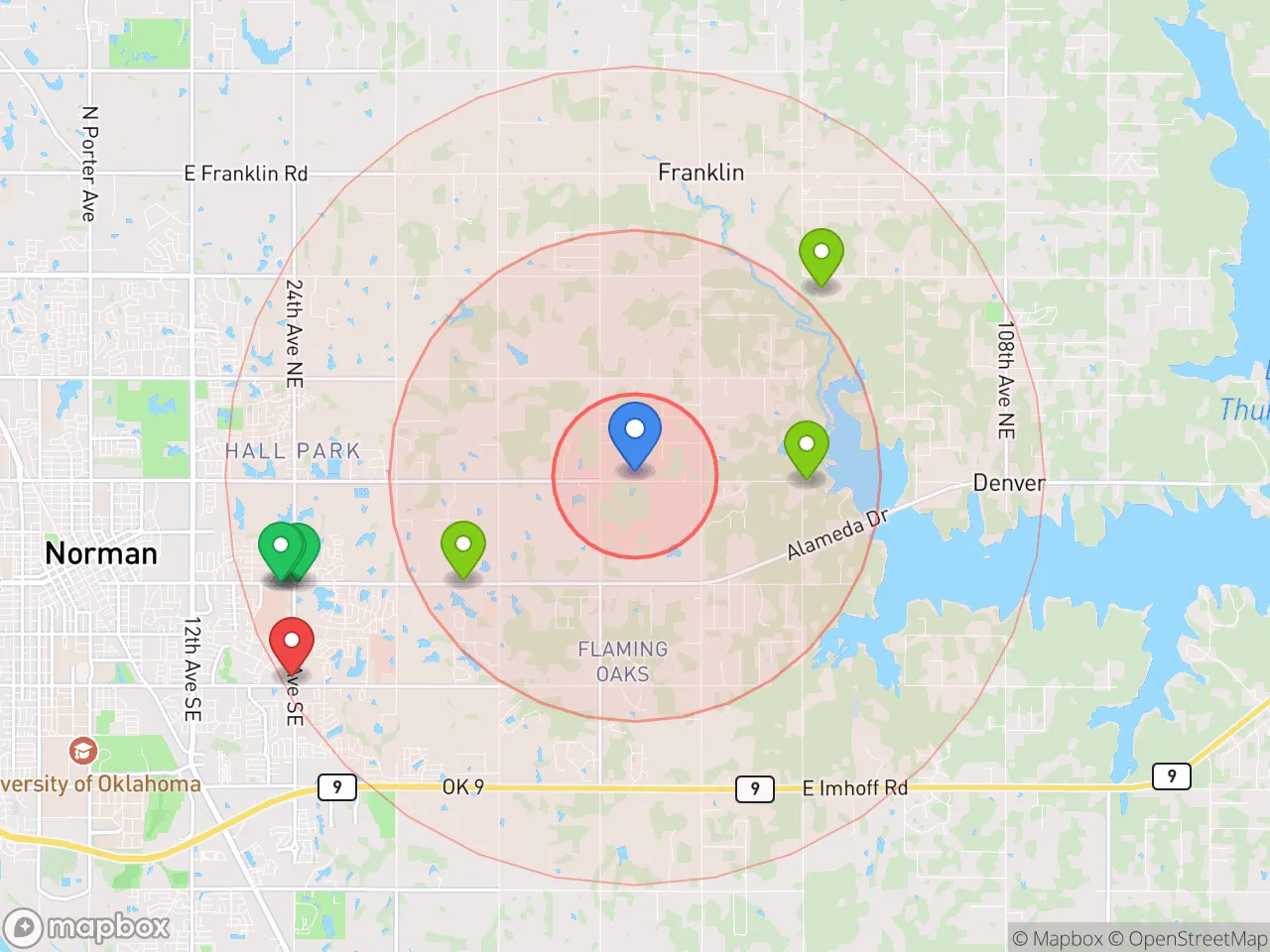
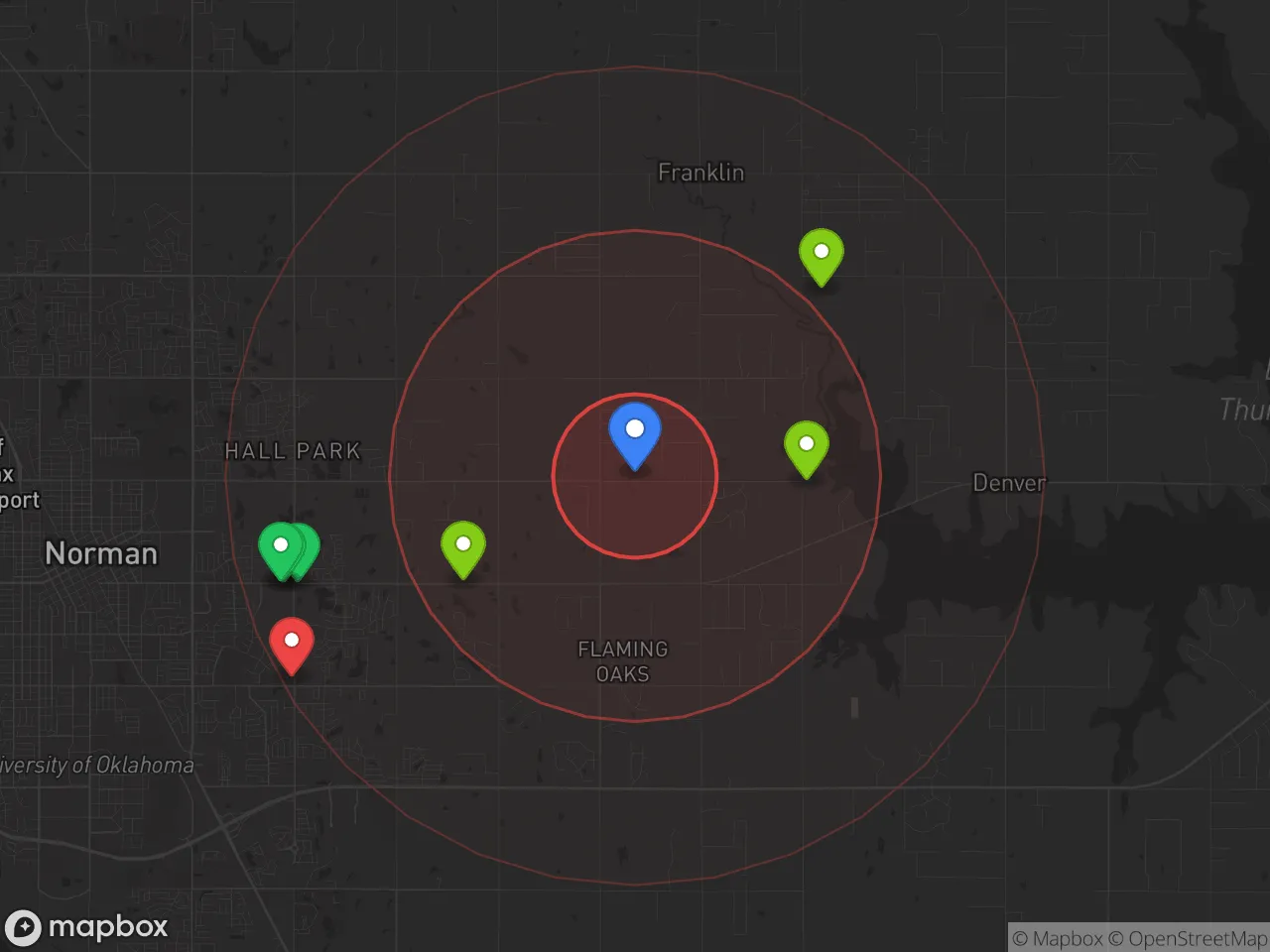
6 within 10 miles
Gas
20 within 10 miles
Hospital
20 within 20 miles
Airport
DFW — Dallas/Fort Worth International
Post Office
USPS — Norman, OK
Critical Amenities
Quality-of-Life Analysis
Norman, Oklahoma, presents a quality of life defined by a blend of university-town energy and suburban stability, with a cost of living that consistently undercuts national averages. The city’s affluence is moderate and broad-based, anchored by the University of Oklahoma (OU) and a growing base of healthcare and tech employers, attracting a mix of academics, young professionals, and families seeking a balanced, affordable lifestyle. With a cost of living index of 89 (where 100 equals the U.S. average), Norman offers residents significantly more purchasing power than the national norm, a key factor in its appeal.
How housing costs and everyday expenses compare to nearby cities
Norman’s affordability is a standout feature, particularly when compared to larger Oklahoma metros like Oklahoma City or Edmond. The median home value sits at $239,300, roughly $30,000 below the national median and notably lower than Edmond’s median of around $310,000. Renters also benefit, with a median rent of $1,064—well under the national average of $1,400 and about $200 less than comparable units in Oklahoma City’s more desirable districts. Everyday expenses like groceries and utilities also track below the U.S. baseline, meaning a typical household’s dollar stretches further here. The average commute time of 22.2 minutes is shorter than the national average of 26 minutes, reducing transportation costs and adding to the sense of convenience. For those moving from pricier regions like the West Coast or Northeast, the difference in housing costs alone can be transformative, freeing up income for savings or recreation.
What daily life is like for families and professionals in Norman
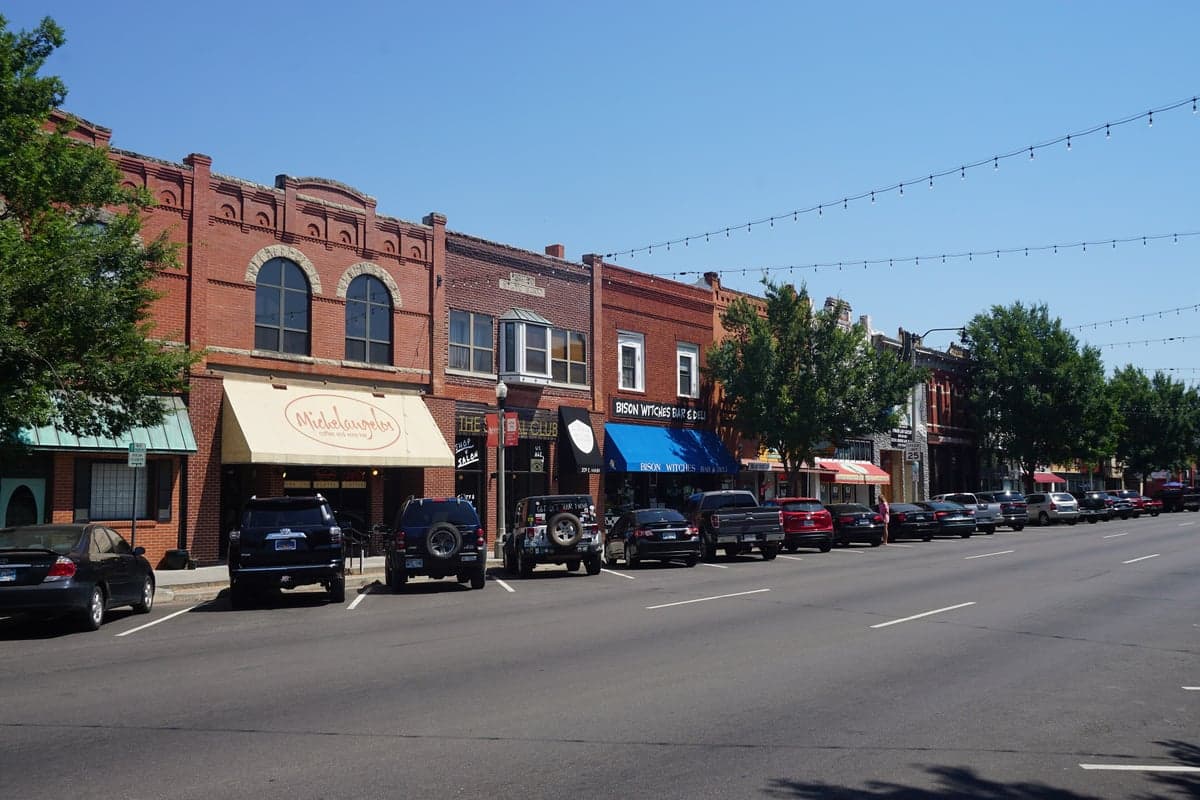
Daily life in Norman is shaped by its dual identity as a college town and a family-oriented community. The University of Oklahoma anchors the cultural and recreational scene, offering free museums like the Fred Jones Jr. Museum of Art, Division I athletics, and year-round events such as the Norman Music Festival. For families, the Norman Public School system is a major draw, with several elementary schools rated above state averages and the prestigious Norman High School and Norman North High School offering Advanced Placement and International Baccalaureate programs. Outdoor amenities are plentiful: the 1,500-acre Lake Thunderbird State Park provides hiking, fishing, and boating just 15 minutes east of downtown, while the city’s 60+ parks include the popular Ruby Grant Park and the Legacy Trail for cycling. The restaurant scene leans heavily on local staples—try The Diner for breakfast or Scratch Kitchen for farm-to-table dinners—and the downtown area on Main Street offers a walkable mix of boutiques, breweries, and coffee shops. The rhythm is slower than in a major city but more engaged than a typical suburb, with a strong sense of community evident in farmers’ markets and neighborhood block parties.
Norman is best suited for those who value a lower cost of living without sacrificing access to culture, education, and outdoor recreation. Families will appreciate the strong public schools and safe neighborhoods, while professionals—especially those in education, healthcare, or aerospace (with nearby Tinker Air Force Base)—will find a stable job market and reasonable commute. Retirees and remote workers also thrive here, drawn by the affordability and the university’s lifelong learning programs. However, those seeking a fast-paced urban environment or a high-end luxury housing market may find Norman too quiet or limited. For the majority, it offers a rare combination of economic ease and quality-of-life amenities that is increasingly hard to find elsewhere.

Crime in Norman, OK
Generally safer than 60% of comparable U.S. locations.
Violent CrimeViolent Crime Analysis
Property CrimeProperty Crime Analysis
Crime Analysis
Norman, Oklahoma, presents a mixed safety profile that demands careful consideration from potential residents. While the city's violent crime rate of 238.4 incidents per 100,000 people is notably lower than the national average, its property crime rate of 1,781.7 per 100,000 significantly exceeds both state and national benchmarks. This disparity, combined with the influence of progressive judicial policies in the region, creates a safety landscape where property-related risks are a primary concern for daily life.
Crime in context
Norman's violent crime rate sits well below the national average of roughly 380 per 100,000, offering a degree of reassurance for those concerned about serious personal harm. However, the property crime rate is a stark outlier. At nearly 1,782 incidents per 100,000, it is substantially higher than the Oklahoma state average of approximately 2,900 per 100,000 and far above the national average of around 1,950 per 100,000. This means residents face a heightened risk of burglary, theft, and motor vehicle theft compared to most of the country. A key factor in this elevated property crime is the progressive ideology prevalent in the local justice system, particularly among judges and district attorneys in the broader Oklahoma City metro area. These officials often prioritize rehabilitation over incarceration, leading to shorter sentences and more offenders remaining on the street. This approach, while sympathetic to offenders, directly undermines public safety by reducing deterrence and increasing the likelihood of repeat property crimes.
What residents experience
For the average Norman resident, the most tangible safety concern is not violent confrontation but the persistent threat of property crime. Car break-ins, package thefts, and burglaries from unlocked homes or garages are common complaints. The city's proximity to the larger Oklahoma City metro area, which shares similar progressive prosecutorial tendencies, means that criminals can easily move between jurisdictions, exploiting lenient policies. Residents often report a sense that the justice system is not a strong deterrent, as offenders face minimal consequences for non-violent property crimes. This can lead to a feeling of vulnerability, particularly in neighborhoods near the University of Oklahoma campus or along major commercial corridors where transient populations are higher. While violent crime is less frequent, the community's overall sense of security is eroded by the constant, low-level risk of property loss.
Neighborhood-level safety varies considerably. Areas like the historic core and established family neighborhoods east of I-35 generally report lower crime rates. In contrast, precincts near the university, apartment complexes along Lindsey Street, and the commercial zones around Sooner Mall experience higher concentrations of property crime. Prospective residents should research specific neighborhood crime maps and consider that the progressive judicial environment in Cleveland County and the broader metro area means that even in "safer" neighborhoods, the systemic risk from a lenient justice system remains a constant factor. The data strongly suggests that while Norman is not a high-violence city, its property crime problem is a direct consequence of local policy choices that prioritize offender welfare over public protection.
* Values derived from national, state, county, city and local statistics and may differ in a specific area. Last updated: 2026-04-28T19:56:41.000Z
Narrative content on this page is AI-generated and may contain mistakes. Verify any details that matter before acting on them.
ReloMaps may earn a commission from affiliate links at no extra cost to you.

