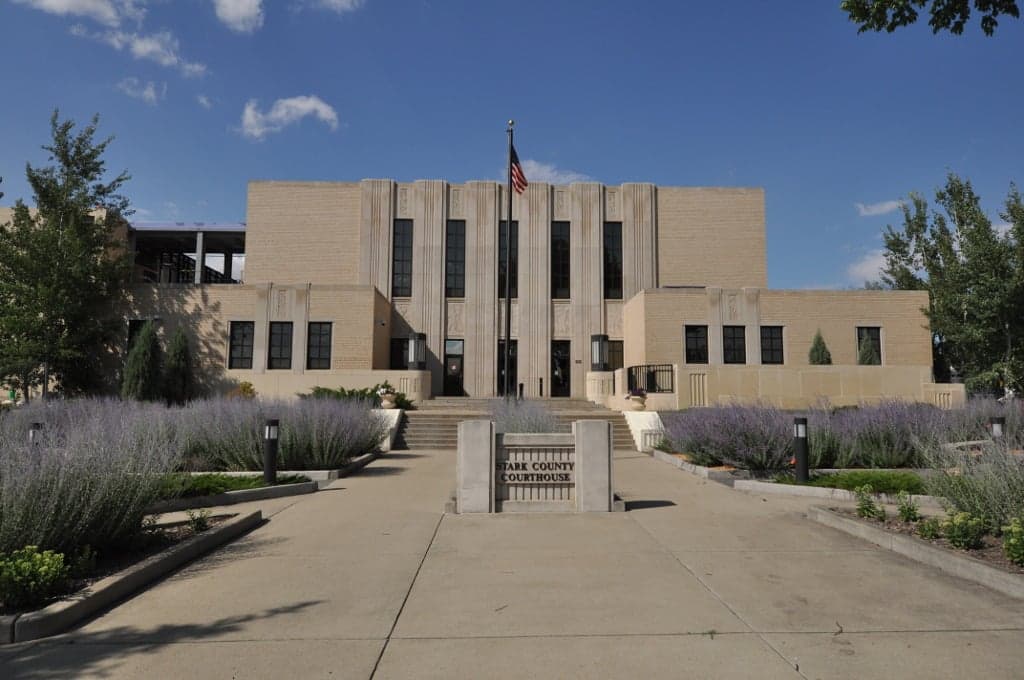
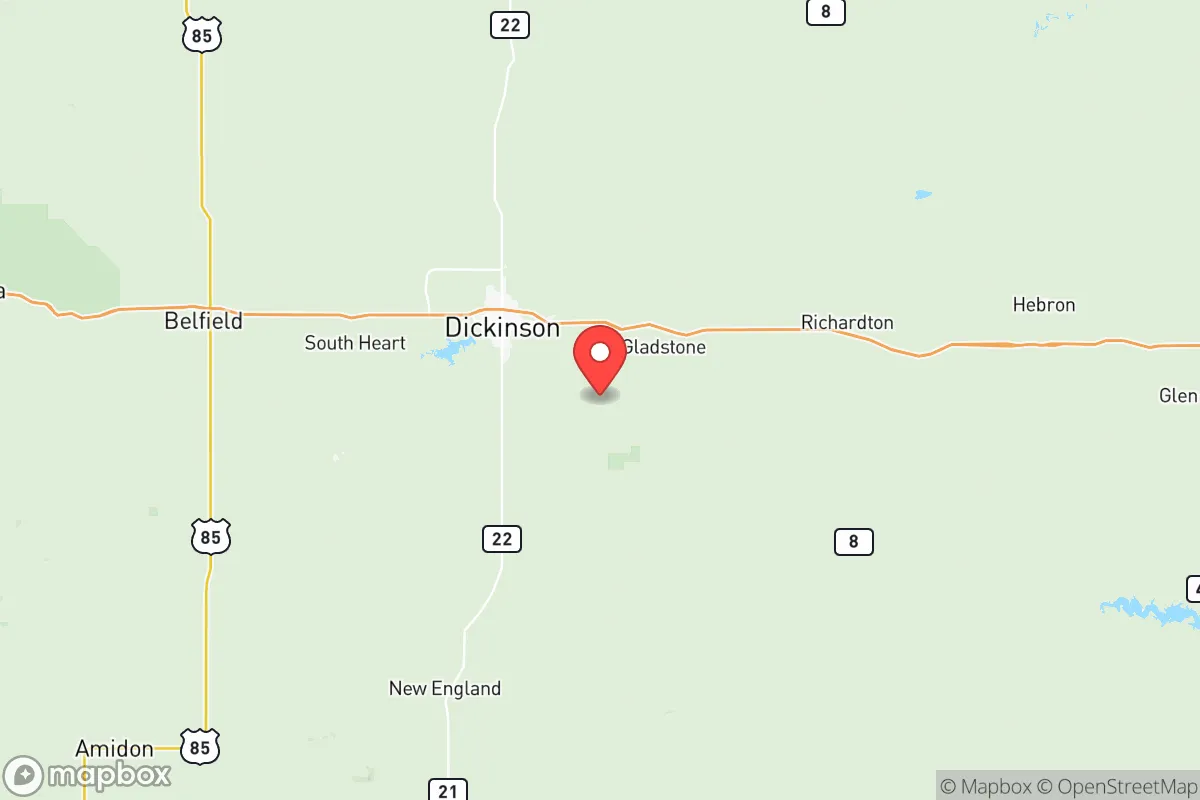
Photo: Wikipedia
Find The Best Places To Live in Stark County
PRO TIP! You can paste a Zillow or Redfin link to get info on that property.
Best Places to Live in Stark County
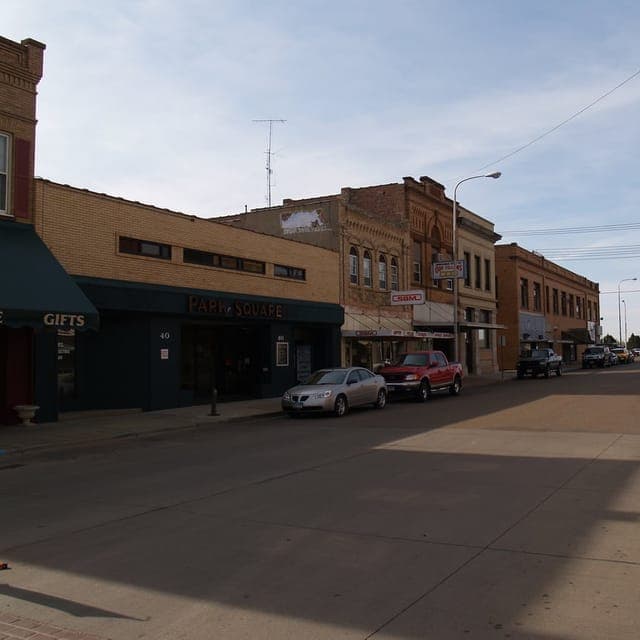
Cities & Towns in Stark County
Cities in Stark County
What It's Like Living in Stark County, ND
Stark County, North Dakota, is the kind of place where the oil patch meets the prairie, and the result is a community that feels both rugged and surprisingly neighborly. Life here revolves around the city of Dickinson, the county seat and commercial hub, but the smaller towns like Richardton, Belfield, and South Heart each carry their own distinct character. If you’re looking for a place where a handshake still means something and the pace of life leaves room for actual conversation, Stark County might surprise you.
The Daily Rhythm: Work, Weather, and the Western Dakota Vibe
Daily life in Stark County is dictated by two things: the energy industry and the weather. Dickinson is the anchor, and you’ll find the bulk of the workforce tied to oilfield services, healthcare (Sanford Health is a major employer), and education. The average commute here is a refreshingly short 18 minutes, which means you’re not wasting your life in traffic. Instead, you’re spending that time at the Patterson Lake Recreation Area in the summer or navigating the occasional winter whiteout that makes North Dakota driving a true test of character.
People here shop local out of habit, not just sentiment. You’ll see familiar faces at the Dickinson Rodeo, at the Dacotah Speedway on a Friday night, or grabbing a bite at a local spot like the Bighorn Bar in Belfield. The median age is 34.5, which tells you this isn’t just a retirement community—it’s a working town with young families and single professionals drawn by the paychecks. The median household income sits at $80,744, a figure that goes a long way when the cost of living index is a remarkably low 87 (100 is the national average).
The rhythm is seasonal. Summers are a burst of activity—farmers markets, fishing, and the Stark County Fair. Winters are quieter, more introspective, and spent hunkering down with neighbors. It’s a climate that builds resilience, and locals will tell you that the cold is a small price to pay for the lack of crowds and the genuine sense of community.
Sports, Community, and the Kind of Person Who Thrives Here
If you’re a sports fan, Stark County doesn’t have a major league team, but it doesn’t need one. Friday nights in the fall belong to the Dickinson High School Midgets—yes, that’s the mascot—and the stands are packed. Football here is a community event, not just a game. The same goes for basketball and wrestling in the winter months. For a taste of something different, the Dickinson State University Blue Hawks offer college athletics that draw a loyal, if smaller, following.
The type of person who fits in here is someone who values self-reliance but appreciates a helping hand. It’s a blue-collar ethos with a white-collar paycheck. You’re likely to find a mix of lifelong ranchers from Richardton, oilfield transplants from Texas and Oklahoma, and young professionals who came for a job and stayed for the low cost of living. The college-educated rate is 27.2%, which is lower than the national average, but that number undersells the practical intelligence and work ethic you’ll encounter daily. This is a place for people who would rather fix a fence than argue about politics on the internet.
Community identity is tied to the land and the history of the railroad. The town of Richardton is home to the Assumption Abbey, a striking Byzantine-style monastery that feels like a hidden gem. Meanwhile, Belfield proudly sits at the edge of the Badlands, serving as the gateway to Theodore Roosevelt National Park. There’s a quiet pride here in being from the "Western Edge," a place that feels distinct from the rest of North Dakota.
What There Is to Do: Honest Entertainment and Outdoor Escape
Let’s be honest: you won’t find a Broadway show or a 24-hour nightlife scene here. What you will find is a calendar full of events that bring the county together. The Dickinson Rodeo is a highlight of the summer, drawing competitors from across the region. The Dacotah Speedway offers dirt-track racing that’s a sensory overload of noise and dust, and it’s a beloved weekend ritual for many families.
For outdoor enthusiasts, the geography is a genuine asset. The Badlands are a short drive west, offering hiking and photography that rivals anything in the Mountain West. Patterson Lake is the local go-to for boating and swimming, and the Little Missouri River provides a more rugged escape. In the winter, snowmobiling and ice fishing take over. If you’re a hunter, this is prime pheasant and deer country.
Dining is utilitarian but solid. You’ll find classic steakhouses, a few family-run Mexican spots, and the obligatory coffee shops that serve as de facto community centers. The bar scene is friendly and unpretentious—think pool tables and local beer, not craft cocktails and velvet ropes.
Pros and Cons: The Honest Trade-Offs of Living Here
No place is perfect, and Stark County has its share of trade-offs. Here’s the honest breakdown:
- Pros: An incredibly low cost of living (87 vs. 100 national average) means your paycheck stretches further. The median home value of $260,400 is attainable, especially compared to the coasts. The commute is a breeze, the schools are community-centric, and the crime rate, while present, is manageable—the violent crime rate of 234.1 per 100,000 is a number to be aware of, but it’s largely concentrated in specific areas and doesn’t reflect the day-to-day safety of most neighborhoods.
- Cons: The isolation is real. The nearest major city, Bismarck, is about 90 minutes away. Winters are long and can be brutally cold. The economy is tied to the boom-and-bust cycle of the oil industry, which can create a sense of uncertainty for long-term planning. And if you crave cultural diversity or a fast-paced urban environment, you’ll likely feel the limitations.
For the right person, Stark County offers a life that’s grounded, affordable, and authentic. It’s a place where you know your neighbors, where the sky feels impossibly big, and where the definition of a good time is a rodeo, a race, or a quiet evening on the porch watching the sunset over the prairie. It’s not for everyone, but for those it suits, it feels like home.

* Values derived from national, state, county, city and local statistics and may differ in a specific area. Last updated: 2026-08-04T11:12:31.000Z
Narrative content on this page is AI-generated and may contain mistakes. Verify any details that matter before acting on them.
ReloMaps may earn a commission from affiliate links at no extra cost to you.

