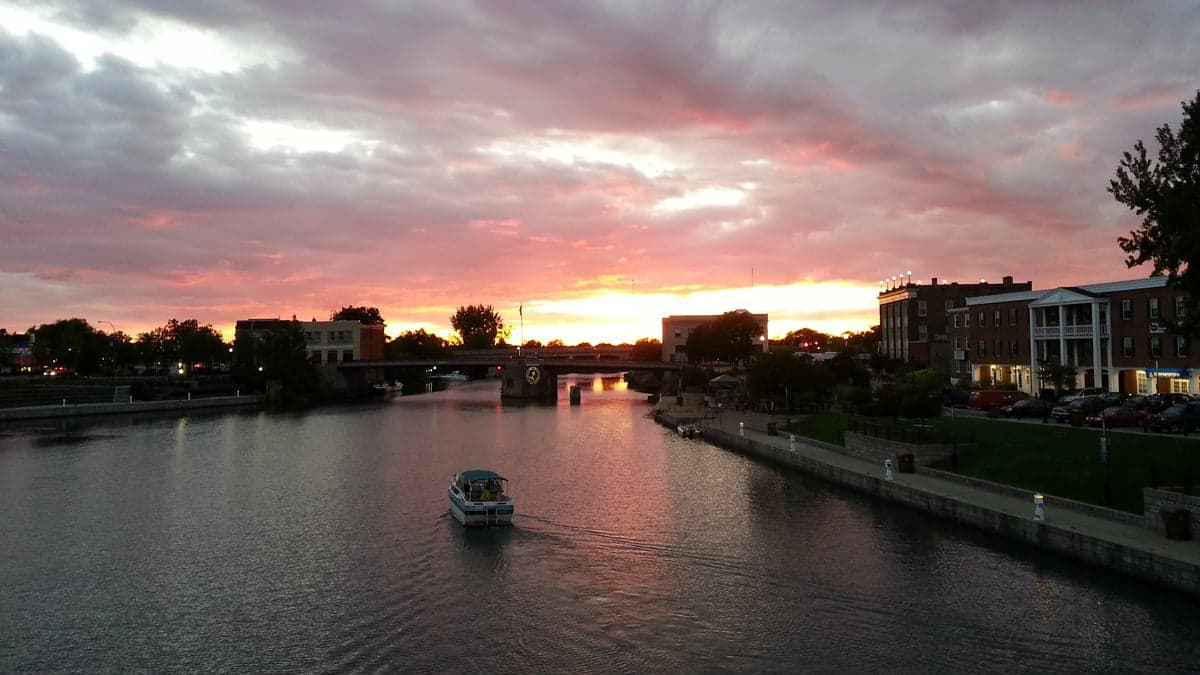
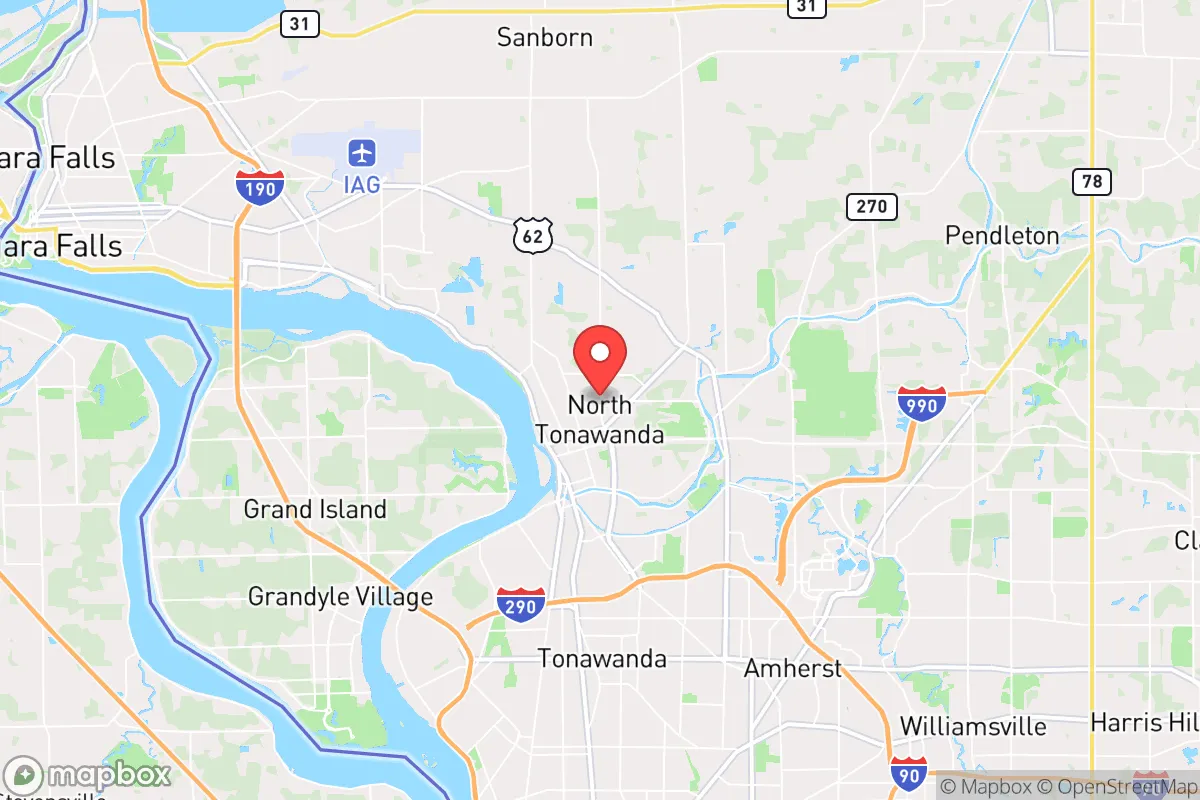
Photo: Wikipedia
Strategic Assessment of North Tonawanda, NY
Multiple tactical vulnerabilities. Population density, target proximity, or disaster risk are likely compounding. A retreat property and exit planning is required.
What does the Strategic Assessment tell us?
Our Strategic Assessment grades tactical survivability of an area. Major population centers, military targets, fallout zones, natural disasters, and border exposure all drive risk — lower exposure means a more defensible position in a crisis.
This is heavily inspired by Joel Skousen's Strategic Relocation book. Highly recommended you checkout the book ($)What does this tell us?
Our Strategic Assessment grades tactical survivability of an area. Major population centers, military targets, fallout zones, natural disasters, and border exposure all drive risk — lower exposure means a more defensible position in a crisis.
This is heavily inspired by Joel Skousen's Strategic Relocation book. Highly recommended you checkout the book ($)Strategic Pillars

Key Distances
Regional Safe Places
Below is our recommended "safe zones" in New York and the surrounding area based on our strategic heuristics. For most people, it's unrealistic to live in a “safe zone” full-time due to work, family or other personal reasons. They tend to be more rural. However, many of these areas are perfect for second homes and retreat properties that double as a vacation home or even a short-term rental.
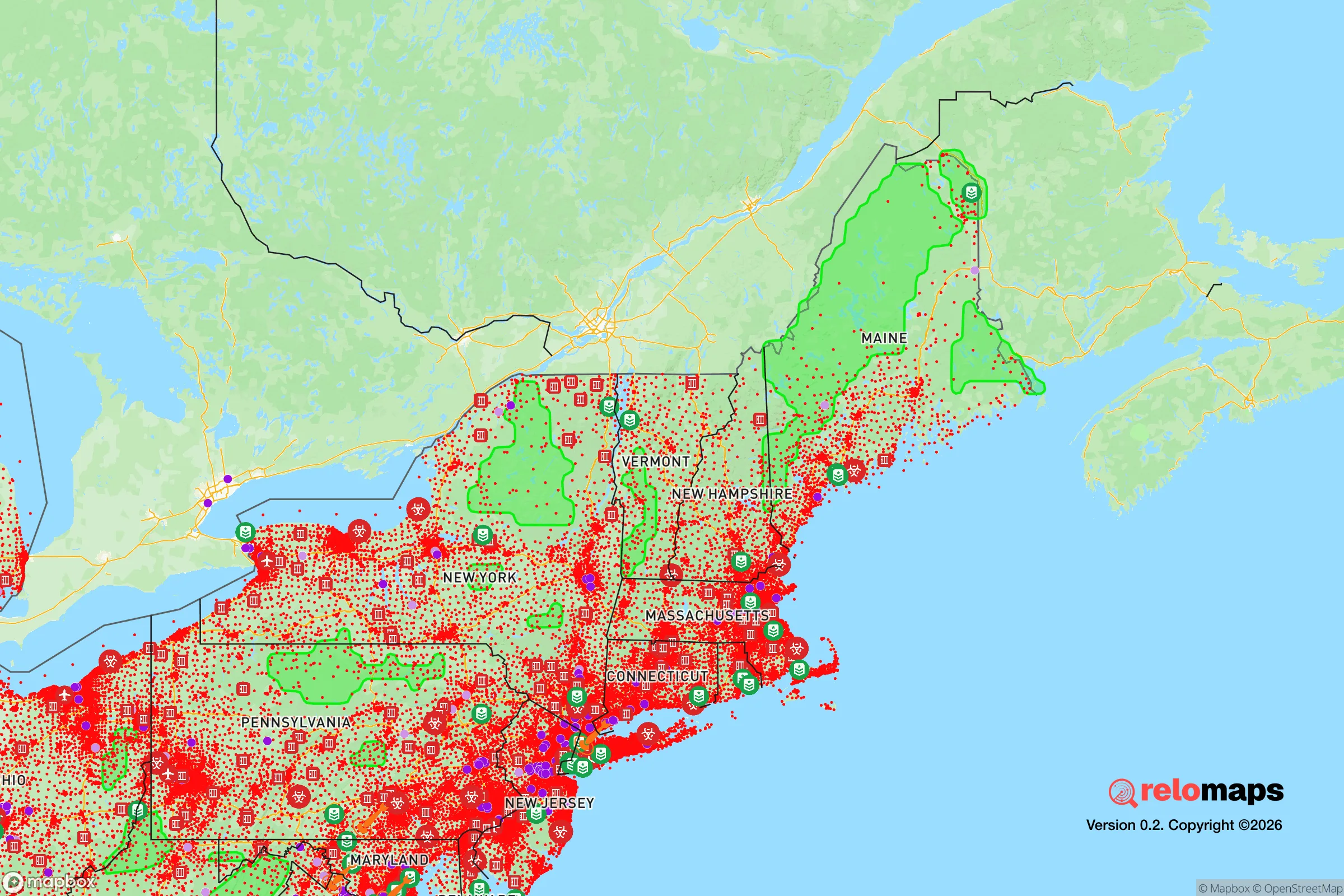
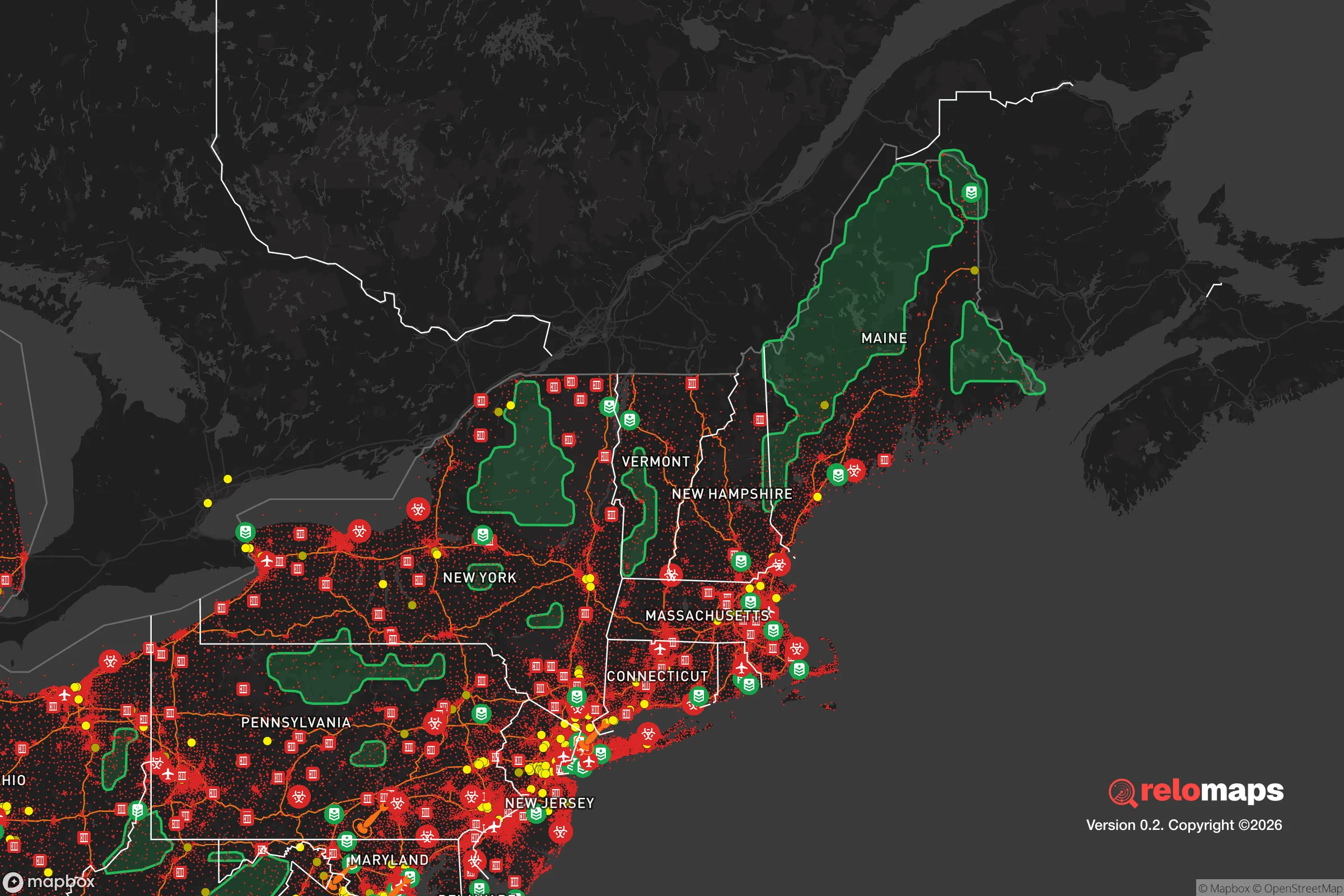


Important Note: For informational purposes only. This does not mean nothing bad ever happens in the green zones. Please use common sense. This is based on public data and modeled with AI. We tried to take a conservative approach but mistakes happen. We update this regularly as new information becomes available.
Solar Generator Recommendations
Backup power matters more here than in safer locations. We've picked three solar generators across budgets and capacity tiers — start with the budget unit if you only need a few essentials, or step up if you want to run a fridge and HVAC for days at a time.

Jackery Portable Power Station Explorer 300
Budget OptionPower on the Go: Weighing only 11 lbs, it's convenient to set up and store with book-sized foldable solar panels

BLUETTI Portable Power Station AC180
Designed for both indoor and outdoor scenarios, AC180 is highly capable as it has a robost capacity and continuous output power.

EF ECOFLOW DELTA Pro Ultra Power Station
Upgraded PickEcoFlow DELTA Pro Ultra is a whole-home energy system designed to grow with your family. Integrated with the Smart Home Panel 2, it scales to meet your evolving energy needs — keeping your home powered, intelligent, and secure through every stage of life.
We earn a commission, at no additional cost to you.
Strategic Assessment Analysis
North Tonawanda, New York, sits in a peculiar strategic pocket that offers a mix of genuine resilience and significant exposure, making it a location that demands careful, sober assessment for anyone serious about long-term preparedness. Its position along the Niagara River and the Erie Canal, combined with a modest population of around 31,000, provides a buffer from the immediate chaos of a major urban collapse, yet its proximity to Buffalo and Niagara Falls introduces risks that cannot be ignored. For the conservative-minded relocator—whether a single individual or a parent—this is a place where the advantages of water access and a tight-knit community must be weighed against the realities of being within a stone’s throw of potential fallout zones and civil unrest vectors. The area’s industrial past and present, including remnants of heavy manufacturing and chemical processing, add another layer of complexity to any survival calculus.
Geographic position and natural advantages for long-term survival
The most compelling asset North Tonawanda offers is its location at the confluence of the Niagara River and the Erie Canal, providing a dual waterway system that is both a resource and a potential escape route. Fresh water is the single most critical survival commodity, and here it is abundant, with the Niagara River feeding directly into Lake Erie, one of the largest freshwater reservoirs on the continent. This water access also supports local agriculture and fishing, which could be vital during supply chain disruptions. The surrounding terrain is relatively flat but includes pockets of wooded areas and farmland in nearby Niagara County, offering some space for small-scale food production or foraging. The city itself is laid out in a grid pattern that is defensible in a neighborhood-level sense, with older homes often built with solid brick and stone construction—materials that provide better ballistic protection than modern stick-frame housing. The climate, while harsh in winter with lake-effect snow, also acts as a natural deterrent to large-scale migration from warmer regions during a crisis, reducing the likelihood of being overrun by displaced populations.
Risks, exposures, and proximity to fallout-relevant landmarks
No honest assessment can ignore the glaring vulnerabilities. North Tonawanda lies roughly 10 miles from Buffalo, a major Great Lakes port and population center that would be a primary target for civil unrest, mass casualty events, or even a coordinated attack on infrastructure. The Peace Bridge and other border crossings into Canada are within 15 miles, making the area a potential chokepoint for refugee flows or military checkpoints during a national emergency. More concerning is the proximity to the Niagara Falls region, which includes the Robert Moses Niagara Power Plant and the Lewiston Pump-Generating Plant—critical energy infrastructure that could be a target for sabotage or collateral damage. Additionally, the area’s industrial legacy includes sites like the former Tonawanda Coke plant and other chemical facilities along the river, which pose a contamination risk if damaged or abandoned. The presence of the Erie Canal also means that any disruption to the canal’s locks or bridges could isolate the city from eastern supply routes, turning a water advantage into a trap if the exits are blocked. For a prepper, the risk of being caught between a destabilized Buffalo and a compromised border zone is a serious concern.
Practical resilience for a relocator: food, water, energy, and defensibility
For the individual or family looking to establish a resilient foothold, North Tonawanda offers a mixed bag of practical considerations. Water is the clear win: the Niagara River is a reliable source, but it requires proper filtration and treatment due to upstream industrial and agricultural runoff. A good Berkey or ceramic filter system, plus a backup UV sterilizer, is non-negotiable. Food security is more challenging. The city has limited local farmland within its borders, but Niagara County has a strong agricultural base, including orchards and vegetable farms, which could be tapped through direct relationships with local growers. The presence of the Erie Canal also means potential for small-scale aquaculture or hydroponics if you have the space and knowledge. Energy is a weak point. The grid is aging and dependent on the regional power network, which is vulnerable to weather events and cyberattacks. Solar panels are a viable option, but winter cloud cover and snow accumulation reduce their efficiency; a backup generator with a fuel cache is essential. Defensibility at the household level is decent if you choose a home away from main thoroughfares and near the river’s edge, where natural barriers slow approach. The city’s police force is small, and response times in a widespread event would be measured in hours, not minutes. Community ties are the real force multiplier here—neighbors who know each other and share a conservative ethos of self-reliance are worth more than any stockpile. Building those relationships before a crisis is the single most important step a relocator can take.
The overall strategic picture for North Tonawanda is one of cautious opportunity for the prepared, but it is not a haven for the naive. Its water access and relative isolation from the worst of Buffalo’s urban core give it a baseline resilience that many inland towns lack, but the proximity to critical infrastructure, border crossings, and industrial hazards means that a prepper must be proactive, not reactive. For a single individual or a family willing to invest in water filtration, energy independence, and community networking, this location can serve as a viable base of operations for weathering short-term disruptions and even longer-term instability. However, those seeking a truly remote, off-grid retreat should look further east into the Finger Lakes or north into the Adirondacks. North Tonawanda is a strategic compromise—a place where you can have a foothold near resources without being in the epicenter of chaos, but only if you are willing to accept the risks and do the work. The smart move is to treat it as a staging ground, not a final redoubt, and to have a secondary plan for relocation if the situation deteriorates beyond what local defenses can handle.

* Values derived from national, state, county, city and local statistics and may differ in a specific area. Last updated: 2026-05-01T07:59:41.000Z
Narrative content on this page is AI-generated and may contain mistakes. Verify any details that matter before acting on them.
ReloMaps may earn a commission from affiliate links at no extra cost to you.

