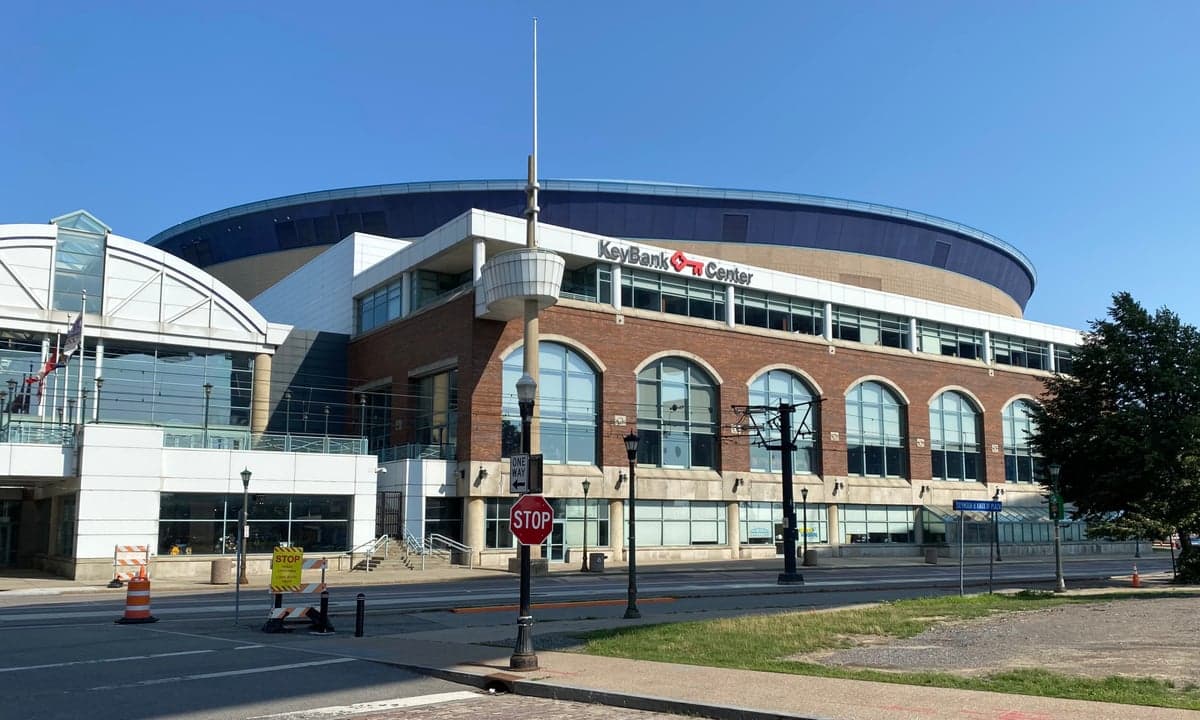
Photo: Wikipedia
Find The Best Places To Live
in Buffalo
PRO TIP! You can paste a Zillow or Redfin link to get info on that property.
What It's Like Living in Buffalo, NY
Buffalo, New York, is one of those places that doesn’t try to impress you—it just quietly earns your respect over time. It’s a blue-collar city with a stubborn, friendly streak, where the weather is brutal but the people are warm, and where a $5 beef on weck and a Labatt Blue at a corner bar still feels like a perfect Friday night. If you’re considering a move here, you’re probably looking for something real: affordable housing, a slower pace than the coasts, and a community that actually knows its neighbors.
Daily Rhythm: What Life Actually Feels Like
Most days in Buffalo start early and end with a beer. The average commute is just under 20 minutes—one of the shortest in any major U.S. city—so you’re not burning an hour of your life on the 290 every morning. People shop at Tops or Wegmans (Wegmans is practically a religion here), grab coffee at Spot Coffee or a local roaster like Public Espresso, and spend weekends at the Elmwood Village farmers market or hitting the Niagara Wine Trail. The median home value hovers around $152,300, which means a family can actually buy a three-bedroom colonial on a single income—something that’s become almost impossible in most of the country. The median household income is $48,050, so you’re not getting rich, but your dollar goes a lot further than it would in Austin or Denver. The cost of living index is 73, well below the national average of 100.
The kind of person who fits in here is someone who values substance over flash. You’ll find a lot of nurses, teachers, tradespeople, and small business owners. It’s not a city for people who need constant novelty or luxury shopping—it’s for people who want a solid house, a good school district, and a backyard where the kids can play. The median age is 34.3, so it’s a relatively young city, but it’s not a party town in the way Nashville or Miami is. It’s more about block parties, church picnics, and youth hockey games.
Sports & Community: The Bills, The Sabres, and Everything Else
If you move to Buffalo, you will become a Bills fan. It’s not optional. The Bills are the city’s emotional center of gravity—every Sunday in the fall, the entire region stops for tailgates at Highmark Stadium in Orchard Park. The Sabres (NHL) have a devoted but long-suffering fan base; the last Stanley Cup was 1970, and people still talk about it like it was yesterday. High school sports are a big deal too—especially football and hockey in the suburbs like Williamsville, Orchard Park, and Clarence. The University at Buffalo Bulls (Division I) draw decent crowds for football and basketball, but they’re not the main event. What matters is that sports here aren’t just entertainment—they’re the social fabric. You’ll meet your neighbors at a tailgate, your coworkers at a Sabres game, and your kid’s teacher at a high school basketball game.
What’s There to Do: Festivals, Food, and the Outdoors
Buffalo punches above its weight on food and festivals. The National Buffalo Wing Festival draws tens of thousands every Labor Day weekend, and the city’s food scene goes way beyond wings—try a beef on weck at Schwabl’s, a fish fry at any Catholic parish hall on Friday during Lent, or a plate of Polish pierogi at the Broadway Market. The Albright-Knox Art Gallery (now the Buffalo AKG Art Museum) is world-class, and the Buffalo Zoo is one of the oldest in the country. Summer is festival season: the Allentown Art Festival, the Italian Heritage Festival, and the Erie County Fair in Hamburg. Outdoor life revolves around the Niagara River and Lake Erie—kayaking, fishing, and hiking at Niagara Falls State Park (15 minutes away) or Letchworth State Park (an hour south). Winter is long and real: average snowfall is about 95 inches, so you’ll need a snowblower and a good attitude. But locals lean into it—ice fishing on Lake Erie, skiing at Holiday Valley (an hour south), and the annual Winterfest in Canalside.
Pros and Cons of Living Here
- Pros: Extremely affordable housing (median home value $152,300), short commute (under 20 minutes), strong sense of community, excellent public schools in the suburbs (Williamsville, Clarence, Orchard Park), world-class medical care (Roswell Park, Buffalo General), and a food scene that rivals cities twice its size. The cost of living index of 73 means your paycheck goes far.
- Cons: The weather is genuinely tough—long, gray winters with heavy lake-effect snow. The violent crime rate is 683.1 per 100,000, which is higher than the national average and concentrated in certain neighborhoods (the East Side and parts of the West Side). The job market is improving but still leans heavily on healthcare, education, and government; tech and finance jobs are limited. Only 30.3% of adults have a college degree, which is below the national average, and that can affect the overall professional atmosphere. Property taxes in New York are among the highest in the country, so even though the home price is low, your monthly payment might surprise you.
Buffalo isn’t for everyone. It’s for people who don’t mind a little grit, who value community over convenience, and who are willing to shovel snow in exchange for a mortgage under $1,500 a month. If that sounds like you, you’ll find a city that’s proud, resilient, and surprisingly welcoming.

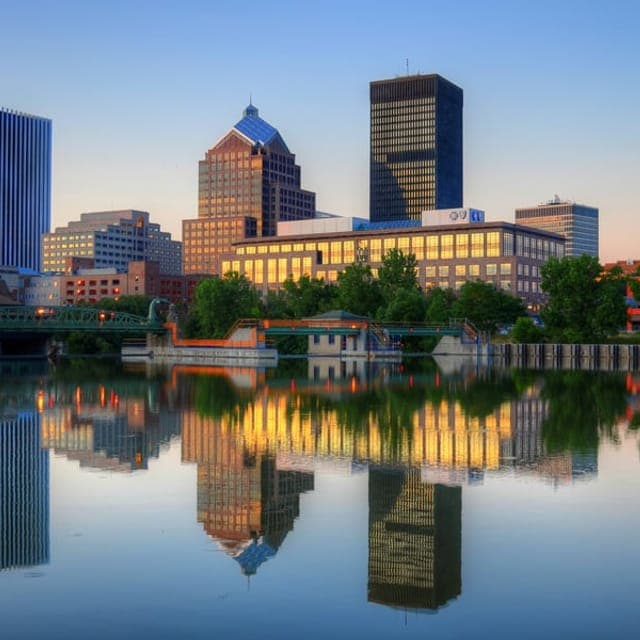
Similar mid-size cities to Buffalo


* Values derived from national, state, county, city and local statistics and may differ in a specific area. Last updated: 2026-04-23T02:46:01.000Z
Narrative content on this page is AI-generated and may contain mistakes. Verify any details that matter before acting on them.
ReloMaps may earn a commission from affiliate links at no extra cost to you.

