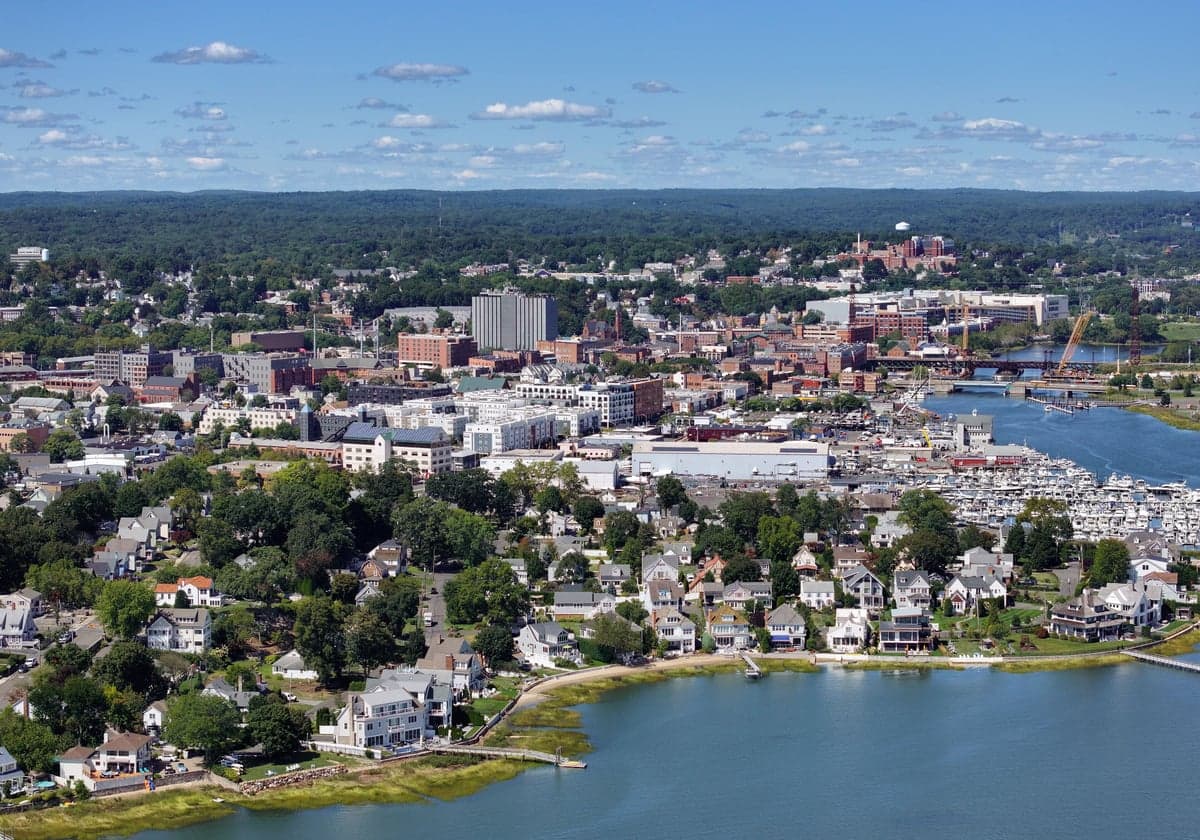
Photo: Wikipedia
Quality of Life in Norwalk, CT
A high quality of life with strong walkability, manageable living costs, healthy neighborhood signals, and solid amenity access.
What does Quality of Life tell us?
Quality of Life blends cost of living, nearby amenities, socioeconomic signals, and neighborhood character. City-level scores represent the whole municipality; individual neighborhoods can differ.
What does this tell us?
Quality of Life blends cost of living, nearby amenities, socioeconomic signals, and neighborhood character. City-level scores represent the whole municipality; individual neighborhoods can differ.
Cost of Living
80% above national average
The Real Cost of Living in Norwalk, CT for 2026
| Tier | Individual | Family (4) |
|---|---|---|
| Survival | $32k | $60k |
| Comfortable | $104k | $153k |
| Luxury | $190k+ | $295k+ |
| Elite (Top 5%) | $260k+ | $402k+ |
69%
The Area Signal
A metric tracking the socioeconomic signals of the area.
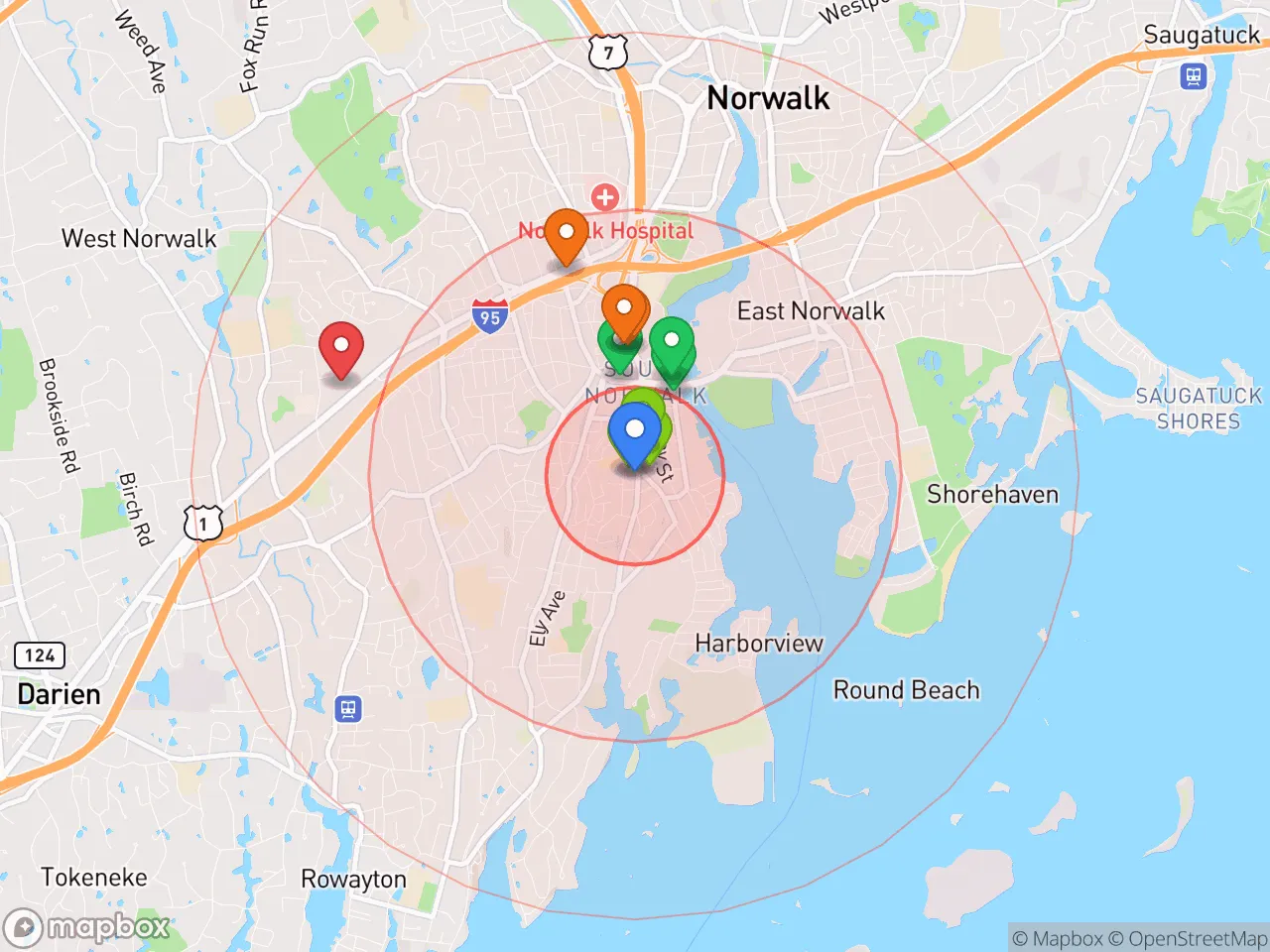
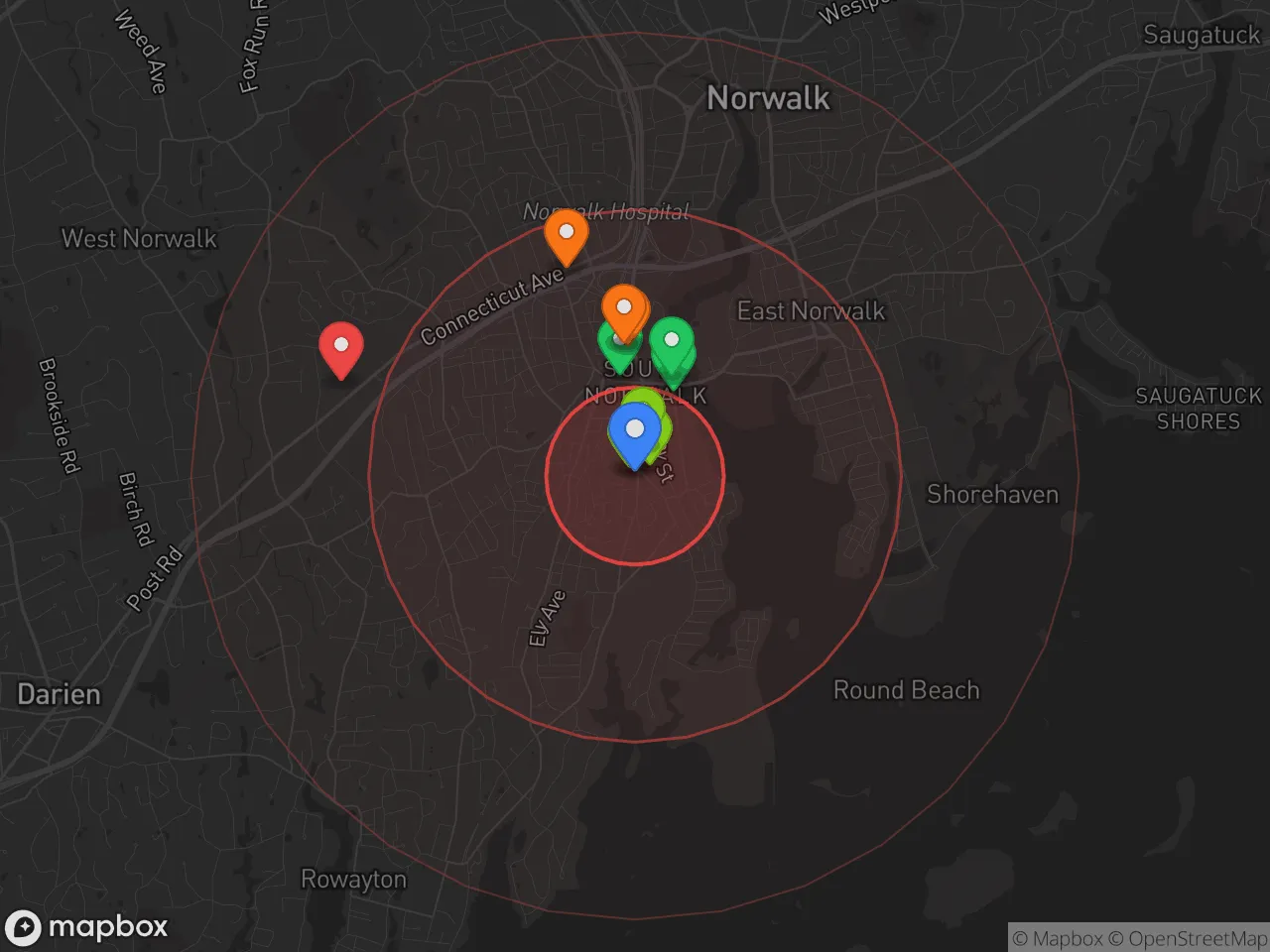
Hobbies
Explore the areaGroceries
6 within 10 miles
Gas
20 within 10 miles
Hospital
20 within 20 miles
Airport
JFK — John F. Kennedy International
Post Office
USPS — Norwalk, CT
Critical Amenities
Quality-of-Life Analysis
Norwalk, Connecticut, presents a classic Fairfield County trade-off: high living costs offset by strong job access, excellent schools, and a location that places residents within an hour of both New York City and the New England coastline. With a cost-of-living index of 180—nearly double the U.S. average—Norwalk attracts professionals, commuters, and families willing to pay a premium for proximity to Manhattan, Stamford’s corporate hubs, and the cultural amenities of southwestern Connecticut. The city’s population of roughly 91,000 is a mix of longtime locals, young families priced out of Darien or Westport, and New York transplants seeking more space without surrendering urban convenience.
Cost of living, housing, and how Norwalk compares to nearby towns
Norwalk’s cost of living is steep but notably lower than its immediate neighbors. The median home value sits at $535,000, which is roughly $200,000 less than the median in Darien or Westport, and about $100,000 below New Canaan. For renters, the median monthly rent of $2,010 is competitive for Fairfield County, though still significantly higher than the national median. The average commute time of 27 minutes is shorter than many New York metro suburbs, thanks to Norwalk’s direct Metro-North service to Grand Central (about 60 minutes) and easy access to I-95 and the Merritt Parkway. Property taxes in Norwalk are moderate by county standards—around 1.8% of assessed value—but combined with high home prices, they make homeownership a major financial commitment. Compared to Stamford, Norwalk offers slightly lower rents and a more suburban feel, while still providing a walkable downtown core around Washington Street and the SoNo (South Norwalk) district.
Schools, amenities, and what daily life feels like in Norwalk
Norwalk’s public school system serves roughly 11,000 students and is generally rated above average, with Brien McMahon and Norwalk High Schools offering strong Advanced Placement programs and a growing number of magnet pathways. The city also hosts several highly regarded private schools, including All Saints Catholic School and the Montessori School of Norwalk. Daily life revolves around a mix of coastal recreation and urban convenience: the Maritime Aquarium, Cranbury Park’s hiking trails, and the Norwalk Islands provide weekend escapes, while the SoNo district delivers a lively restaurant and nightlife scene anchored by places like Match and the Washington Street dining corridor. The city’s Norwalk Public Library system and the Stepping Stones Museum for Children add family-friendly depth. Commuters appreciate the frequent Metro-North trains, though parking at the main station can be competitive. The overall rhythm is faster than a typical suburb but slower than Stamford or New York—a balance that appeals to those who want city access without the 24/7 intensity.
Norwalk is best suited for professionals and families who prioritize location and school quality over square footage and who can absorb the high cost of living. It works well for dual-income households commuting to Stamford or Manhattan, for empty-nesters downsizing from pricier Fairfield County towns, and for young families who want a walkable downtown, good schools, and proximity to both the city and the shore. Those seeking a low-cost, low-stress lifestyle will find Norwalk challenging; but for buyers and renters who value access, amenities, and a genuine sense of place, it remains one of the more attainable gateways to the New York metro area’s suburban tier.

Crime in Norwalk, CT
Lower crime rates than 87% of comparable U.S. locations.
Violent CrimeViolent Crime Analysis
Property CrimeProperty Crime Analysis
Crime Analysis
Norwalk, Connecticut, reports a violent crime rate of 107.9 incidents per 100,000 residents, a figure that sits well below the national average but requires careful context given the city's location within the broader New York metropolitan area. Property crime, however, is notably higher at 1,139.8 per 100,000, reflecting a pattern common in densely populated suburban hubs with significant commuter traffic and commercial activity. The overall safety picture is mixed: while violent incidents are relatively infrequent, residents face a tangible risk of theft, burglary, and vehicle-related crime, particularly in areas with high foot traffic or easy highway access.
Crime in context
When compared to Connecticut's statewide violent crime rate of roughly 150 per 100,000, Norwalk's 107.9 figure is a positive outlier, and it is significantly lower than the national average of approximately 380 per 100,000. However, the property crime rate of 1,139.8 per 100,000 is slightly above the national average of about 1,100 per 100,000 and markedly higher than many smaller inland Connecticut towns. A critical factor for prospective residents to weigh is the influence of the regional justice system. Fairfield County, like much of the New York metro area, operates under a progressive prosecutorial philosophy. District attorneys and judges in this region often prioritize diversion programs, reduced bail, and sentencing alternatives over incarceration. While these policies aim to reduce recidivism, they can result in repeat offenders cycling back onto the streets more quickly, directly undermining public safety and victim justice. This systemic leniency means that even a low violent crime rate does not guarantee a low risk of encountering repeat property or drug-related offenders.
What residents experience
Daily life in Norwalk for most residents involves a heightened awareness of property crime. Car break-ins, package thefts from porches, and bicycle thefts are common complaints, particularly in neighborhoods near the Merritt Parkway, I-95, and the South Norwalk (SoNo) entertainment district. Violent crime is largely concentrated in specific areas and often linked to domestic disputes or drug-related activity rather than random attacks on the public. Residents in the Rowayton and Cranbury neighborhoods generally report feeling safer than those in parts of South Norwalk or the Wall Street area, where density and nightlife attract more opportunistic crime. The presence of the Norwalk Police Department, which maintains a visible patrol presence and community outreach programs, provides some reassurance, but the underlying challenge remains the regional judicial environment. Progressive policies that deprioritize incarceration for non-violent property crimes mean that a stolen catalytic converter or a broken car window may not lead to meaningful consequences for the offender, leaving residents to bear the cost and frustration.
Neighborhood-level variation is significant. The waterfront and historic districts of Rowayton and Silvermine have very low crime rates, while the more urbanized SoNo and the area around the Washington Street corridor see higher rates of larceny and occasional assaults. For families and long-term residents, the key takeaway is that Norwalk offers a relatively safe environment for violent crime but demands vigilance against property crime, with the added concern that the regional justice system's leniency may embolden repeat offenders. Anyone considering a move should research block-level crime maps and speak with local residents about specific street conditions.
* Values derived from national, state, county, city and local statistics and may differ in a specific area. Last updated: 2026-04-30T03:22:21.000Z
Narrative content on this page is AI-generated and may contain mistakes. Verify any details that matter before acting on them.
ReloMaps may earn a commission from affiliate links at no extra cost to you.

