 Popular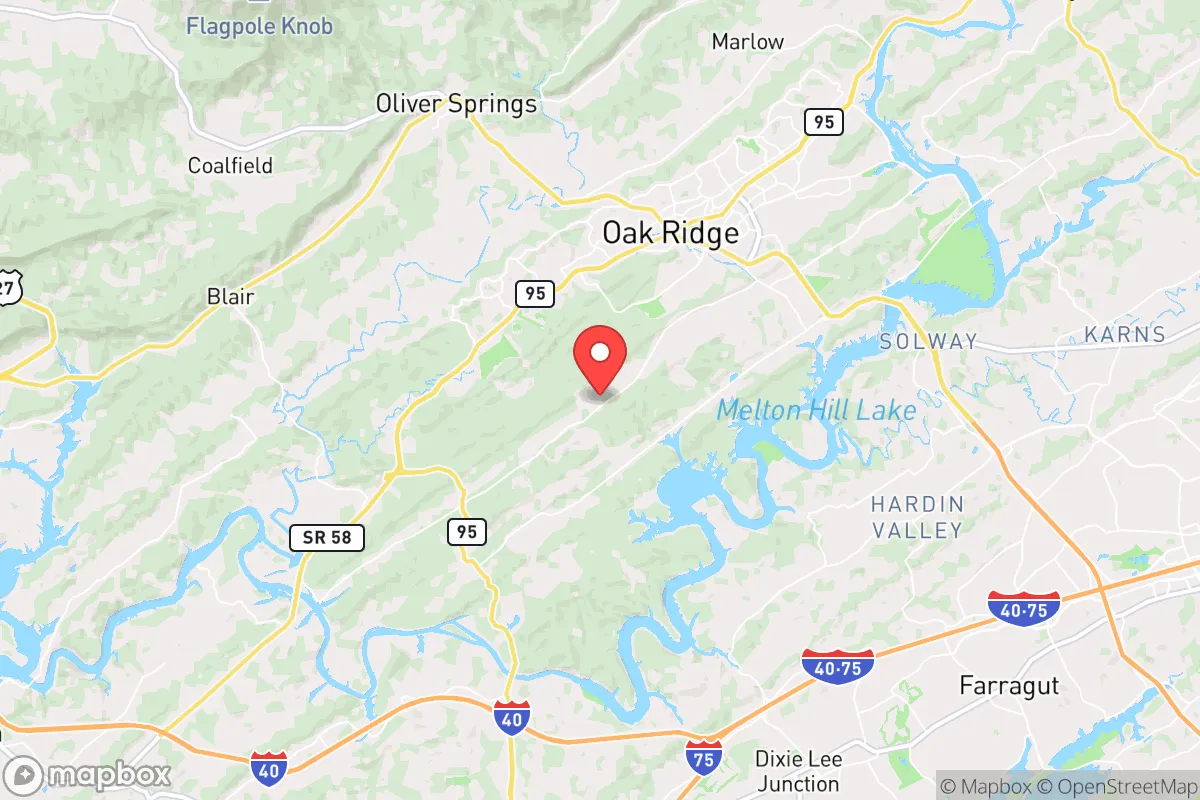
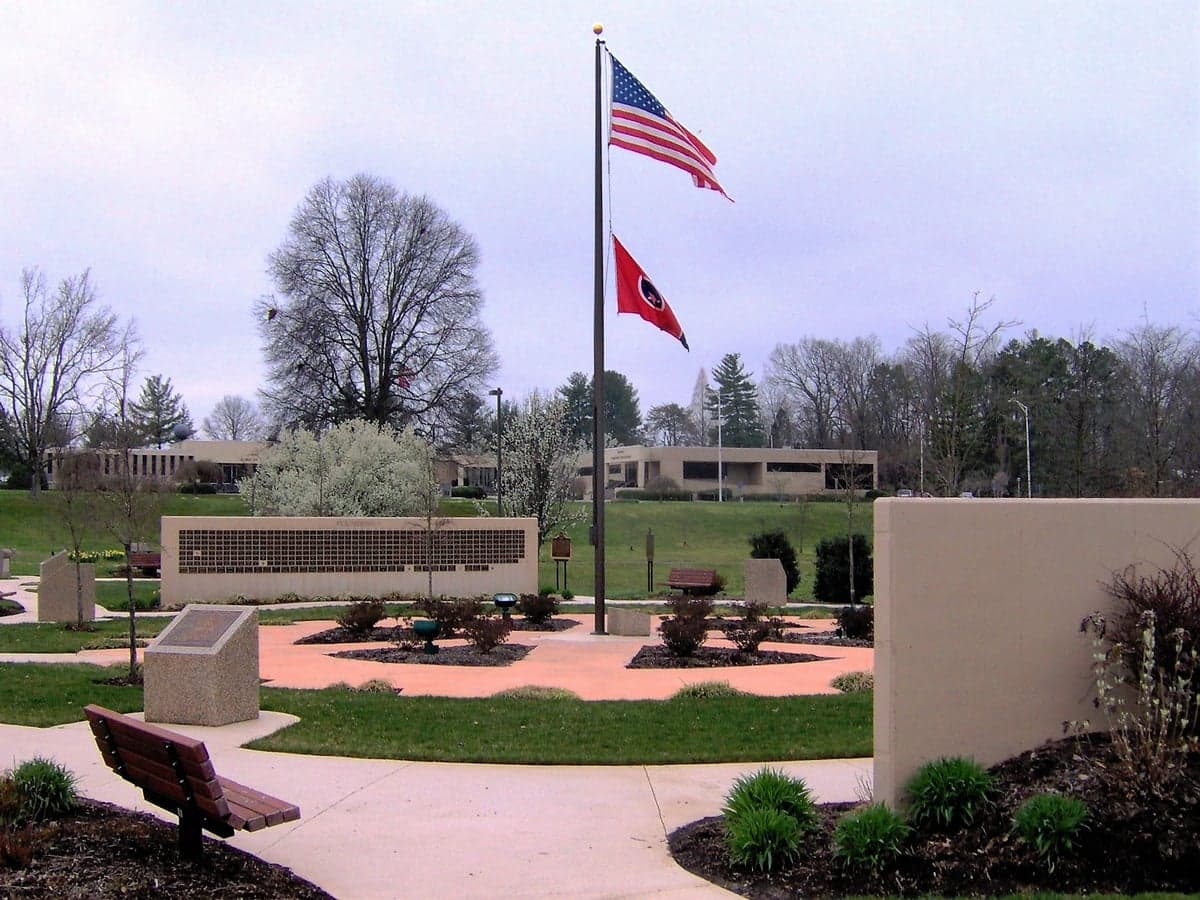
Photo: Wikipedia
Political ClimatePolitical Climate in Oak Ridge, TN
District shown is the primary district for this city’s centroid. Cities may span multiple districts.
Local Political AnalysisPolitical Analysis of Oak Ridge, TN
Oak Ridge, Tennessee, has long been a rock-ribbed conservative community, and its Cook PVI of R+18 tells you everything you need to know about the baseline. That number means the district votes about 18 points more Republican than the national average, and in practice, it feels even redder on the ground. The city was literally built by the federal government during the Manhattan Project, and that legacy of self-reliance, hard work, and suspicion of D.C. meddling still runs deep. You don't see the kind of coastal transplants or university-driven gentrification here that you do in, say, Knoxville or Nashville, so the political trajectory has stayed remarkably stable — solidly conservative, with no real signs of a leftward drift.
How it compares
If you drive 20 minutes east to Knoxville, you’ll find a more mixed political landscape — the University of Tennessee campus and downtown areas lean blue, while the suburbs stay red. But Oak Ridge is a different animal. It’s more like the small towns to the west and south, such as Kingston or Harriman, where conservative values aren’t just a voting pattern but a way of life. The biggest contrast is with Farragut, a wealthy Knoxville suburb that’s also Republican but tends to be more country-club, establishment GOP. Oak Ridge is grittier, more blue-collar, and far more skeptical of big government — whether it’s in Washington or Nashville. The R+18 rating understates the cultural conservatism here; on issues like gun rights, school choice, and local control, the community is overwhelmingly unified.
What this means for residents
For someone moving here, the political climate means you can expect low taxes, minimal regulation, and a government that mostly stays out of your business. The city council and county commission are reliably conservative, so you won’t see the kind of progressive overreach — think mask mandates, critical race theory in schools, or zoning fights over “affordable housing” quotas — that plagues so many other parts of the country. Property rights are respected, and the local school board has resisted the woke curriculum battles that have torn apart districts in places like Nashville or Memphis. That said, there’s a quiet concern among longtime residents that the federal presence at Y-12 National Security Complex and Oak Ridge National Laboratory could eventually bring in more transient, left-leaning professionals. So far, though, those workers tend to live in Knoxville and commute, leaving Oak Ridge’s character intact.
One cultural distinction worth noting: Oak Ridge has a strong libertarian streak, not just a standard Republican one. You’ll find plenty of folks who vote Republican but also distrust the Department of Energy’s control over the local economy and the federal land holdings that limit development. There’s a healthy skepticism of authority that cuts across party lines. If you’re looking for a place where the government leaves you alone, the schools teach actual skills instead of activism, and your neighbors will help you without asking for permission, Oak Ridge is it. Just don’t expect it to stay that way if the feds keep pushing their agenda into every corner of American life — but for now, it’s one of the last sane spots in Tennessee.

State Political ClimatePolitical Climate in Tennessee
State Political AnalysisPolitical Environment in the State
Tennessee has been a reliably red state for decades, but the nature of that conservatism has shifted significantly. The state leans solidly Republican at the federal and state level, with Donald Trump winning by 30 points in 2024, and the GOP holds supermajorities in both legislative chambers. However, the political center of gravity has moved from the traditional, more moderate conservatism of places like Memphis and Nashville to a harder, more culturally assertive brand rooted in the fast-growing suburbs and exurbs of Middle and East Tennessee. Over the last 10-20 years, the state has undergone a dramatic transformation, driven by massive in-migration from blue states, which has paradoxically reinforced its conservative trajectory as newcomers sought lower taxes and fewer restrictions.
Urban vs. rural divide
The political map of Tennessee is a study in contrasts. The major urban centers—Nashville (Davidson County) and Memphis (Shelby County)—are deep blue islands, consistently voting Democratic by 20-30 points. Nashville’s growth has been fueled by a wave of out-of-state transplants, many from California and New York, who have shifted its politics further left on social issues, though the city remains business-friendly. Memphis remains a Democratic stronghold driven by a large African American population and union legacy. In contrast, the rural and small-town areas—from the Mississippi Delta counties in the west to the Appalachian counties in the east—are overwhelmingly Republican. The real story is in the suburbs and exurbs. Williamson County (south of Nashville) is one of the wealthiest and most reliably Republican counties in the nation, while Rutherford County (Murfreesboro) and Wilson County (Lebanon) have flipped from purple to deep red as families fled Nashville’s rising crime and taxes. Knoxville and Chattanooga are more politically mixed, with conservative suburbs like Farragut and Ooltewah balancing out the more liberal university and downtown cores. The rural-to-suburban shift is the dominant force: the state’s fastest-growing areas are all red-leaning, cementing the GOP’s hold.
Policy environment
Tennessee’s policy environment is a model of limited government, at least on paper. There is no state income tax on wages, a major draw for relocators. The sales tax is high (around 9.5% in most areas), but the overall tax burden is low. The regulatory posture is business-friendly, with a right-to-work law and no state-level minimum wage above the federal floor. On education, the state has aggressively expanded school choice: the Education Savings Account (ESA) program, initially limited to Memphis and Nashville, was expanded statewide in 2025, allowing families to use public funds for private school tuition. This is a huge win for parental rights. Healthcare policy is more mixed: Tennessee did not expand Medicaid under Obamacare, keeping the state’s role minimal, but the Tennessee Healthcare Freedom Act protects patients from being forced into government-run plans. Election laws are among the strongest in the South: voter ID is required, and the state has a clean voter roll maintenance program. The Tennessee Election Integrity Act of 2023 banned private funding of election administration and tightened absentee ballot rules. For a conservative, the policy environment is largely aligned with freedom, though the high sales tax and some local property tax increases in booming suburbs are worth watching.
Trajectory & freedom
Tennessee has been on a clear trajectory of expanding personal liberty, particularly in the last five years. The Tennessee Firearms Freedom Act and the 2021 permitless carry law (allowing any law-abiding adult to carry a concealed handgun without a permit) were landmark expansions of Second Amendment rights. The state also passed a constitutional carry law in 2023, removing the last vestiges of a permit system. On medical freedom, Tennessee passed one of the strongest COVID-19 vaccine mandate bans in the nation, prohibiting employers from requiring vaccination as a condition of employment. The Tennessee Parental Rights in Education Act (2023) requires schools to notify parents of any changes in a student’s mental or physical health, effectively banning classroom discussions of gender ideology without parental consent. Property rights were strengthened with the Tennessee Property Rights Protection Act, limiting eminent domain abuse. However, there are concerning trends: the state’s anti-critical race theory law (2021) was a good start, but some local school boards have been slow to implement it. The biggest threat to freedom is the influx of new residents from high-tax states who may bring progressive voting habits with them, particularly in Nashville’s suburbs. If Williamson County ever flips, the state’s trajectory could stall.
Civil unrest & political movements
Tennessee has seen its share of political flashpoints, but they are localized. The Nashville Christmas Day bombing in 2020 was a lone-wolf act, not a movement. More telling are the organized protests: in 2021, thousands of parents rallied at the state capitol against mask mandates and school closures, a movement that directly led to the passage of the parental rights bill. On the left, Black Lives Matter protests in Memphis and Nashville in 2020 were large but fizzled quickly. The most visible political movement today is the Tennessee Stands for Freedom coalition, which organizes against federal overreach and promotes nullification of federal gun laws. Immigration politics are relatively quiet, but the state passed a law requiring local law enforcement to cooperate with ICE, and there are no sanctuary cities. Election integrity remains a hot topic: the 2020 and 2022 elections saw no major scandals, but the Tennessee Election Integrity Task Force continues to investigate irregularities. A new resident would notice the strong presence of conservative activism in the suburbs—yard signs, church involvement, and local school board meetings are where the real battles play out.
Projection
Over the next 5-10 years, Tennessee is likely to remain a red state, but the nature of that redness will evolve. The in-migration from California, Illinois, and New York will continue, but these newcomers are overwhelmingly conservative-leaning—they are moving for lower taxes and freedom, not to turn the state blue. The real risk is in the suburbs of Nashville and Knoxville, where rapid growth could dilute the conservative base if the newcomers are culturally moderate. However, the state’s political infrastructure is strong: the GOP supermajority is unlikely to be broken, and the state legislature will continue to pass preemptive laws to block local progressive initiatives (like Nashville’s attempts at rent control or sanctuary policies). The biggest wildcard is the Tennessee Valley Authority (TVA) and energy policy: as the state grows, pressure to adopt green energy mandates could come from the federal level, but the state will resist. Expect continued expansion of school choice, further tax cuts (possibly eliminating the sales tax on groceries), and a hardening of the state’s stance on immigration. For a new resident, the Tennessee of 2035 will look much like today, only more crowded and more suburban, but still fundamentally free.
Bottom line for a new resident: Tennessee offers a rare combination of low taxes, strong gun rights, parental control in education, and a culture that values self-reliance. The state is not perfect—the sales tax is regressive, and the urban centers are increasingly progressive—but the political trajectory is firmly in the direction of personal freedom. If you are moving here, expect to find a community that respects your rights and expects you to respect theirs. The key is to choose your location wisely: stick to the suburbs and exurbs of Franklin, Murfreesboro, Knoxville, or Chattanooga, and you will find a political climate that matches your values. Avoid the urban cores of Nashville and Memphis unless you are prepared for the cultural and political friction. Tennessee is a state that rewards those who come prepared to engage, not just to consume.
* Values derived from national, state, county, city and local statistics and may differ in a specific area. Last updated: 2026-05-01T04:37:31.000Z
Narrative content on this page is AI-generated and may contain mistakes. Verify any details that matter before acting on them.
ReloMaps may earn a commission from affiliate links at no extra cost to you.

