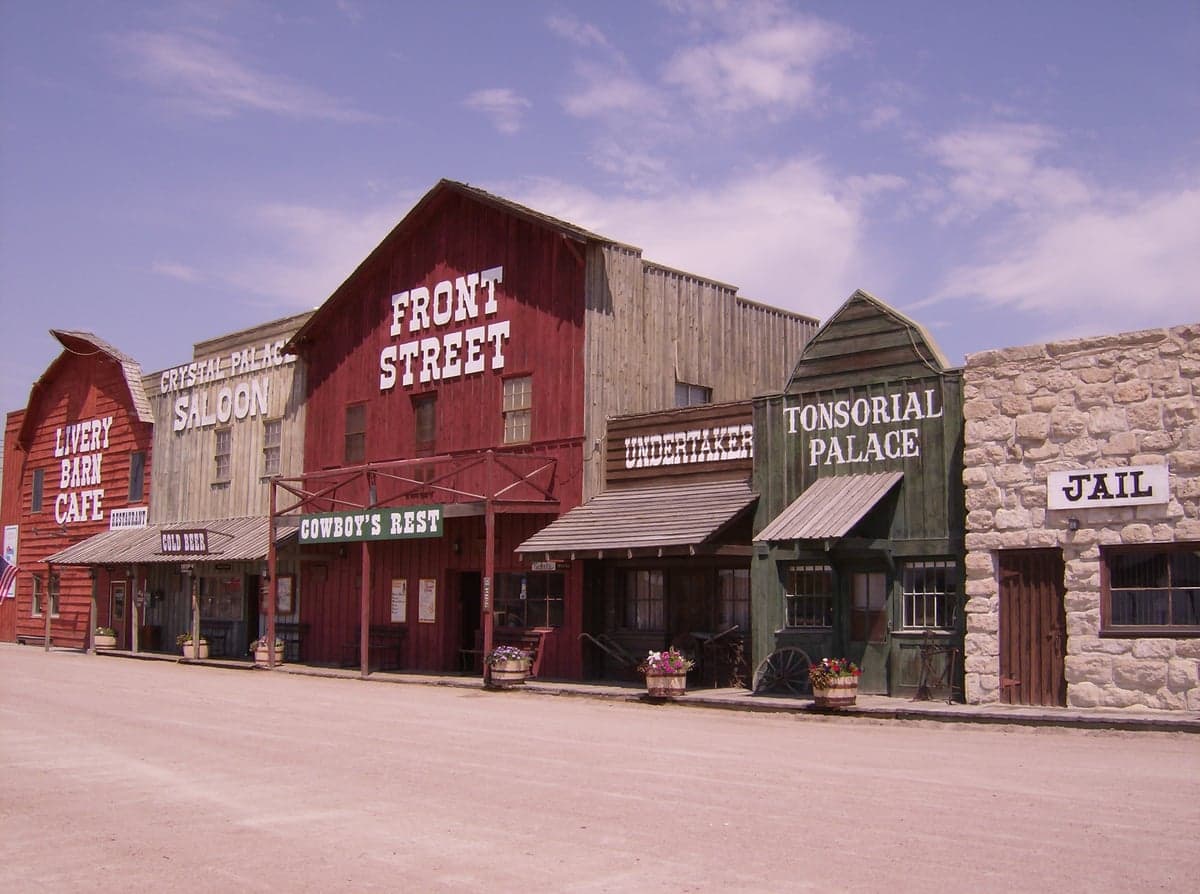
Photo: Wikipedia
Quality of Life in Ogallala, NE
A high quality of life with strong walkability, manageable living costs, healthy neighborhood signals, and solid amenity access.
What does Quality of Life tell us?
Quality of Life blends cost of living, nearby amenities, socioeconomic signals, and neighborhood character. City-level scores represent the whole municipality; individual neighborhoods can differ.
What does this tell us?
Quality of Life blends cost of living, nearby amenities, socioeconomic signals, and neighborhood character. City-level scores represent the whole municipality; individual neighborhoods can differ.
Cost of Living
43% below national average
The Real Cost of Living in Ogallala, NE for 2026
| Tier | Individual | Family (4) |
|---|---|---|
| Survival | $12k | $22k |
| Comfortable | $26k | $39k |
| Luxury | $75k+ | $116k+ |
| Elite (Top 5%) | $88k+ | $136k+ |
143%
The Area Signal
A metric tracking the socioeconomic signals of the area.
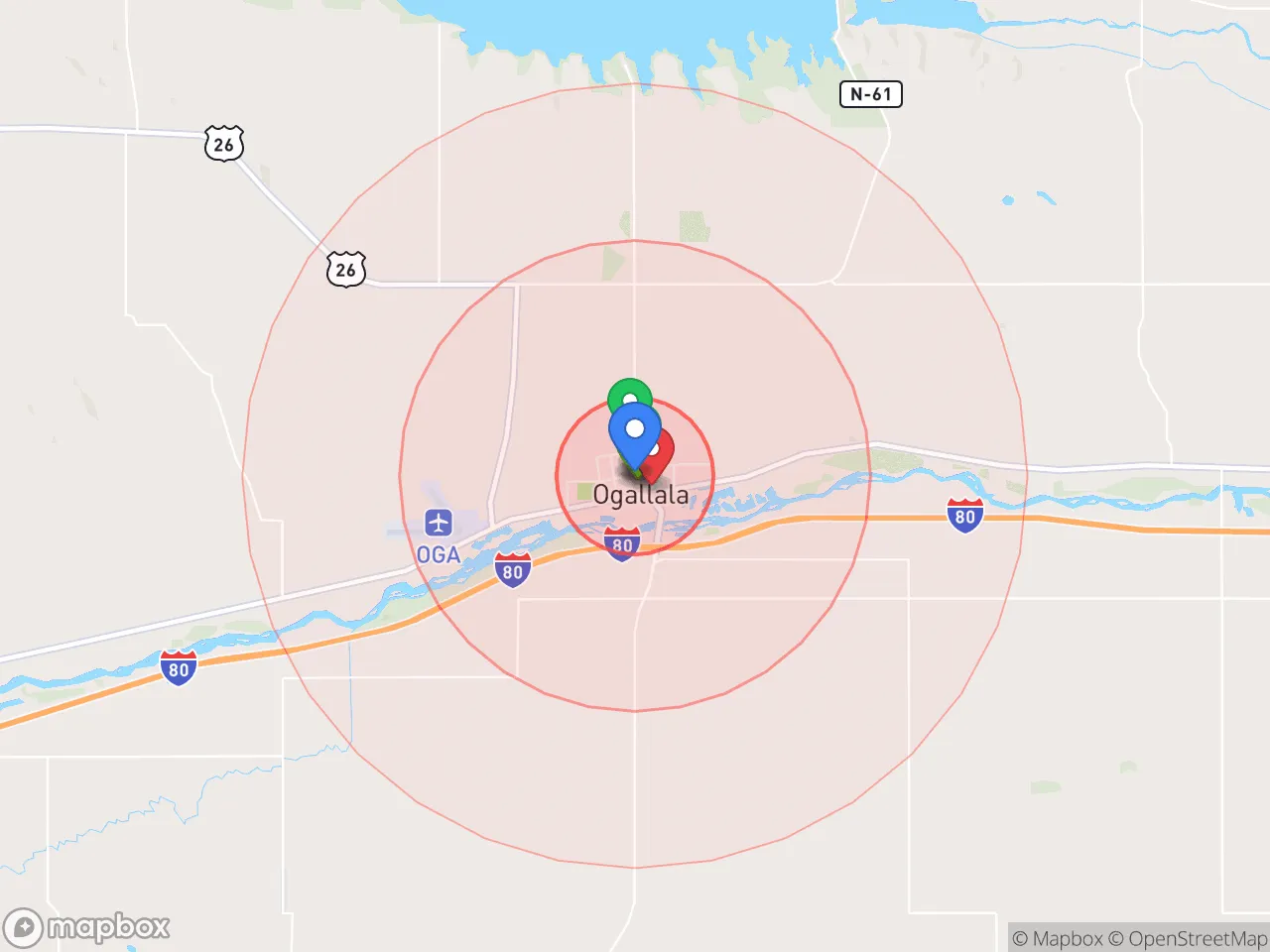
Hobbies
Explore the areaGroceries
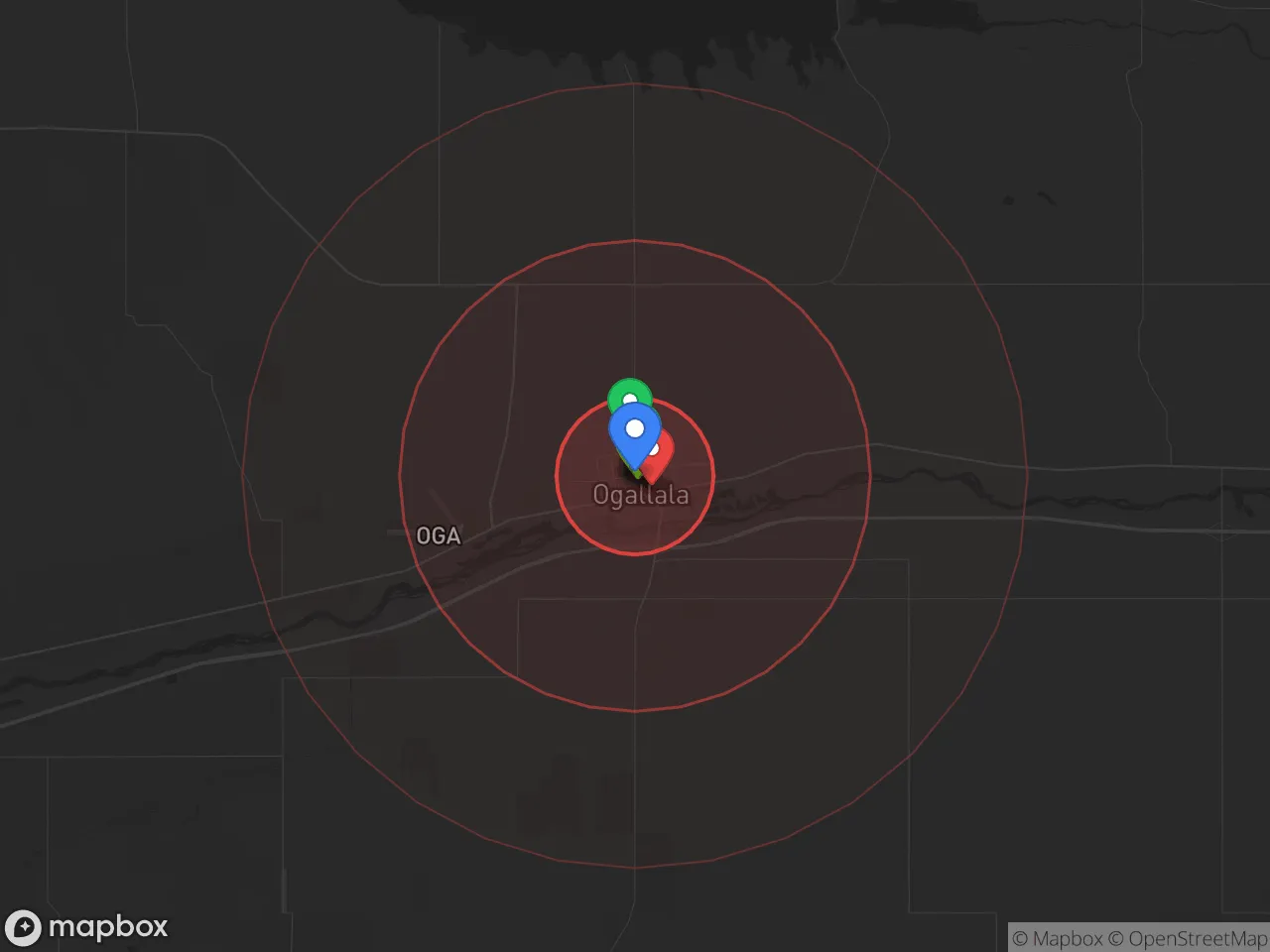
2 within 10 miles
Gas
6 within 10 miles
Hospital
2 within 20 miles
Airport
DEN — Denver International
Post Office
USPS — Ogallala, NE
Critical Amenities
Quality-of-Life Analysis
Ogallala, Nebraska, presents a notably affordable quality of life that attracts a mix of retirees, agricultural workers, and families seeking a low-stress, rural environment. With a cost of living index of 57—well below the U.S. average of 100—the community offers significant financial breathing room, particularly for those moving from higher-cost regions. The median household income hovers around $50,000, reflecting a working-class and middle-class demographic anchored by jobs in farming, healthcare, and local government. This is not a wealthy enclave but a practical, down-to-earth town where residents prioritize stability and community over high-end amenities.
How housing costs and everyday expenses compare to nearby towns
Housing in Ogallala is a standout value, with a median home value of $135,500—roughly half the national median—and a median rent of just $738 per month. This makes homeownership accessible even for single-income households, and rental prices are about 30% lower than in North Platte, the nearest larger city 50 miles east. Utility costs are slightly below the national average, while grocery prices are on par with rural Nebraska norms. The average commute of 15.1 minutes is exceptionally short, cutting transportation costs and freeing up time for family or recreation. Compared to the state capital of Lincoln, where the cost of living index is 92, Ogallala offers nearly a 40% discount on everyday expenses, though wages are correspondingly lower—a trade-off that suits those who value affordability over career advancement.
What daily life is like for families and retirees in Ogallala
Daily life in Ogallala revolves around Lake McConaughy, a major recreation hub that draws visitors for boating, fishing, and camping, and the local school system, which serves about 1,200 students across three schools. The Ogallala Public Schools maintain a student-teacher ratio of roughly 14:1, and the district consistently scores above the state average on standardized tests, making it a draw for families. Healthcare is provided by Ogallala Community Hospital, a critical-access facility with 25 beds, though residents travel to North Platte or Kearney for specialized care. The town’s retail core is modest, anchored by a Walmart Supercenter and a handful of local shops, but the absence of big-box sprawl keeps the downtown walkable and quiet. For retirees, the low crime rate—violent crime is about 60% below the national average—and the slow pace of life are major selling points, though those seeking cultural amenities like theaters or fine dining will find them limited.
Ogallala is best suited for people who value financial simplicity, outdoor recreation, and a tight-knit community over urban convenience. Families with young children will appreciate the affordable housing and solid schools, while retirees will thrive on the low cost of living and proximity to Lake McConaughy. Remote workers can leverage the cheap rent and short commute, though high-speed internet is available but not gigabit-level in all areas. Those who need frequent access to major airports, specialist healthcare, or a vibrant nightlife should look elsewhere—but for anyone seeking a quiet, affordable slice of the Great Plains, Ogallala delivers.

Crime in Ogallala, NE
Lower crime rates than 94% of comparable U.S. locations.
Violent CrimeViolent Crime Analysis
Property CrimeProperty Crime Analysis
Crime Analysis
Ogallala, Nebraska, presents a notably mixed safety profile: its violent crime rate of 21.2 incidents per 100,000 residents is dramatically lower than both state and national averages, while its property crime rate of 953 per 100,000 significantly exceeds them. This contrast means that while the risk of a violent encounter is minimal, residents face a substantially elevated likelihood of theft, burglary, or vehicle break-ins compared to the typical Nebraska community. The overall picture is one of a quiet, low-population city where property-related offenses are the primary public safety concern.
Crime in context
To understand Ogallala’s safety, it helps to compare its numbers directly. The city’s violent crime rate of 21.2 per 100,000 is roughly one-fifth the national average of approximately 380 per 100,000 and well below Nebraska’s statewide rate of about 240 per 100,000. This places Ogallala among the safest small towns in the region for violent offenses like assault, robbery, and homicide. However, the property crime rate of 953 per 100,000 is nearly double the national average of roughly 500 per 100,000 and significantly higher than Nebraska’s statewide figure of about 600 per 100,000. This disparity suggests that property crime—particularly theft from vehicles and unsecured outbuildings—is a persistent issue, likely driven by the city’s role as a regional hub along Interstate 80 and its transient tourist population.
What residents experience
For those living in Ogallala, the day-to-day reality is one of low personal danger but high vigilance regarding possessions. Residents commonly report feeling safe walking downtown or letting children play in yards, a direct reflection of the low violent crime numbers. The primary frustration is property crime: unlocked cars, garages, and sheds are frequent targets, and the city’s police department has emphasized community education on securing valuables. The local justice system, operating under Nebraska’s generally conservative legal framework, does not exhibit the progressive prosecutorial policies seen in larger metro areas—meaning offenders are more likely to face traditional consequences, which helps keep violent crime suppressed. The property crime rate, however, remains stubbornly high, often linked to transient individuals passing through the area.
Neighborhood-level variation in Ogallala is modest but worth noting. The core downtown and older residential streets near the lake tend to see slightly higher property crime due to foot traffic and tourist activity. Newer subdivisions on the city’s outskirts, such as those near the golf course, report fewer incidents, largely due to more modern home security systems and lower pedestrian density. The areas immediately adjacent to Interstate 80, including motels and gas stations, experience the highest concentration of theft and vehicle break-ins. Overall, while Ogallala is not a high-risk community for violent crime, the property crime rate demands that residents adopt consistent security habits—locking doors, securing sheds, and avoiding leaving valuables in plain sight—to avoid becoming a statistic.
* Values derived from national, state, county, city and local statistics and may differ in a specific area. Last updated: 2026-05-03T20:29:58.000Z
Narrative content on this page is AI-generated and may contain mistakes. Verify any details that matter before acting on them.
ReloMaps may earn a commission from affiliate links at no extra cost to you.

