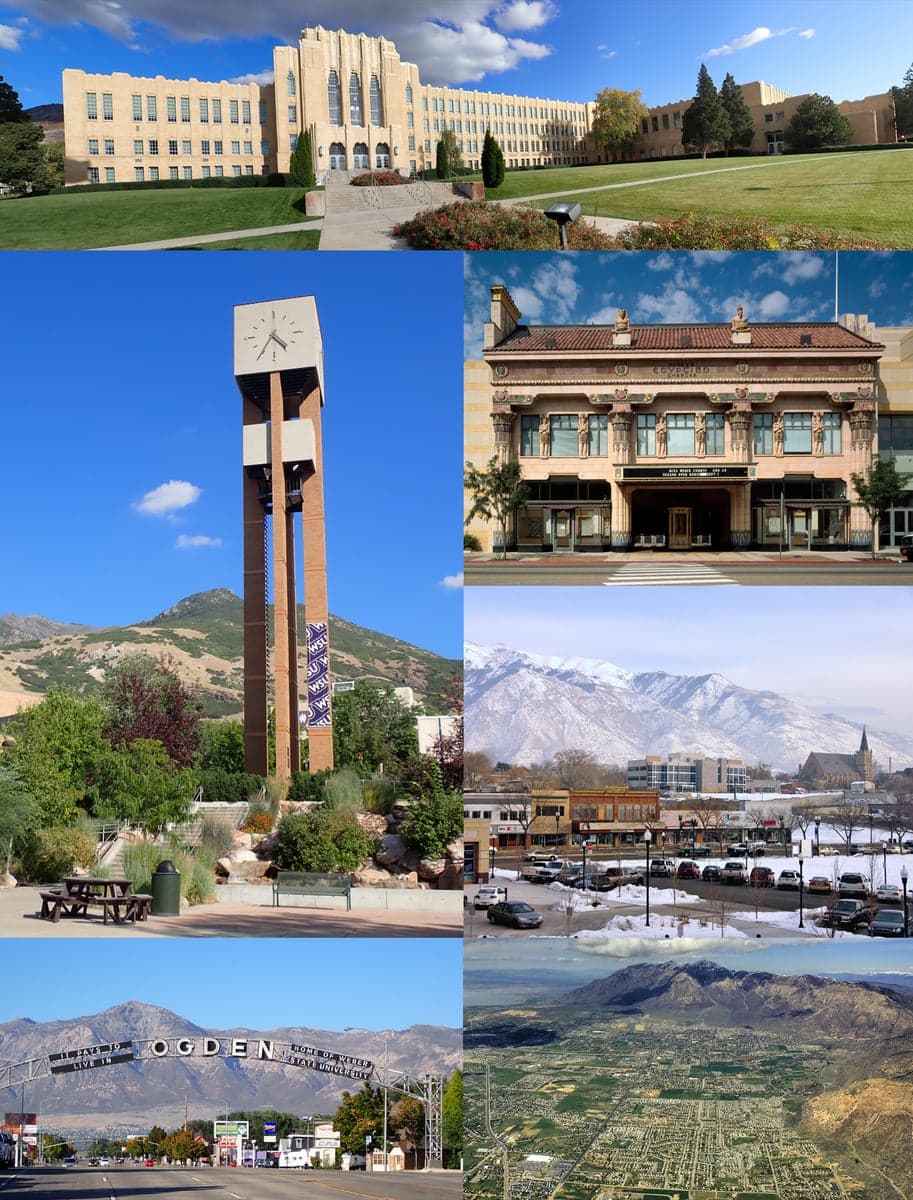
Photo: Wikipedia
Personal Sovereignty in Ogden, UT
Viable for self-reliance. Generally workable, though some barriers may limit total independence.
What does Personal Sovereignty tell us?
Personal Sovereignty measures your capacity for self-reliance and independence with minimal government friction. Higher scores mean fewer barriers between you and the way you want to live... but it assumes you have the space you need and good neighbors.
What does this tell us?
Personal Sovereignty measures your capacity for self-reliance and independence with minimal government friction. Higher scores mean fewer barriers between you and the way you want to live... but it assumes you have the space you need and good neighbors.
State Policy
Energy independence: Self-sufficient (80% of energy produced in-state)
Personal Liberty
Homesteading

Personal Liberty Analysis
For the individual or family prioritizing maximum personal sovereignty—the ability to live, defend, and provide for oneself without excessive government interference—Ogden, Utah, presents a notably favorable environment compared to much of the coastal and urbanized United States. Nestled at the base of the Wasatch Range, this city of roughly 88,000 operates within a state that has deliberately cultivated a legal and cultural framework resistant to federal overreach, with a political climate that consistently ranks among the most liberty-oriented in the nation. While no location is a perfect fortress against the expanding administrative state, Ogden offers a tangible alternative for those seeking to reclaim autonomy in their daily lives, from tax policy and self-defense rights to the practical ability to live more self-reliantly.
Tax burden and regulatory posture: How Utah’s fiscal restraint affects your autonomy
Utah’s approach to taxation and regulation is a cornerstone of its appeal for sovereignty-minded individuals. The state operates under a constitutional requirement for a balanced budget, and its tax burden is consistently among the lowest in the country. There is no state income tax on Social Security benefits, and the flat personal income tax rate of 4.65% is applied uniformly, avoiding the punitive brackets found in high-tax states. Property taxes in Weber County, where Ogden sits, are also restrained; the effective rate hovers around 0.6% of assessed value, roughly half the national average. This fiscal discipline means less of your labor is forcibly redirected to government programs you may not support. On the regulatory front, Utah has aggressively pursued occupational licensing reform, reducing barriers for trades and small businesses—critical for anyone wanting to start a side hustle, a homesteading supply operation, or a firearms-related business without drowning in red tape. The state’s “Red Tape Reduction” initiative has eliminated hundreds of outdated rules, and local zoning in Ogden, while not libertarian, is far more permissive than in cities like Portland or Denver. For a prepper or survivalist, this translates into fewer bureaucratic hurdles when building a workshop, storing supplies, or operating a home-based enterprise.
Self-defense and gun law specifics: What the Second Sanctuary status means for you
Utah is a constitutional carry state, meaning that as of 2021, any law-abiding adult 21 or older can carry a concealed firearm without a permit. This is a foundational liberty for anyone serious about self-defense. Ogden itself is located in Weber County, which has been designated a Second Amendment Sanctuary—a formal resolution by local officials to oppose any state or federal infringements on the right to keep and bear arms. This isn’t just symbolic; it signals that local law enforcement and prosecutors are unlikely to cooperate with overreaching federal gun control measures. The state also has a “stand your ground” law, with no duty to retreat in any place where you have a legal right to be. For the survivalist, this legal environment means you can train, carry, and store firearms without the constant anxiety of running afoul of a patchwork of local restrictions. Magazine capacity limits, assault weapon bans, and waiting periods are absent at the state level. Furthermore, Utah’s firearm preemption law is strong, preventing cities like Ogden from enacting their own stricter ordinances—a critical protection against the kind of municipal-level gun control seen in liberal enclaves elsewhere.
Self-reliance and homesteading viability: Lot sizes, zoning, and off-grid feasibility in Ogden
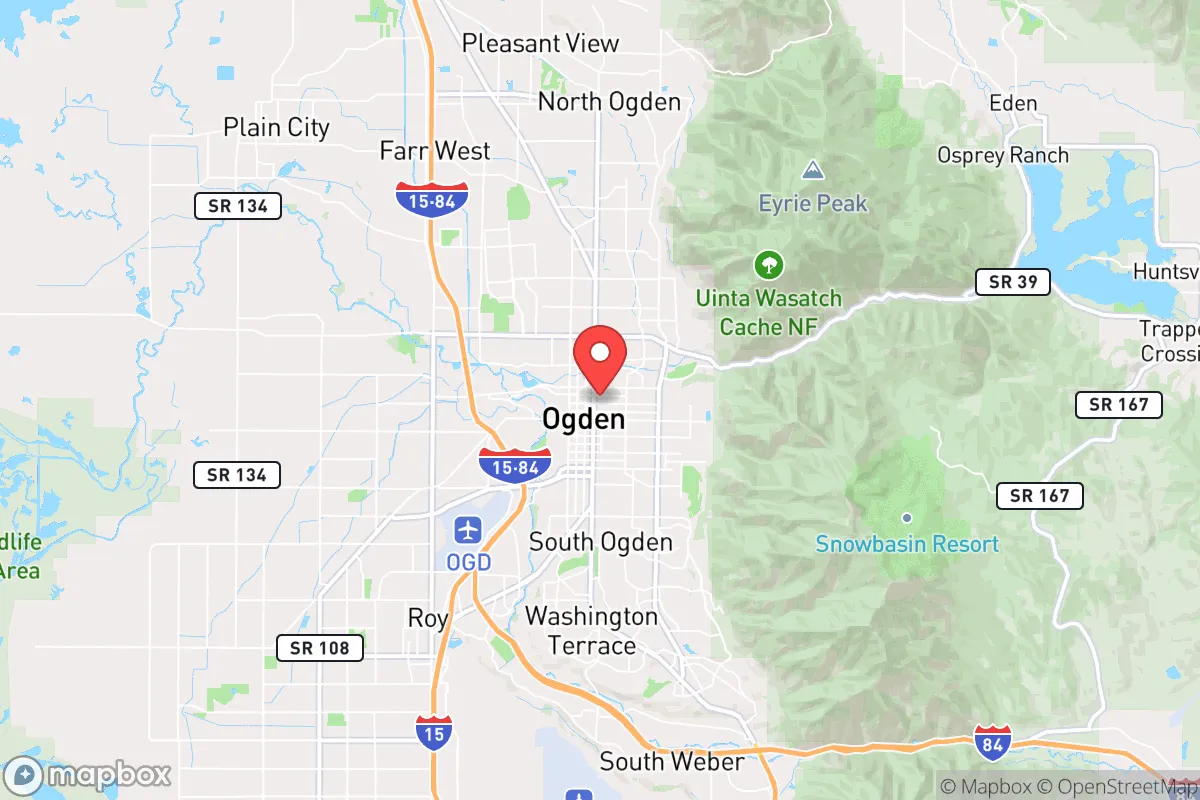
Ogden offers a realistic path toward self-reliance that is increasingly rare in the Intermountain West. While the city core has smaller lots typical of an urban area, the surrounding neighborhoods and unincorporated parts of Weber County provide opportunities for genuine homesteading. Standard residential lots in the Ogden Valley and east bench areas range from 0.25 to 1 acre, with some rural parcels available at 5 to 20 acres within a 20-minute drive of downtown. Zoning in these areas generally permits keeping chickens, goats, and even larger livestock, though you’ll want to verify specific HOA covenants if they exist—many older subdivisions have none. Off-grid feasibility is moderate. Utah law does not explicitly prohibit rainwater collection, but it regulates water rights, so a well or a permitted rainwater system is advisable. Solar panels are widely accepted, and net metering is available through Rocky Mountain Power, though the state’s regulatory climate is shifting toward less favorable terms for new solar installations. For the serious prepper, the key advantage is the proximity to federal land: over 60% of Utah is public land, including the Wasatch-Cache National Forest directly east of Ogden. This provides a massive buffer zone and a resource for hunting, foraging, and emergency retreat, though it also means you cannot own that land outright. The biggest challenge is water—the region is arid, and securing a reliable water source for a fully self-sufficient homestead requires due diligence on well permits and water rights.
Personal liberties: Parental rights, medical autonomy, speech, and property protections
Utah has been a national leader in codifying parental rights. The state’s Parental Rights in Education law (HB 331, 2023) requires schools to notify parents of any changes in a student’s emotional or physical health, and it prohibits classroom instruction on gender identity and sexual orientation without parental consent. This is a direct counter to the trend of government assuming parental authority in sensitive matters. On medical autonomy, Utah has taken a cautious stance against federal overreach during public health emergencies; the legislature passed laws limiting the governor’s emergency powers and banning vaccine passports for government services. While not a full medical freedom haven, it is far more resistant to mandates than states like California or New York. Free speech protections are robust, with the state constitution offering explicit protections that courts have interpreted broadly. Property rights are also strongly defended: Utah has a private property rights protection act (the “Takings Act”) that requires compensation for any regulatory action that diminishes property value by more than 20%. This is a powerful tool against zoning overreach or environmental restrictions that could otherwise cripple a homestead or survival retreat. For the individualist, these laws create a legal buffer against the creeping administrative state that has eroded liberties elsewhere.
In the broader landscape of American personal sovereignty, Ogden occupies a strong middle ground—not as permissive as rural Idaho or Montana, but significantly more liberty-oriented than the urban corridors of the West Coast or the Northeast. The combination of constitutional carry, Second Sanctuary status, low taxes, parental rights protections, and viable homesteading land within a short drive of a city with infrastructure makes it a strategic relocation target for those who value self-reliance and distrust centralized authority. The trade-offs are real: you are still subject to federal law, the state’s water rights system is complex, and the growing population of the Wasatch Front is putting pressure on resources. But for the survivalist or prepper looking to build a life with maximum personal autonomy, Ogden offers a rare convergence of legal, economic, and geographic advantages that are worth serious consideration.

* Values derived from national, state, county, city and local statistics and may differ in a specific area. Last updated: 2026-04-21T09:14:02.000Z
Narrative content on this page is AI-generated and may contain mistakes. Verify any details that matter before acting on them.
ReloMaps may earn a commission from affiliate links at no extra cost to you.

