Photo: Wikipedia
Find The Best Places To Live
in Ogden
PRO TIP! You can paste a Zillow or Redfin link to get info on that property.
What It's Like Living in Ogden, UT
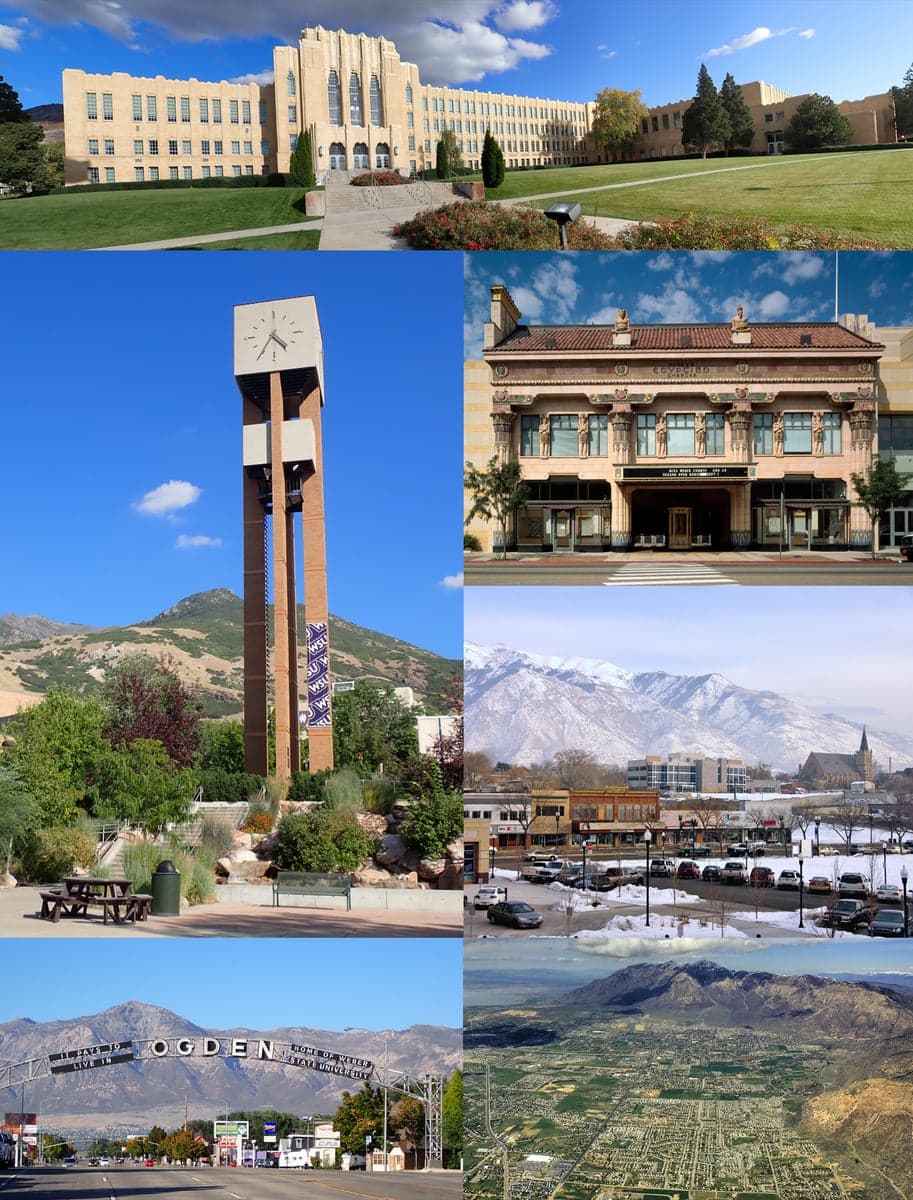
Ogden has a split personality in the best way. One minute you’re grabbing a craft beer at a converted train depot, the next you’re hiking a trail that starts literally at the edge of downtown. It’s a place where the mountain-town grit meets a surprisingly active city core, and the result feels less polished than Park City and less sprawling than Salt Lake. People here tend to like it that way.
Daily Rhythm: Mountain Mornings and Main Street Evenings
Most weekdays in Ogden start early, often with a run up the Bonneville Shoreline Trail or a quick bike ride before work. The average commute is just over 22 minutes, which means you can live in a quiet neighborhood off Harrison Boulevard and still be at your desk downtown in under half an hour. The big employers here — Hill Air Force Base just south, Weber State University, and a growing cluster of outdoor-industry offices (think gear companies and adventure-travel startups) — pull in a mix of military families, academics, and young professionals who value proximity to the Wasatch Range over a corner office in a high-rise.
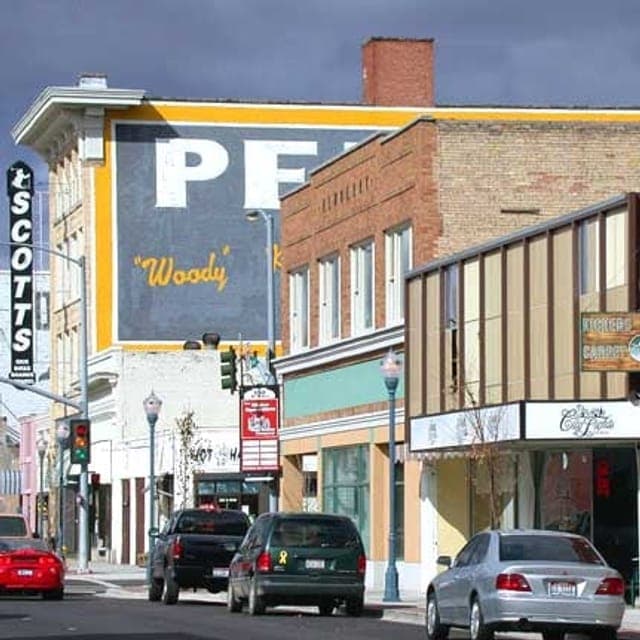
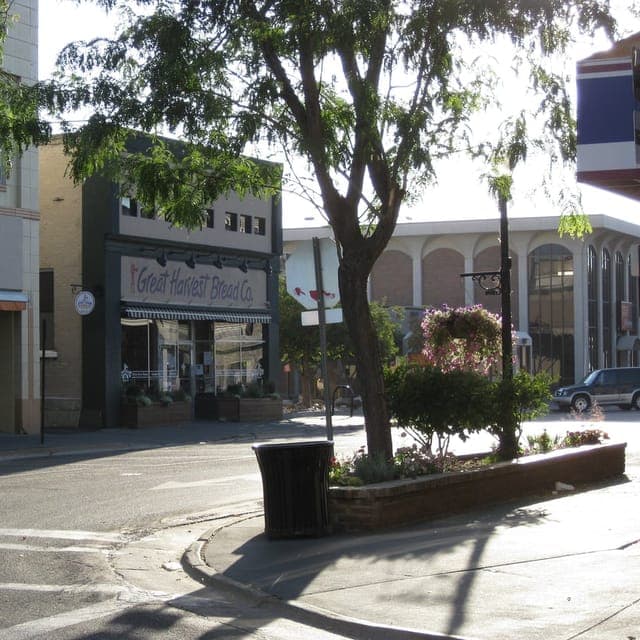
By 5 p.m., the energy shifts to 25th Street, the historic brick strip that locals treat as Ogden’s living room. You’ll find Rooster’s Brewing Co. packed with post-work crowds, The Angry Goat pouring local wines, and Harvest Moon serving farm-to-table dinners that would hold up in any big city. On weekends, the Ogden Farmers Market (May through October) fills the Municipal Lot with produce, hot sauce vendors, and a live bluegrass band that draws families and retirees alike. The median age here is 33.3, and you feel it — there are plenty of young parents pushing strollers, but also a solid contingent of single climbers and skiers who treat the city as a basecamp.
Sports & Community: From High School Rivalries to Minor League Nights
Sports are woven into Ogden’s identity in a way that surprises newcomers. The Ogden Raptors, a Pioneer League baseball team, play at Lindquist Field right downtown, and a summer night game there — with the Wasatch Mountains rising behind the outfield wall — is about as Ogden as it gets. Tickets are cheap, the crowd is loud, and the vibe is pure small-town Americana. High school sports are a bigger deal here than in many Utah cities: Weber High School and Ogden High School football games draw hundreds of fans on Friday nights, and the rivalry between them is genuine, not manufactured.
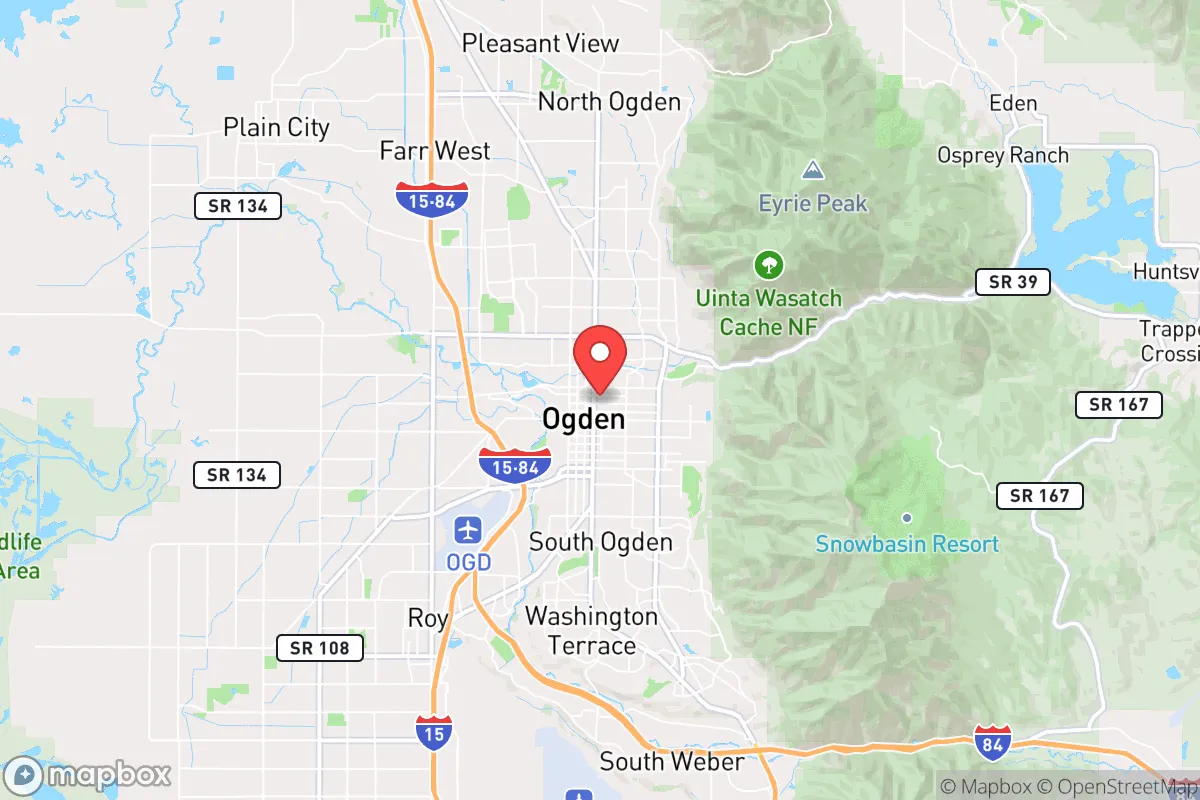
For winter sports, Snowbasin Resort is 20 minutes up the canyon, and Powder Mountain is about 45 minutes away. Locals don’t brag about the ski scene the way Park City folks do — they just go. The culture is less about apres-ski glamour and more about getting first chair and being home by noon. In summer, the Ogden Marathon and the Tour of Utah cycling race bring competitive energy, but the real daily sport is just being outside: paddleboarding on Pineview Reservoir, fishing the Weber River, or hiking to the summit of Mount Ogden.
What’s There to Do: Festivals, Music, and the Quirks of a Railroad Town
Ogden’s calendar is packed with events that lean into its railroad-and-outdoors heritage. The Ogden Arts Festival in June fills the downtown streets with painters and sculptors, while Weber County Fair in August brings carnival rides and 4-H livestock shows. The Ogden Twilight Concert Series at the Ogden Amphitheater pulls mid-tier national acts (think indie rock and folk) that draw crowds from as far as Logan. For a quieter evening, the Peery’s Egyptian Theater — a restored 1920s movie palace — shows classic films and hosts live theater.
A cultural quirk you’ll notice: Ogden wears its railroad past openly. The Union Station building houses a museum and a model train exhibit, and the city’s old rail yards are being redeveloped into a mixed-use district called The Junction, which has a movie theater, bowling alley, and a handful of chain restaurants. Locals are split on The Junction — some see it as progress, others miss the gritty authenticity of the old warehouses. That tension between old and new is part of Ogden’s character. You’ll also hear a fair amount of grumbling about the LDS Church’s influence on local politics and school board decisions, though the city itself is more religiously diverse than much of Utah, with a noticeable Catholic and Protestant presence.
Pros and Cons of Living Here
Longtime residents will rattle off the upsides without hesitation: unbeatable outdoor access, a downtown that’s walkable and safe during the day, and housing that — while rising — is still affordable compared to Salt Lake City (median home value is $311,300, and the cost of living index sits at 102, just above the national average). The median household income of $70,053 means a two-income couple can afford a decent home and still have room for ski passes and weekend trips. The schools, particularly Ogden Preparatory Academy and Mound Fort Junior High, are active in the community, with parent involvement that feels genuine, not performative.
The downsides are real, too. The violent crime rate of 444.9 per 100,000 people is noticeably higher than the national average, and while most of it is concentrated in specific neighborhoods (particularly around the west side of downtown), it’s a fact that makes some families cautious about where they buy. Winter inversions — when cold air traps pollution in the valley — can make January and February feel hazy and oppressive, though Ogden’s position near the mouth of Ogden Canyon means it clears out faster than Salt Lake. Traffic is rarely a problem except during the Weber County Fair or a big Raptors game, and even then it’s a 10-minute delay, not a gridlock. The biggest frustration locals mention is the lack of high-end dining and shopping — you’ll drive to Salt Lake for a Nordstrom or a really good sushi spot. But for most people who choose Ogden, that trade-off is worth it.

Similar small cities to Ogden
* Values derived from national, state, county, city and local statistics and may differ in a specific area. Last updated: 2026-04-21T09:14:02.000Z
Narrative content on this page is AI-generated and may contain mistakes. Verify any details that matter before acting on them.
ReloMaps may earn a commission from affiliate links at no extra cost to you.

