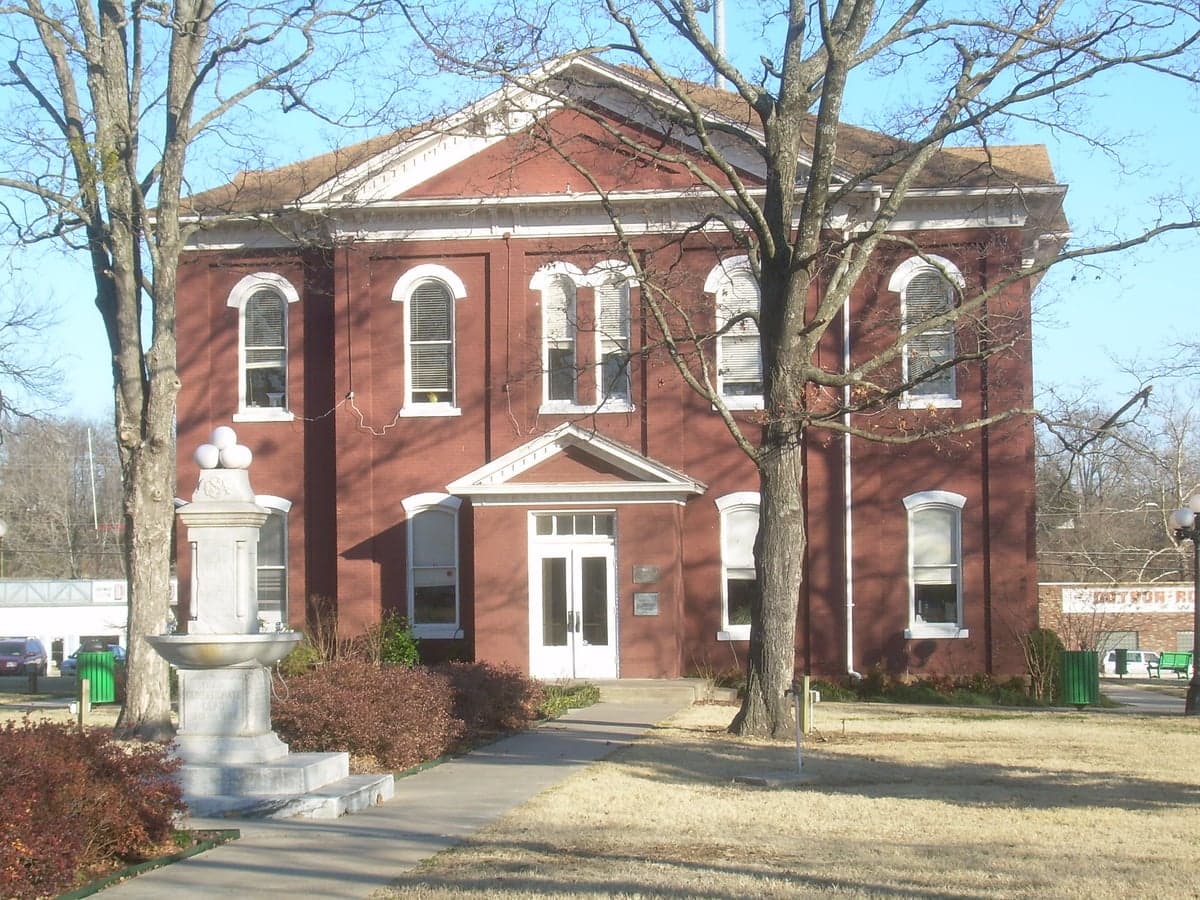
Photo: Wikipedia
Quality of Life in Cherokee County
A livable area that tracks near national norms for affordability, walkability, and neighborhood health.
What does Quality of Life tell us?
Quality of Life measures an area by evaluating factors like cost of living, nearby amenities, country club access, airport proximity, socioeconomic signals and neighborhood character. For large states, this is a general average — quality of life can vary dramatically between metro areas, suburbs, and rural communities within the same state.
What does this tell us?
Quality of Life measures an area by evaluating factors like cost of living, nearby amenities, country club access, airport proximity, socioeconomic signals and neighborhood character. For large states, this is a general average — quality of life can vary dramatically between metro areas, suburbs, and rural communities within the same state.
Cost of Living
36% below national average
117%
The Real Cost of Living in Cherokee County for 2026
| Tier | Individual | Family (4) |
|---|---|---|
| Survival | $13k | $24k |
| Comfortable | $31k | $46k |
| Luxury | $97k+ | $150k+ |
| Elite (Top 5%) | $124k+ | $192k+ |
Quality-of-Life Analysis
Cherokee County, Oklahoma, offers a broad quality-of-life spectrum that ranges from the college-town energy of Tahlequah to the quiet, rural solitude of communities like Hulbert and Lost City. With a cost of living index of 64 (well below the national average of 100), a median home value of $160,300, and a median rent of $803, the county attracts a mix of university students, Cherokee Nation employees, retirees seeking affordability, and families looking for land. The character of daily life shifts dramatically depending on whether you are in the county’s largest town, a smaller community, or a remote rural pocket.
Largest town(s) & population centers
Tahlequah is the county seat and by far the largest population center, home to roughly 16,000 residents and the headquarters of the Cherokee Nation. Daily life here is defined by the presence of Northeastern State University (enrolling about 7,000 students), which brings a youthful, culturally active vibe with events like the annual Cherokee National Holiday. The town has a walkable downtown square lined with local restaurants, art galleries, and the Cherokee National History Museum. Employment is heavily anchored by the Cherokee Nation government, the university, and the regional hospital. Commute times average 24.9 minutes countywide, but within Tahlequah itself, most errands are a short drive. The town offers the county’s widest range of amenities, including a Walmart Supercenter, multiple grocery stores, and the Tahlequah City Hospital. Housing here is more expensive than in outlying areas, but still affordable: a typical three-bedroom home near the university runs around $180,000–$200,000, while rentals near campus average $850–$950 per month.
Smaller towns & rural pockets
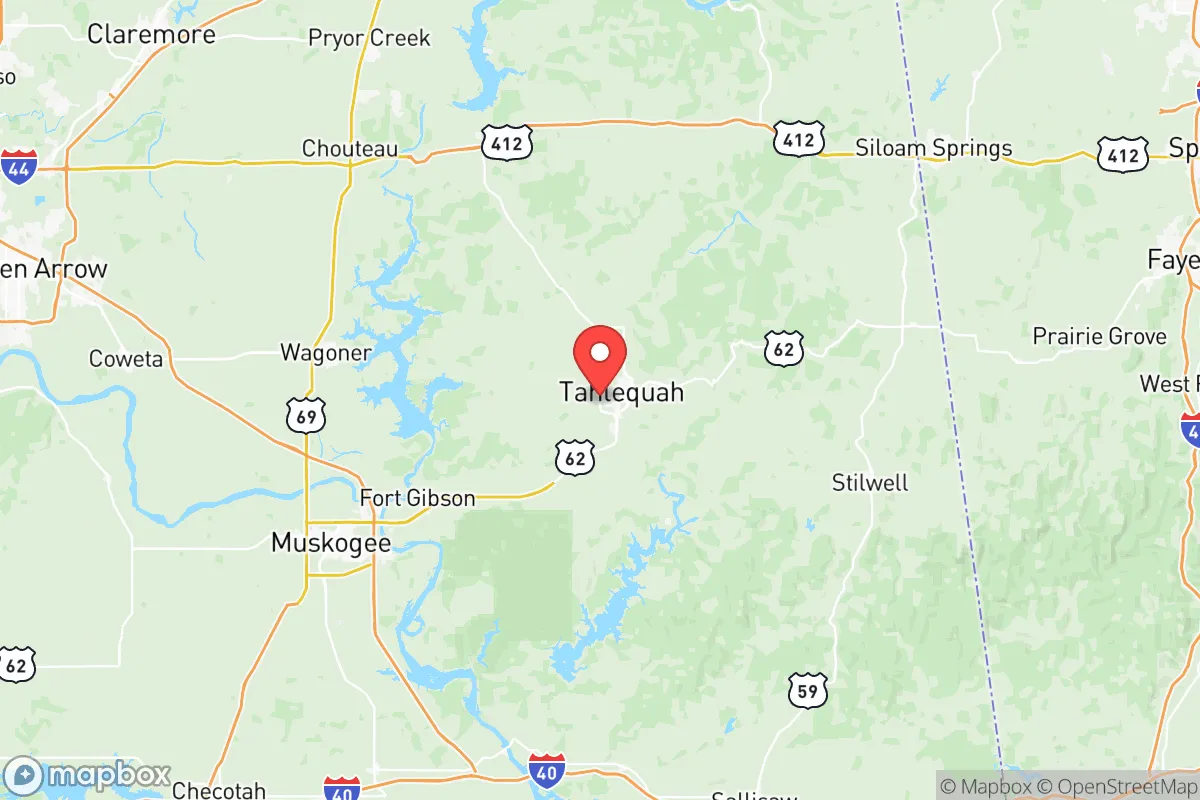
Outside Tahlequah, the county’s smaller communities offer a markedly different pace. Hulbert (pop. ~590) sits about 15 miles southeast of Tahlequah and is a classic rural crossroads town with a single grocery store, a post office, and a handful of churches. Lost City (pop. ~800) is an unincorporated community along the Illinois River, popular with canoeists and anglers but offering few commercial services. Keys (pop. ~500) lies near the county’s western edge, where residents primarily commute to Tahlequah or Muskogee for work. Briggs (pop. ~300) is a small census-designated place just south of Tahlequah, essentially a bedroom community with no downtown. These areas are characterized by larger lots (1–5 acres common), gravel roads, and a reliance on well water and septic systems. Property taxes remain low—typically under $600 annually on a $150,000 home—but residents must drive 15–30 minutes for most shopping or medical care. The trade-off is deep quiet, dark night skies, and direct access to the Illinois River and Tenkiller Ferry Lake for recreation.
Cost & lifestyle range
The cost spread across Cherokee County is significant. At the low end, rural properties near Hulbert or Lost City can be found for under $100,000—a three-bedroom fixer-upper on 2 acres might list for $85,000. Rent in these areas is scarce but can dip to $600–$700 for a small house. At the high end, newer subdivisions on the outskirts of Tahlequah, such as those near the Cherokee Nation’s W.W. Hastings Hospital, see homes priced from $250,000 to $350,000 for 1,800–2,400 square feet. The median home value of $160,300 places the county well below the national median of roughly $350,000, but above neighboring Adair County ($130,000) and below Wagoner County ($220,000). Renters pay a median of $803, which is about 30% lower than the Oklahoma state average of $1,150. The lifestyle range is equally broad: Tahlequah offers coffee shops, a farmers market, and university lectures, while rural residents enjoy hunting, fishing, and four-wheeling on private land. The average commute of 24.9 minutes reflects the fact that many rural residents drive into Tahlequah or Muskogee for work, though some remote workers now choose the area for its low housing costs and fiber internet availability in parts of the county.
Cherokee County is best suited for people who value affordability and outdoor recreation over urban convenience. College students and Cherokee Nation professionals thrive in Tahlequah’s walkable, culturally rich environment. Retirees and remote workers on a fixed budget find the rural pockets near the Illinois River or Tenkiller Lake ideal for a low-cost, nature-focused lifestyle. Families seeking good schools should note that Tahlequah Public Schools and Hulbert Public Schools both offer pre-K through 12th grade, but rural students often face longer bus rides. The county’s mix of university energy, tribal governance, and deep rural quiet means there is a distinct place for nearly every budget and temperament—as long as you are comfortable with a slower pace and a 20-minute drive to the nearest grocery store.

Crime in Cherokee County
Crime rates similar to the national median for U.S. locations.
Violent CrimeViolent Crime Analysis
Property CrimeProperty Crime Analysis
Crime Analysis
Cherokee County, Oklahoma, presents a mixed safety picture that demands careful attention from potential residents. The county's violent crime rate of 405.3 per 100,000 residents and property crime rate of 1,820.6 per 100,000 both exceed national averages, placing it among the more challenging jurisdictions in eastern Oklahoma for public safety. These figures reflect a rural county grappling with the same property crime pressures seen across the region, while violent offenses remain a significant concern concentrated in specific areas.
Crime in context
Cherokee County's violent crime rate is roughly 15% higher than the national average and significantly above the Oklahoma state median for counties of similar population density. The property crime rate, while elevated, aligns more closely with other counties in the northeastern Oklahoma corridor. For comparison, neighboring Adair County reports lower violent crime rates, while Muskogee County to the south sees higher property crime numbers. The county's proximity to the larger metro area of Tulsa (about 70 miles west) introduces some spillover crime, particularly vehicle theft and burglary rings that operate along the US-62 and US-64 corridors. The District 27 Judicial District, which covers Cherokee County, has seen varying prosecution rates for property crimes in recent years, with some observers noting that progressive-leaning policies in the district attorney's office have contributed to reduced conviction rates for repeat offenders, a pattern that concerns public safety advocates.
What residents experience
Daily life in Cherokee County varies dramatically by location. The county seat of Tahlequah, home to the Cherokee Nation capital and Northeastern State University, experiences the highest concentration of both violent and property crime. The university area sees elevated rates of theft, vandalism, and alcohol-related assaults, while the downtown commercial district has faced persistent shoplifting and vehicle break-ins. Smaller communities like Hulbert and Park Hill report significantly lower crime rates, with residents describing a more secure, small-town atmosphere where neighbors watch out for one another. The unincorporated areas around Lost City and Briggs see minimal violent crime but are not immune to rural property crimes like equipment theft and burglary. Residents in Tahlequah frequently cite concerns about the local justice system's handling of property crime, with some expressing frustration that progressive sentencing philosophies have led to shorter jail terms for repeat offenders, potentially emboldening criminal activity in the county's most populous areas.
Neighborhood-level variation
Within Tahlequah itself, safety varies block by block. The historic district near the Cherokee Nation complex and the university campus benefits from regular police patrols and private security, while neighborhoods along Downing Street and Southridge report higher incident rates. The county's rural areas, particularly those near Lake Tenkiller and the Illinois River recreation zones, see seasonal spikes in property crime tied to tourism, including vehicle break-ins at trailheads and cabin burglaries. For those considering relocation, the safest options within Cherokee County are the smaller towns of Hulbert and Park Hill, where violent crime is rare and property crime rates run roughly half the county average. However, even in these areas, residents should invest in good lighting, security systems, and neighborhood watch participation, as the county's overall crime environment remains a legitimate concern for families and retirees alike.
* Values derived from national, state, county, city and local statistics and may differ in a specific area. Last updated: 2026-05-12T10:28:20.000Z
Narrative content on this page is AI-generated and may contain mistakes. Verify any details that matter before acting on them.
ReloMaps may earn a commission from affiliate links at no extra cost to you.

