Photo: Wikipedia
Find The Best Places To Live in Cherokee County
PRO TIP! You can paste a Zillow or Redfin link to get info on that property.
Best Places to Live in Cherokee County
Cities & Towns in Cherokee County
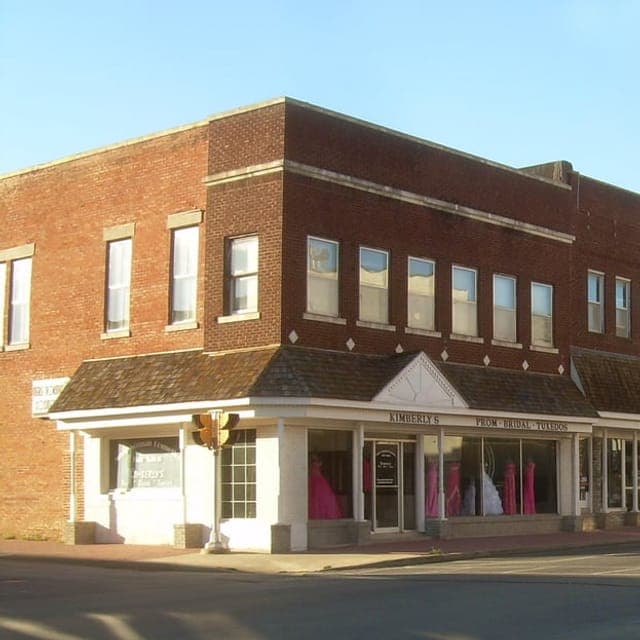
Cities in Cherokee County
What It's Like Living in Cherokee County, OK
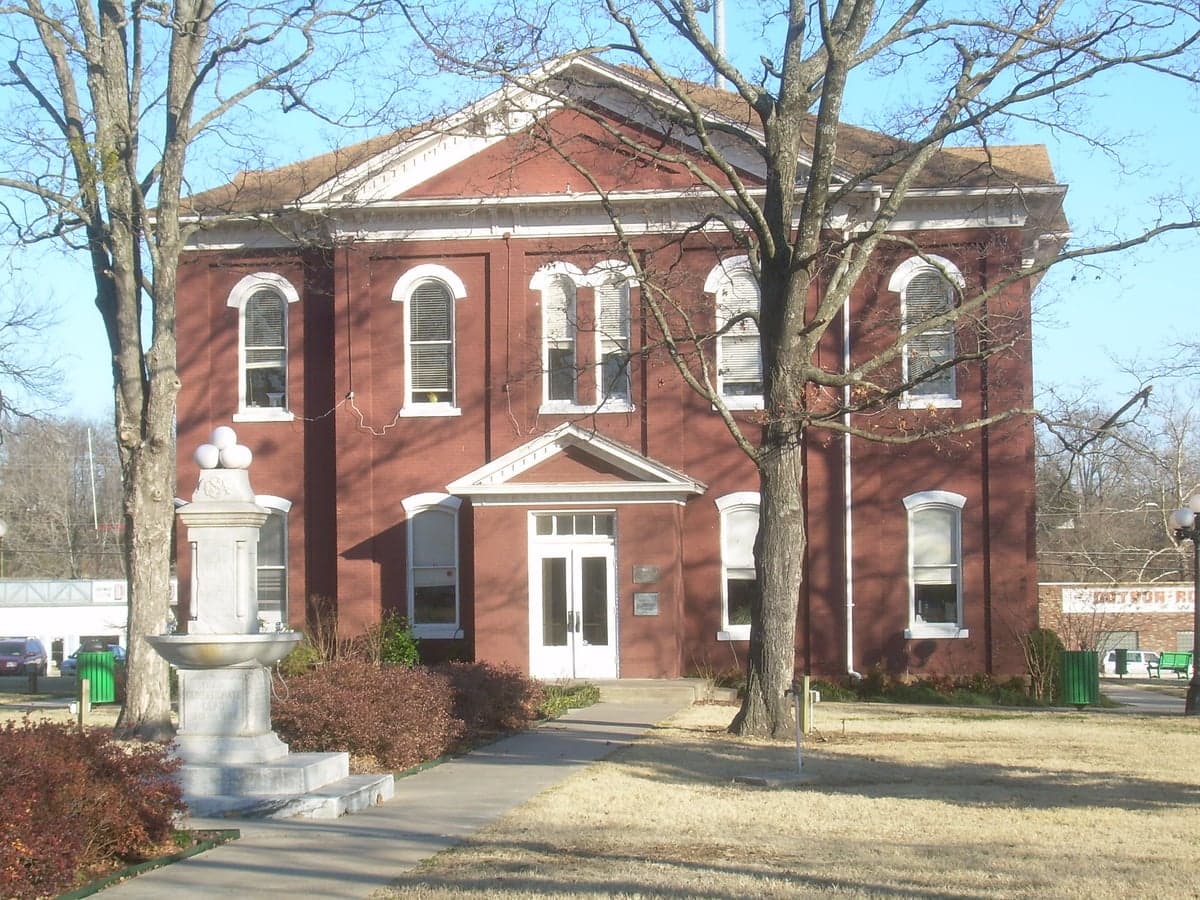
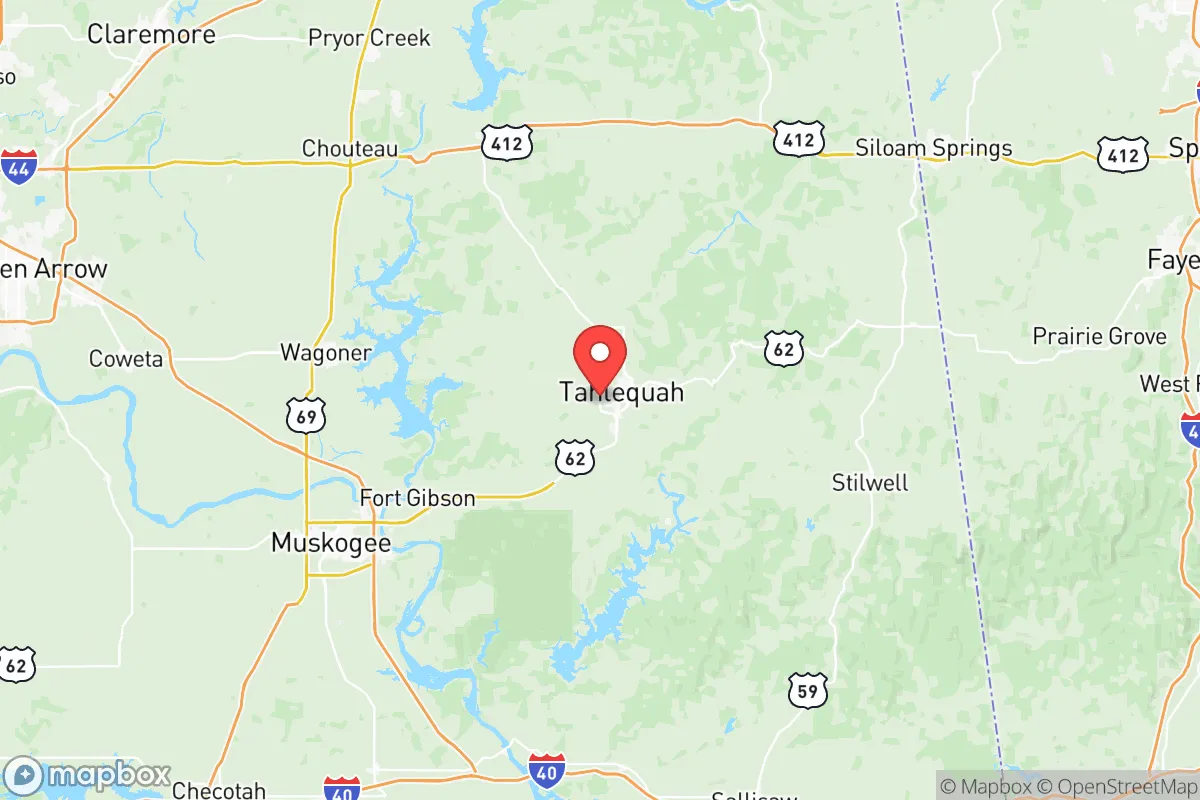
Living in Cherokee County, Oklahoma, feels like being part of a sprawling, tight-knit community where the pace of life slows down just enough to notice the seasons change. With a population just under 48,000 spread across towns like Tahlequah, Hulbert, and the smaller unincorporated areas, the county has a distinctly rural, self-reliant character that appeals to folks who want space, a lower cost of living, and a strong sense of place. It’s the kind of place where you’ll see the same faces at the grocery store and at Friday night football games, and where the local identity is shaped as much by the Cherokee Nation’s presence as by the surrounding lakes and forests.
Daily Rhythm in Cherokee County
For most residents, the day starts early and revolves around work, school, and outdoor time. The median income here sits at $53,668, which goes a long way thanks to a cost of living index of 64—well below the national average. A median home value of $160,300 means a family can buy a decent three-bedroom house in Tahlequah or a larger property with acreage in the rural stretches without stretching the budget thin. Commutes are short, averaging about 25 minutes, so you’re not burning gas or time just to get to work. Many people work in education, healthcare, or for the Cherokee Nation, which is the county’s largest employer. Others commute to Muskogee or even Tulsa for higher-paying jobs, but the trade-off is a quieter home life. Weekends often involve trips to the Illinois River for canoeing or fishing, or a drive to Tenkiller Ferry Lake for boating. In town, you’ll find locals grabbing coffee at the Tahlequah Main Street shops or heading to the Cherokee Casino for a night out. The pace is unhurried, and people here genuinely value knowing their neighbors.
Sports, Community, and What Brings People Together
High school sports are a genuine centerpiece of community life. Tahlequah High School’s football games on Friday nights draw big crowds, and the rivalry with nearby Hulbert or Keys is real—people plan their weekends around it. There’s no pro sports team in the county, but the University of Oklahoma Sooners and Oklahoma State Cowboys are followed passionately, with watch parties at local sports bars like the Branch on the Square in Tahlequah. The Cherokee Nation also hosts the annual Cherokee National Holiday in September, a massive event that draws thousands for parades, art shows, and traditional games. For music and entertainment, the Cherokee Casino Tahlequah brings in touring acts, and the local music scene thrives at venues like the Tahlequah Armory Municipal Center. Outdoor festivals like the Illinois River Jam and the Tahlequah Farmers Market keep the calendar full from spring through fall. If you’re the type who likes to be outside, on the water, or at a community potluck, you’ll fit right in.
What It’s Really Like: Pros and Cons of Living Here
The biggest draw is the affordability and the space. You can own land, have a garden, and not feel crowded. The Illinois River and Tenkiller Lake are world-class for recreation, and the cost of living means you can actually enjoy them without worrying about the bills. But there are trade-offs. The violent crime rate here is 405.3 per 100,000, which is higher than the national average—most of it property-related or tied to specific areas in Tahlequah, but it’s something to be aware of. The median age is 37.3, so it’s not a retirement community, but it’s also not a young party town. Only about 29.4% of adults hold a college degree, which reflects the working-class, hands-on nature of the economy. If you’re a parent, the schools in Tahlequah and Hulbert are the social hubs—PTA meetings and school board elections matter. Weather is a factor: summers are hot and humid, winters are cold but not brutal, and tornado season is real, so you’ll learn to pay attention to the sirens. Traffic is almost nonexistent outside of Tahlequah’s main drag during rush hour, which is a blessing. What frustrates longtime residents is the limited shopping—you’ll drive to Muskogee or Tulsa for a mall or a big-box store—and the lack of high-paying jobs outside of tribal government and healthcare. But for those who value quiet, community, and a slower rhythm, Cherokee County offers a life that feels grounded and real.

* Values derived from national, state, county, city and local statistics and may differ in a specific area. Last updated: 2026-05-12T10:28:20.000Z
Narrative content on this page is AI-generated and may contain mistakes. Verify any details that matter before acting on them.
ReloMaps may earn a commission from affiliate links at no extra cost to you.

