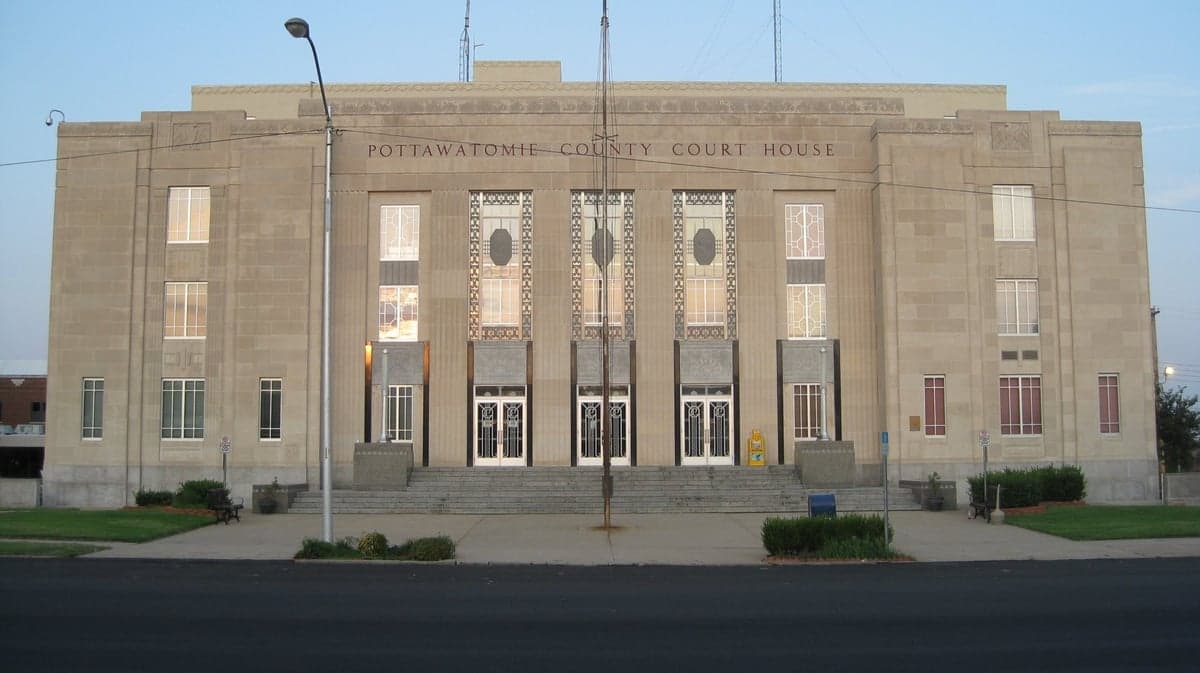
Photo: Wikipedia
Quality of Life in Pottawatomie County
A livable area that tracks near national norms for affordability, walkability, and neighborhood health.
What does Quality of Life tell us?
Quality of Life measures an area by evaluating factors like cost of living, nearby amenities, country club access, airport proximity, socioeconomic signals and neighborhood character. For large states, this is a general average — quality of life can vary dramatically between metro areas, suburbs, and rural communities within the same state.
What does this tell us?
Quality of Life measures an area by evaluating factors like cost of living, nearby amenities, country club access, airport proximity, socioeconomic signals and neighborhood character. For large states, this is a general average — quality of life can vary dramatically between metro areas, suburbs, and rural communities within the same state.
Cost of Living
33% below national average
137%
The Real Cost of Living in Pottawatomie County for 2026
| Tier | Individual | Family (4) |
|---|---|---|
| Survival | $14k | $26k |
| Comfortable | $30k | $44k |
| Luxury | $100k+ | $154k+ |
| Elite (Top 5%) | $117k+ | $182k+ |
Quality-of-Life Analysis
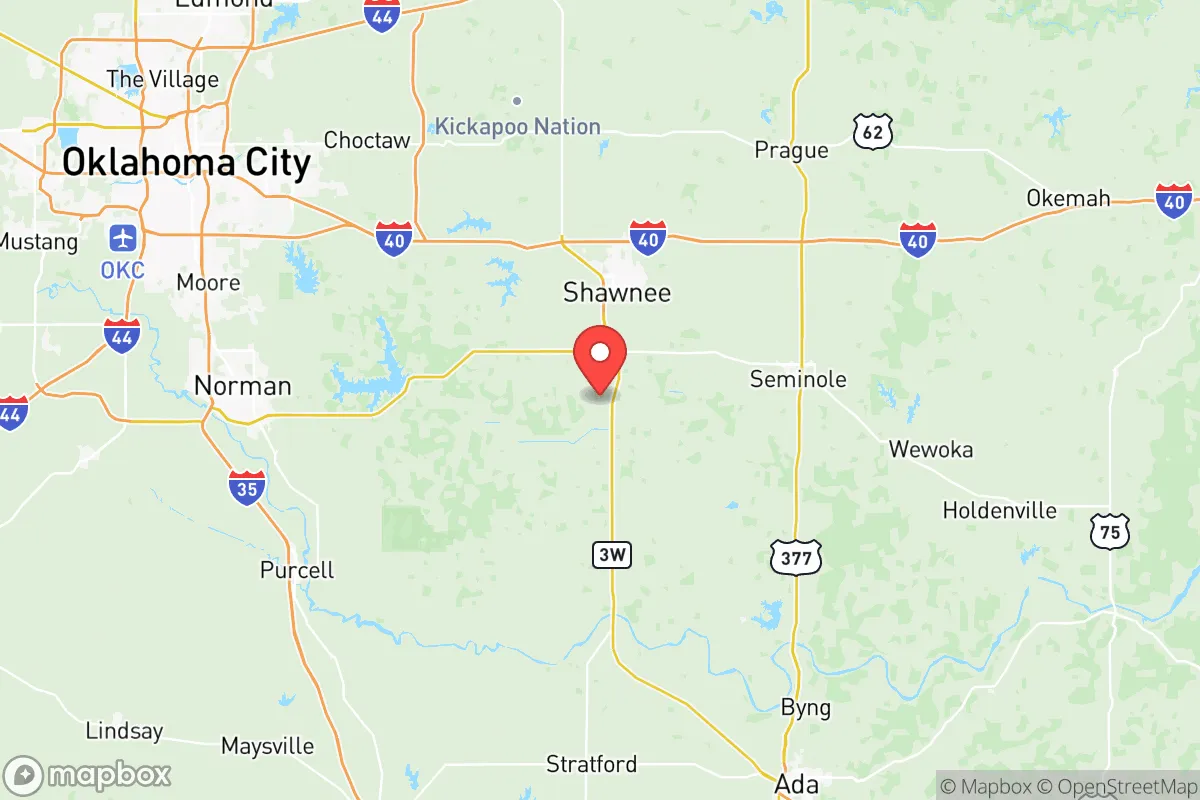
Pottawatomie County, Oklahoma, offers a broad quality-of-life spectrum that ranges from the suburban-style convenience of its largest city, Shawnee, to the quiet, land-based independence of its smaller communities like Tecumseh, McLoud, and rural pockets near the Canadian River. The county’s overall cost of living index sits at 67 (100 is the U.S. average), with a median home value of $155,700 and median rent of $869, making it one of the more affordable places in the Oklahoma City metro orbit. The character of daily life shifts noticeably depending on whether a resident lives within Shawnee’s grid of retail corridors and schools, in a tight-knit town like Prague, or on acreage in the unincorporated areas around Dale or Wanette.
Largest town(s) & population centers
Shawnee is the county’s economic and population hub, home to roughly 30,000 residents and the primary location for retail, healthcare, and employment. Daily life here revolves around the intersection of Kickapoo Street and Interstate 40, where big-box stores, restaurants, and the SSM Health St. Anthony Hospital are concentrated. Shawnee also hosts Oklahoma Baptist University and a growing industrial base near the Shawnee Regional Airport. The average commute across the county is about 24 minutes, but Shawnee residents typically have shorter drives to work and school than those living in outlying areas. Tecumseh, the county seat, is smaller (around 6,500 people) and functions as a government and agricultural service center. Life in Tecumseh is quieter than in Shawnee, with a historic downtown square and a stronger sense of local civic identity. Both towns offer public school systems that draw families from surrounding rural areas, though Shawnee’s schools are larger and offer more specialized programs.
Smaller towns & rural pockets
Beyond the two main population centers, the county contains several distinct small towns. McLoud (population roughly 4,000) sits along the county’s western edge and has a bedroom-community feel, with many residents commuting into Shawnee or Oklahoma City. Prague (population around 2,200) anchors the county’s eastern side and is known for its Czech heritage, annual Kolache Festival, and a slower pace of life. Bethel Acres and Johnson are unincorporated communities that offer rural residential living with larger lots and no municipal services, appealing to those who want land without being fully isolated. Wanette (population under 400) and Earlsboro (population under 600) represent the most rural end of the spectrum, with limited retail and no major employers, but very low housing costs and a strong sense of isolation. These smaller towns and unincorporated areas are where the county’s agricultural roots remain most visible, with cattle operations and hay fields still common along the county roads.
Cost & lifestyle range
The cost of living varies noticeably across the county, even within the same low-index framework. At the higher end, Shawnee has median home values around $155,700 and rents near the county median of $869, but newer subdivisions on the city’s north and west sides can push prices 10–15% above the county average. Tecumseh and McLoud are slightly cheaper, with older housing stock and more mobile homes. At the lower end, Wanette and Earlsboro have median home values well below $100,000, and rental options are scarce but very inexpensive when available. Lifestyle amenities follow a similar gradient: Shawnee has chain restaurants, a movie theater, and a Walmart Supercenter, while residents of Prague or Wanette drive 20–30 minutes for those conveniences. The trade-off is space and privacy — a $155,000 home in Shawnee might sit on a quarter-acre lot, while the same price in rural Pottawatomie County can buy 5–10 acres with no neighbors in sight. The average commute of 24 minutes reflects this spread, with rural residents traveling farther for work and shopping.
Pottawatomie County works best for people who want Oklahoma’s low cost of living but need to choose their trade-off between convenience and space. Families and professionals who prioritize schools, jobs, and shopping will gravitate toward Shawnee or Tecumseh. Retirees, remote workers, and those seeking a slower, land-based lifestyle will find the best value in the county’s smaller towns and rural pockets, where the same dollar buys significantly more property and privacy. The county’s strength is that it offers both ends of that spectrum within a 30-minute drive, allowing residents to shift their lifestyle without leaving the area entirely.

Crime in Pottawatomie County
Crime rates similar to the national median for U.S. locations.
Violent CrimeViolent Crime Analysis
Property CrimeProperty Crime Analysis
Crime Analysis
Pottawatomie County, Oklahoma, presents a mixed safety profile with violent and property crime rates that exceed national averages but remain below some peer counties in the state. The county's violent crime rate of 410.4 per 100,000 residents is roughly 17% higher than the national average, while its property crime rate of 1,835 per 100,000 sits about 10% above the U.S. figure. These numbers reflect a county where crime is concentrated in specific areas, particularly around the larger towns of Shawnee and Tecumseh, while rural communities like McLoud, Bethel Acres, and Pink report notably lower incident rates.
Crime in context
Compared to Oklahoma's statewide violent crime rate of approximately 470 per 100,000, Pottawatomie County fares slightly better, though the gap narrows when isolating Shawnee's urban core. The county's property crime rate aligns closely with the state average of 1,900 per 100,000, driven largely by vehicle thefts and burglaries in unincorporated areas near Interstate 40. Shawnee, the county seat and largest city, accounts for roughly 60% of all reported crime despite housing only 40% of the population, a pattern common in counties with a single dominant urban center. By contrast, the smaller towns of Earlsboro and St. Louis report annual crime totals in the single digits, keeping their per-capita rates well below the county average.
What residents experience
Daily life in Pottawatomie County varies sharply by location. In Shawnee, residents frequently cite property crime—especially theft from vehicles and package theft—as a recurring nuisance, with the Shawnee Police Department responding to an average of 12-15 such calls per day. Violent crime, while less common, is disproportionately concentrated in the downtown and near-downtown neighborhoods east of Kickapoo Street, where gang-related activity and drug offenses drive the numbers. Tecumseh, the second-largest town, sees a similar but less intense pattern, with most incidents tied to domestic disputes and alcohol-related assaults. Residents in McLoud and Bethel Acres report feeling safe walking at night and leaving doors unlocked, a stark contrast to the caution advised in Shawnee's higher-crime blocks. The Pottawatomie County Sheriff's Office maintains a visible presence in unincorporated areas, but response times in the far eastern reaches near the Seminole County line can exceed 20 minutes.
Neighborhood-level variation and judicial concerns
Neighborhood-level safety in Pottawatomie County is heavily influenced by proximity to Shawnee's core and the policies of the local justice system. Areas west of Highway 177 in Shawnee—including the Woodland Hills and Northridge subdivisions—report crime rates 40-50% lower than the city average, while the South Union Avenue corridor and the area around the Shawnee Mall see elevated theft and vandalism. In Tecumseh, the historic downtown and newer developments near Gordon Cooper Drive are safer than the older housing stock along Main Street. A significant concern for residents is the ideological tilt of the local judiciary. The 23rd Judicial District, which covers Pottawatomie County, has seen a trend toward progressive sentencing policies under District Attorney Allan Grubb, who has emphasized diversion programs and reduced incarceration for non-violent offenders. While these programs aim to reduce recidivism, critics argue they result in shorter sentences for repeat property offenders and drug dealers, contributing to a revolving-door effect that undermines public confidence. In contrast, the more conservative municipal courts in McLoud and Bethel Acres impose stricter penalties, which correlates with those towns' lower crime rates. For families and retirees considering relocation, the safest bets are the smaller communities and Shawnee's western neighborhoods, where proactive policing and tougher local ordinances provide a measurable safety buffer.
* Values derived from national, state, county, city and local statistics and may differ in a specific area. Last updated: 2026-07-29T20:48:03.000Z
Narrative content on this page is AI-generated and may contain mistakes. Verify any details that matter before acting on them.
ReloMaps may earn a commission from affiliate links at no extra cost to you.

