 Popular
Photo: Wikipedia
Find The Best Places To Live
in Roseburg
PRO TIP! You can paste a Zillow or Redfin link to get info on that property.
What It's Like Living in Roseburg, OR
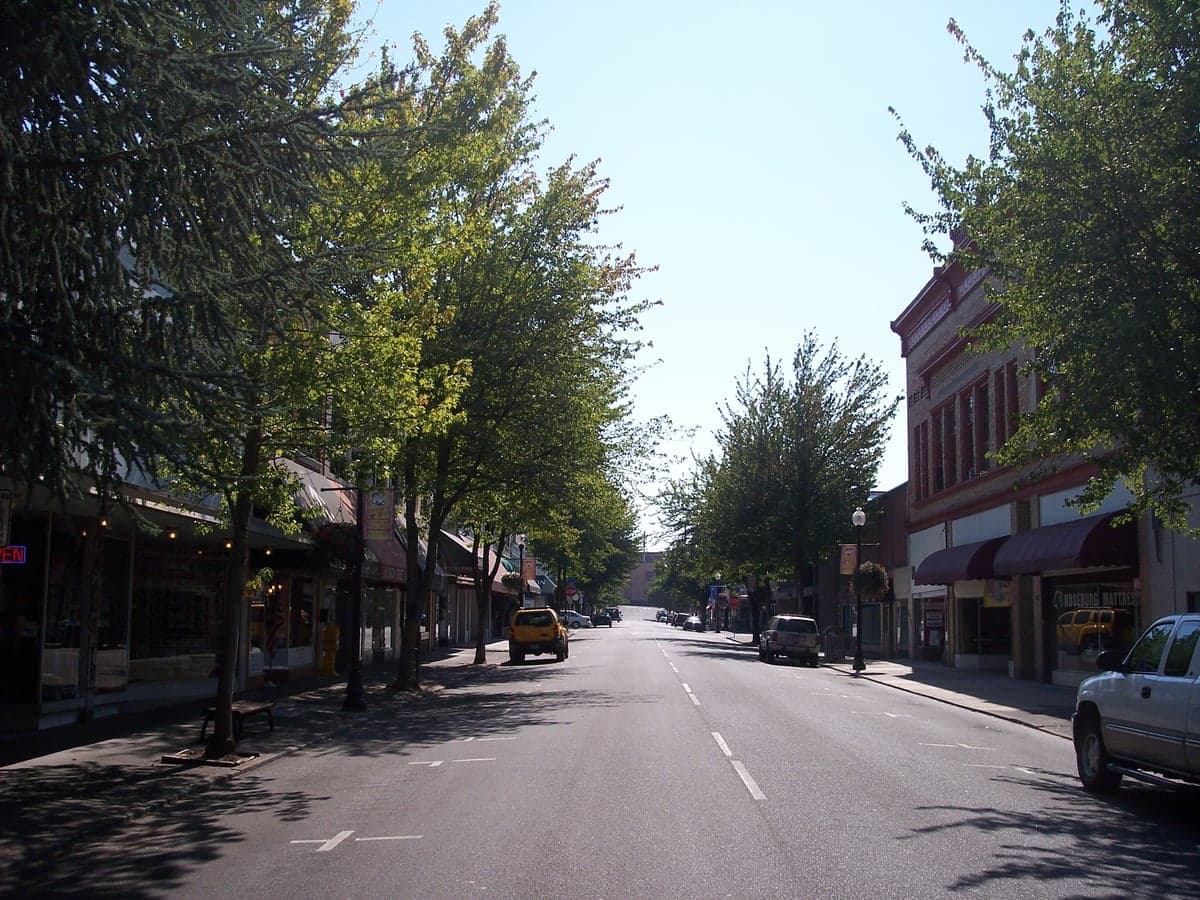
Roseburg is a working town with a quiet, self-reliant rhythm—the kind of place where people know each other by name at the hardware store and the Umpqua River runs right through the middle of everything. It’s not a destination for nightlife or corporate transplants; it’s a community for folks who want a slower pace, affordable space, and immediate access to the outdoors without giving up the basics of a small city. With a population just under 24,000, it feels bigger than its numbers because it’s the hub for Douglas County, drawing in ranchers, loggers, medical workers, and retirees from the surrounding valleys.
Daily Rhythm and Who Fits In
A typical weekday in Roseburg starts early. The coffee crowd hits True World Coffee or the Brix Grill for breakfast before heading to work at Mercy Medical Center, the county government offices, or one of the local lumber mills. The median age here is 39.8, which matches the feel—it’s a place for people in their 30s and 40s raising kids, plus a solid retiree population drawn by the lower cost of living. The median household income sits at $52,928, and with a cost-of-living index of 90 (10% below the national average), that dollar stretches further than it would in Eugene or Portland. You’ll see a lot of pickup trucks, Carhartt jackets, and families eating dinner at McMenamins Roseburg Station or the Backside Grill by the airport. The kind of person who fits here values self-sufficiency—someone who doesn’t mind driving 20 minutes for a specialty grocery item and prefers a backyard garden over a rooftop bar.
Sports, Community, and What People Actually Do
High school sports are a big deal. Roseburg High School’s Indians football games on Friday nights draw crowds that rival some small college towns, and the rivalry with South Medford is genuinely intense. There’s no pro sports team within 90 miles, so local athletics—youth soccer, little league, and the Umpqua Community College Riverhawks basketball games—fill the void. On weekends, people head to Stewart Park for disc golf or a walk along the river, or they drive 20 minutes up to Whistler’s Bend Park on the North Umpqua for camping and fishing. The Douglas County Fair in August is the social event of the summer, with rodeo, livestock shows, and carnival rides that feel like a genuine slice of rural Oregon life. For music, the Roseburg Concert Chorale and occasional shows at the Jacob’s Gallery offer something, but most live music leans toward country and classic rock cover bands at bars like O’Toole’s Pub or the Veterans of Foreign Wars hall.
Pros and Cons of Living Here
The honest upsides are straightforward. Housing is affordable—the median home value is $266,600, roughly half of what you’d pay in the Willamette Valley. The average commute is under 14 minutes, so you’re never stuck in traffic unless a logging truck is slow on I-5. The outdoor access is exceptional: the North Umpqua Trail, Toketee Falls, and the Umpqua National Forest are all within a 30-minute drive. The downsides are real, too. The violent crime rate is 369.3 per 100,000, which is notably higher than the national average—most of it is property crime and drug-related incidents concentrated in certain areas, but it’s something newcomers should be aware of. Only 21.3% of adults hold a bachelor’s degree, and the job market is thin for white-collar professionals; many remote workers or retirees move here specifically because they don’t need a local corporate job. The weather is gray and damp from November through March, with about 45 inches of rain annually, though summers are dry and warm.
Cultural Quirks and Practical Realities
Roseburg has a distinct identity that can feel insular. The community is politically conservative compared to most of Oregon, and the local culture reflects that—gun rights, logging heritage, and church attendance are openly valued. The Douglas County Courthouse is a local landmark, and the annual Roseburg Rotary Wine and Food Festival is one of the few events that draws a more diverse crowd. Traffic is almost nonexistent except on Harvard Avenue near the hospital during shift changes. Schools are a mixed bag: Roseburg High School has strong sports and vocational programs, but academic rankings are average, and many families with means opt for private or charter options. The biggest seasonal rhythm is fire season—smoke from regional wildfires can blanket the valley in August and September, and it’s a topic of conversation from June through October. For a single person or a family looking for a low-cost, low-stress base with genuine outdoor access and a community that still waves at neighbors, Roseburg delivers. For someone seeking cultural diversity, nightlife, or a fast-paced career track, it will feel stifling. It’s a trade-off, and the people who stay here have made peace with it.

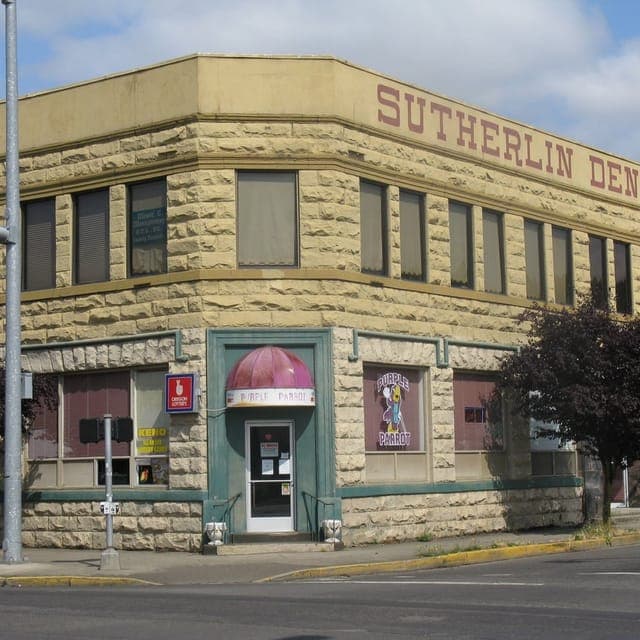
Similar towns to Roseburg
* Values derived from national, state, county, city and local statistics and may differ in a specific area. Last updated: 2026-04-24T14:55:59.000Z
Narrative content on this page is AI-generated and may contain mistakes. Verify any details that matter before acting on them.
ReloMaps may earn a commission from affiliate links at no extra cost to you.

