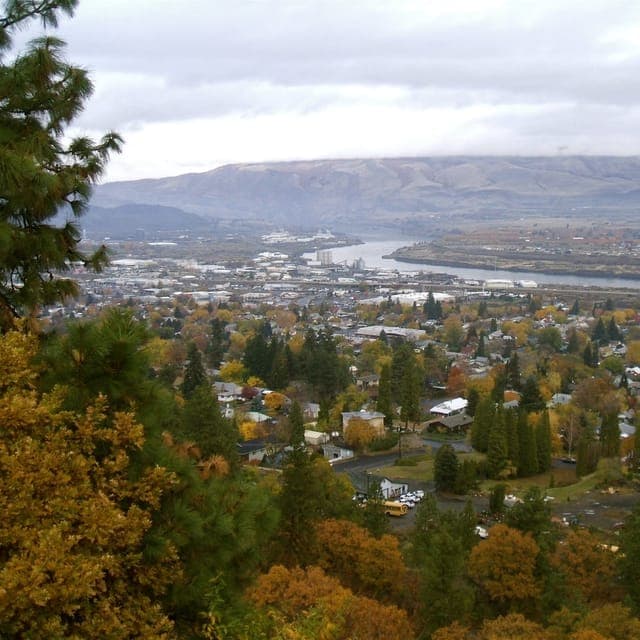
Photo: Wikipedia
Strategic Assessment of Oregon
Workable tactical position. Some exposure to population density or targets, but generally defensible in a crisis.
What does the Strategic Assessment tell us?
Our Strategic Assessment grades tactical survivability of an area. Major population centers, military targets, fallout zones, natural disasters, and border exposure all drive risk — lower exposure means a more defensible position in a crisis.
This is heavily inspired by Joel Skousen's Strategic Relocation book. Highly recommended you checkout the book ($)What does this tell us?
Our Strategic Assessment grades tactical survivability of an area. Major population centers, military targets, fallout zones, natural disasters, and border exposure all drive risk — lower exposure means a more defensible position in a crisis.
This is heavily inspired by Joel Skousen's Strategic Relocation book. Highly recommended you checkout the book ($)Regional Safe Places
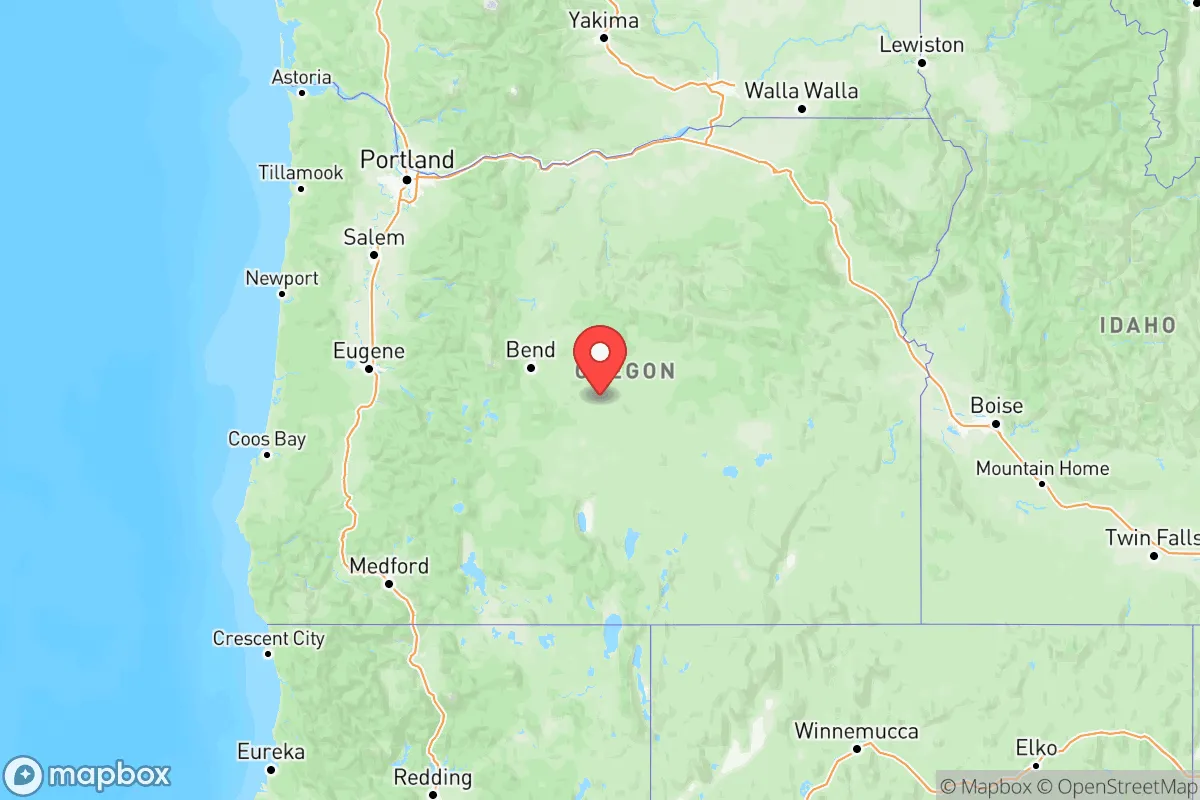
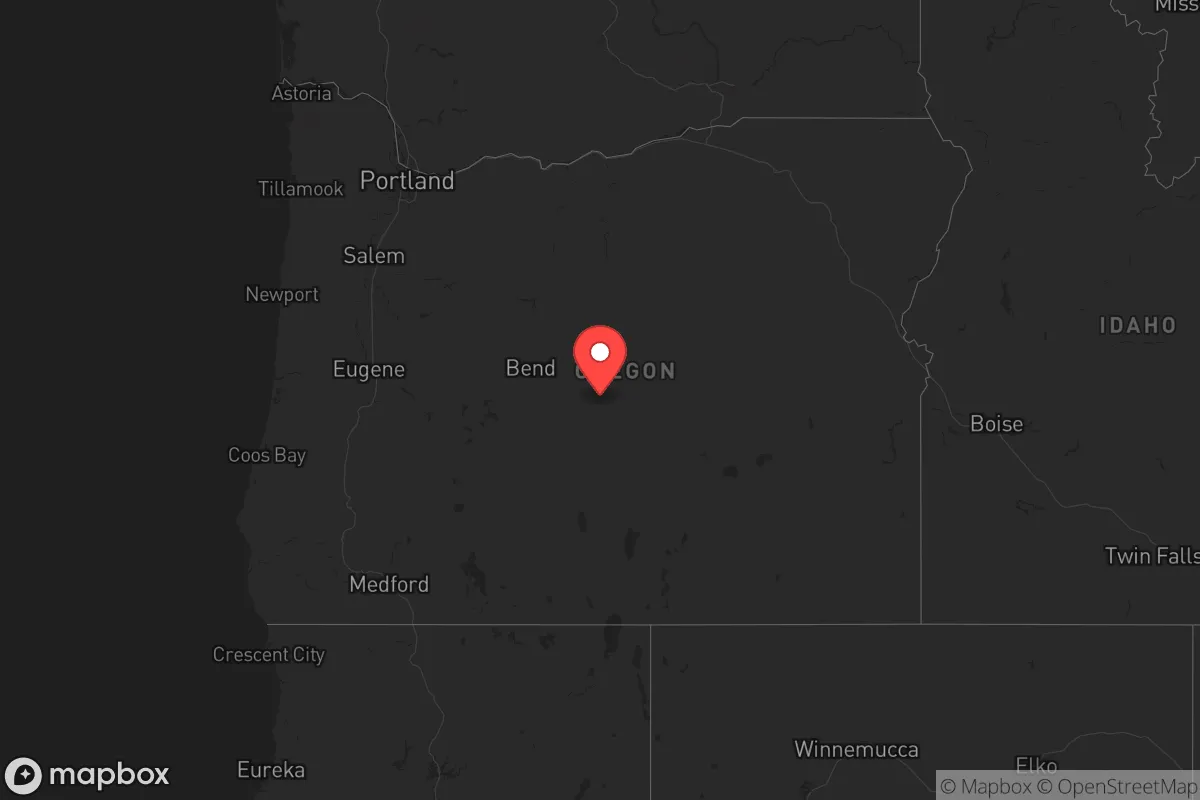
Below is our recommended "safe zones" in Oregon and the surrounding area based on our strategic heuristics. For most people, it's unrealistic to live in a “safe zone” full-time due to work, family or other personal reasons. They tend to be more rural. However, many of these areas are perfect for second homes and retreat properties that double as a vacation home or even a short-term rental.


Important Note: For informational purposes only. This does not mean nothing bad ever happens in the green zones. Please use common sense. This is based on public data and modeled with AI. We tried to take a conservative approach but mistakes happen. We update this regularly as new information becomes available.
Solar Generator Recommendations
Backup power matters more here than in safer locations. We've picked three solar generators across budgets and capacity tiers — start with the budget unit if you only need a few essentials, or step up if you want to run a fridge and HVAC for days at a time.

Jackery Portable Power Station Explorer 300
Budget OptionPower on the Go: Weighing only 11 lbs, it's convenient to set up and store with book-sized foldable solar panels

BLUETTI Portable Power Station AC180
Designed for both indoor and outdoor scenarios, AC180 is highly capable as it has a robost capacity and continuous output power.

EF ECOFLOW DELTA Pro Ultra Power Station
Upgraded PickEcoFlow DELTA Pro Ultra is a whole-home energy system designed to grow with your family. Integrated with the Smart Home Panel 2, it scales to meet your evolving energy needs — keeping your home powered, intelligent, and secure through every stage of life.
We earn a commission, at no additional cost to you.
Strategic Assessment Analysis
Oregon, OR offers a surprisingly layered strategic picture for those thinking about long-term resilience, but it’s not the simple “bug-out paradise” many assume. The state’s geography creates a natural buffer: the Cascade Range splits the state into two distinct worlds, with the wet, densely populated western third and the high desert east of the Cascades, which is drier, emptier, and far more defensible. For a conservative-leaning relocator worried about civic unrest, supply chain collapse, or mass casualty events, the key is understanding that Oregon’s real value lies not in Portland or the Willamette Valley, but in the inland regions east of the mountains, where population density drops sharply and access to water, arable land, and off-grid energy becomes viable.
Geographic position and natural advantages for long-term survival
Oregon’s position in the Pacific Northwest gives it a unique mix of natural barriers and resource abundance. The Cascade Range acts as a literal wall, separating the chaotic urban corridor of Portland, Salem, and Eugene from the high desert plateaus of Bend, Redmond, and Prineville. East of the Cascades, the population density plummets to fewer than 10 people per square mile in many counties—compare that to Multnomah County’s 1,800+ per square mile. This low density is a massive advantage for anyone seeking to avoid the fallout of a major urban collapse, whether from civil unrest, a pandemic, or a grid-down event. The Columbia River Gorge provides a natural chokepoint; any movement from Portland eastward must pass through a narrow corridor that could be monitored or controlled. The high desert itself offers excellent line-of-sight for communications and security, and the Ochoco National Forest and Malheur National Forest provide timber, game, and remote retreat options. Water is the critical variable—eastern Oregon is arid, averaging 10–15 inches of rain annually, but the Deschutes River and Klamath Basin offer reliable surface water if you secure access rights. The Blue Mountains in the northeast hold snowpack that feeds the Grande Ronde River, creating pockets of lush valley farmland near La Grande and Baker City that are nearly invisible from the interstate.
Risks, exposures, and proximity to fallout-relevant landmarks
Oregon is not without serious vulnerabilities, and a clear-eyed assessment must account for them. The western third of the state is a major Cascadia Subduction Zone risk—a magnitude 9.0 earthquake is a when, not if, and it would devastate the I-5 corridor from Portland to Eugene, likely triggering tsunamis along the coast. That alone makes the coastal towns like Astoria, Newport, and Coos Bay poor choices for long-term resilience. More relevant to a prepper mindset: Oregon hosts several high-value targets that could attract secondary fallout or become focal points for unrest. The Port of Portland is a major shipping hub for grain, automobiles, and container cargo—any disruption there would ripple across the region. The Bonneville Dam on the Columbia River is a critical piece of hydroelectric infrastructure; its loss would take out a significant chunk of the Pacific Northwest’s grid. The Umatilla Chemical Depot near Hermiston, though largely decommissioned, still has legacy contamination concerns and sits near the Columbia River. For those worried about electromagnetic pulse (EMP) or cyber attacks, the Boardman coal plant and the John Day Dam are both grid-connected and potentially vulnerable. Proximity to Portland itself is a double-edged sword: within 50 miles, you’re in the zone of potential refugee flow, looting, and civil unrest. The 2020 protests and riots in Portland demonstrated how quickly a city can become ungovernable. East of the Cascades, you’re largely insulated from that chaos, but you’re also farther from medical care and resupply—trade-offs that must be weighed.
Practical resilience for a relocator: food, water, energy, and defensibility
For a single individual or family looking to set up a resilient homestead, Oregon east of the Cascades offers a workable but demanding environment. Water is the first and hardest constraint. Unlike the wet west side, you cannot rely on wells in many parts of the high desert without drilling deep—200 to 500 feet is common, and water rights are tightly regulated. The Deschutes River basin around Bend and Redmond is over-allocated; new groundwater permits are nearly impossible to get. Better bets are the Wallowa Valley near Joseph, where snowmelt feeds perennial streams, or the Grande Ronde Valley near La Grande, where irrigation districts still have senior water rights. Food production is viable but short-season: the growing window in central Oregon is only 90–120 days, so you’ll need cold-hardy crops, greenhouses, or a focus on livestock like sheep, goats, or cattle. The Klamath Basin has richer volcanic soils but is locked in water wars with California. Energy independence is one of Oregon’s strengths: the high desert gets 300+ sunny days a year, making solar viable year-round, and micro-hydro is possible on any perennial stream with 20+ feet of drop. Wood heat is abundant in the national forests, but you’ll need a permit and a chainsaw. Defensibility is excellent in the remote valleys: properties with a single access road, good sightlines, and neighbors who are like-minded (and often armed) are common. The John Day River canyon and the Steens Mountain area offer near-total isolation—but also mean you’re hours from a hospital or a grocery store. For a family, the sweet spot is often a small town like Enterprise or Lakeview, where you can have a few acres, a well, and a community that still knows its neighbors.
The overall strategic picture for Oregon is one of high potential but high complexity. The state’s natural barriers—the Cascades, the high desert, the Columbia Gorge—provide genuine defensive depth that few other western states can match. But the risks from the Cascadia fault, the concentration of critical infrastructure along the Columbia River, and the political instability of Portland mean you cannot simply “move to Oregon” and be safe. The smart play is to target the eastern third of the state, specifically the Wallowa-Whitman National Forest region or the Owyhee Canyonlands area, where population density is near-zero, water is still available, and the community culture leans heavily toward self-reliance and mutual aid. You’ll trade away easy access to healthcare, Amazon Prime, and modern convenience, but for someone serious about weathering the next decade’s uncertainties, that trade is worth making. Oregon is not a bug-out location—it’s a long-term homesteading play that requires capital, grit, and a willingness to live with less. If that fits your risk profile, it’s one of the better bets in the lower 48.

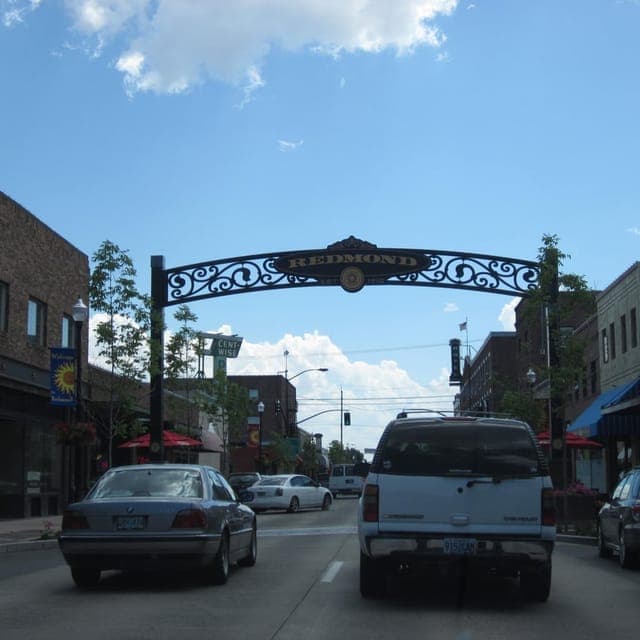
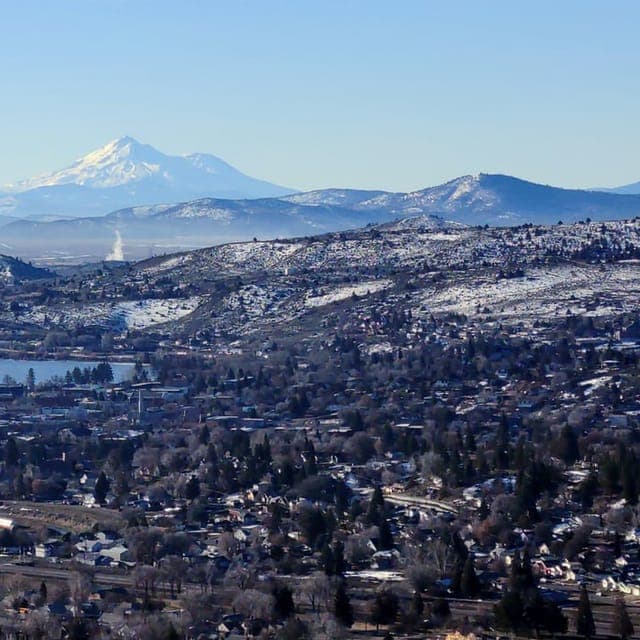
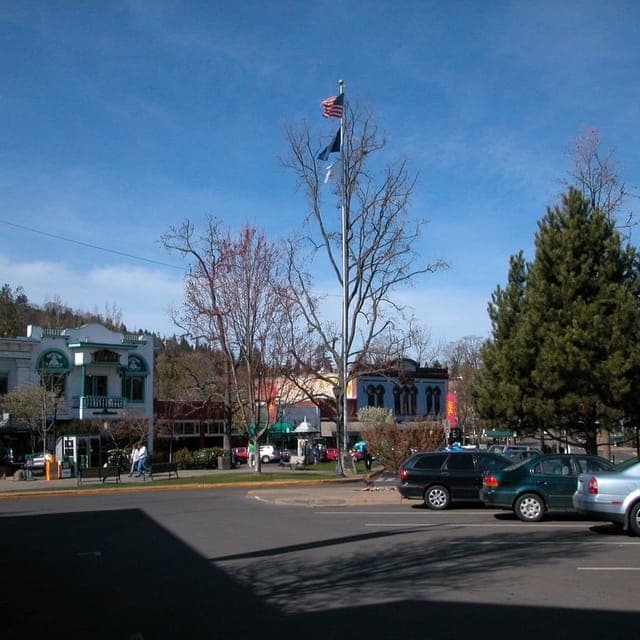
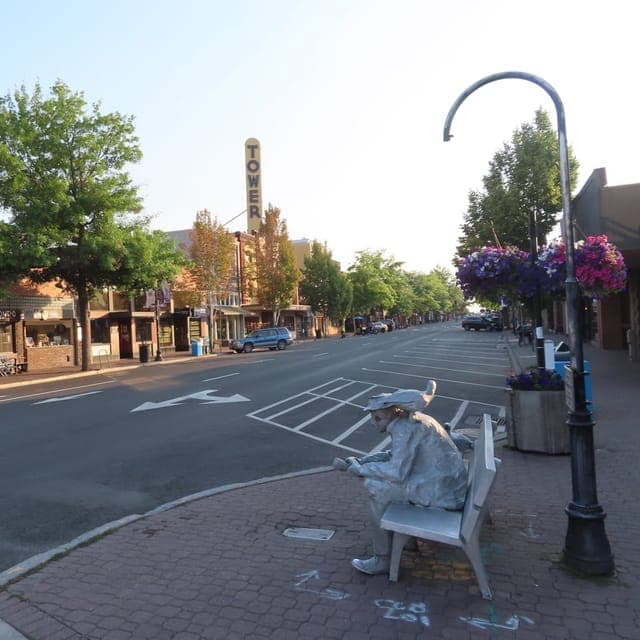
Top 10 Cities by Strategic Assessment in Oregon
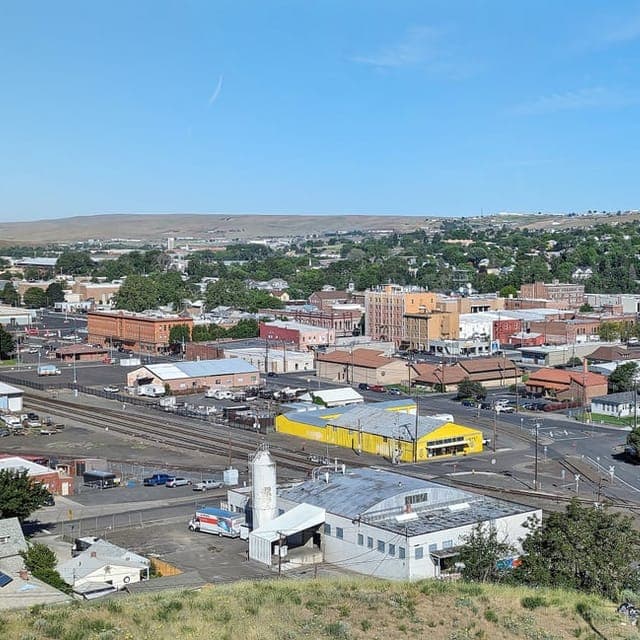
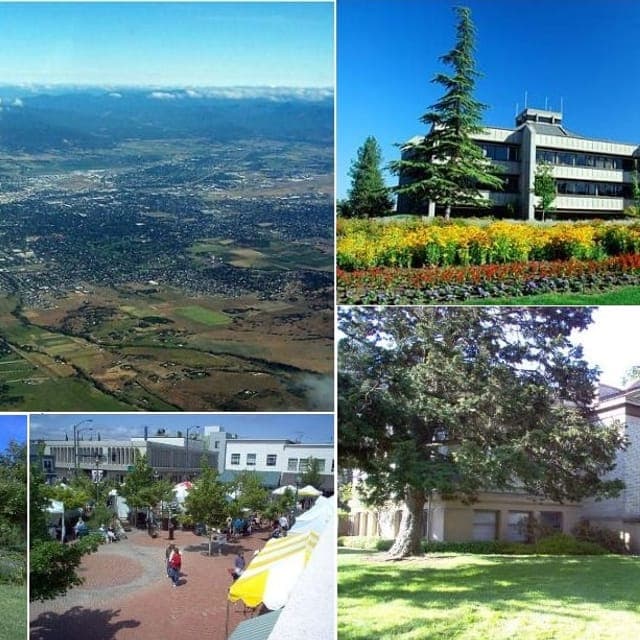
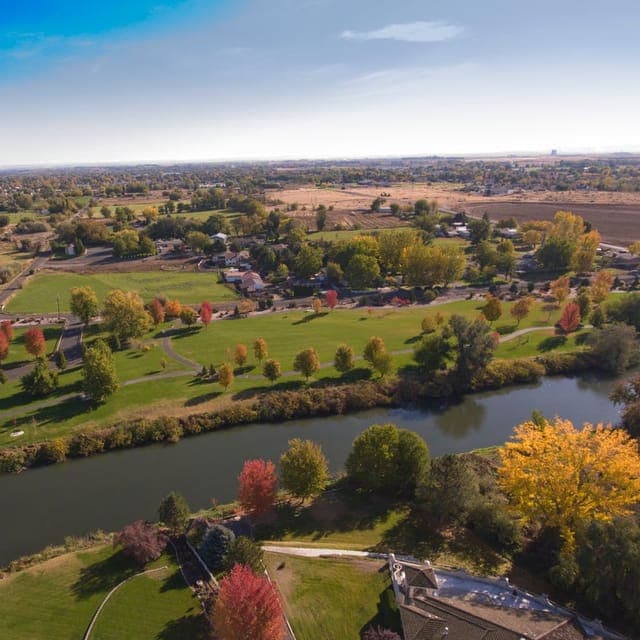
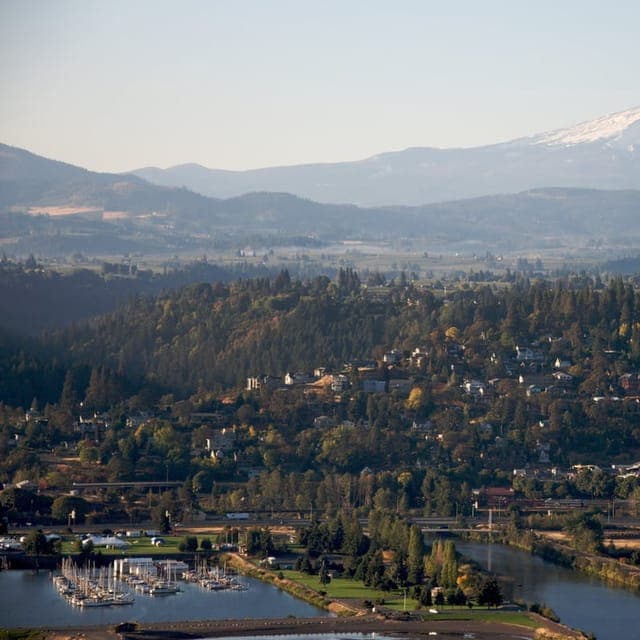
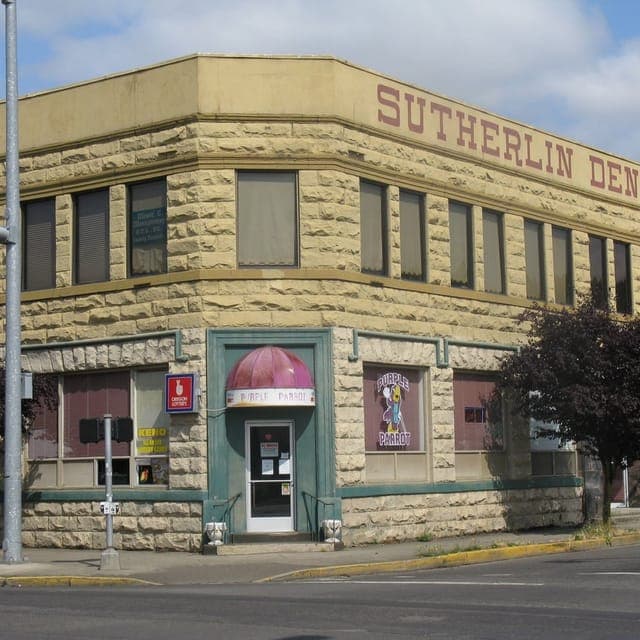
* Values derived from national, state, county, city and local statistics and may differ in a specific area. Last updated: 2026-04-14T06:20:14.000Z
Narrative content on this page is AI-generated and may contain mistakes. Verify any details that matter before acting on them.
ReloMaps may earn a commission from affiliate links at no extra cost to you.

