Photo: Wikipedia
Find The Best Places To Live
in Lake Oswego
PRO TIP! You can paste a Zillow or Redfin link to get info on that property.
What It's Like Living in Lake Oswego, OR
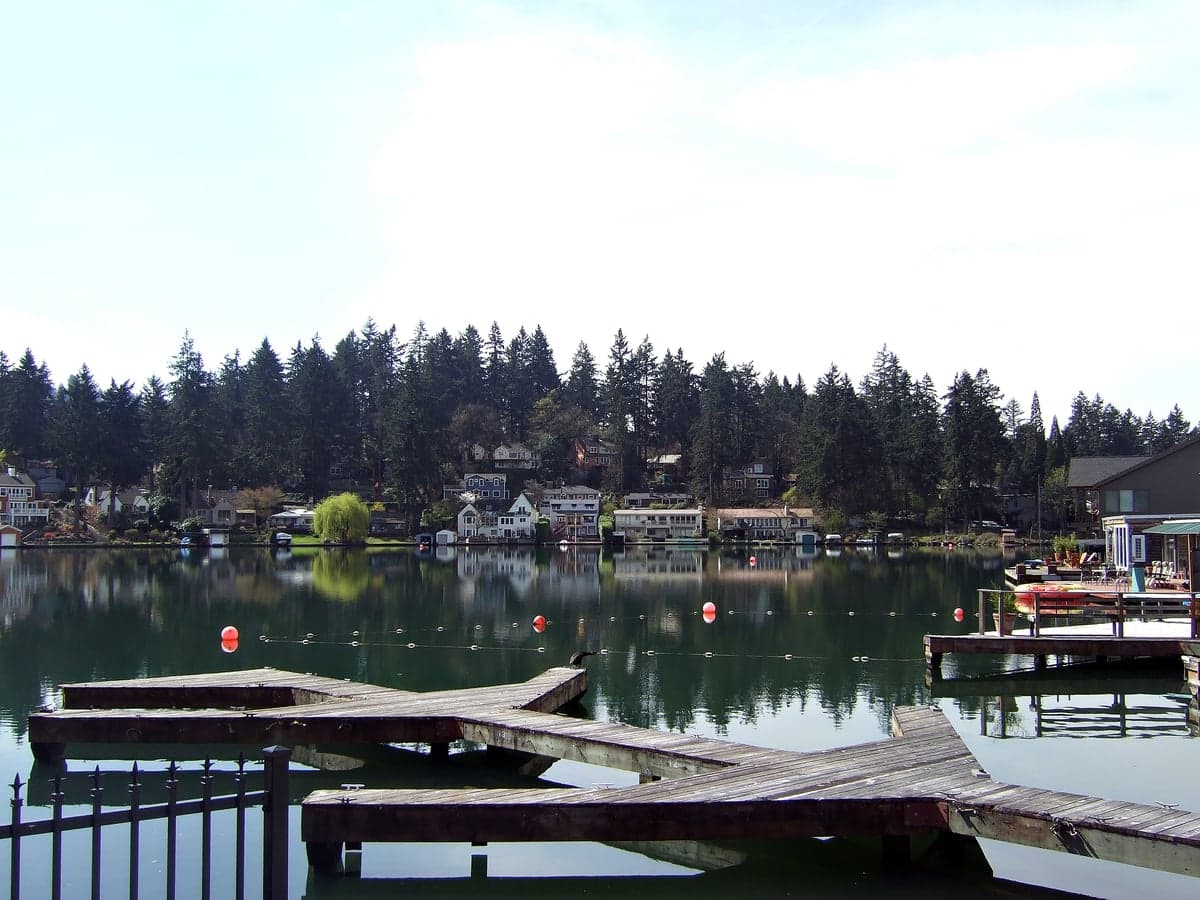
Living in Lake Oswego feels a bit like being inside a well-funded private park that happens to have its own downtown. It’s a place where the Willamette River meets manicured lawns, and where the local grocery store parking lot is as likely to have a Subaru as a Range Rover. With a population just over 40,000 and a median age pushing 47, this is a community that skews toward established professionals and families who have traded the chaos of Portland for something quieter, cleaner, and significantly more expensive.
The Daily Rhythm: Work, School, and the Commute
Most weekdays here start early. The schools—particularly Lake Oswego High School and Lakeridge High School—are a central organizing force for families. If you have kids, your social calendar revolves around their sports, band concerts, and parent-teacher conferences. The average commute is about 22 minutes, which is short enough that many residents actually drive into Portland for work at firms like Nike (just up the road in Beaverton), Intel, or the major hospitals in the city. The drive is manageable, but the bottleneck on Highway 43 or I-5 during rush hour is a genuine frustration. Locals learn the back routes through West Linn or Stafford like a secret handshake. After work, you’ll find people at the Lake Oswego Farmers’ Market (a Saturday ritual from spring through fall), grabbing a beer at the Stickmen Brewing Company in the Foothills district, or walking the dog around the 405-acre Tryon Creek State Natural Area. The pace is deliberate, not rushed.
Sports, Community, and the Weekend Vibe
High school sports are a surprisingly big deal here. Friday night football games at Lake Oswego High School draw crowds that would rival a small college town. The Lakers have a strong tradition in football and basketball, and the rivalry with Lakeridge is genuine—families pick sides. For pro sports, most residents follow the Portland Trail Blazers or the Timbers, but the allegiance is more casual than in the city proper. On weekends, the real action is on the water. People kayak on Oswego Lake (though access is famously restricted to residents and their guests), hike the trails at George Rogers Park, or spend a lazy afternoon at the Lake Oswego Golf Course. The dining scene is solid without being flashy: Ringside Steakhouse for a special occasion, Laughing Planet Cafe for a quick burrito, and Mingo for Italian that feels like a neighborhood spot. The annual Lake Oswego Festival of the Arts in June is the cultural highlight, turning the downtown into a gallery of local painters, sculptors, and musicians.
The Kind of Person Who Fits In (and the One Who Doesn’t)
This is not a place for someone looking for gritty urban energy or a bargain. The median household income is $140,441, and the median home value is $894,000. That cost of living index of 232—more than double the national average—is not a typo. The people who thrive here are typically in their late 30s to mid-50s, with advanced degrees (over 75% of adults have a college degree), and they value schools, safety, and proximity to nature over nightlife or diversity of experience. It’s a community of doctors, tech managers, and business owners. The cultural quirk is a kind of polite, low-key affluence—people don’t flaunt money, but they also don’t talk about it. The unspoken rule is that you don’t complain about the cost of living because everyone chose to be here. What frustrates longtime residents? The traffic on Boones Ferry Road during school drop-off and pickup, the feeling that the town can be insular (newcomers sometimes struggle to break into established social circles), and the fact that Oswego Lake is essentially a private club for a handful of homeowners. The weather is another reality: gray, drizzly winters from November through March. Locals cope by investing in good rain gear and embracing the "no bad weather, only bad gear" mindset.
Safety, Schools, and the Practical Realities
The violent crime rate here is 55.3 per 100,000 residents, which is remarkably low—roughly one-tenth the national average. Property crime exists (package thefts and car break-ins are the main complaints), but most people feel perfectly safe walking alone at night. The schools are the primary reason families move here. The Lake Oswego School District consistently ranks among the top in Oregon, and the community invests heavily in it. That investment shows in the facilities, the teacher salaries, and the sheer number of extracurricular options. For singles or couples without kids, the trade-off is that the town can feel a bit sleepy. The nightlife is limited to a few wine bars and brewpubs, and if you want live music or a late-night scene, you’re driving to Portland. But for those who value a clean, safe, well-run community where you can raise kids, walk to a farmers’ market, and be in downtown Portland in 20 minutes, Lake Oswego delivers exactly what it promises—at a price.

Similar towns to Lake Oswego
* Values derived from national, state, county, city and local statistics and may differ in a specific area. Last updated: 2026-05-01T13:34:10.000Z
Narrative content on this page is AI-generated and may contain mistakes. Verify any details that matter before acting on them.
ReloMaps may earn a commission from affiliate links at no extra cost to you.

