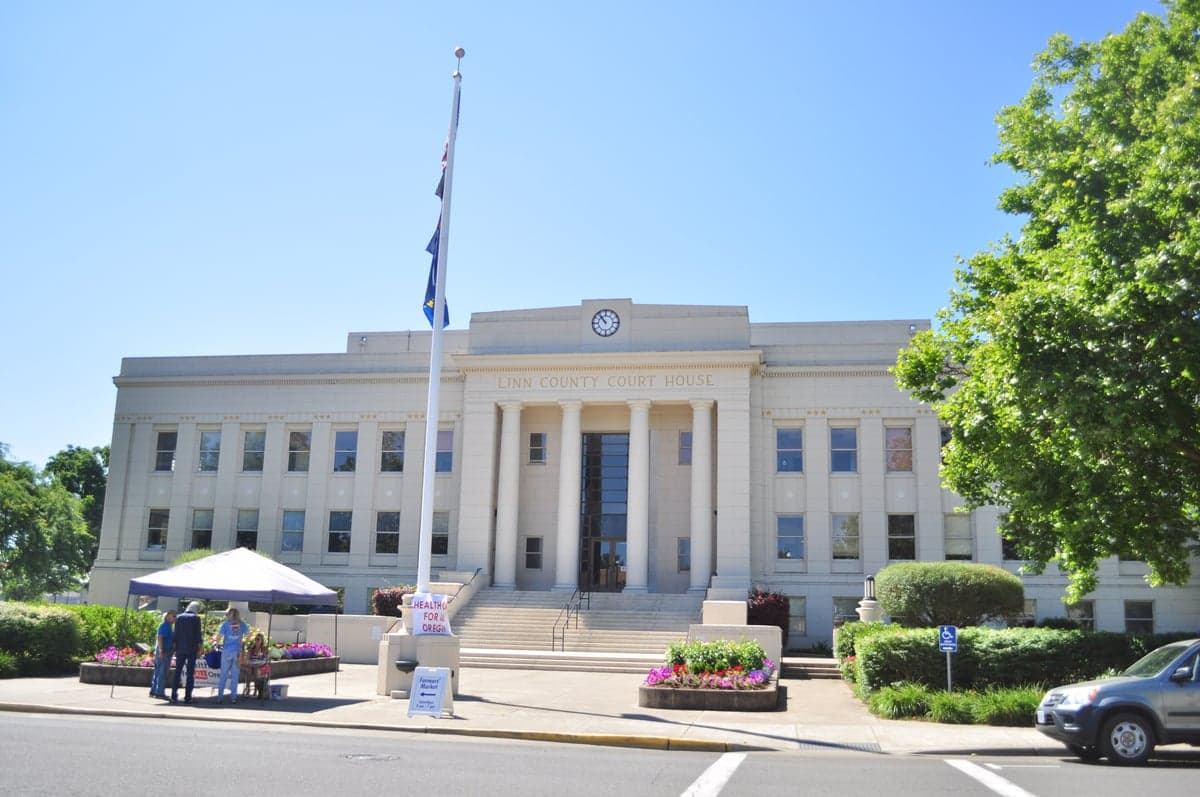
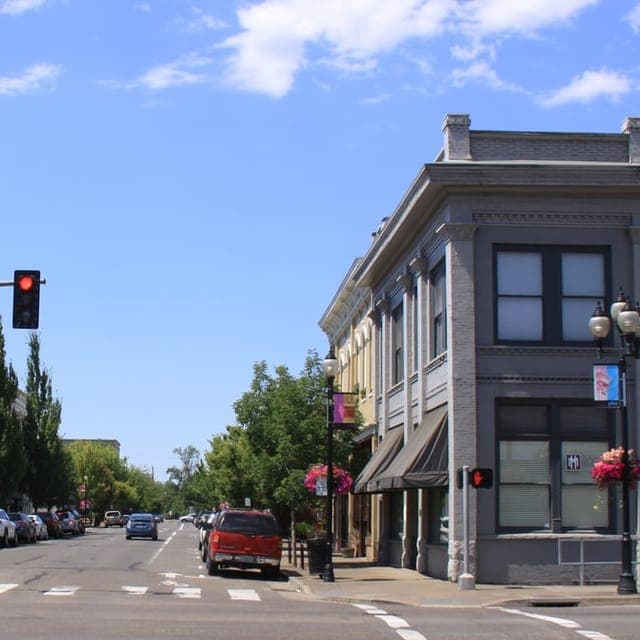
Photo: Wikipedia
Find The Best Places To Live in Linn County
PRO TIP! You can paste a Zillow or Redfin link to get info on that property.
Best Places to Live in Linn County
Cities & Towns in Linn County
Cities in Linn County
What It's Like Living in Linn County, OR
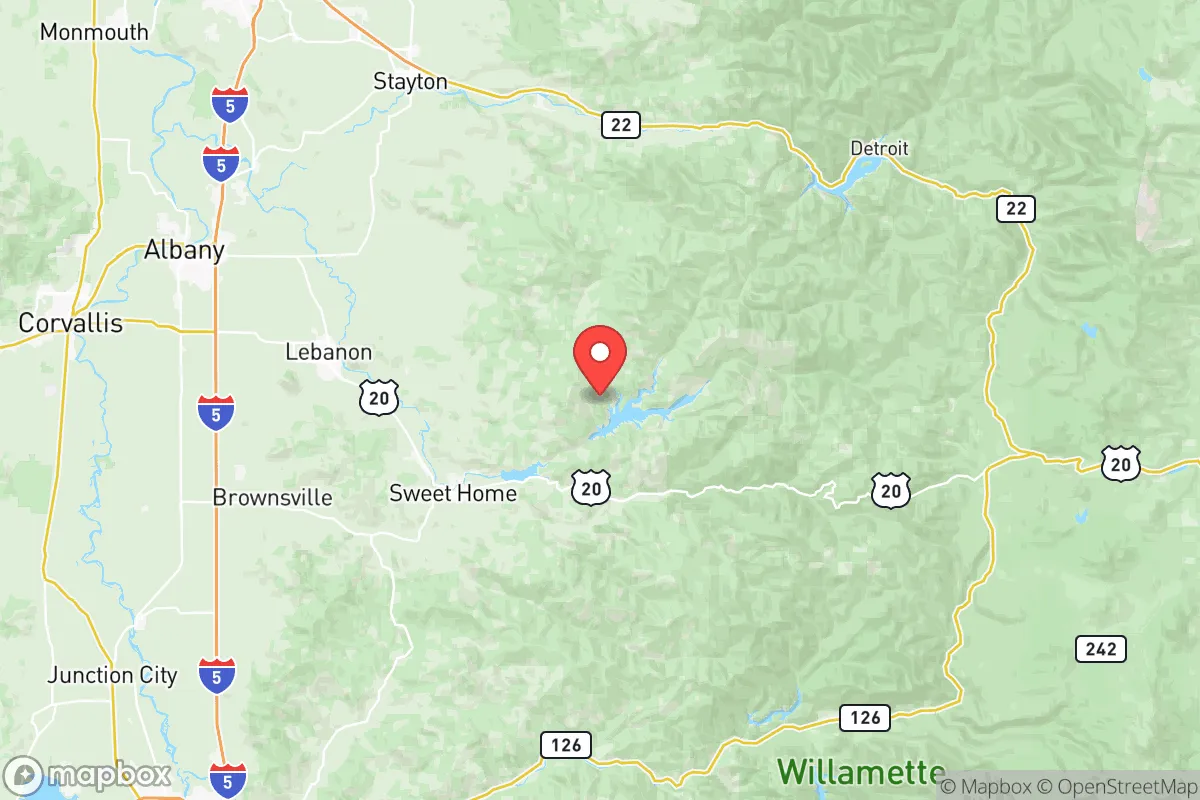
Living in Linn County, Oregon, feels a lot like being part of a working, outdoorsy family that values quiet weekends and knows the names of its neighbors. Stretching from the Willamette Valley floor up into the Cascade foothills, the county is anchored by the small cities of Albany and Lebanon, with Sweet Home, Mill City, and Harrisburg offering their own distinct flavors. It’s a place where the pace is slower than Portland’s, the cost of living is a real trade-off for that pace, and the draw is less about nightlife and more about river access, high school football, and knowing where to get a good breakfast.
Daily Rhythm: Work, Commute, and the Weekend Reset
For most people here, the day starts early. The average commute of about 25 minutes is a very real, manageable reality—long enough to finish a podcast, short enough that you don’t resent the drive. A significant number of residents work in Albany’s industrial and manufacturing sector or commute south to Eugene or north to Salem. The median household income sits at $73,396, which goes further here than in the Portland metro, especially given a median home value of $344,600. That home value is the biggest draw for families and single individuals priced out of the I-5 corridor. After work, the rhythm shifts to the outdoors. Weekends in Sweet Home mean heading to Foster Lake or the South Santiam River for fishing and boating; in Lebanon, you’ll find families at the Santiam River or the Lebanon Farmers Market. The cost of living index of 115 (15% above the national average) is noticeable at the grocery store, but locals will tell you it’s a fair price for the space and quiet you get.
Sports, Community, and the Local Identity
High school sports are a genuine cultural pillar here, not just a pastime. On a Friday night in the fall, the stands at Lebanon High School or Sweet Home High School are packed. The Sweet Home Huskies football program has a deep, proud tradition, and games are a community gathering as much as a competition. For college sports, Oregon State University in nearby Corvallis (just west of the county line) is the dominant force—Beavers gear is everywhere, and game days in the fall pull a significant chunk of the county’s population. The local identity is proudly working-class and self-sufficient. There’s a strong timber and agriculture history, and you still see it in the culture of Mill City and Sweet Home. The annual Oregon Jamboree in Sweet Home is the biggest event of the year, a three-day country music festival that draws tens of thousands and essentially shuts down the town. It’s a point of pride and a major economic driver.
What’s There to Do: Outdoor Access and Honest Trade-Offs
If you love the outdoors, you’ll never run out of options. The Willamette National Forest and the Cascades are a short drive east from anywhere in the county. The Santiam Pass area offers hiking, camping, and winter snow play. Albany has a surprisingly good historic downtown with the Albany Carousel and a solid Saturday Market. Lebanon has the Santiam Brewing Company and a few solid local eateries. The honest trade-off is that entertainment beyond the outdoors is limited. There are no major music venues outside of the Jamboree, and the restaurant scene is functional rather than exciting. For a serious night out, people drive to Corvallis or Eugene. The violent crime rate of 309.1 per 100,000 is slightly above the national average, and property crime in the more populated areas like Albany is a real frustration for residents—car break-ins and package thefts are common complaints on local social media groups.
Who Fits In, and Who Might Struggle
This county works best for people who value space, quiet, and outdoor recreation over urban amenities. It’s a strong fit for families who want a house with a yard and good schools (the Greater Albany Public Schools and Lebanon Community Schools are central to community life), and for single individuals who work in trades, manufacturing, or remote jobs and don’t mind a slower social scene. The median age of 40.2 reflects a population that’s settled, not transient. Only 20.8% of adults hold a bachelor’s degree, which tracks with the area’s blue-collar backbone. People who struggle here are often those expecting a vibrant nightlife, significant cultural diversity, or a fast-paced career environment. The weather is another reality check: winters are gray and wet, with persistent drizzle from November through March. Summers, however, are stunning—dry, warm, and perfect for being outside. The cultural quirk is a deep, unpretentious friendliness—people wave on rural roads, and your neighbors will notice if your mail piles up. It’s not a place for anonymity, and for many, that’s exactly the point.

* Values derived from national, state, county, city and local statistics and may differ in a specific area. Last updated: 2026-06-02T03:31:09.000Z
Narrative content on this page is AI-generated and may contain mistakes. Verify any details that matter before acting on them.
ReloMaps may earn a commission from affiliate links at no extra cost to you.

