 Popular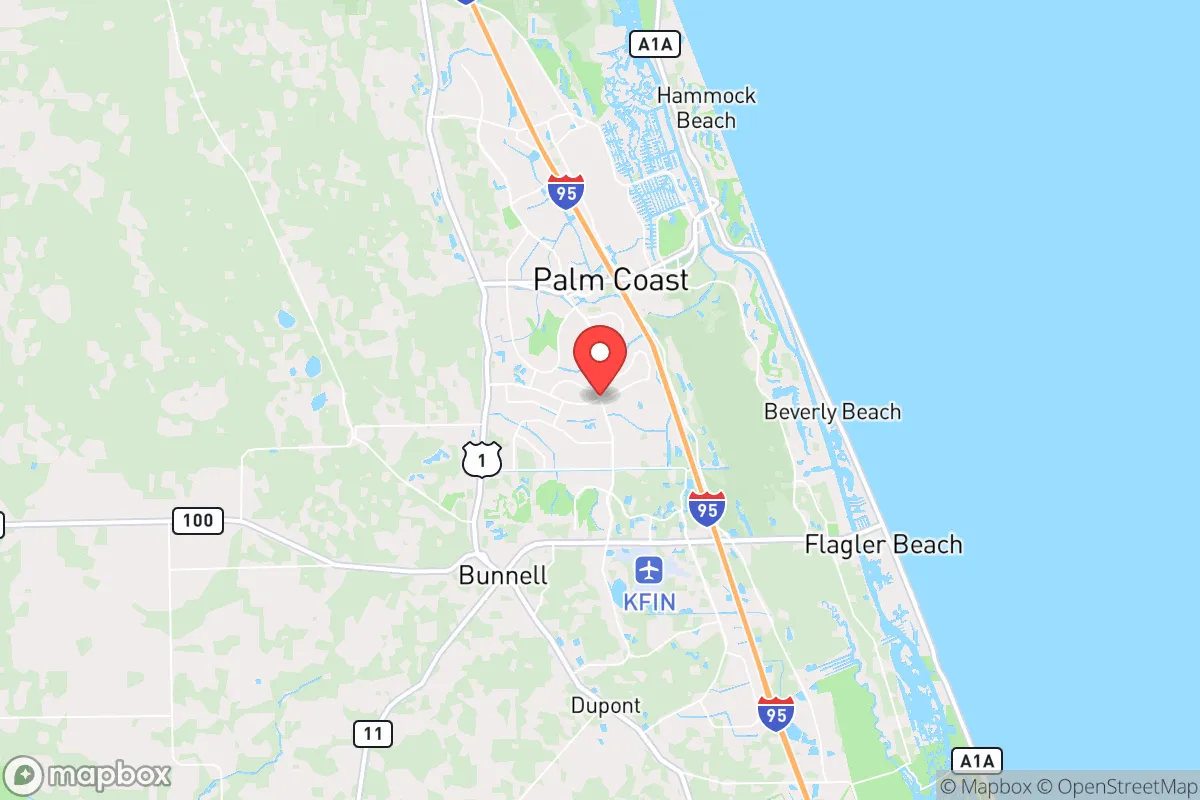
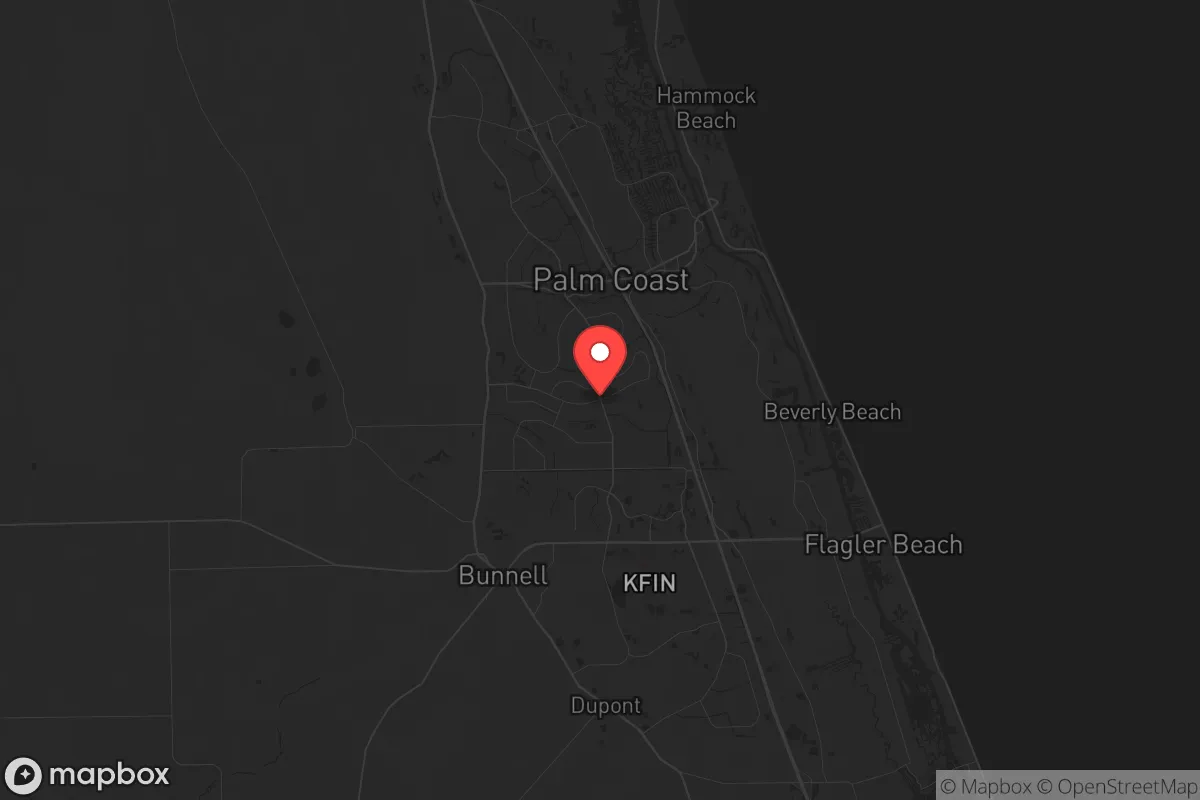
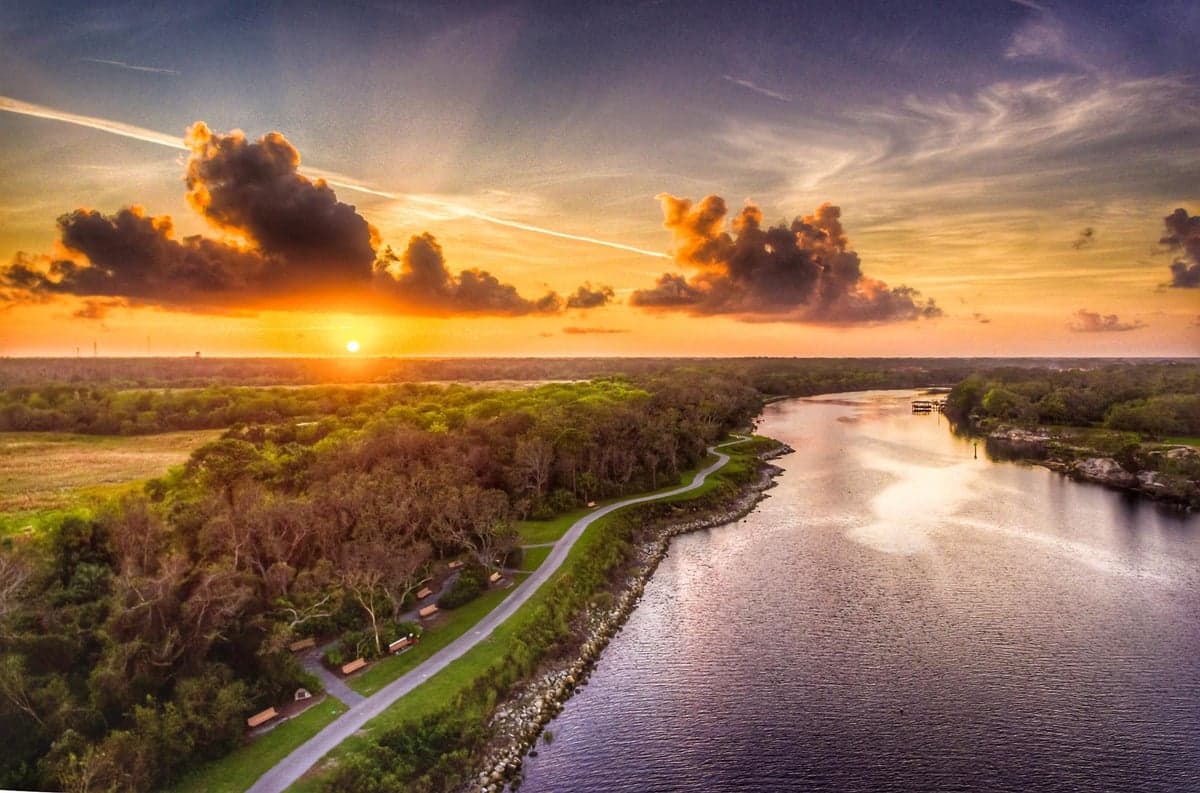
Photo: Wikipedia
Strategic Assessment of Palm Coast, FL
Meaningful friction. Expect exposure to either population pressure, blast zones, or natural disaster risk. Consider buying a retreat property.
What does the Strategic Assessment tell us?
Our Strategic Assessment grades tactical survivability of an area. Major population centers, military targets, fallout zones, natural disasters, and border exposure all drive risk — lower exposure means a more defensible position in a crisis.
This is heavily inspired by Joel Skousen's Strategic Relocation book. Highly recommended you checkout the book ($)What does this tell us?
Our Strategic Assessment grades tactical survivability of an area. Major population centers, military targets, fallout zones, natural disasters, and border exposure all drive risk — lower exposure means a more defensible position in a crisis.
This is heavily inspired by Joel Skousen's Strategic Relocation book. Highly recommended you checkout the book ($)Strategic Pillars

Key Distances
Regional Safe Places
Below is our recommended "safe zones" in Florida and the surrounding area based on our strategic heuristics. For most people, it's unrealistic to live in a “safe zone” full-time due to work, family or other personal reasons. They tend to be more rural. However, many of these areas are perfect for second homes and retreat properties that double as a vacation home or even a short-term rental.

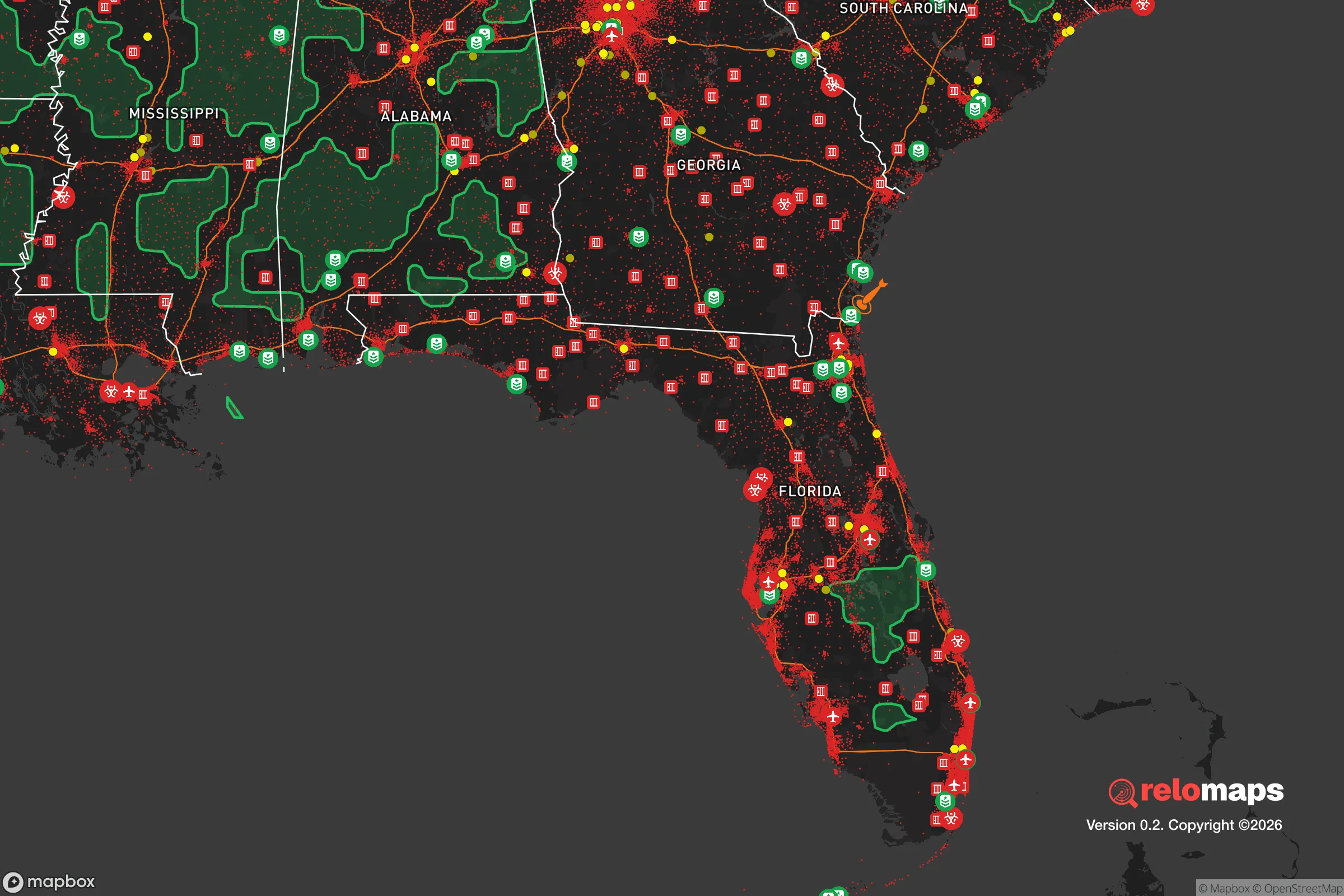


Important Note: For informational purposes only. This does not mean nothing bad ever happens in the green zones. Please use common sense. This is based on public data and modeled with AI. We tried to take a conservative approach but mistakes happen. We update this regularly as new information becomes available.
Solar Generator Recommendations
Backup power matters more here than in safer locations. We've picked three solar generators across budgets and capacity tiers — start with the budget unit if you only need a few essentials, or step up if you want to run a fridge and HVAC for days at a time.

Jackery Portable Power Station Explorer 300
Budget OptionPower on the Go: Weighing only 11 lbs, it's convenient to set up and store with book-sized foldable solar panels

BLUETTI Portable Power Station AC180
Designed for both indoor and outdoor scenarios, AC180 is highly capable as it has a robost capacity and continuous output power.

EF ECOFLOW DELTA Pro Ultra Power Station
Upgraded PickEcoFlow DELTA Pro Ultra is a whole-home energy system designed to grow with your family. Integrated with the Smart Home Panel 2, it scales to meet your evolving energy needs — keeping your home powered, intelligent, and secure through every stage of life.
We earn a commission, at no additional cost to you.
Strategic Assessment Analysis
Palm Coast, Florida, presents a mixed strategic picture for the conservative prepper or survivalist. Its primary resilience advantage is its relative newness as a planned community, which translates to modern infrastructure and a lower population density than nearby Jacksonville or Daytona Beach. However, its location on the Atlantic coast and within a state that is both a hurricane magnet and a major logistics hub for the southeastern US introduces specific vulnerabilities that must be weighed against its benefits. For a relocator prioritizing long-term stability and self-sufficiency, Palm Coast is less a fortress and more a calculated position—one that offers a buffer from immediate urban collapse while remaining within striking distance of critical resources and, unfortunately, potential fallout zones.
Geographic position and natural advantages for long-term stability
Palm Coast sits in Flagler County, roughly equidistant between Jacksonville (50 miles north) and Daytona Beach (25 miles south). This placement is a double-edged sword. On the positive side, it is far enough from the major metropolitan centers to avoid the worst of any civil unrest, mass casualty event, or rapid societal breakdown that would likely originate in those dense urban cores. The city itself is a sprawling, master-planned development with a grid of wide, well-maintained roads and a significant amount of undeveloped or preserved land—the Matanzas State Forest and the Graham Swamp Conservation Area provide immediate green buffers and potential for off-grid movement or resource gathering. The Intracoastal Waterway runs through the city, offering a secondary transportation and fishing corridor that is less dependent on road infrastructure. The area’s natural advantages include a relatively high water table and numerous freshwater canals and lakes, which, while not pristine, provide a baseline water source that can be filtered. The climate is subtropical, meaning a year-round growing season for food production, a critical factor for long-term self-sufficiency. The absence of major military bases or nuclear power plants within a 30-mile radius reduces the risk of being a primary target in a conflict scenario, a significant plus compared to locations near Kings Bay Naval Base in Georgia or the St. Lucie Nuclear Power Plant further south.
Risks, exposures, and proximity to fallout-relevant landmarks
The most glaring vulnerability is Palm Coast’s coastal exposure. A hurricane strike—particularly a Category 3 or higher—would be a recurring, predictable threat. Storm surge from the Atlantic or the Intracoastal Waterway can inundate low-lying neighborhoods, and the city’s evacuation routes (primarily I-95 and US-1) are notorious for gridlock. For a prepper, this means a robust plan for sheltering in place with a generator, fuel, and at least two weeks of supplies is non-negotiable, as evacuation may be impossible. Beyond weather, the proximity to Jacksonville is a strategic liability. Jacksonville is home to the Port of Jacksonville (JAXPORT), a major military logistics hub for the US Navy and Marine Corps, and a large civilian population. In a scenario of national crisis, economic collapse, or civil unrest, Jacksonville would be a flashpoint. The flow of refugees south on I-95 would be a primary threat to Palm Coast’s security. Furthermore, the Flagler County Airport is a general aviation facility that could become a target or a point of contested access. While not a primary fallout landmark, the presence of the Florida East Coast Railway line running parallel to US-1 means that any disruption to national supply chains—whether from cyberattack, EMP, or physical sabotage—would directly impact the area’s ability to receive goods. The city’s reliance on this single rail and two major road arteries for resupply is a critical chokepoint.
Practical resilience for a relocator: food, water, energy, and defensibility
For a relocator focused on practical resilience, Palm Coast offers a mixed bag. Water is the strongest asset. The Floridan Aquifer is the primary source, and most homes are on municipal water, but the high water table means shallow wells are viable in many areas, and the abundance of surface water (canals, lakes, the Intracoastal) provides a raw source for purification. Food security is achievable but requires work. The soil is sandy and acidic, typical of coastal Florida, so raised beds, hydroponics, or amending soil with compost is necessary for serious gardening. The long growing season is a major plus, but the summer heat and humidity make pest management and crop selection critical. Local food production is not a given; it requires deliberate effort. Energy resilience is a challenge. The grid is vulnerable to hurricanes and lightning strikes. Solar is viable, but net metering policies and the need for battery storage (due to frequent grid fluctuations) mean a significant upfront investment. Natural gas is available in many subdivisions, which can fuel generators, but the pipeline infrastructure is a single point of failure. Defensibility is the weakest link. Palm Coast is a suburban sprawl, not a defensible compound. The street grid is open, and the population is spread out, making it difficult to secure a perimeter. The best strategy is to be part of a neighborhood watch or a prepper network, as isolated homes are vulnerable. The Flagler County Sheriff’s Office is well-regarded and has a strong presence, but in a prolonged crisis, law enforcement will be stretched thin. The lack of natural chokepoints (mountains, rivers, dense forests) means that movement into and out of the area is relatively easy for both friendly and hostile parties.
The overall strategic picture for Palm Coast is one of calculated compromise. It is not a remote, off-grid sanctuary, nor is it a high-risk urban kill box. It is a suburban buffer zone with moderate natural advantages and significant weather-related vulnerabilities. For the conservative relocator who values a lower cost of living, a slower pace, and a community that leans politically red (Flagler County voted +18 for Trump in 2020), it offers a viable base of operations. The key is to treat Palm Coast as a staging area, not a final redoubt. Build your resilience around water independence, a robust energy backup, and a strong local network. Accept that you will need to hunker down through hurricanes and that your primary threat is not a direct attack but the secondary effects of a collapse in Jacksonville or a breakdown in the supply chain. If you can manage those risks, Palm Coast provides a defensible, livable position from which to weather the storm—literally and figuratively.

* Values derived from national, state, county, city and local statistics and may differ in a specific area. Last updated: 2026-09-21T19:02:13.000Z
Narrative content on this page is AI-generated and may contain mistakes. Verify any details that matter before acting on them.
ReloMaps may earn a commission from affiliate links at no extra cost to you.

