 Popular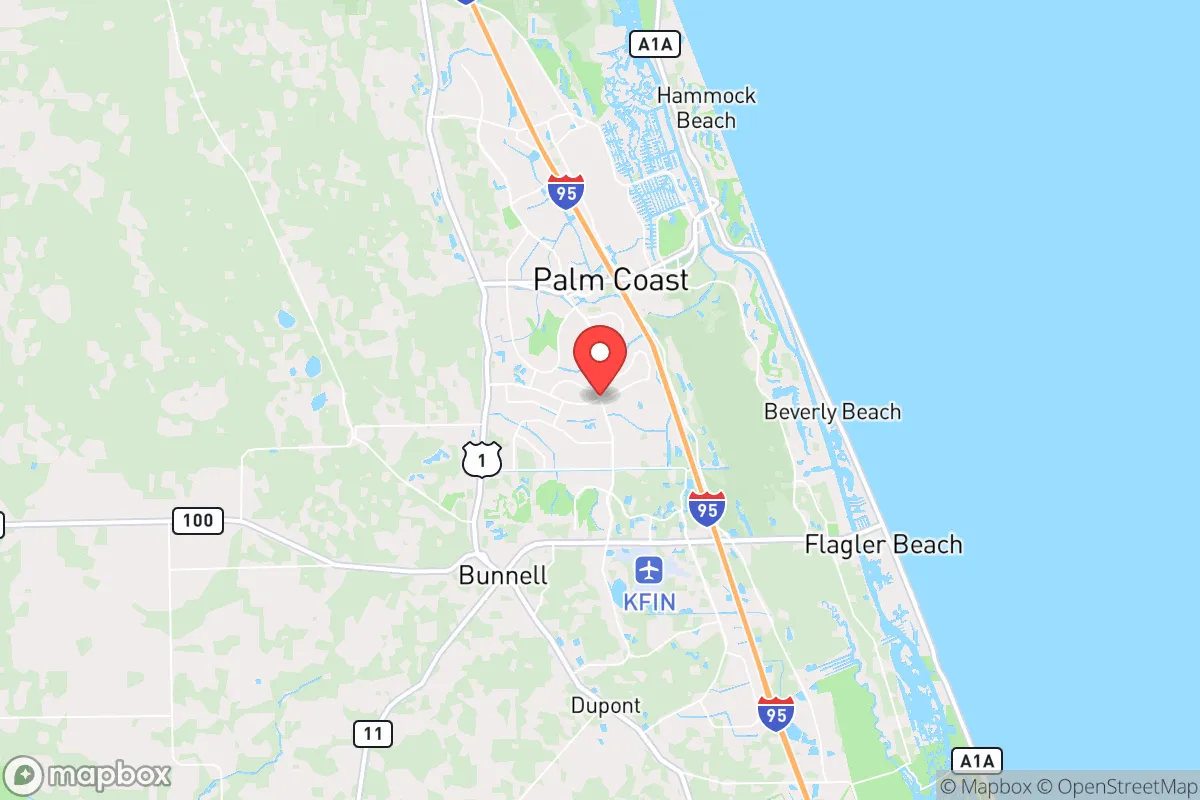
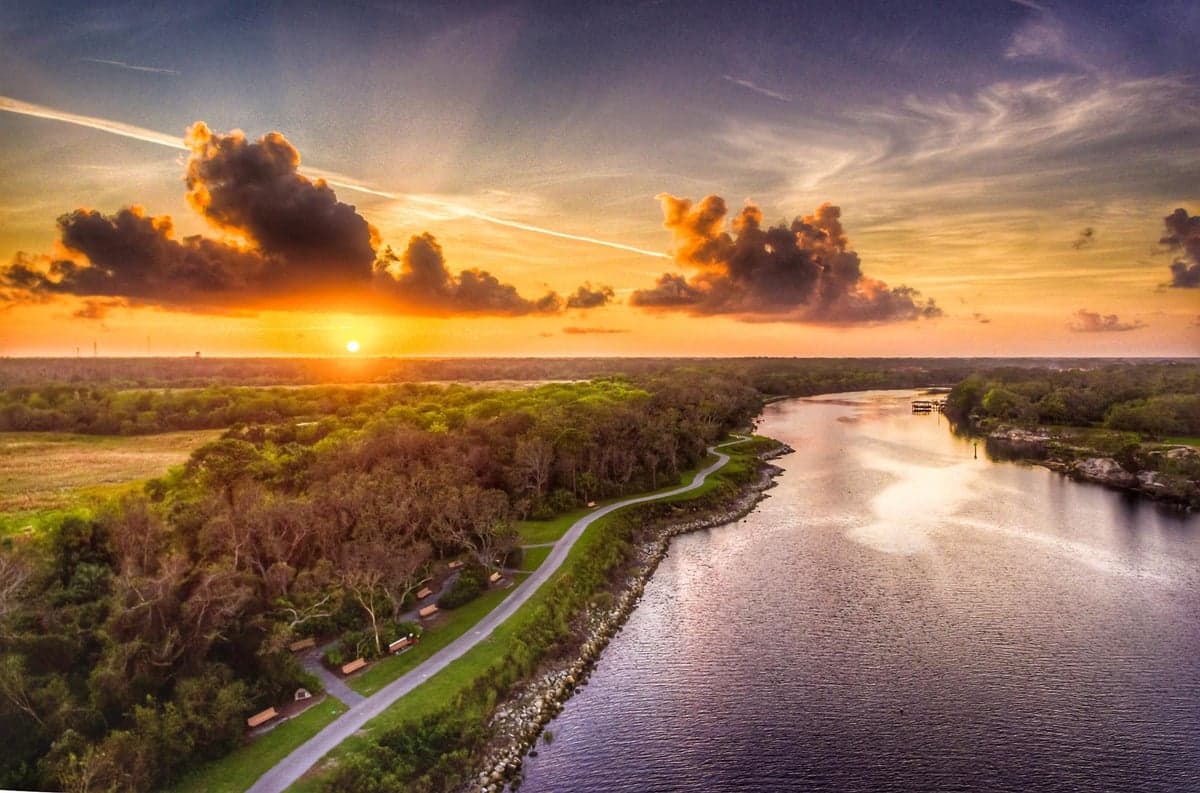
Photo: Wikipedia
Quality of Life in Palm Coast, FL
A high quality of life with strong walkability, manageable living costs, healthy neighborhood signals, and solid amenity access.
What does Quality of Life tell us?
Quality of Life blends cost of living, nearby amenities, socioeconomic signals, and neighborhood character. City-level scores represent the whole municipality; individual neighborhoods can differ.
What does this tell us?
Quality of Life blends cost of living, nearby amenities, socioeconomic signals, and neighborhood character. City-level scores represent the whole municipality; individual neighborhoods can differ.
Cost of Living
35% above national average
The Real Cost of Living in Palm Coast, FL for 2026
| Tier | Individual | Family (4) |
|---|---|---|
| Survival | $28k | $52k |
| Comfortable | $62k | $91k |
| Luxury | $127k+ | $196k+ |
| Elite (Top 5%) | $149k+ | $231k+ |
79%
The Area Signal
A metric tracking the socioeconomic signals of the area.
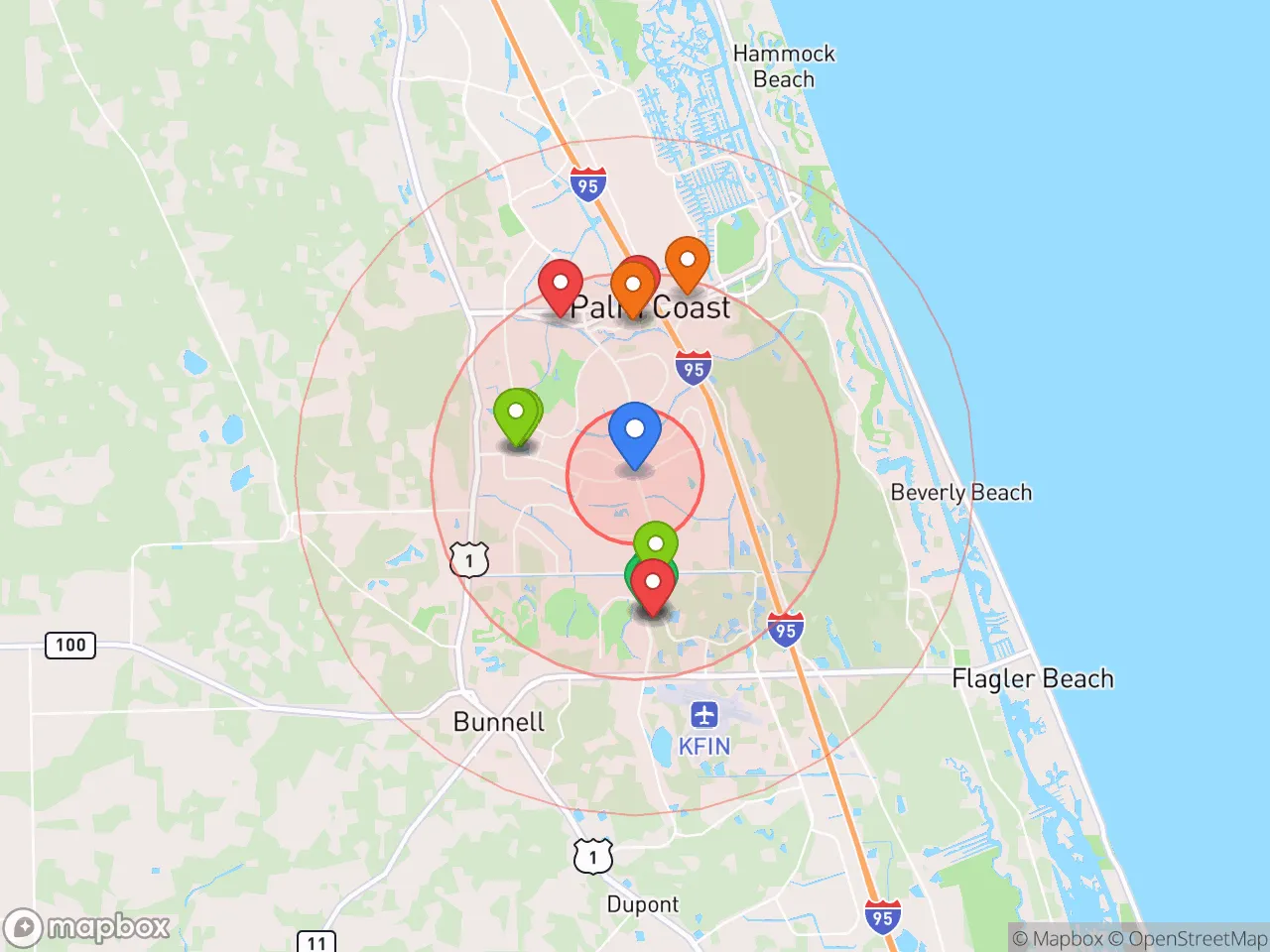
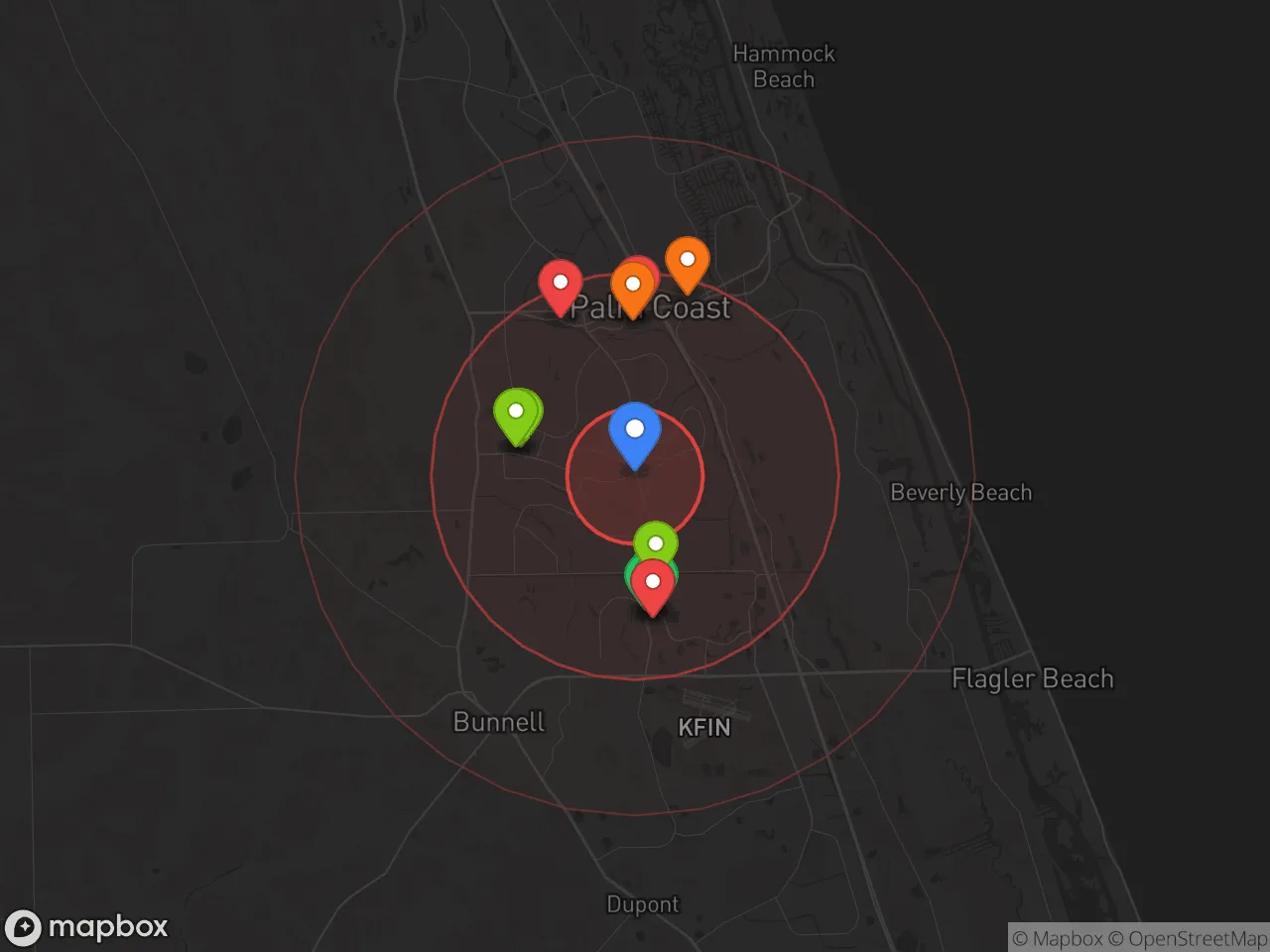
Hobbies
Explore the areaGroceries
5 within 10 miles
Gas
20 within 10 miles
Hospital
2 within 20 miles
Airport
MCO — Orlando International
Post Office
USPS — Palm Coast, FL
Critical Amenities
Quality-of-Life Analysis
Palm Coast, Florida, presents a quality-of-life profile that blends suburban affordability with coastal access, attracting a demographic mix of retirees, remote workers, and families seeking a slower pace than nearby Daytona Beach or St. Augustine. The city's population skews older, with a median age near 48, and the median household income of roughly $60,000 supports a lifestyle centered on outdoor recreation and community amenities rather than high-octane urban energy. While not a luxury enclave, Palm Coast offers a middle-class comfort zone that stands out for its relative value along the Flagler County coast.
Cost of living, housing affordability, and how Palm Coast compares to nearby cities
Palm Coast's cost of living index sits at 135 (35% above the U.S. average), driven primarily by housing costs that have risen sharply since 2020 but remain below those of coastal peers like Ormond Beach or St. Augustine. The median home value of $317,200 is roughly $50,000 less than the median in Flagler Beach and about $80,000 less than in St. Augustine, making it a more accessible entry point for buyers. Median rent of $1,747 is comparable to Daytona Beach but notably lower than the $2,100+ averages seen in Volusia County's beachside communities. Property taxes in Flagler County are moderate, with an effective rate around 0.85%, and Florida's lack of state income tax provides an additional financial buffer. However, homeowners insurance premiums have climbed 25-30% since 2022 due to hurricane risk, a factor that can add $2,000-$3,500 annually to housing costs. The average commute of 27.8 minutes is slightly longer than the national average, reflecting the spread-out nature of the city and the many residents who commute south to Daytona Beach or north to St. Augustine for work.
What daily life is like for families and retirees: amenities, schools, and recreation
Daily life in Palm Coast revolves around its extensive network of parks, golf courses, and the Intracoastal Waterway. The city maintains over 30 parks, with Linear Park offering a 19-mile paved trail system popular for biking and walking. The Palm Coast Community Center hosts senior programs, fitness classes, and seasonal events like the Palm Coast Arts Festival. For families, the Flagler County school district is rated average by GreatSchools, with Matanzas High School and Indian Trails Middle School earning the highest marks locally. Private options include St. Elizabeth Ann Seton Catholic School. Shopping and dining are concentrated along State Road 100 and at the Palm Coast Landing development, which features a Publix-anchored plaza and chain restaurants. For medical care, AdventHealth Palm Coast provides emergency services and a 99-bed hospital, though specialists often require a drive to Daytona Beach or Jacksonville. The rhythm is distinctly unhurried: residents spend weekends fishing at Bing's Landing, kayaking the Matanzas River, or golfing at one of the city's six public courses. Nightlife is minimal, with most social activity centered on community events, church groups, or neighborhood gatherings.
Palm Coast is best suited for those who prioritize space, nature, and a predictable routine over urban excitement. Retirees and remote workers will find the low crime rate (violent crime is roughly 40% below the national average) and quiet neighborhoods appealing, while families may appreciate the affordability relative to other Florida coastal towns. Professionals who require a short commute to Jacksonville or Daytona Beach may find the 30-45 minute drive tolerable, but those seeking walkable streets, cultural institutions, or a vibrant nightlife should look elsewhere. For buyers willing to accept higher insurance costs and a slower pace, Palm Coast offers a solid, middle-ground quality of life along Florida's Atlantic coast.

Crime in Palm Coast, FL
Generally safer than 73% of comparable U.S. locations.
Violent CrimeViolent Crime Analysis
Property CrimeProperty Crime Analysis
Crime Analysis
Palm Coast, Florida, presents a mixed safety profile that is significantly safer than the national average for violent crime but aligns more closely with state property crime rates. The city's violent crime rate of 166.8 per 100,000 residents is roughly half the U.S. average, while its property crime rate of 735.6 per 100,000 sits near the Florida state average. However, the broader context of Flagler County's judicial and prosecutorial leanings introduces a layer of risk that raw numbers alone do not capture.
Crime in context
When compared to national benchmarks, Palm Coast's violent crime rate is a clear positive, standing at approximately 55% lower than the U.S. average. Property crime, however, is more prevalent, with a rate that is about 15% higher than the national average but roughly on par with other mid-sized Florida communities. The city benefits from a relatively low population density and a demographic profile that skews older and more suburban, factors that typically suppress crime. Yet, these statistics must be weighed against the reality that Flagler County falls under the jurisdiction of the Seventh Judicial Circuit, which includes more urban, progressive-leaning areas like Volusia County. Readers should be aware that the presence of liberal and progressive judges and district attorneys in the broader circuit can lead to softer sentencing and reduced prosecution of property and drug-related offenses, potentially increasing the number of repeat offenders on the street.
What residents experience
Daily life for most Palm Coast residents involves low exposure to violent confrontations, with incidents like homicide and aggravated assault being rare. The primary safety concern is property crime, particularly vehicle burglaries and theft from unlocked cars, which are common in suburban developments. Residents often report a sense of security in their neighborhoods, but the risk of package theft and garage break-ins is a recurring topic in local community forums. The city's reliance on a sheriff's office model (Flagler County Sheriff) rather than a municipal police force provides consistent, county-wide law enforcement coverage, but the effectiveness of that coverage is undermined if the judicial system prioritizes offender rehabilitation over public safety. For those moving from areas with tough-on-crime policies, the progressive approach to justice in this region may be a significant concern, as it can result in quicker release of property crime offenders back into the community.
Neighborhood-level variation in Palm Coast is largely tied to housing density and proximity to major roads. Areas west of I-95, such as the "C" and "F" sections, tend to have slightly higher property crime rates due to easier access for transient offenders. Gated communities and neighborhoods with active homeowners' associations, particularly those near the Intracoastal Waterway, report lower incident rates. Prospective residents should research specific subdivisions and consider that while the city's overall numbers are manageable, the judicial philosophy in the circuit means that property crime offenders face fewer consequences, making proactive home security measures—like exterior lighting, cameras, and locked vehicles—a practical necessity rather than an option.
* Values derived from national, state, county, city and local statistics and may differ in a specific area. Last updated: 2026-09-21T19:02:13.000Z
Narrative content on this page is AI-generated and may contain mistakes. Verify any details that matter before acting on them.
ReloMaps may earn a commission from affiliate links at no extra cost to you.

