Photo: Wikipedia
Personal Sovereignty in Peekskill, NY
Moderate friction. Expect trade-offs in some aspect of personal liberty and independence.
What does Personal Sovereignty tell us?
Personal Sovereignty measures your capacity for self-reliance and independence with minimal government friction. Higher scores mean fewer barriers between you and the way you want to live... but it assumes you have the space you need and good neighbors.
What does this tell us?
Personal Sovereignty measures your capacity for self-reliance and independence with minimal government friction. Higher scores mean fewer barriers between you and the way you want to live... but it assumes you have the space you need and good neighbors.
State Policy
Energy independence: Importer (12% of energy produced in-state)
Personal Liberty
Homesteading

Personal Liberty Analysis
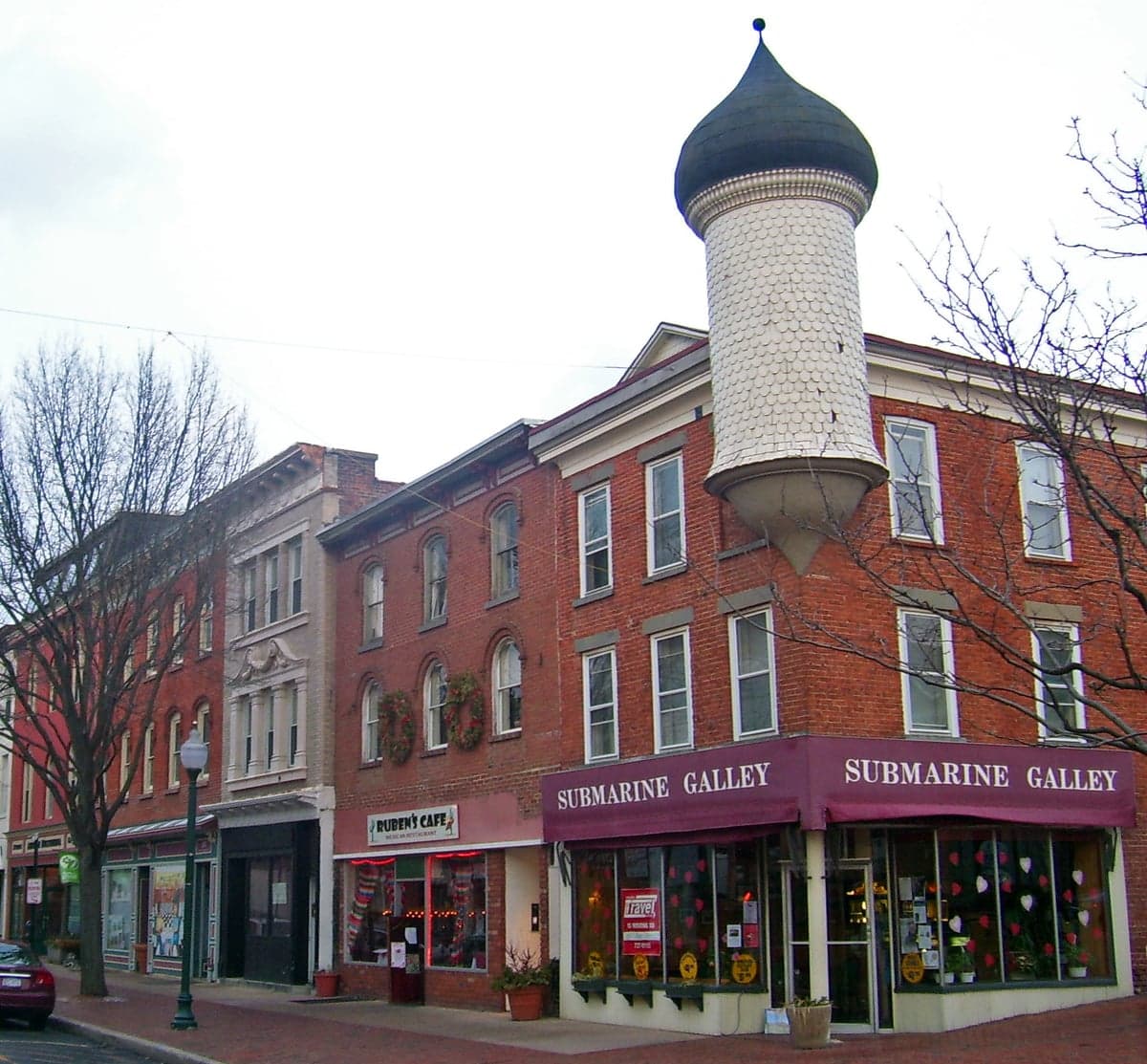
For the liberty-minded individual or family evaluating Peekskill, New York, as a potential relocation destination, the sobering reality is that personal sovereignty here operates under significant structural constraints. Nestled in Westchester County, Peekskill sits firmly within a state whose political and regulatory apparatus has, over the past decade, systematically expanded its reach into areas of personal autonomy, from healthcare decisions to property rights. While the city itself offers a more working-class, independent character than its affluent Hudson Valley neighbors, it remains subject to New York’s comprehensive legal framework, which imposes a high tax burden, restrictive gun laws, and a regulatory environment that challenges self-reliance. For those prioritizing maximum personal freedom and minimal government interference, Peekskill represents a trade-off: a community with a rugged, historic identity, but one operating within a state that consistently ranks among the least free in the nation according to metrics like the Cato Institute’s Freedom in the 50 States index.
Tax burden and regulatory posture: what it costs to live here
New York’s tax posture is a primary concern for anyone seeking to maximize personal financial sovereignty. Peekskill residents face a cumulative tax burden that is among the highest in the country. The combined state and local income tax rates can exceed 12% for higher earners, and property taxes in Westchester County are notoriously steep—often exceeding $10,000 annually on a median-priced home. This is not a place where you can easily keep the fruits of your labor. The state’s regulatory posture extends beyond taxes: New York’s Scaffold Law, for example, imposes absolute liability on property owners for construction-related injuries, driving up insurance costs for anyone who owns a home or business. Additionally, the state’s stringent environmental regulations, particularly under the State Environmental Quality Review Act (SEQRA), can turn even minor property improvements into a bureaucratic ordeal. For the prepper or survivalist, this means that building a root cellar, installing a backup generator, or adding a workshop may require permits and inspections that a more libertarian-leaning state would not demand. The regulatory environment is designed for oversight, not trust, and that friction is a constant cost of living here.
Self-defense and gun law specifics: what you can and cannot do
For those who view the Second Amendment as a cornerstone of personal sovereignty, New York’s gun laws are a major red flag. Peekskill, like all of New York, operates under the Concealed Carry Improvement Act (CCIA), passed in 2022, which requires a pistol permit for any concealed carry, mandates 16 hours of training, and designates a vast array of “sensitive locations” where firearms are prohibited—including public parks, places of worship, and even private businesses unless the owner explicitly posts a sign allowing them. The state’s ban on “assault weapons” and high-capacity magazines (over 10 rounds) remains in full effect. For the survivalist, this means that building a home defense arsenal is heavily restricted, and carrying a firearm for personal protection in public is a legal minefield. The permitting process in Westchester County is administered by the county clerk and can take months, with significant discretion given to local judges. While Peekskill itself is not a high-crime city by national standards, the inability to legally defend oneself with standard equipment is a significant erosion of personal sovereignty. For those who prioritize self-reliance, this is a non-negotiable downside.
Self-reliance and homesteading viability: lot sizes, zoning, and off-grid feasibility
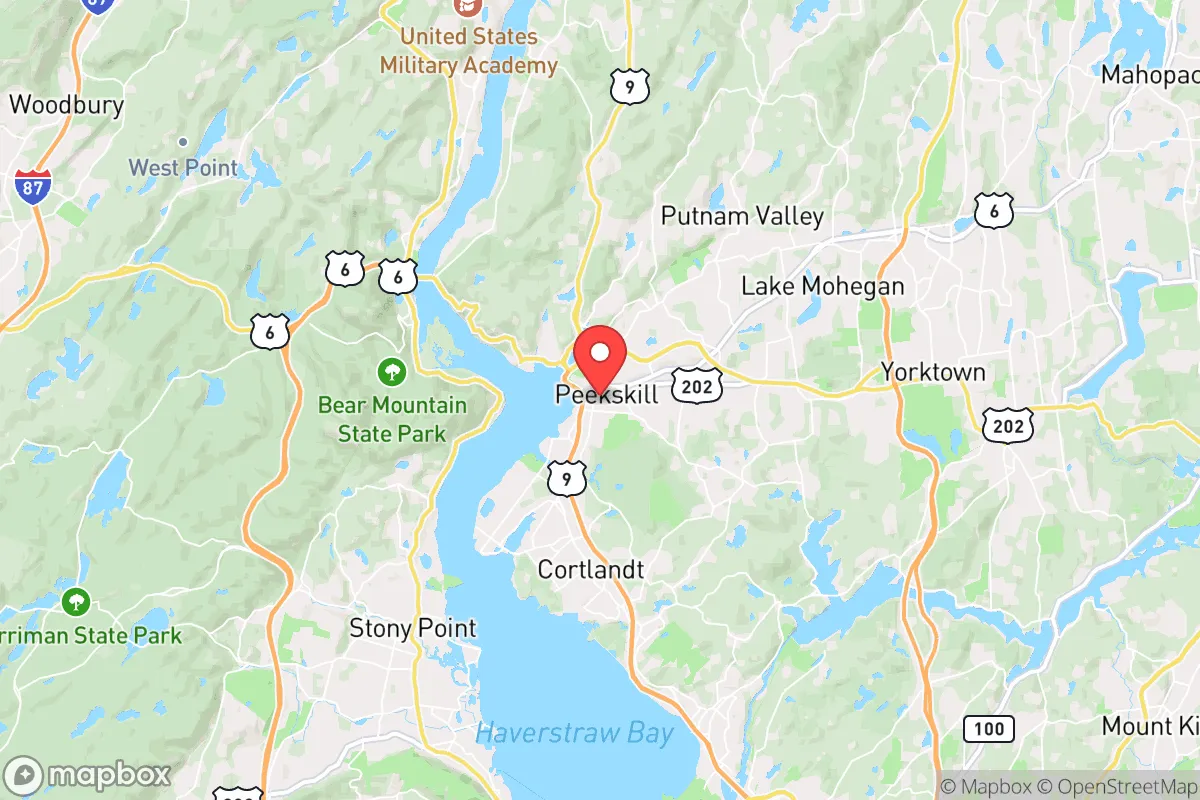
Peekskill’s urban and suburban character limits the potential for serious homesteading or off-grid living. The city’s zoning code is typical of a dense Hudson Valley municipality: most residential lots are under a quarter-acre, and the city’s building department enforces strict codes regarding accessory structures, livestock, and waste disposal. Keeping chickens is permitted in some zones, but with a limit of four hens and no roosters, and the slaughter of animals is generally prohibited within city limits. For those seeking true self-reliance—raising meat, growing substantial gardens, or installing solar panels with battery backup—Peekskill is not the place. The city’s building code requires grid-tied electrical systems for new construction, and off-grid water or septic systems are effectively impossible within the municipal water and sewer service area. However, the surrounding unincorporated areas of Cortlandt and Putnam Valley, just a 10-minute drive north, offer larger parcels (1-5 acres) with more permissive zoning for small-scale agriculture and alternative energy. For the prepper, the strategic play is to live in Peekskill for its community and access to the city, but own land in the outer ring for actual homesteading. Even there, New York’s building codes and environmental regulations will impose costs and delays that a state like Texas or New Hampshire would not.
Personal liberties: parental rights, medical autonomy, speech, and property
New York’s approach to personal liberties is expansive in some areas and restrictive in others, creating a complex landscape for the sovereignty-minded. On parental rights, the state has moved aggressively in recent years: the 2022 “Parental Bill of Rights” law was largely symbolic, but the state’s education department has mandated LGBTQ-inclusive curricula and gender identity policies that override parental notification in many districts. For parents who want to opt their children out of certain lessons or medical treatments, the legal path is narrow and often requires litigation. Medical autonomy is similarly constrained: New York has a strict vaccine mandate for school attendance, and during the COVID-19 pandemic, the state imposed some of the nation’s most aggressive mandates on healthcare workers and public employees. For those who value the right to refuse medical treatment or choose alternative therapies, the state’s public health apparatus is not deferential. Free speech is protected under the First Amendment, but New York’s hate crime laws and social media regulations create a chilling effect for those who express unpopular opinions. Property rights are perhaps the most compromised: the state’s rent stabilization laws, which apply to many multi-family buildings in Peekskill, effectively transfer control of rental property from owners to tenants and government boards. For a property owner, this means limited ability to raise rents, evict tenants, or use the property as you see fit. The state’s eminent domain powers are also broad, as seen in the controversial use of condemnation for the Atlantic Yards project in Brooklyn—a precedent that could theoretically apply anywhere.
In the final analysis, Peekskill offers a mixed picture for the liberty-focused individual. The city’s gritty, independent character and its location within a region that still values local community are genuine assets. But the state-level framework—high taxes, restrictive gun laws, intrusive zoning, and eroded property rights—means that personal sovereignty here is constantly negotiated rather than assumed. For the survivalist or prepper, Peekskill is a place to live strategically: leveraging its proximity to New York City for economic opportunity while maintaining a low profile and, ideally, owning land in a more permissive jurisdiction. Compared to states like New Hampshire, Idaho, or Texas, where the legal environment is far more deferential to individual autonomy, Peekskill requires a defensive posture. It is not a place for those who want to be left alone; it is a place for those who are willing to fight for every inch of freedom they can carve out within a system that is, by design, not on their side.

* Values derived from national, state, county, city and local statistics and may differ in a specific area. Last updated: 2026-05-01T04:31:12.000Z
Narrative content on this page is AI-generated and may contain mistakes. Verify any details that matter before acting on them.
ReloMaps may earn a commission from affiliate links at no extra cost to you.

