 Popular
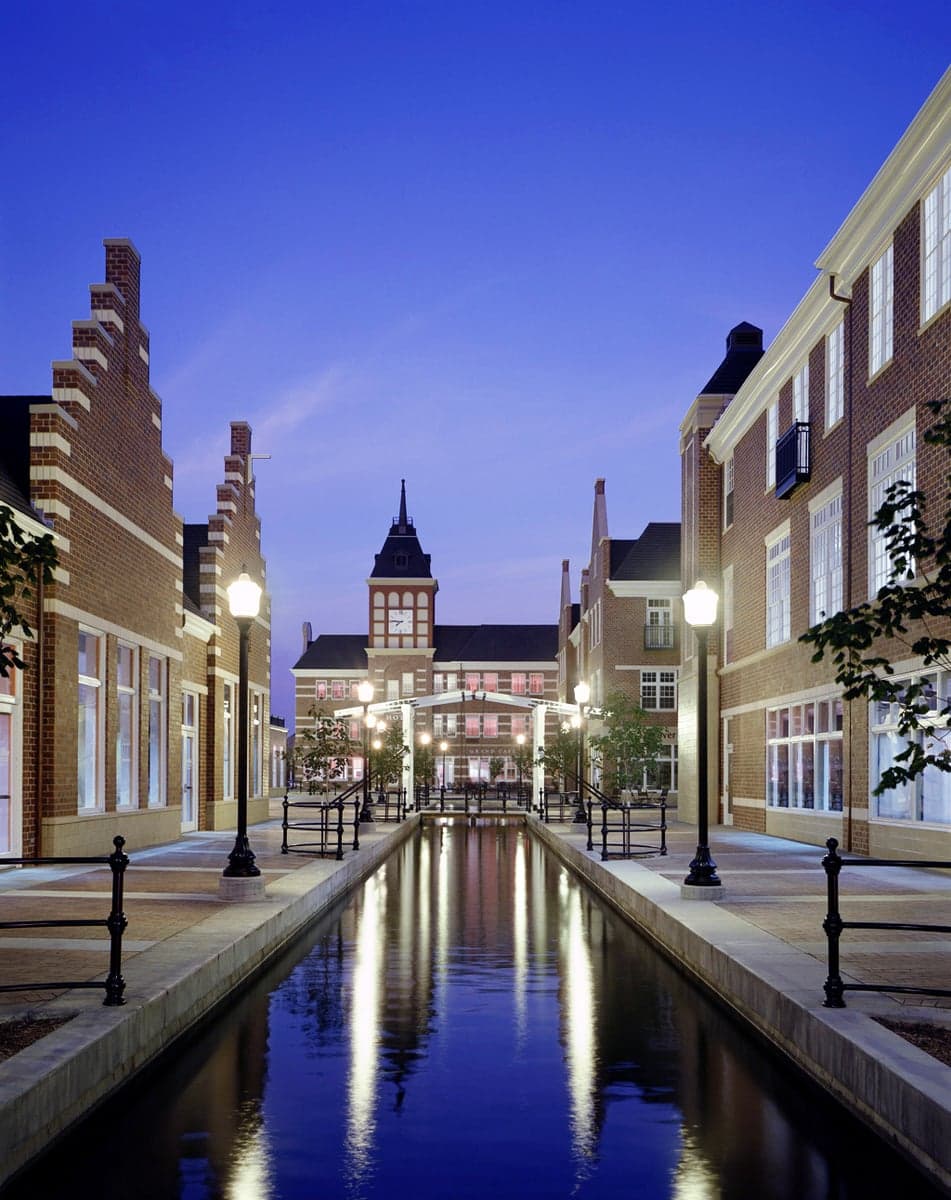
Photo: Wikipedia
Quality of Life in Pella, IA
A high quality of life with strong walkability, manageable living costs, healthy neighborhood signals, and solid amenity access.
What does Quality of Life tell us?
Quality of Life blends cost of living, nearby amenities, socioeconomic signals, and neighborhood character. City-level scores represent the whole municipality; individual neighborhoods can differ.
What does this tell us?
Quality of Life blends cost of living, nearby amenities, socioeconomic signals, and neighborhood character. City-level scores represent the whole municipality; individual neighborhoods can differ.
Cost of Living
9% below national average
The Real Cost of Living in Pella, IA for 2026
| Tier | Individual | Family (4) |
|---|---|---|
| Survival | $17k | $31k |
| Comfortable | $50k | $74k |
| Luxury | $147k+ | $227k+ |
| Elite (Top 5%) | $177k+ | $274k+ |
110%
The Area Signal
A metric tracking the socioeconomic signals of the area.
Hobbies
Explore the areaGroceries
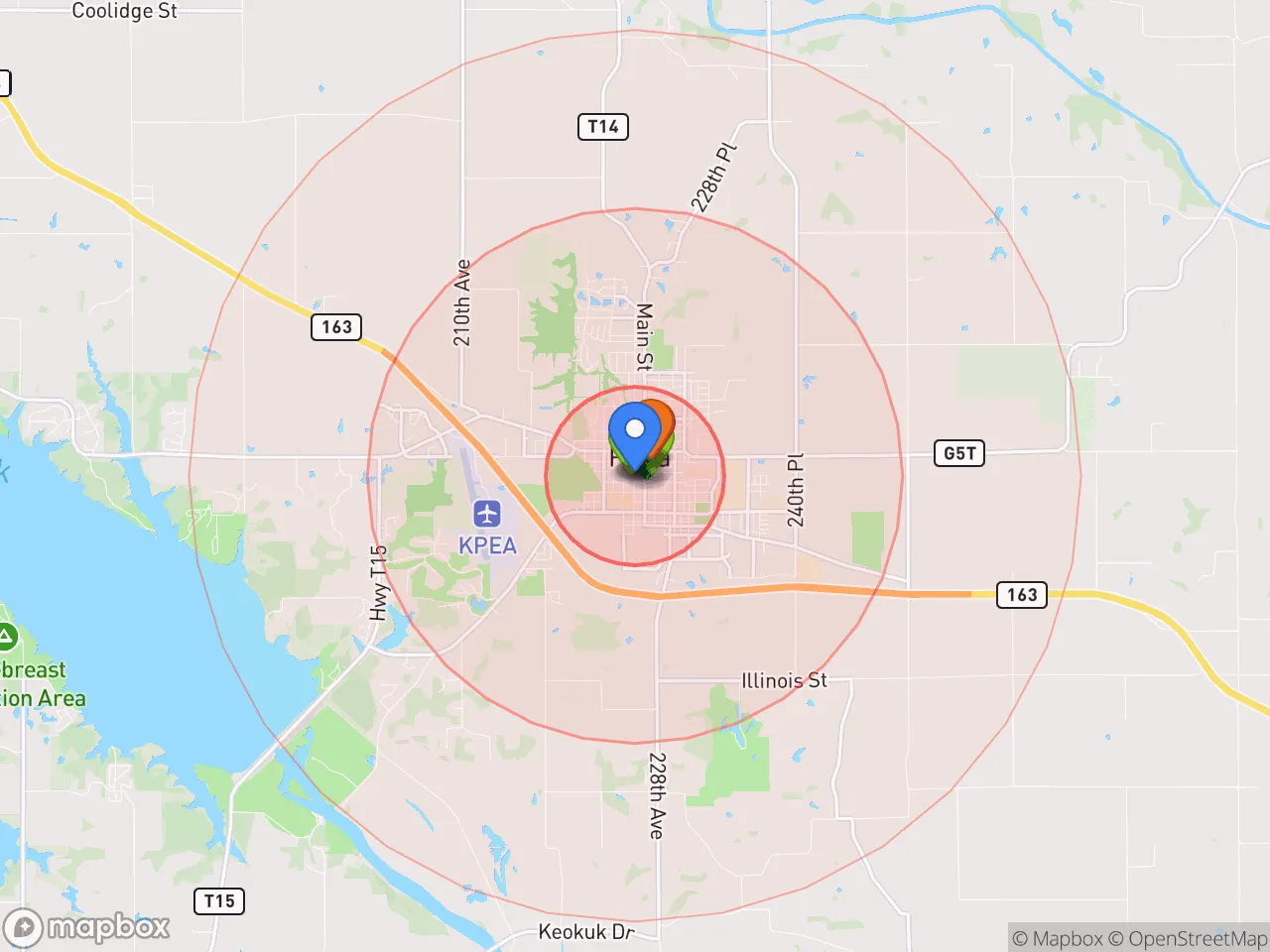
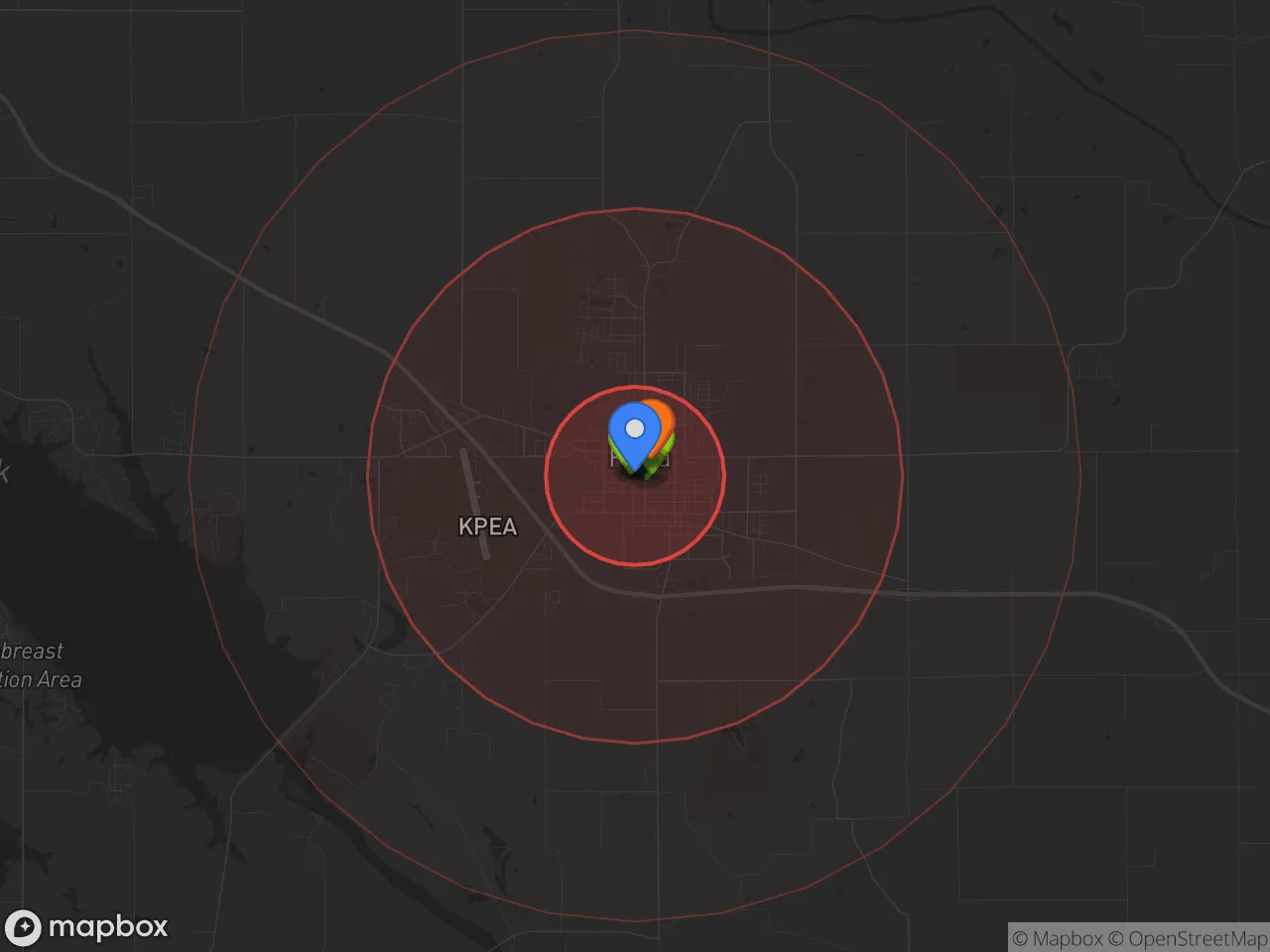
2 within 10 miles
Gas
3 within 10 miles
Hospital
4 within 20 miles
Airport
MCI — Kansas City International
Post Office
USPS — Pella, IA
Critical Amenities
Quality-of-Life Analysis
Pella, Iowa, presents a quality of life defined by small-town stability, above-average affluence, and a strong Dutch-American cultural identity. The city’s cost of living index of 91 (100 = U.S. average) and a median home value of $259,600 attract a mix of families, retirees, and professionals—many employed by Pella Corporation or Vermeer Manufacturing—who value safety, community engagement, and a slower daily pace. With a median household income significantly higher than the state average, Pella’s population skews toward homeowners and long-term residents rather than transient renters.
Cost of living, housing costs, and how Pella compares to nearby cities
Pella’s overall cost of living sits 9% below the national average, though its housing market is notably pricier than many other central Iowa towns of similar size. The median home value of $259,600 is roughly 15% higher than the statewide median, reflecting strong local demand and limited inventory. Median rent stands at $1,041, which is moderate for the region but still below the national average of $1,200. By comparison, nearby Knoxville (about 10 miles west) offers median home values closer to $180,000, while the larger city of Des Moines (40 miles north) has a median home value near $230,000 but with higher property taxes. Pella’s average commute of just 13.4 minutes is a standout advantage—far shorter than the national average of 26 minutes—reducing transportation costs and freeing up time for family or recreation. Utility costs and grocery prices align closely with state averages, keeping monthly budgets predictable for most households.
What daily life is like for families: schools, amenities, and local rhythm
Daily life in Pella revolves around a compact, walkable downtown anchored by the historic Vermeer Mill and the annual Tulip Time festival, which draws over 100,000 visitors each May. The Pella Community School District consistently ranks among Iowa’s top 10% for academic performance, with a student-teacher ratio of roughly 16:1 and strong extracurricular programs in music and athletics. For everyday needs, residents rely on a mix of local shops and national chains along Highway 163, with larger retail and medical services available in Des Moines within a 40-minute drive. The city maintains over 15 parks, including the 80-acre Central Park and the Lake Red Rock recreation area just south, offering fishing, hiking, and boating. The local rhythm is notably quiet—crime rates are well below state averages, and most businesses close by 9 p.m., reinforcing a family-oriented, early-to-bed lifestyle. Cultural amenities include the Pella Historical Village and the Scholte House Museum, which anchor the town’s Dutch heritage, while the Pella Opera House hosts concerts and community theater year-round.
Pella is best suited for those who prioritize safety, short commutes, and a tight-knit community over urban nightlife or career diversity. Families with school-age children will find strong public schools and low crime, while retirees benefit from affordable healthcare access and a slower pace. Professionals in manufacturing or agriculture will appreciate the proximity to major employers like Pella Corporation and Vermeer, though those seeking high-paying tech or finance roles may need to commute to Des Moines. The city’s strong Dutch cultural identity and conservative social norms mean it may feel insular to newcomers from more diverse or liberal areas, but for those drawn to a predictable, neighborly environment with solid public services, Pella offers a high quality of life at a reasonable cost.

Crime in Pella, IA
Lower crime rates than 91% of comparable U.S. locations.
Violent CrimeViolent Crime Analysis
Property CrimeProperty Crime Analysis
Crime Analysis
Pella, Iowa, is one of the safest cities in the state, with violent and property crime rates that are a fraction of both the Iowa average and national benchmarks. The city’s 2023 crime data shows a violent crime rate of just 81.1 incidents per 100,000 residents, compared to the national average of roughly 380 per 100,000. Property crime in Pella stands at 459.8 per 100,000, well below the national figure of approximately 1,950 per 100,000. These low numbers reflect a community where serious crime is rare and residents generally feel secure in their daily routines.
Crime in context
Pella’s crime rates place it among the safest municipalities in Marion County and the broader Des Moines metropolitan area. The city’s violent crime rate is roughly 79% lower than the national average, while its property crime rate is about 76% lower. For context, the statewide Iowa violent crime rate is approximately 280 per 100,000, meaning Pella’s rate is less than one-third of the state figure. Property crime in Iowa averages around 1,700 per 100,000, making Pella’s rate roughly 73% lower than the state norm. These comparisons underscore that Pella is an outlier for safety, even within a generally low-crime state.
What residents experience
In practical terms, Pella residents encounter very little violent crime. The 81.1 per 100,000 rate translates to roughly 1-2 violent incidents per year in a city of about 10,500 people. Property crimes like burglary, theft, and vehicle break-ins occur more frequently but remain uncommon. The most common safety concerns are minor thefts from unlocked vehicles or yards, rather than organized or aggressive property crime. Pella’s police department maintains a visible community presence, and neighborhood watch programs are active in several subdivisions. Residents consistently report feeling safe walking alone at night, and the city’s low crime contributes to its reputation as a family-friendly community.
Neighborhood-level variation in Pella is minimal. The city lacks the pronounced high-crime pockets found in larger urban areas. Older neighborhoods near the central square and newer subdivisions on the outskirts both experience similarly low crime rates. The only slight uptick in property crime occurs near the Highway 163 corridor and commercial zones, where transient theft from retail areas is marginally higher. Overall, Pella’s safety profile is remarkably uniform, with no area of the city warranting significant concern for prospective residents. This consistency, combined with the city’s conservative local governance and traditional law enforcement approach, reinforces a secure environment that contrasts sharply with the elevated crime risks often seen in larger metropolitan areas with progressive prosecutorial policies.
* Values derived from national, state, county, city and local statistics and may differ in a specific area. Last updated: 2026-04-30T01:35:13.000Z
Narrative content on this page is AI-generated and may contain mistakes. Verify any details that matter before acting on them.
ReloMaps may earn a commission from affiliate links at no extra cost to you.

