 Popular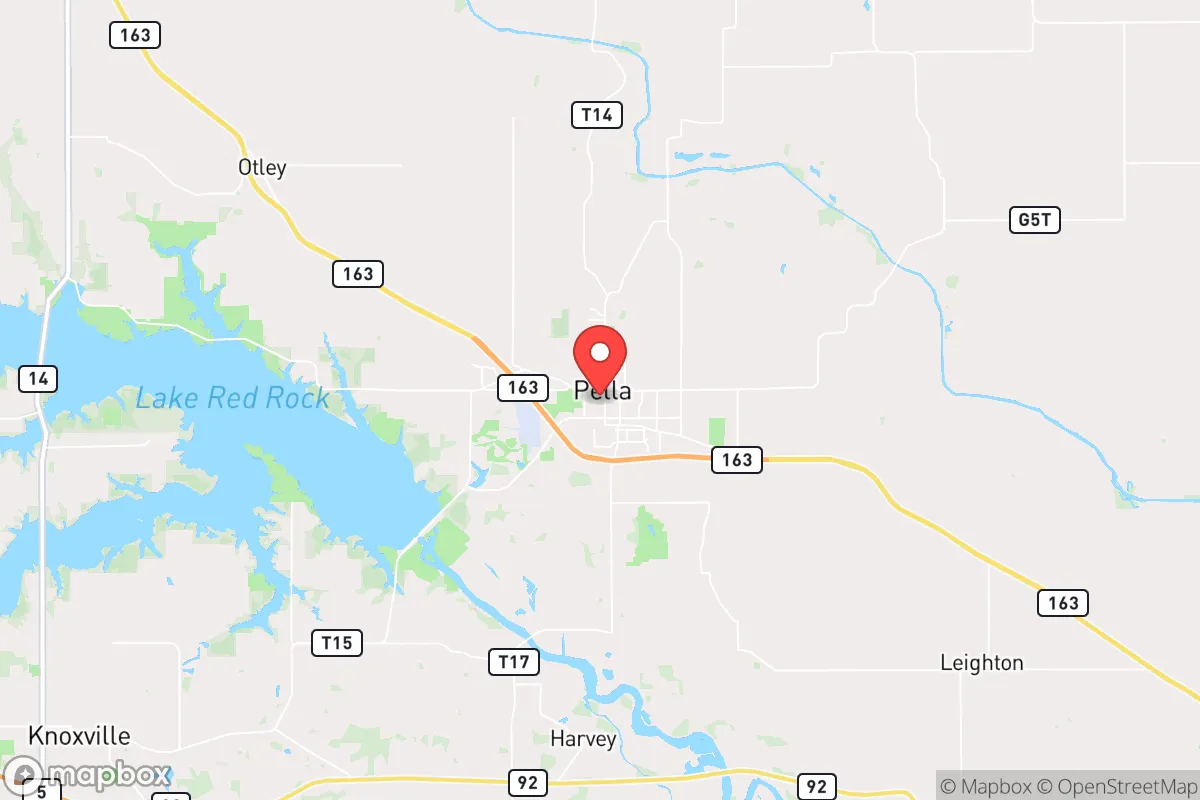
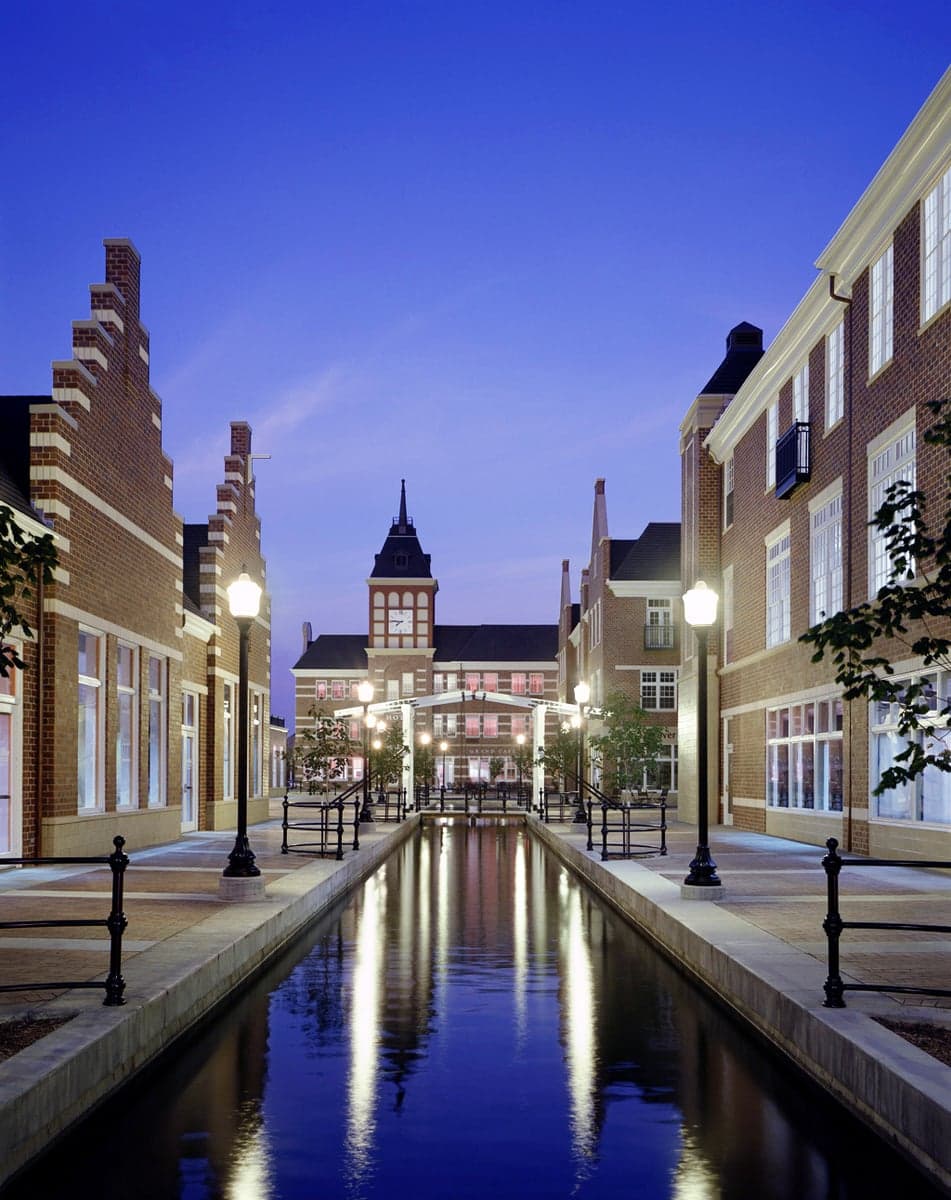
Photo: Wikipedia
Political ClimatePolitical Climate in Pella, IA
District shown is the primary district for this city’s centroid. Cities may span multiple districts.
Local Political AnalysisPolitical Analysis of Pella, IA
Pella, Iowa, has long been a solid conservative stronghold, and that hasn't changed much despite some national trends. The Cook Partisan Voting Index (PVI) of R+4 puts it right in line with the broader district, but if you spend any time here, you’ll feel the local tilt is even more pronounced. The town’s Dutch Reformed heritage and strong family-farming roots mean most folks still believe in limited government, personal responsibility, and keeping Washington out of your backyard. That said, you can see the same cultural pressures creeping in that are hitting small towns everywhere—especially from the college crowd and some newer transplants who bring big-city ideas with them.
How it compares
Drive twenty minutes north to Pella’s bigger neighbor, Newton, and you’ll notice a slightly different vibe—more union history, a bit more purple in local elections. Head east to Oskaloosa, and you’re in a similar conservative pocket, though they’ve had their own dust-ups over school board politics. The real contrast is with Iowa City, about an hour east, which is a deep-blue island in a red sea. Pella residents tend to look at Iowa City’s progressive policies—like their push for sanctuary city status or heavy-handed COVID mandates—as a cautionary tale of what happens when government overreach goes unchecked. Locals here prefer the old Iowa way: low taxes, common-sense zoning, and schools that teach kids how to think, not what to think.
What this means for residents
For the average family in Pella, the political climate means you can still live your life without a lot of bureaucratic nonsense. Property taxes are reasonable, the city council isn’t itching to impose new fees or regulations on small businesses, and the school board has resisted the kind of curriculum battles that have torn apart other districts. You won’t see mask mandates or vaccine passports being pushed here—people generally trust their neighbors to make their own health decisions. The biggest concern I hear from longtime friends is that the county is growing, and with growth comes pressure to “modernize” things like zoning laws and housing codes. There’s a real fear that if we’re not careful, we’ll end up with the same kind of overreach that’s ruining places like Des Moines’ western suburbs.
Culturally, Pella still holds onto its distinct identity in a way that feels increasingly rare. The town’s annual Tulip Time festival isn’t just a tourist draw—it’s a quiet statement that tradition matters. You won’t find a lot of political yard signs or activist groups here; most folks just want to be left alone to work, raise their kids, and go to church. The biggest policy distinction is probably the city’s approach to development: they’ve kept a tight lid on big-box sprawl and chain stores, which preserves the small-town feel but also keeps housing prices stable. If you’re looking for a place where the government stays out of your business and your neighbors share your values, Pella is still that place. But keep an eye on the next few election cycles—if the progressive wave that’s hit other Iowa towns reaches here, it’ll be a fight worth watching.

State Political ClimatePolitical Climate in Iowa
State Political AnalysisPolitical Environment in the State
Iowa has been a reliably Republican state in presidential elections since 2016, but its political identity is more nuanced than a simple red-state label suggests. The state’s overall partisan lean is roughly R+6, driven by a coalition of rural conservatives, evangelical Christians, and a growing number of fiscally conservative suburbanites. Over the past 20 years, Iowa has shifted from a classic purple swing state—where it voted for Barack Obama in 2008 and 2012—to a solidly red stronghold, with Donald Trump winning it by 8 points in 2020 and 9 points in 2024. This trajectory reflects a broader realignment, where cultural and economic concerns have pulled working-class voters away from Democrats and into the GOP fold.
Urban vs. rural divide
The political map of Iowa is a textbook example of the urban-rural split. The state’s two largest metros, Des Moines and Iowa City, are the primary blue anchors. Polk County (Des Moines) went for Joe Biden in 2020 by about 10 points, and Johnson County (Iowa City) is a deep-blue stronghold, voting over 70% Democratic. These areas are home to the state’s largest universities, corporate headquarters, and a growing professional class. In contrast, the rest of the state is overwhelmingly red. Rural counties like Sioux, Lyon, and Plymouth in northwest Iowa routinely vote 75-80% Republican. The shift is most visible in the once-competitive “Second Congressional District,” which includes the Quad Cities (Davenport, Bettendorf) and Cedar Rapids. These areas have trended rightward as union manufacturing jobs declined and cultural issues like abortion and gun rights took center stage. A telling example is Dallas County, a fast-growing Des Moines suburb: it flipped from Obama in 2012 to Trump in 2016 and has stayed red since, driven by families fleeing the city for lower taxes and conservative school boards.
Policy environment
Iowa’s policy environment is broadly conservative, with a strong emphasis on limited government and individual liberty. The state has a flat income tax rate of 3.9% (down from 8.98% in 2021), and the legislature is phasing it out entirely by 2027. Property taxes are relatively low, with a median effective rate of 1.5%, and there is no inheritance tax. Education policy is a major battleground: Governor Kim Reynolds signed a universal school choice bill in 2023, allowing any family to use state funds for private or homeschool expenses. This has been a huge win for parental rights, though it has drawn fierce opposition from teachers’ unions in Des Moines and Iowa City. On healthcare, Iowa expanded Medicaid under the Affordable Care Act but has since implemented work requirements for able-bodied adults, a move that reduced enrollment by about 30,000. Election laws were tightened in 2021 with a voter ID requirement and reduced early voting days, which critics call suppression but supporters say ensures integrity. The state also passed a six-week abortion ban in 2023, which was upheld by the Iowa Supreme Court in 2024, making it one of the most restrictive in the Midwest.
Trajectory & freedom
Iowa is becoming more free in several key areas, particularly fiscal policy and parental rights. The 2023 school choice law is a landmark: it gives families roughly $7,600 per child to spend on private or homeschool expenses, effectively breaking the government monopoly on education. Gun rights have also expanded: in 2021, Iowa became a permitless carry state, allowing any law-abiding adult to carry a concealed firearm without a license. This was a direct response to federal overreach and has been popular in rural areas like Council Bluffs and Mason City. On the other hand, there are concerning trends. The state’s medical autonomy was compromised during COVID-19, when Governor Reynolds imposed mask mandates and business closures, though she later reversed course and signed a law banning future mask mandates in schools. Property rights remain strong, with no statewide rent control and minimal zoning restrictions outside of Des Moines. However, the state’s energy policies are a mixed bag: Iowa is a national leader in wind energy, which some conservatives view as a subsidy-driven industry that distorts free markets. Overall, the trajectory is positive for personal liberty, but vigilance is needed to prevent future government overreach.
Civil unrest & political movements
Iowa has seen relatively little civil unrest compared to coastal states, but there have been notable flashpoints. In 2020, Black Lives Matter protests in Des Moines and Iowa City turned violent, with property damage and clashes with police. These events galvanized conservative backlash, leading to the passage of a “Back the Blue” law in 2021 that increased penalties for assaulting police officers and rioting. Immigration politics are a hot-button issue: Iowa has a small but growing immigrant population, particularly in meatpacking towns like Storm Lake and Postville. The state passed a law in 2024 requiring local law enforcement to cooperate with federal immigration authorities, a direct response to sanctuary city policies in places like Johnson County. Election integrity remains a concern for many conservatives, especially after the 2020 election saw widespread mail-in voting. The 2021 voter ID law was a direct response, and there have been ongoing calls for hand-counting ballots in rural counties. Organized activist movements are strong on both sides: the Iowa Faith and Freedom Coalition is a powerful conservative force, while groups like Indivisible Iowa mobilize progressives in Des Moines and Iowa City. A new resident would notice the strong presence of evangelical churches and pro-life pregnancy centers, especially in smaller towns like Pella and Orange City.
Projection
Over the next 5-10 years, Iowa is likely to become more conservative, driven by demographic shifts and in-migration patterns. The state is seeing an influx of families from Illinois, Minnesota, and California, attracted by lower taxes and conservative policies. These newcomers tend to be fiscally conservative and socially moderate, but they are increasingly aligning with the GOP on cultural issues like school choice and parental rights. The rural population is declining, but the suburbs are growing, and those suburbs are trending red. For example, Ankeny and Waukee, suburbs of Des Moines, have seen explosive growth and are now reliably Republican. The Democratic strongholds in Iowa City and Des Moines will remain blue, but their influence will shrink as the rest of the state solidifies. The biggest wildcard is the state’s aging population: Iowa has one of the oldest median ages in the country, and older voters tend to be more conservative. However, younger Iowans are more libertarian-leaning, favoring legalized marijuana (which remains illegal) and criminal justice reform. If the GOP can hold the line on taxes and education, Iowa will remain a red state for the foreseeable future. A new resident moving in now should expect to find a state that values personal responsibility, low taxes, and local control, but one that is still grappling with the tension between rural tradition and suburban growth.
For a conservative individual or family considering a move, Iowa offers a strong alignment with core values: low taxes, school choice, gun rights, and a culture of self-reliance. The state is not without its challenges—property taxes can be a burden in some counties, and the weather is brutal—but the political climate is stable and trending in the right direction. If you’re looking for a place where your voice matters and your freedoms are respected, Iowa is a solid bet. Just avoid the blue islands of Iowa City and Des Moines, and you’ll find a community that shares your priorities.
* Values derived from national, state, county, city and local statistics and may differ in a specific area. Last updated: 2026-04-30T01:35:13.000Z
Narrative content on this page is AI-generated and may contain mistakes. Verify any details that matter before acting on them.
ReloMaps may earn a commission from affiliate links at no extra cost to you.

