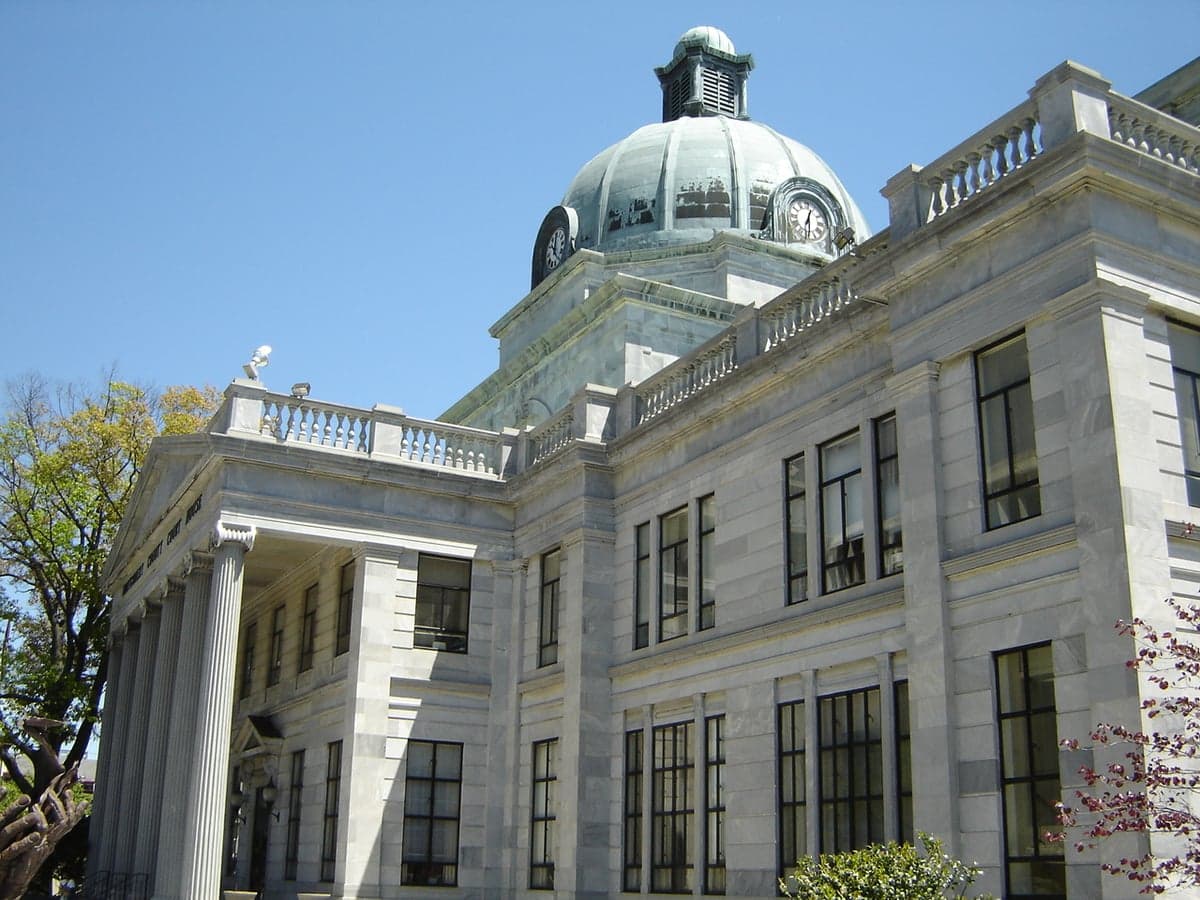
Photo: Wikipedia
Find The Best Places To Live in Montgomery County
PRO TIP! You can paste a Zillow or Redfin link to get info on that property.
Best Places to Live in Montgomery County
Cities & Towns in Montgomery County
Cities in Montgomery County
What It's Like Living in Montgomery County, PA
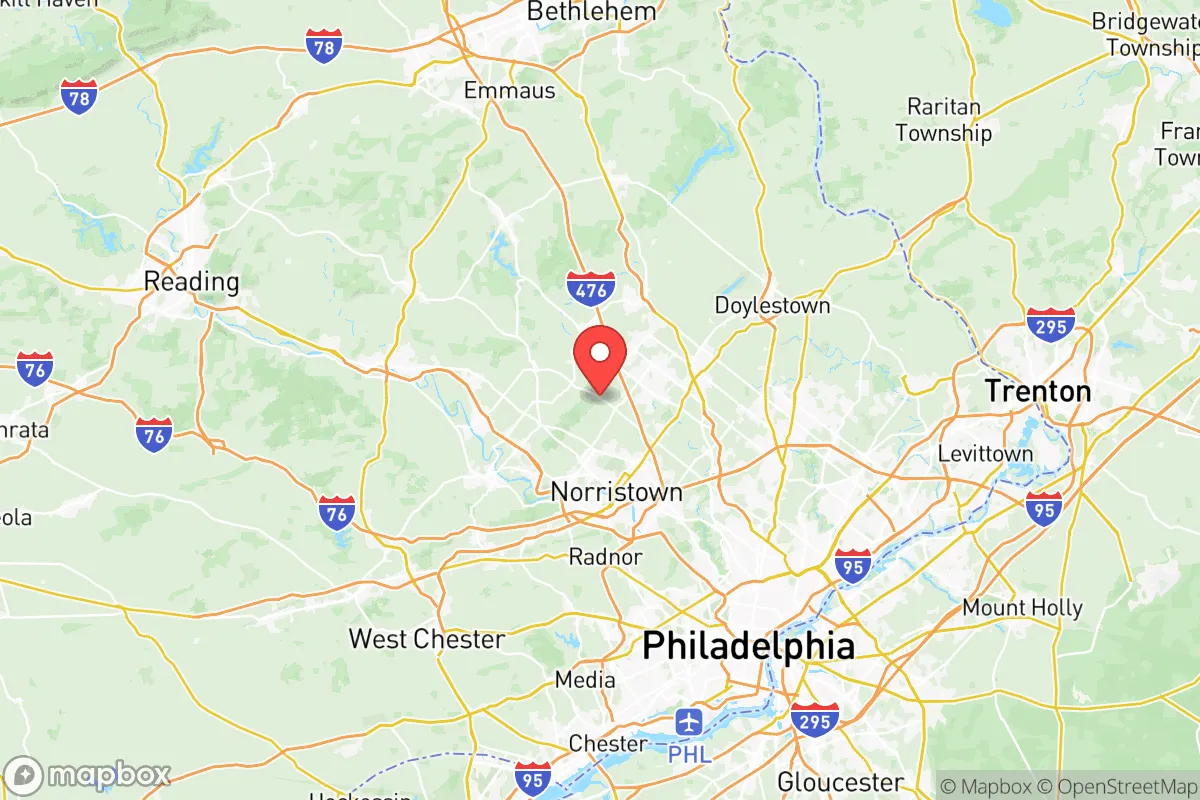
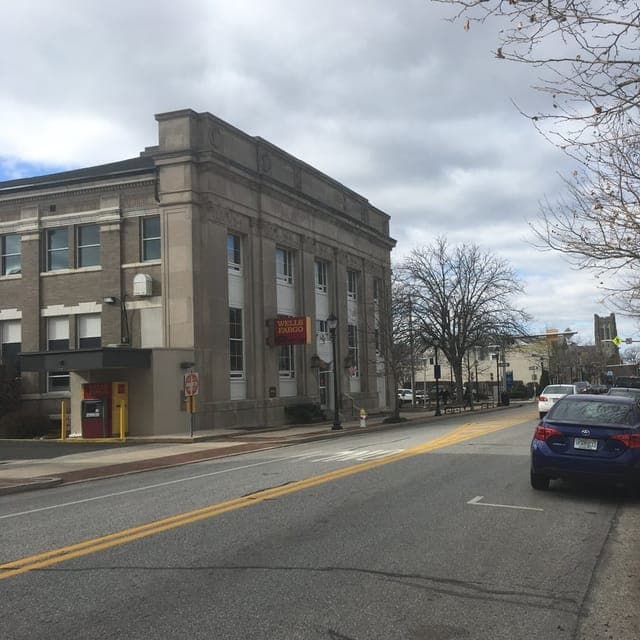
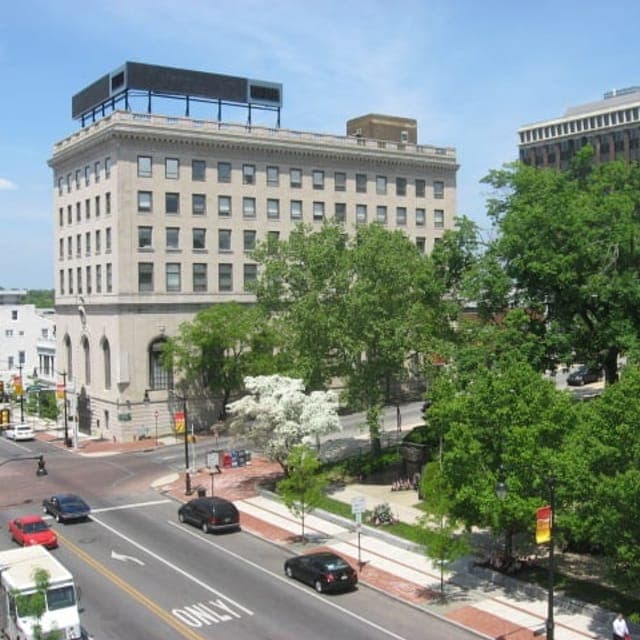
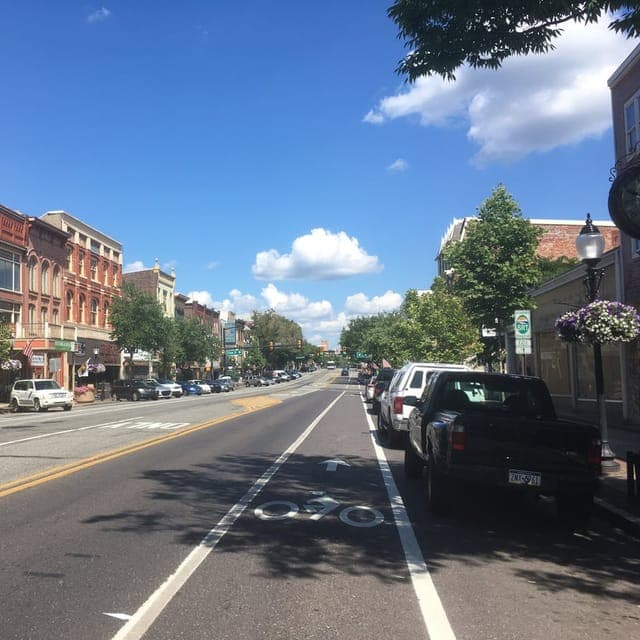
Montgomery County, Pennsylvania, is one of those places that feels like a collection of distinct small towns that happen to share a county line—think Ardmore’s walkable Main Street, Lansdale’s Friday-night football crowds, and the quiet horse farms of Upper Salford. With just over 861,000 residents, it’s the third-most-populous county in the state, but it rarely feels like a sprawling suburb. Instead, it’s a patchwork of old mill towns, leafy bedroom communities, and a few bustling commercial corridors, all within an hour of Philadelphia. The kind of person who fits here is someone who values good schools, a slower pace than the city, but still wants access to a major metro—without the intensity of living right in it.
Daily Rhythm: Commutes, Schools, and the Weekend Reset
For most people in Montgomery County, the day starts with a commute that averages about 28 minutes. That’s shorter than the Philly metro average, but it can feel longer on the Schuylkill Expressway or Route 422, especially around King of Prussia or Norristown. Many residents work in healthcare (Jefferson Health, Main Line Health), education, or professional services—the county’s median household income of $111,521 reflects a largely white-collar, college-educated workforce (52.3% hold a bachelor’s or higher). After work, you’ll see families heading to local parks like Valley Forge National Historical Park or the Perkiomen Trail for a bike ride, or grabbing dinner at a BYOB in Ardmore or a craft brewery in Phoenixville. The median age of 41.1 suggests a community heavy on established families and empty-nesters, not a young transient crowd.
Weekends often revolve around kids’ sports—soccer and lacrosse leagues are huge—or errands at the King of Prussia Mall, one of the largest shopping centers in the country. But there’s also a strong local-food scene: try the cheesesteaks at Dalessandro’s in Roxborough (technically Philly, but a quick drive) or the farm-to-table spots in Ambler. The cost of living index sits at 141, well above the national average, driven largely by housing—median home value is $409,900. That’s steep for Pennsylvania, but it buys you a solidly built colonial or a newer townhouse in a good school district, which is a major draw for parents.
Sports & Community: High School Loyalty and Pro Proximity
Montgomery County doesn’t have its own pro sports team, but it’s deep in Eagles, Phillies, Flyers, and Sixers territory. On a Sunday in fall, you’ll see Eagles flags on porches from Hatboro to Collegeville. But the real local passion is high school sports. Friday-night football at North Penn High School in Lansdale draws crowds that rival some small colleges, and the rivalry between Lower Merion and Radnor in basketball is intense—Lower Merion famously produced Kobe Bryant. The county also hosts the annual Montgomery County Championship for various sports, which is a big deal for local families. For college sports, Villanova University is just over the border in Delaware County, and many residents are Wildcats fans, especially during March Madness.
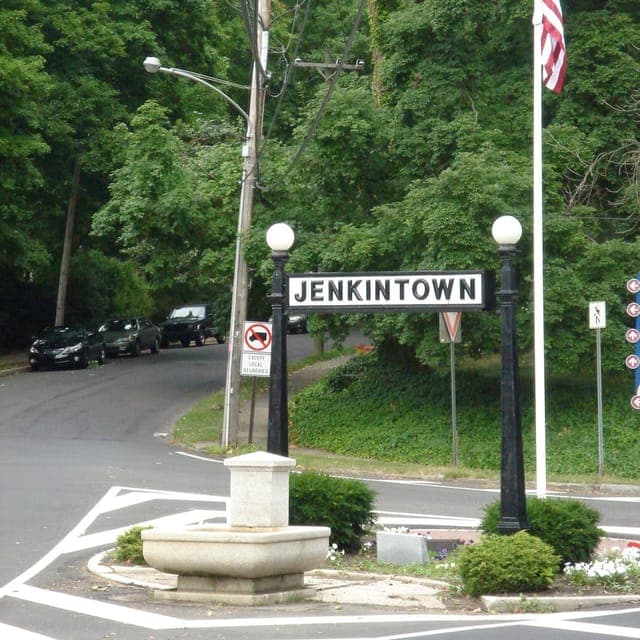
Beyond sports, community identity often ties to local festivals. First Friday in Phoenixville brings thousands to Bridge Street for art, music, and food, while the Harleysville Community Fair offers a more rural, agricultural vibe. The county’s cultural quirks include a strong sense of “town pride”—people identify as being from Ambler or Pottstown or Jenkintown before they say “Montgomery County.” That localism can feel insular to newcomers, but it also means strong neighborhood networks and active volunteer fire companies.
What’s There to Do: Parks, Breweries, and the Philly Backyard
Outdoor options are a major perk. Valley Forge National Historical Park is the crown jewel—miles of trails, historical reenactments, and a massive Fourth of July celebration. The Perkiomen Trail runs 20 miles from Green Lane to Oaks, connecting several towns and passing through woods, farm fields, and old railroad bridges. For a quieter afternoon, Green Lane Park offers fishing and kayaking. The entertainment scene leans toward casual: craft breweries like Conshohocken Brewing Company and Stickman Brews in Royersford are popular weekend hangouts, and the Colonial Theatre in Phoenixville hosts indie films and live music. For bigger acts, the Keswick Theatre in Glenside is a historic venue that books national touring acts, and the Mann Center in Philadelphia is a 25-minute drive from Ardmore.
One honest downside: the violent crime rate of 225.9 per 100,000 is slightly above the national average, but it’s heavily concentrated in a few areas like Norristown and parts of Pottstown. Most of the county feels very safe, and property crime is the bigger nuisance—car break-ins in train station parking lots are a common complaint. Another frustration is traffic: the Blue Route (I-476) and the Schuylkill Expressway (I-76) can turn a 20-minute trip into an hour during rush hour, especially near the King of Prussia interchange. Locals learn to time their drives carefully or use back roads through Skippack and Collegeville.
Pros and Cons of Living Here
- Pro: Excellent public schools—Lower Merion, Radnor, and North Penn are consistently top-ranked in the state, and school quality is a major factor in home values.
- Con: High cost of living—housing and property taxes are steep, especially in the eastern part of the county near the Main Line.
- Pro: Easy access to Philadelphia—30 minutes by train from Ardmore or Ambler to Center City, with SEPTA regional rail serving most towns.
- Con: Traffic congestion on major arteries, particularly 422, 476, and 202, can make cross-county trips a chore.
- Pro: Strong sense of local identity—each town has its own character, from the historic architecture of Norristown to the rural feel of Schwenksville.
- Con: Winters can be gray and damp—expect 30 inches of snow annually and many overcast days from December through February.
Overall, Montgomery County works best for people who want a suburban or small-town feel with solid schools and city access, but who are willing to pay a premium for it. The seasonal rhythm is classic Mid-Atlantic: crisp falls with apple picking at Merrymead Farm, humid summers spent at community pools, and springs that bring the Phillies back to relevance. It’s not a place for night owls or those seeking a hip urban scene—but for families and professionals who value stability, community, and a good school district, it’s hard to beat.

* Values derived from national, state, county, city and local statistics and may differ in a specific area. Last updated: 2026-05-17T00:56:59.000Z
Narrative content on this page is AI-generated and may contain mistakes. Verify any details that matter before acting on them.
ReloMaps may earn a commission from affiliate links at no extra cost to you.

