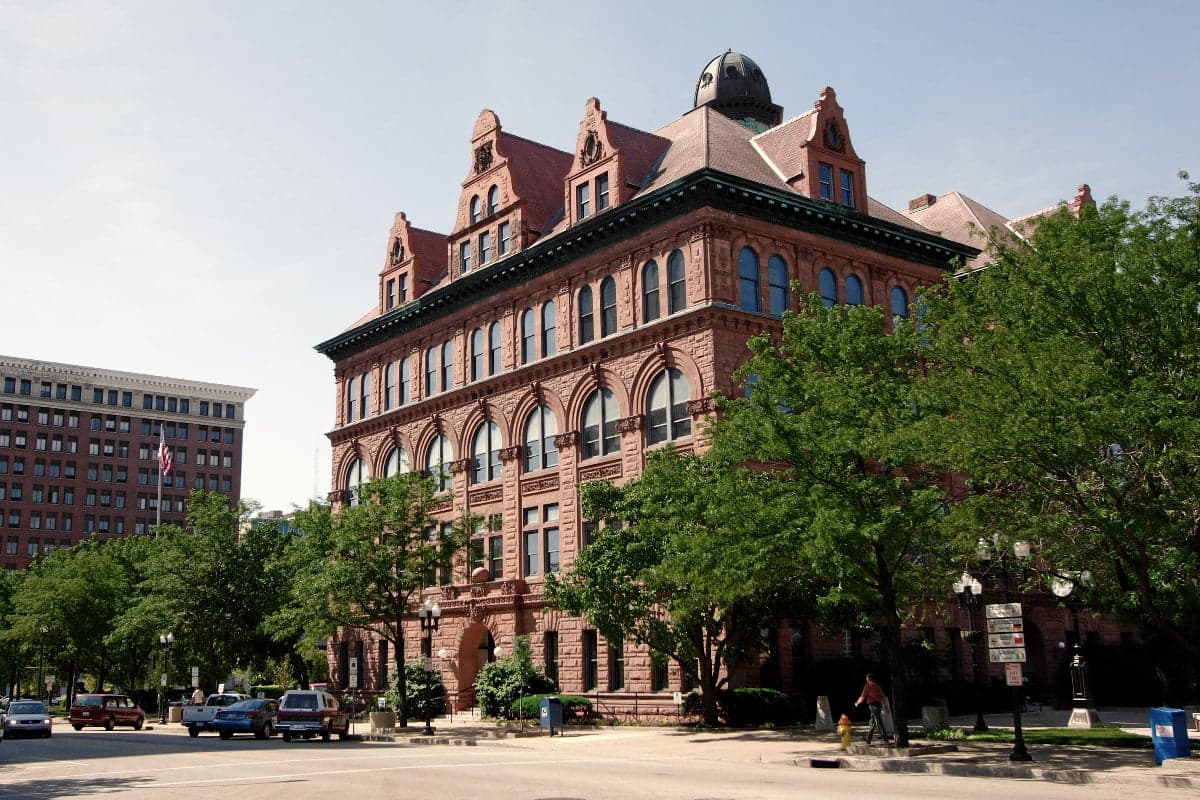
Photo: Wikipedia
Find The Best Places To Live
in Peoria
PRO TIP! You can paste a Zillow or Redfin link to get info on that property.
What It's Like Living in Peoria, IL
Peoria is one of those Midwestern cities that feels like it’s perpetually on the verge of a comeback, but in a way that’s actually kind of endearing. It’s a river town with a blue-collar backbone, a surprising amount of cultural heft for its size, and a pace of life that lets you breathe—if you can look past the rough patches. Living here means accepting that the city’s best days might be behind it, but also that the present offers a lot of genuine, unpretentious value.
The Daily Rhythm: Affordable, Slow, and Surprisingly Green
Most days in Peoria move at a deliberate, unhurried pace. The average commute is just over 17 minutes, which means you can live in a quiet neighborhood like the historic West Bluff or the more suburban Dunlap area and still be at your desk in a quarter of an hour. That’s a huge quality-of-life win. People here spend their weekends at the Riverfront Market, hiking the trails at Forest Park Nature Center, or grabbing a coffee at Zion Coffee Bar in the Warehouse District. The cost of living index sits at 70—well below the national average—and the median home value is $149,500, which is almost unheard of in much of the country. That means a young family or a single professional can actually afford a decent house with a yard, something that’s become a fantasy in coastal cities.
The weather is a four-season affair, and locals will tell you winter is the price you pay for a gorgeous fall and a genuinely pleasant spring. Snow removal is generally competent, but January and February can feel long. The flip side is that summer brings the Peoria Chiefs minor league baseball games, outdoor concerts at the CEFCU Center Stage at the Landing, and a general sense that everyone is trying to soak up every warm day.
Sports, Community, and the Local Identity
Peoria is a sports town, but not in a flashy, big-market way. The Peoria Rivermen (SPHL hockey) draw a loyal, rowdy crowd at the Peoria Civic Center, and the Peoria Chiefs (Class A affiliate of the St. Louis Cardinals) are a summer staple—cheap tickets, cold beer, and a view of the river. High school sports are a big deal here, too. Richwoods, Notre Dame, and Manual are the names you’ll hear, and Friday night football in the fall is a genuine community event. There’s no major pro team, but the University of Illinois is a two-hour drive, and plenty of locals are die-hard Illini fans.
The city’s identity is rooted in its industrial past—Caterpillar Inc. was born here, and its global headquarters is still a major employer, though the workforce has shrunk over the decades. That legacy gives Peoria a certain grit. People are proud of their work ethic, and there’s a strong sense of “we take care of our own.” You’ll see it in the volunteer turnout for the Steamboat Classic (a major 4-mile road race) or the community support for the Peoria Symphony Orchestra, which punches well above its weight for a city this size.
What’s There to Do: Festivals, Food, and the Outdoors
For a city of 112,126 people, Peoria has a surprisingly robust entertainment scene. The Peoria Riverfront Museum and the Caterpillar Visitors Center are solid draws, but the real action is in the festivals. The Peoria Art Guild’s Fine Art Fair in September is a highlight, and the Heart of Illinois Fair brings carnival rides and livestock shows every summer. The Warehouse District is the nightlife hub, with spots like Kelleher’s Irish Pub (a local institution) and Thyme (upscale but not stuffy) drawing a mix of young professionals and longtime residents. For a more laid-back vibe, One World Coffee is a favorite for a weekend morning.
Outdoorsy types will find plenty to do. The Rock Island Trail and the Kickapoo Creek Recreation Area offer hiking, biking, and fishing. The Illinois River itself is a focal point—you can kayak, boat, or just sit at the Riverfront Park and watch the barges go by. It’s not dramatic scenery, but it’s peaceful and accessible.
Pros and Cons of Living Here
- Pro: Affordability. The cost of living is a genuine advantage. Your money goes a long way, especially in housing. A median home value of $149,500 means you can buy a solid starter home or even a fixer-upper with character.
- Con: Crime is a real concern. The violent crime rate is 1,249.7 per 100,000, which is significantly higher than the national average. This is concentrated in certain neighborhoods (like the South Side and parts of the East Bluff), but it’s a fact that affects the city’s reputation and residents’ sense of safety. Most people I know are smart about where they go after dark, but it’s not something to ignore.
- Pro: Short commutes and low stress. The average commute of 17 minutes is a huge quality-of-life win. You can actually go home for lunch.
- Con: Limited job diversity. Caterpillar is still the 800-pound gorilla, and healthcare (OSF HealthCare, UnityPoint Health) is the other big sector. If you’re not in manufacturing, healthcare, or education, the job market can feel thin. The median income is $58,716, which is below the national average, and that reflects the economic reality.
- Pro: A strong sense of community. People know their neighbors. There’s a genuine friendliness here that’s hard to find in bigger cities. The schools (especially Dunlap and Washington) are well-regarded and serve as community hubs.
- Con: The weather can grind you down. Winter is long, gray, and cold. If you hate snow and ice, Peoria will test your patience.
Peoria isn’t for everyone. It’s a city that rewards people who are looking for a slower, more affordable life and who don’t need constant novelty or a booming nightlife. The kind of person who fits in here is someone who values community, doesn’t mind a little grit, and sees potential in a place that’s still figuring out its next chapter. It’s a good place to raise a family, start a small business, or just live without the constant pressure of a high-cost city. Just come with your eyes open about the crime and the economy, and you might find it’s exactly what you didn’t know you were looking for.

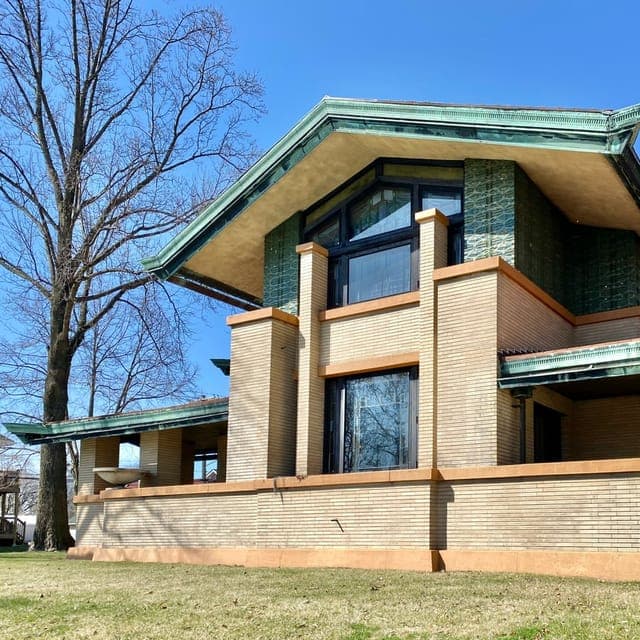
Similar small cities to Peoria
* Values derived from national, state, county, city and local statistics and may differ in a specific area. Last updated: 2026-04-23T09:18:09.000Z
Narrative content on this page is AI-generated and may contain mistakes. Verify any details that matter before acting on them.
ReloMaps may earn a commission from affiliate links at no extra cost to you.

