Photo: Wikipedia
Find The Best Places To Live
in Joliet
PRO TIP! You can paste a Zillow or Redfin link to get info on that property.
What It's Like Living in Joliet, IL
Joliet feels like a blue-collar city that’s quietly reinventing itself without losing its rough edges. You’ll see it in the mix of old brick factories turned into casinos and new riverfront apartments going up next to century-old churches. It’s a place where people work hard—often commuting to Chicago or the suburbs—and spend weekends at a high school football game or a backyard barbecue. The vibe is straightforward, no-nonsense, and a little stubborn, which is exactly why the people who stay here tend to stay for decades.
Daily Rhythm: Work, Commute, and the Weekend Reset
Most Joliet residents don’t work in Joliet. The average commute clocks in at just under 30 minutes, which is shorter than the Chicago average but still means a fair number of people are heading north or east every morning. The big local employers are the state prison, the Amazon fulfillment center, and the Harrah’s casino. If you’re not in logistics or government, you’re likely driving to Naperville, Bolingbrook, or even downtown Chicago for a white-collar job. That commute shapes the day—people leave early, get home around six, and the evening is about dinner, kids’ sports, and catching up on chores.
Weekends are where Joliet shines. The Des Plaines River runs through town, and the Rock Run Preserve and Hammel Woods get heavy use from hikers, bikers, and kayakers. The Joliet Farmers Market on Saturday mornings is a genuine community gathering, not a tourist trap. You’ll see families grabbing tamales and fresh produce, then heading to a youth soccer game at one of the many park district fields. The weather follows the standard Midwest rhythm—hot, humid summers with thunderstorms, and cold winters that can drag from November through March. Snow removal is decent on main roads, but side streets can get messy.
Sports & Community: Friday Night Lights and Minor League Fun
High school sports are a big deal here. Joliet Catholic Academy and Joliet West have fierce football rivalries that pack bleachers on Friday nights. The energy is real—people who graduated thirty years ago still show up. For pro sports, the Joliet Slammers (independent baseball) play at DuPage Medical Group Field, and games are cheap, relaxed, and family-friendly. The Joliet Jackhammers are gone, but the Slammers have kept the minor-league tradition alive. If you’re into hockey, the Joliet Generals (junior league) draw a small but loyal crowd. Sports here aren’t about flash; they’re about community pride and something to do on a Tuesday night.
The city also has a strong racing heritage. The Route 66 Raceway and Chicagoland Speedway are just outside town, and the noise of drag racing and NASCAR events rumbles across the south side on summer weekends. It’s not for everyone, but it’s a defining sound of Joliet summers.
What’s There to Do: Festivals, Bars, and the Riverfront
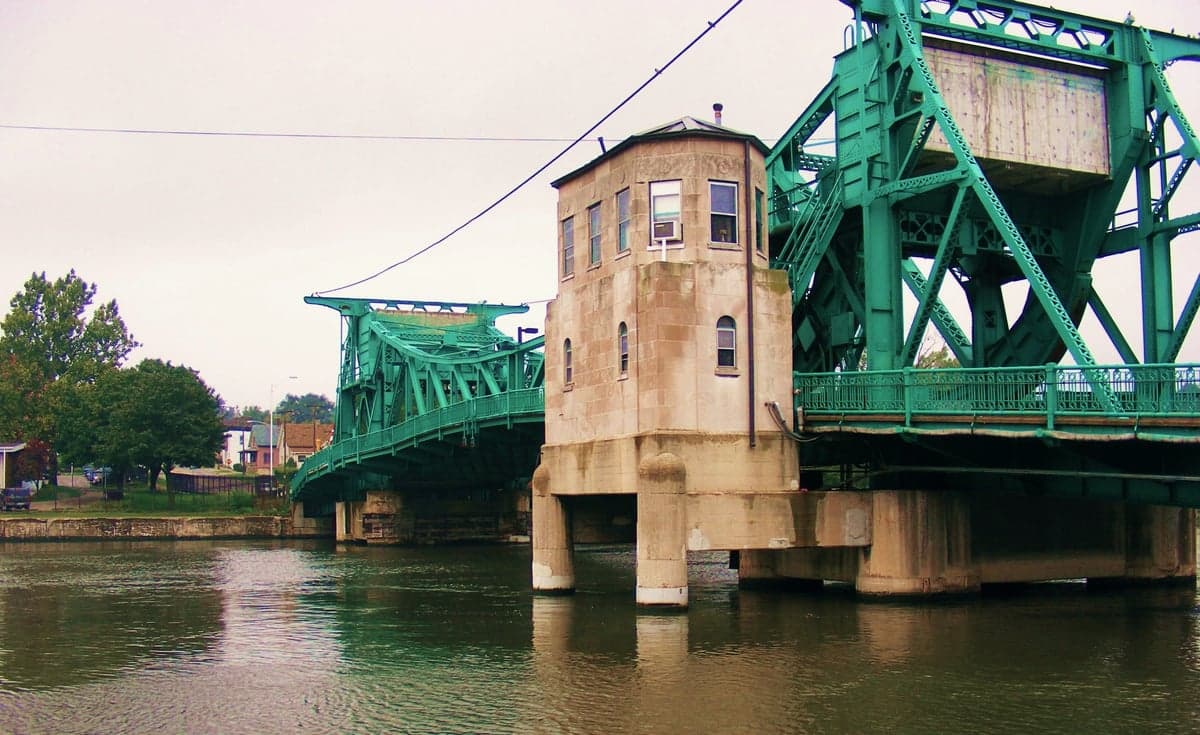
Entertainment is more about local flavor than big-city polish. The Joliet Area Historical Museum is a solid afternoon, and the Rialto Square Theatre is the crown jewel—a gorgeous 1920s vaudeville palace that hosts concerts, comedians, and Broadway tours. The Waterway Festival in summer brings live music and food trucks along the river, and Joliet’s Fourth of July fireworks are genuinely impressive, launched over the river with the old steel bridges as backdrop.
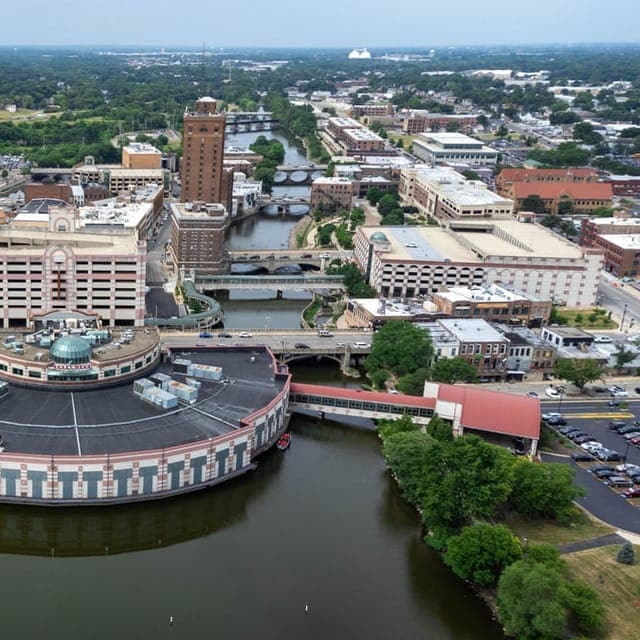
For bars and restaurants, you’ve got a mix of old-school taverns and newer spots. MyGrain Brewing is a popular hangout for craft beer and pub food. Charly’s Place is a dive bar institution where the karaoke is loud and the regulars are protective. Pier 76 offers riverfront dining with a view of the Bicentennial Park. The food scene is heavy on Italian beef, pizza, and Mexican—there’s a strong Hispanic community, and you’ll find excellent taquerias on the east side. Shopping is mostly strip malls and big-box stores; the Louis Joliet Mall is functional but not a destination.
Pros and Cons of Living Here
Let’s be honest about the trade-offs. The cost of living is a major plus—the index sits at 99, right at the national average, and the median home value is $248,600, which is affordable for a metro area of this size. The median household income is $88,026, so many families can actually buy a house here without being house-poor. The population is young (median age 35.3) and growing, which keeps schools and parks active. But the violent crime rate is 342.3 per 100,000, which is above the national average. That number is concentrated in specific neighborhoods, but it’s a real concern for anyone looking at the east side or near downtown. Property crime is more widespread, so smart habits (locked cars, security cameras) are common sense.
- Pros: Affordable housing, strong community feel, good access to outdoor recreation, solid local sports culture, easy drive to Chicago for big-city amenities.
- Cons: Above-average crime in some areas, long commutes for white-collar jobs, limited nightlife beyond bars and casinos, harsh winters, and a school system that’s a mixed bag depending on the district.
Joliet isn’t trying to be Naperville or Oak Park. It’s a working city with a river running through it, a history of industry, and a population that values practicality over pretense. If you want a place where you can buy a house, raise kids, and have a decent backyard without a six-figure salary, it’s worth a serious look. Just know that the grit is part of the deal.

Similar small cities to Joliet
* Values derived from national, state, county, city and local statistics and may differ in a specific area. Last updated: 2026-04-29T23:54:42.000Z
Narrative content on this page is AI-generated and may contain mistakes. Verify any details that matter before acting on them.
ReloMaps may earn a commission from affiliate links at no extra cost to you.

