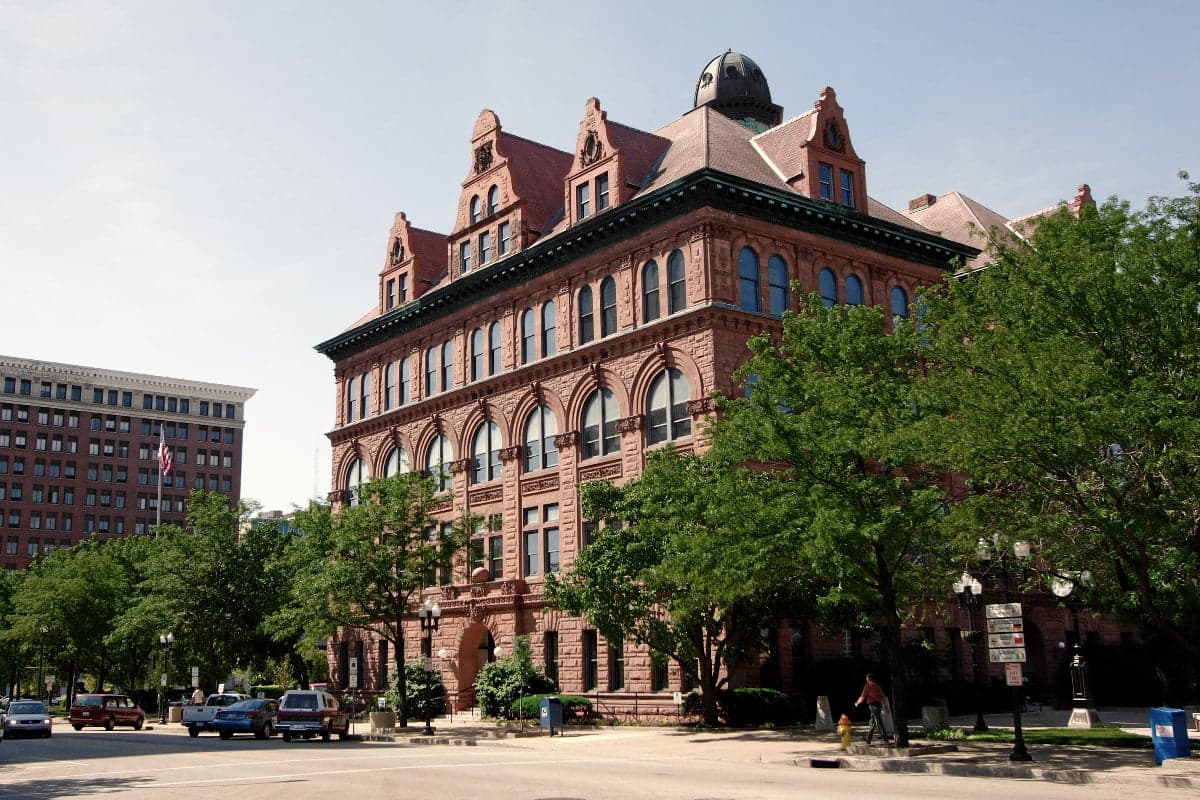
Photo: Wikipedia
Quality of Life in Peoria, IL
A high quality of life with strong walkability, manageable living costs, healthy neighborhood signals, and solid amenity access.
What does Quality of Life tell us?
Quality of Life blends cost of living, nearby amenities, socioeconomic signals, and neighborhood character. City-level scores represent the whole municipality; individual neighborhoods can differ.
What does this tell us?
Quality of Life blends cost of living, nearby amenities, socioeconomic signals, and neighborhood character. City-level scores represent the whole municipality; individual neighborhoods can differ.
Cost of Living
30% below national average
The Real Cost of Living in Peoria, IL for 2026
| Tier | Individual | Family (4) |
|---|---|---|
| Survival | $15k | $29k |
| Comfortable | $29k | $43k |
| Luxury | $106k+ | $164k+ |
| Elite (Top 5%) | $158k+ | $244k+ |
138%
The Area Signal
A metric tracking the socioeconomic signals of the area.
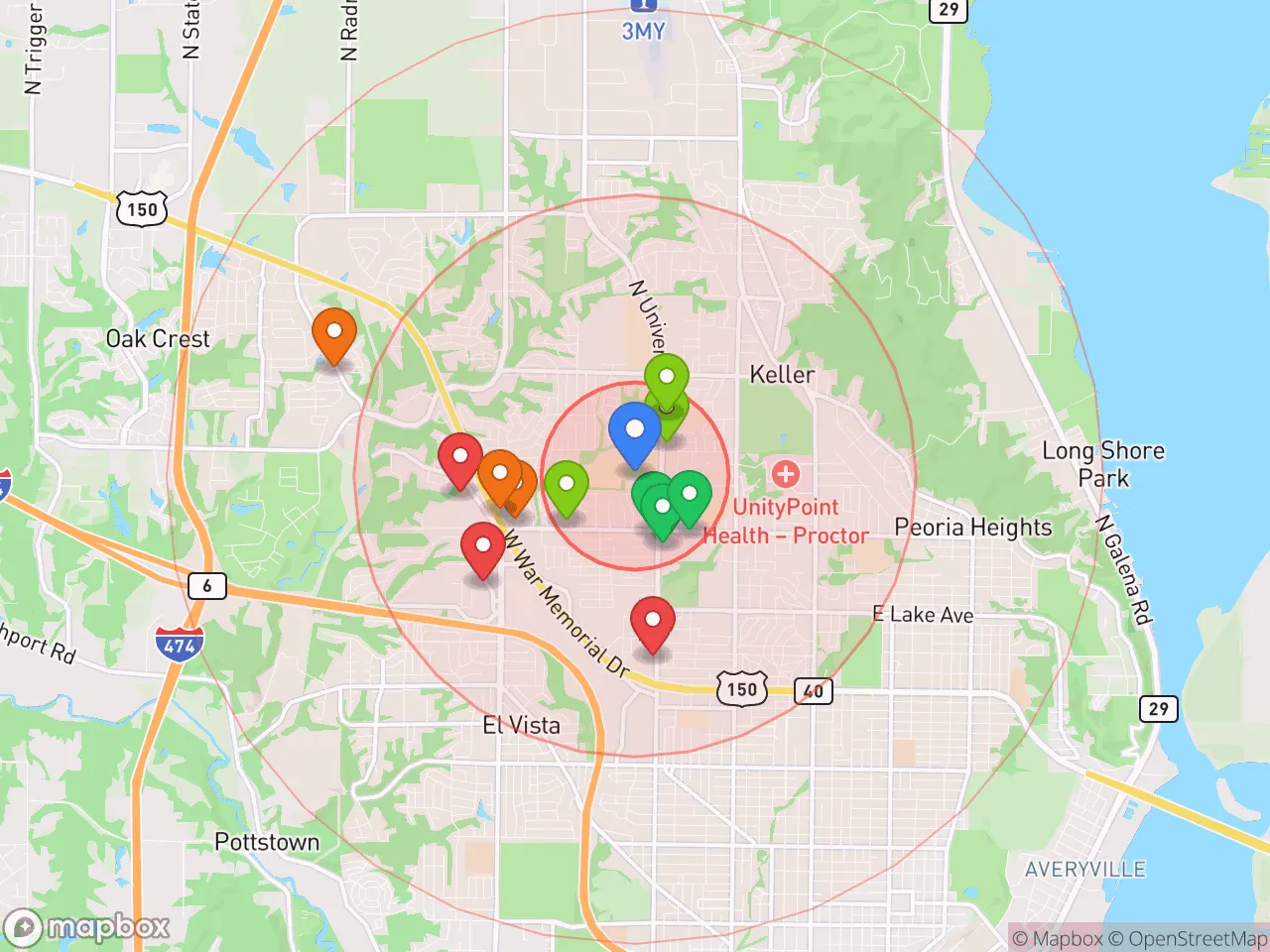
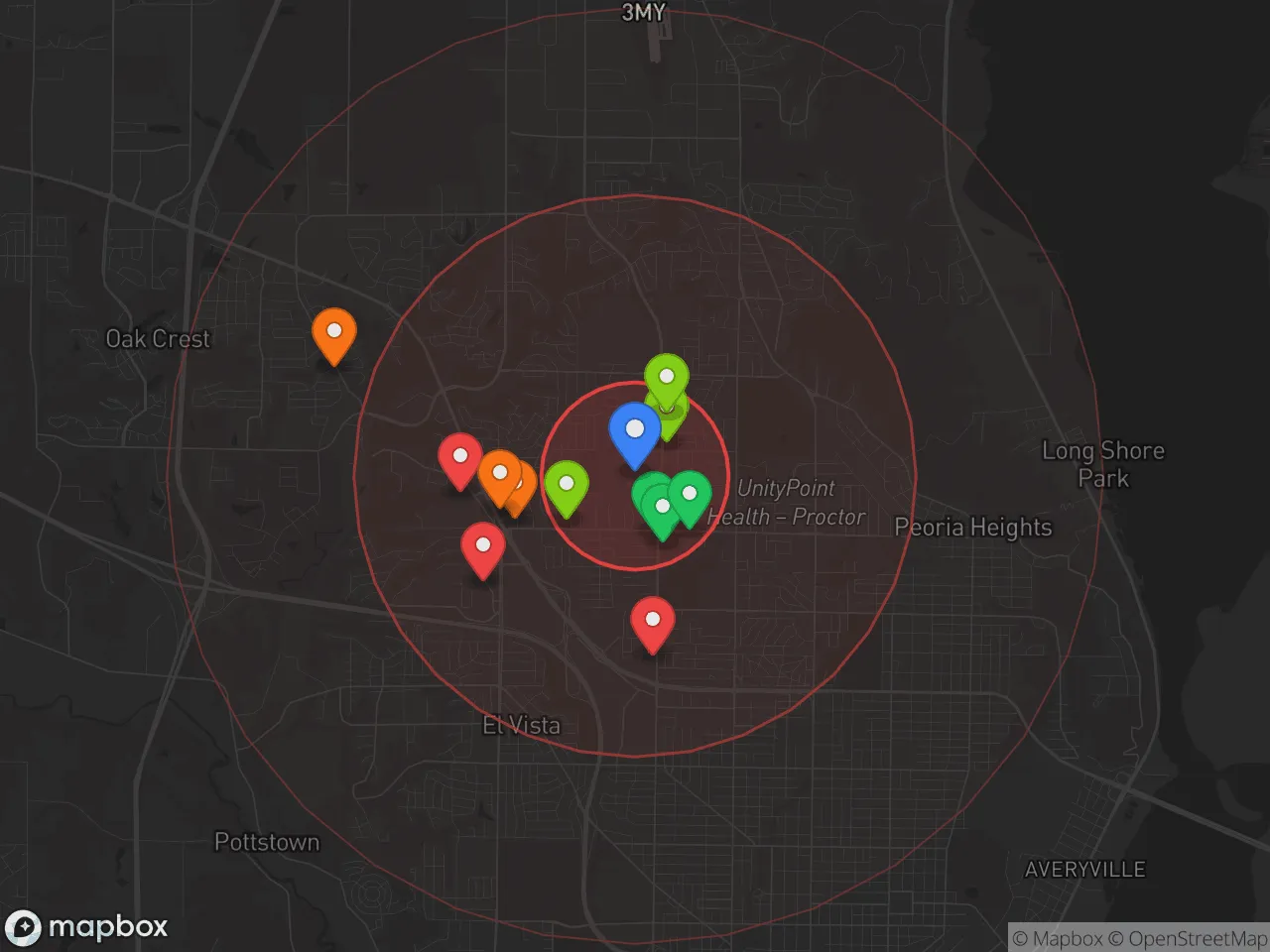
Hobbies
Explore the areaGroceries
6 within 10 miles
Gas
20 within 10 miles
Hospital
7 within 20 miles
Airport
MDW — Midway International
Post Office
USPS — Peoria, IL
Critical Amenities
Quality-of-Life Analysis
Peoria, Illinois, offers a quality of life defined by genuine affordability and a slower pace, attracting a mix of working-class families, retirees on fixed incomes, and young professionals seeking a low-stress entry into homeownership. With a cost of living index of 70—30% below the national average—the city provides a financial cushion that allows residents to prioritize savings, leisure, and community involvement over paycheck-to-paycheck survival. The population skews slightly older and more family-oriented than the national median, with a notable presence of healthcare and manufacturing workers anchored by major employers like OSF HealthCare and Caterpillar Inc.
How housing costs and daily expenses compare to nearby cities
Peoria’s housing market is one of the most accessible in the Midwest, with a median home value of $149,500 and a median rent of $951—figures that are roughly half of what you’d find in Chicago’s suburbs or even in Bloomington-Normal, 40 miles southeast. The cost of living index of 70 means groceries, utilities, and transportation all run well below the U.S. average, making it possible for a single earner making $45,000 annually to afford a mortgage and still have disposable income. The average commute of 17.6 minutes is a standout advantage: it’s shorter than the national average of 26 minutes and far less stressful than the hour-plus drives common in larger Illinois metros. For comparison, a similar home in the Chicago metro would cost roughly $350,000, and rent would exceed $1,600, making Peoria a clear financial haven for those who can work locally or remotely.
Daily life, schools, and local amenities that shape the rhythm
Daily life in Peoria revolves around a mix of riverfront recreation, neighborhood parks, and a modest but functional downtown. The Peoria Riverfront Museum and the Caterpillar Visitors Center provide cultural anchors, while the Peoria Park District maintains over 9,000 acres of green space, including the popular Grand View Drive. For families, the public school system is a mixed bag: Dunlap Valley Middle School and Washington Gifted School consistently rank among the state’s top performers, but Peoria Public Schools District 150 faces challenges with funding and test scores, leading many families to consider private or charter options like the Peoria Academy. The rhythm is unhurried—weekends often involve farmers’ markets, minor league baseball at Dozer Park, or a short drive to the scenic bluffs of the Illinois River Valley. Dining leans toward hearty Midwestern fare, with local staples like the Blue Duck Barbecue Tavern and the Thyme Kitchen offering reliable options.
Peoria is best suited for those who value financial breathing room over urban excitement. Retirees, remote workers, and young families who can secure jobs in healthcare, manufacturing, or education will find a stable, low-cost base with decent schools in select neighborhoods and genuine community spirit. Those seeking vibrant nightlife, rapid career advancement, or top-tier public transit should look elsewhere—but for anyone prioritizing a short commute, affordable homeownership, and a slower, neighborly pace, Peoria delivers a quality of life that punches well above its price tag.

Crime in Peoria, IL
Significantly higher crime rates than 87% of comparable U.S. locations.
Violent CrimeViolent Crime Analysis
Property CrimeProperty Crime Analysis
Crime Analysis
Peoria, Illinois, faces a serious public safety challenge, with violent and property crime rates that significantly exceed both state and national averages, a situation compounded by the progressive criminal justice policies prevalent in the metro area. The city’s overall crime rate is roughly double the U.S. average, making it one of the more dangerous mid-sized cities in the Midwest. For anyone considering a move to Peoria, understanding the specific risks and the local justice system’s approach is critical for making an informed decision.
Crime in context
Peoria’s violent crime rate stands at 1,249.7 incidents per 100,000 residents, which is more than three times the national average of roughly 380 per 100,000. The property crime rate is 3,966.3 per 100,000, compared to the U.S. average of about 1,950 per 100,000. These figures place Peoria well above the Illinois state average for both categories. The high violent crime rate is particularly concerning, driven largely by aggravated assaults and, to a lesser extent, robberies. Property crime, including theft and burglary, is also a persistent issue, affecting both residential and commercial areas. The broader Peoria metropolitan area, which includes smaller communities like East Peoria and Pekin, shows lower crime rates, but the city core remains a statistical outlier.
What residents experience
Residents report that safety concerns are a daily reality, particularly in the city’s central and south-side neighborhoods. The prevalence of property crime means that vehicle break-ins, package theft, and home burglaries are common occurrences. Violent crime, while more concentrated, creates a climate of caution, especially after dark. A major contributing factor is the local justice system’s progressive orientation. Peoria County has elected officials and judges who often prioritize diversion programs and reduced sentencing for non-violent and even some violent offenders. While intended to reduce incarceration, this approach has been criticized for putting repeat offenders back on the street quickly, undermining deterrence and victim confidence. The result is a cycle where high crime rates persist, and residents feel the justice system does not adequately protect them.
Neighborhood-level variation
Safety in Peoria is not uniform. The far north side, including neighborhoods like North Peoria and the area near the Shoppes at Grand Prairie, experiences significantly lower crime rates, often comparable to safer suburbs. In contrast, the South Side and parts of the Central City see the highest concentrations of violent crime and property offenses. The West Bluff area, near Bradley University, has moderate crime but benefits from campus security patrols. For newcomers, choosing a neighborhood is the single most important safety decision. Areas with higher home values and stronger homeowners’ associations tend to have better outcomes, while rental-heavy districts near the city core require more vigilance. Ultimately, Peoria demands a cautious, informed approach to daily life, with a clear understanding that the local justice system’s leniency directly impacts public safety.
* Values derived from national, state, county, city and local statistics and may differ in a specific area. Last updated: 2026-04-23T09:18:09.000Z
Narrative content on this page is AI-generated and may contain mistakes. Verify any details that matter before acting on them.
ReloMaps may earn a commission from affiliate links at no extra cost to you.

