 Popular
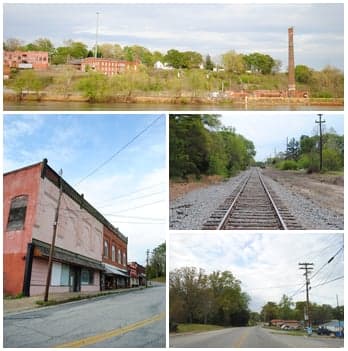
Photo: Wikipedia
Quality of Life in Piedmont, SC
A high quality of life with strong walkability, manageable living costs, healthy neighborhood signals, and solid amenity access.
What does Quality of Life tell us?
Quality of Life blends cost of living, nearby amenities, socioeconomic signals, and neighborhood character. City-level scores represent the whole municipality; individual neighborhoods can differ.
What does this tell us?
Quality of Life blends cost of living, nearby amenities, socioeconomic signals, and neighborhood character. City-level scores represent the whole municipality; individual neighborhoods can differ.
Cost of Living
36% below national average
The Real Cost of Living in Piedmont, SC for 2026
| Tier | Individual | Family (4) |
|---|---|---|
| Survival | $13k | $25k |
| Comfortable | $27k | $40k |
| Luxury | $94k+ | $145k+ |
| Elite (Top 5%) | $190k+ | $295k+ |
129%
The Area Signal
A metric tracking the socioeconomic signals of the area.
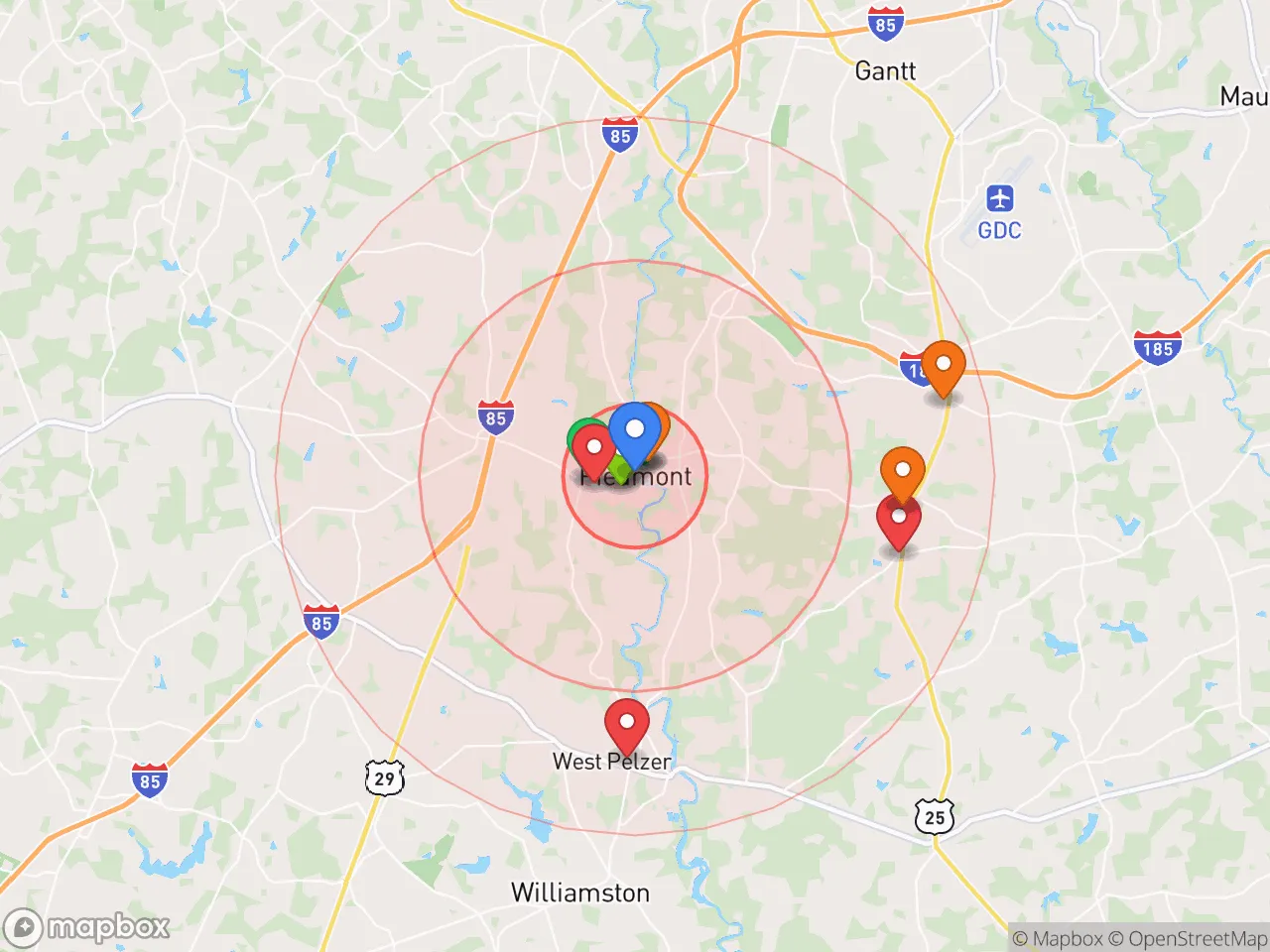
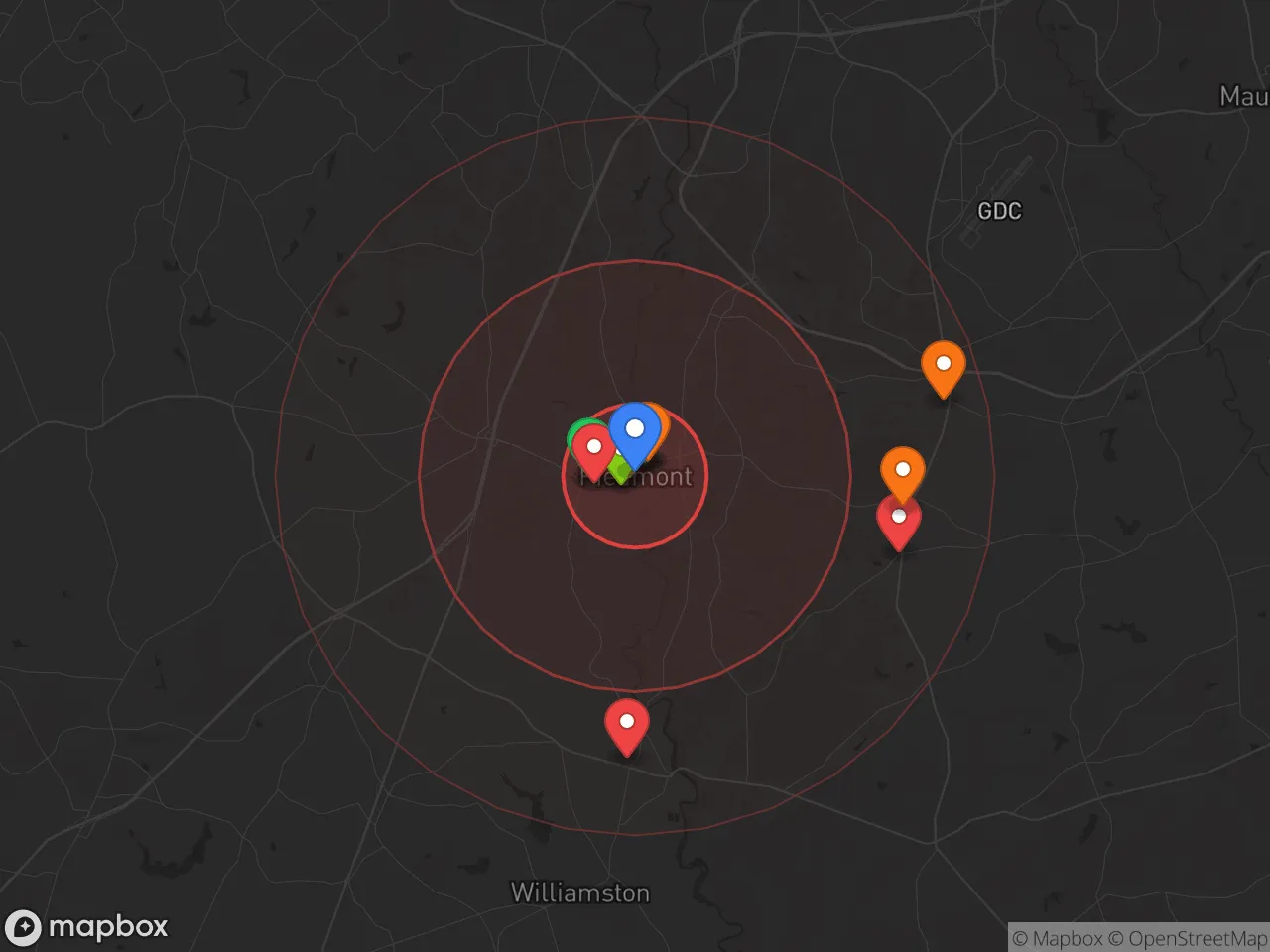
Hobbies
Explore the areaGroceries
0 within 10 miles
Gas
0 within 10 miles
Hospital
0 within 20 miles
Airport
CLT — Charlotte Douglas International
Post Office
Critical Amenities
Quality-of-Life Analysis
Piedmont, South Carolina, presents a distinctive quality-of-life profile defined by its small-town character and notably low cost of living, attracting a mix of families, retirees, and commuters who work in nearby Greenville. With a cost-of-living index of 64—36 percent below the national average—the area offers significant financial breathing room compared to the rapidly appreciating Upstate region. The population skews toward those seeking a quieter, more affordable base without sacrificing access to a major metro area’s employment and cultural amenities.
Cost of living, housing, and affordability compared to Greenville and Anderson
Piedmont’s housing market is a primary draw, with a median home value of $141,200 and a median rent of $844, both dramatically lower than Greenville’s medians (roughly $320,000 and $1,400, respectively). This affordability gap means a typical mortgage payment in Piedmont can be half of what a renter pays in downtown Greenville. The trade-off is a longer average commute of 26.1 minutes, which aligns with the regional average but is noticeably higher than the 18-minute national norm, as many residents drive north on US-25 or I-185 for work. Property taxes in Anderson County remain among the lowest in the state, further stretching household budgets. While home values have risen roughly 40% since 2020, Piedmont still offers entry-level prices that are increasingly rare within a 30-minute radius of Greenville’s job centers.
Amenities, schools, and what daily life is like for families
Daily life in Piedmont centers on a handful of local anchors: the Piedmont Town Hall, the historic post office, and the nearby Saluda River, which provides fishing and kayaking access at Piedmont Public Fishing Area. The area lacks a traditional downtown strip, so most errands require a short drive to Powdersville or Easley. Public schools are served by Anderson School District One, which consistently earns “Good” ratings from GreatSchools for its elementary and middle schools, though high school options are more limited. For recreation, residents rely on the 1,200-acre Lake Hartwell for boating and the Swamp Rabbit Trail extension that connects to Greenville County. Dining options are sparse—mostly fast-food chains and a few local diners—but Greenville’s restaurant scene is a 20-minute drive. The rhythm is quiet and residential, with community events like the Piedmont Christmas Parade and seasonal farmers markets at nearby Powdersville.
Piedmont is best suited for buyers and renters who prioritize affordability and space over walkability and urban energy. Families with young children benefit from the low cost of housing and decent schools, while remote workers or retirees can leverage the low taxes and proximity to Greenville’s healthcare and shopping. Commuters should be comfortable with a 25- to 30-minute drive each way. Those seeking nightlife, dense amenities, or a vibrant downtown will find Piedmont too quiet, but for anyone wanting to stretch a dollar in a safe, low-key setting within striking distance of a growing metro, it remains one of the Upstate’s most practical options.

Crime in Piedmont, SC
Crime rates similar to the national median for U.S. locations.
Violent CrimeViolent Crime Analysis
Property CrimeProperty Crime Analysis
Crime Analysis
Piedmont, South Carolina, presents a mixed safety profile for prospective residents. The town's violent crime rate of 375.2 incidents per 100,000 people is notably higher than the national average, while its property crime rate of 1,649.6 per 100,000 sits closer to but still above the national benchmark. These figures place Piedmont in a cautionary position for those prioritizing safety in their relocation decision, particularly given its proximity to the larger Greenville metro area.
Crime in context
When compared to state and national averages, Piedmont's violent crime rate is approximately 7% higher than the national average and significantly above the South Carolina state average. The property crime rate, while less alarming, still exceeds the national figure by roughly 10%. These numbers reflect a community that, while not among the most dangerous in the Upstate region, requires careful consideration. The broader Greenville metro area, which includes Piedmont, has seen crime trends influenced by rapid population growth and the associated challenges of suburban expansion. It is important to note that South Carolina's judicial landscape, particularly in more populous counties like Greenville, has seen shifts toward progressive prosecution policies in recent years. Such approaches, while well-intentioned, can result in reduced incarceration rates and shorter sentences, potentially contributing to higher recidivism and more offenders remaining on the street. This dynamic is a legitimate concern for residents who prioritize public safety and victim justice.
What residents experience
Daily life in Piedmont involves a tangible awareness of property crime, which makes up the bulk of reported incidents. Theft, burglary, and vehicle break-ins are the most common offenses residents encounter. Violent crime, while less frequent, is a serious concern, with aggravated assault being the most reported category. The town's small size means that crime incidents can feel more personal and impactful than in a larger city where they might be anonymized. Residents often rely on neighborhood watch programs and community policing efforts to maintain a sense of security. The presence of progressive judicial philosophies in the region's courtrooms means that offenders may face lighter consequences, which can erode trust in the justice system and leave victims feeling underserved.
Neighborhood-level variation in Piedmont is notable. Areas closer to the downtown core and along major thoroughfares like US-25 tend to report higher instances of property crime, likely due to increased traffic and commercial activity. More established residential subdivisions on the town's outskirts, particularly those with active homeowners associations and private security measures, generally experience lower crime rates. Prospective residents should research specific blocks and consult local police department crime maps, as safety can vary significantly even within a few streets. The town's proximity to Greenville also means that some crime is spillover from the larger metro area, a factor that is unlikely to diminish without broader systemic changes in the region's approach to criminal justice.
* Values derived from national, state, county, city and local statistics and may differ in a specific area. Last updated: 2026-10-10T16:28:41.000Z
Narrative content on this page is AI-generated and may contain mistakes. Verify any details that matter before acting on them.
ReloMaps may earn a commission from affiliate links at no extra cost to you.

