 Popular
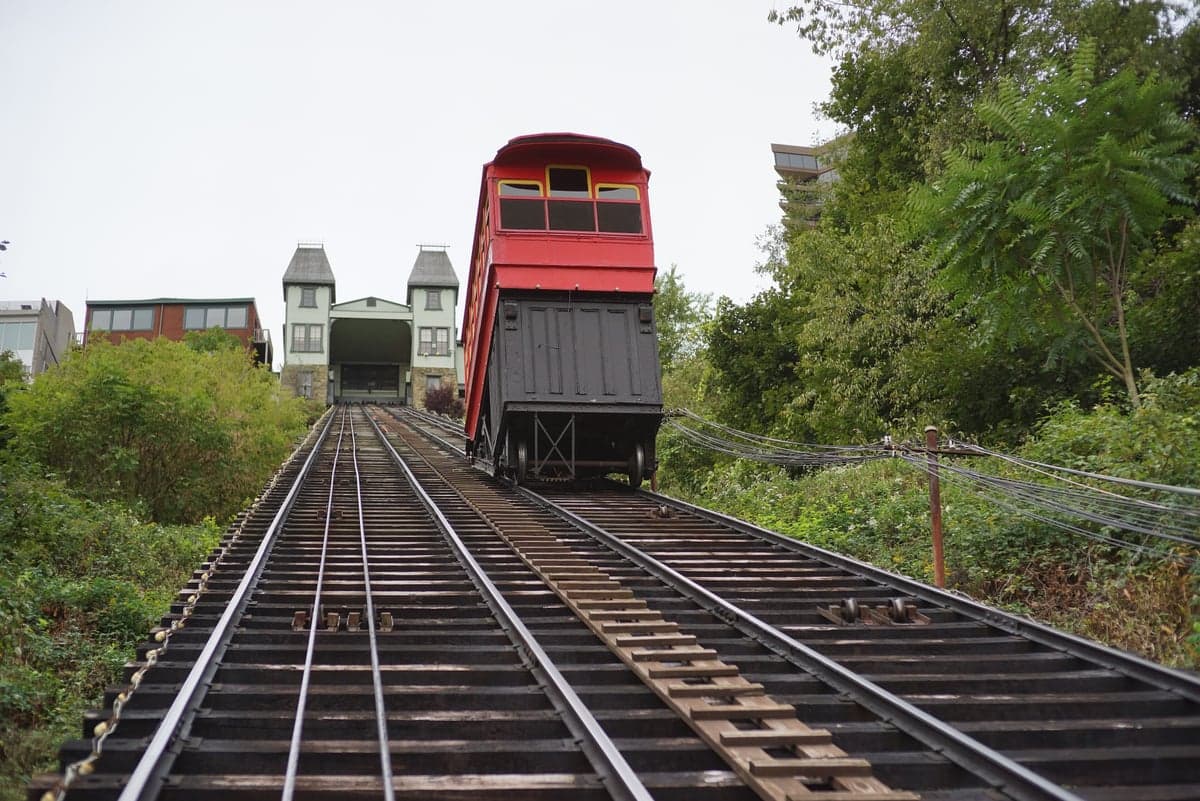
Photo: Wikipedia
Quality of Life in Pittsburgh, PA
Above-average quality of iife. The area offers a reasonable cost of living, decent mobility, and a mix of neighborhood amenities.
What does Quality of Life tell us?
Quality of Life blends cost of living, nearby amenities, socioeconomic signals, and neighborhood character. City-level scores represent the whole municipality; individual neighborhoods can differ.
What does this tell us?
Quality of Life blends cost of living, nearby amenities, socioeconomic signals, and neighborhood character. City-level scores represent the whole municipality; individual neighborhoods can differ.
Cost of Living
10% below national average
The Real Cost of Living in Pittsburgh, PA for 2026
| Tier | Individual | Family (4) |
|---|---|---|
| Survival | $19k | $37k |
| Comfortable | $38k | $55k |
| Luxury | $116k+ | $180k+ |
| Elite (Top 5%) | $163k+ | $252k+ |
116%
The Area Signal
A metric tracking the socioeconomic signals of the area.
Hobbies
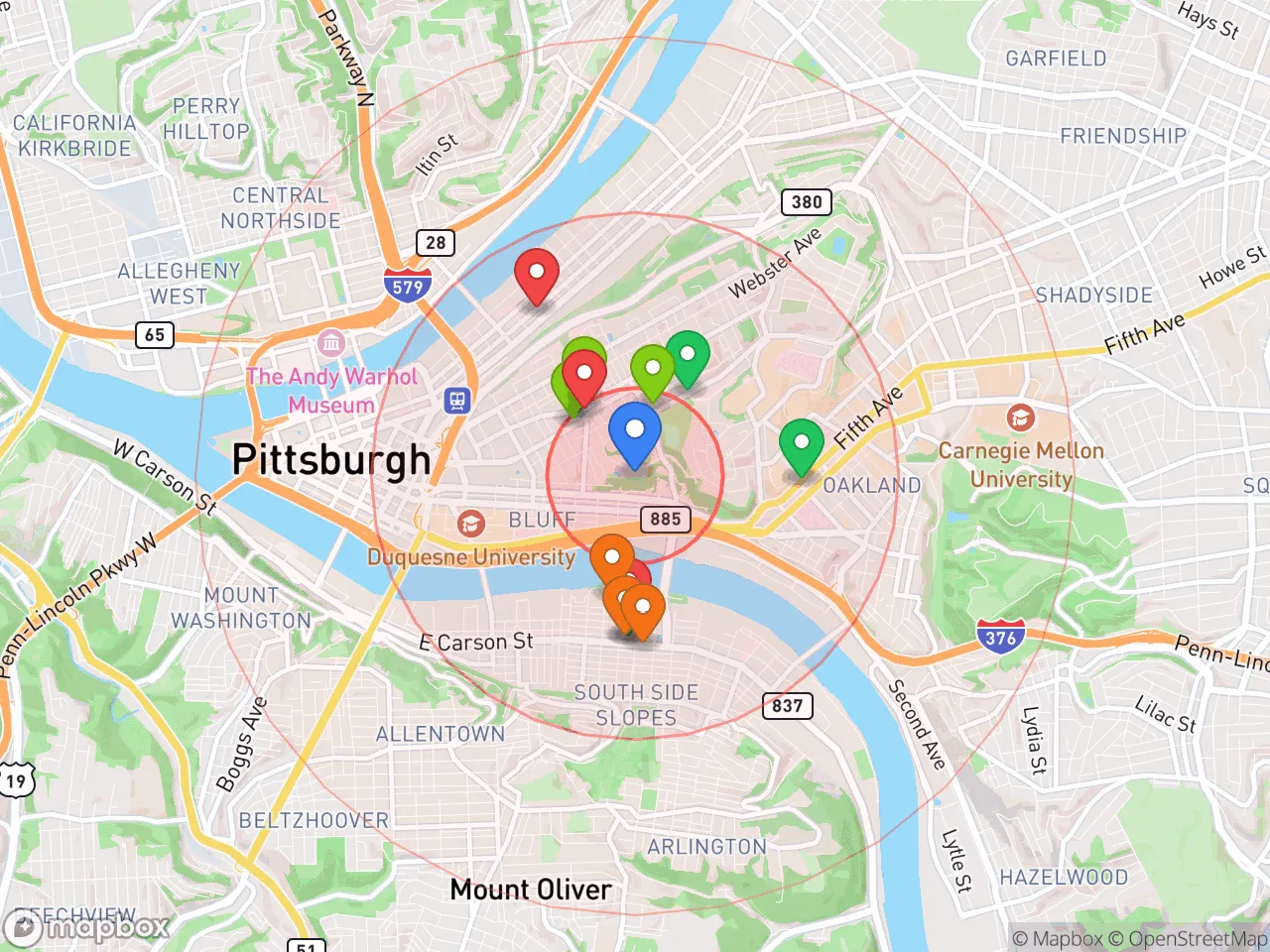
Explore the areaGroceries
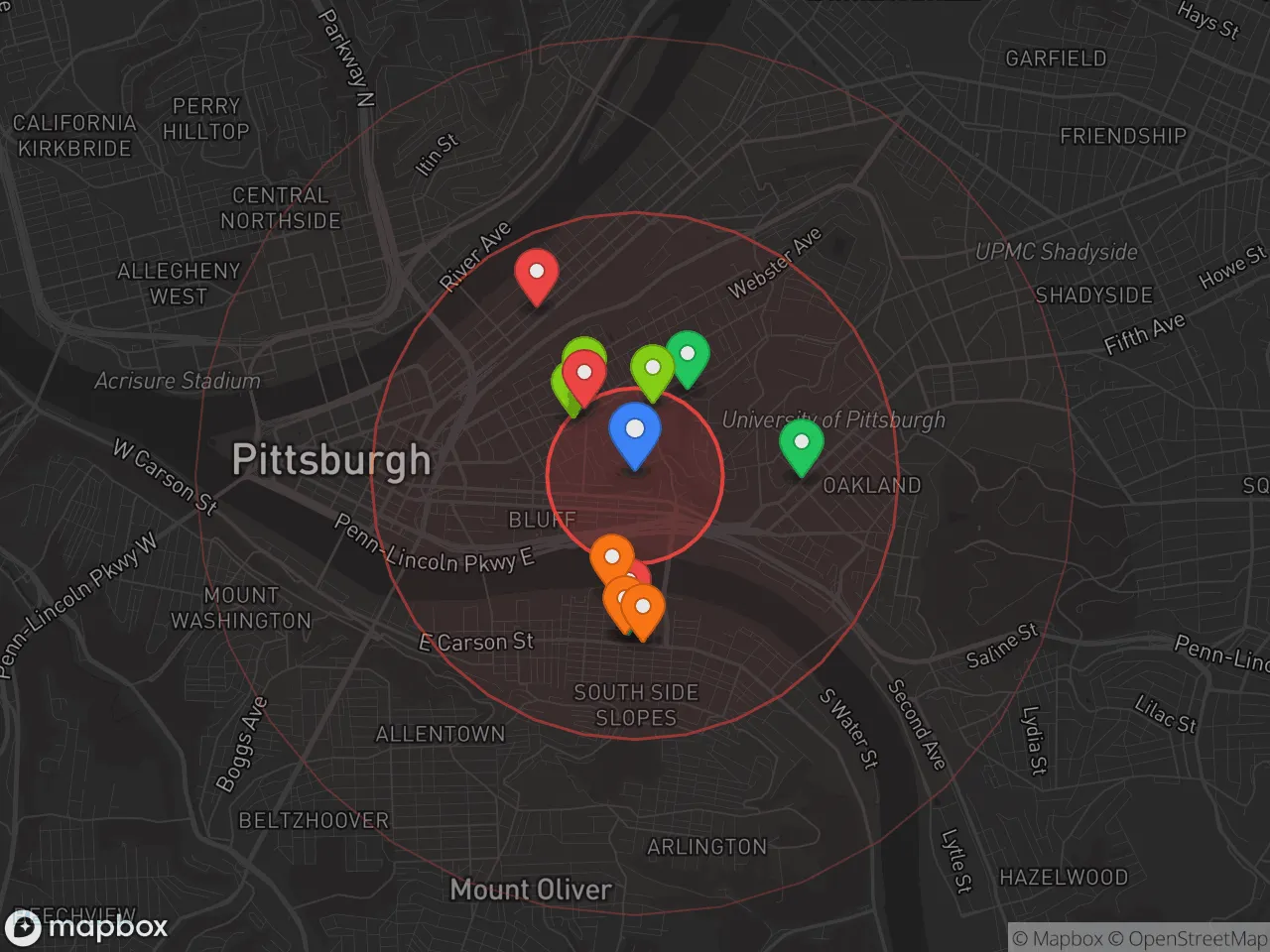
4 within 10 miles
Gas
20 within 10 miles
Hospital
20 within 20 miles
Airport
Pittsburgh International Airport
Post Office
USPS — Pittsburgh, PA
Critical Amenities
Quality-of-Life Analysis
Pittsburgh offers a quality of life that blends Rust Belt resilience with modern urban reinvention, attracting a mix of longtime working-class families, recent college graduates from its 40+ universities, and professionals in healthcare and tech. The city’s cost of living is notably lower than the national average, with a composite index of 90 (where 100 equals the U.S. average), making it one of the more affordable major metros in the Northeast. This affordability, combined with a strong sense of neighborhood identity and a growing job market, creates a distinctive living environment that appeals to those seeking value without sacrificing urban amenities.
How Pittsburgh’s cost of living and housing compare to nearby cities
Pittsburgh’s housing market is a standout advantage for residents. The median home value sits at $193,200, roughly half the national median of around $400,000, while the median rent is $1,221 per month. This makes homeownership far more accessible than in peer cities like Philadelphia (median home value ~$250,000) or Washington, D.C. (~$650,000). Even within Pennsylvania, Pittsburgh is cheaper than the state capital Harrisburg and significantly more affordable than the Philadelphia suburbs. The average commute time of 23.1 minutes is well under the national average of 26.4 minutes, meaning residents spend less time in traffic and more time in their neighborhoods. However, property taxes in Allegheny County can be relatively high (often 2-3% of assessed value), which offsets some of the housing savings. Overall, the low barrier to entry for buying a home and the short commute make Pittsburgh a practical choice for first-time buyers and remote workers seeking a lower cost of living.
What daily life is like for families and professionals in Pittsburgh
Daily life in Pittsburgh is shaped by its 90 distinct neighborhoods, each with its own character—from the hipster cafes of Lawrenceville to the family-friendly parks of Squirrel Hill. The city’s school system, Pittsburgh Public Schools, serves about 20,000 students and includes magnet programs like Pittsburgh CAPA (creative and performing arts) and Pittsburgh Science and Technology Academy, though many families opt for suburban districts such as Mt. Lebanon or Upper St. Clair, which consistently rank among Pennsylvania’s best. Amenities are abundant: the Carnegie Museums of Art and Natural History, the Pittsburgh Zoo & PPG Aquarium, and over 4,000 acres of parkland (including Frick Park and Schenley Park) provide year-round recreation. The city’s food scene has evolved beyond pierogies and Primanti Brothers sandwiches, with James Beard-recognized restaurants like Superior Motors and a thriving craft brewery culture. Sports remain a central part of the rhythm—Penguins hockey, Steelers football, and Pirates baseball games at PNC Park draw crowds that fill the city’s bridges and tunnels on game days. For professionals, the job market is anchored by healthcare (UPMC and Allegheny Health Network employ over 100,000 combined) and tech (Google, Uber, and Duolingo have offices), though the overall economy has been slower to diversify than some Sun Belt peers.
Pittsburgh is best suited for people who value affordability, a strong sense of community, and four distinct seasons—including snowy winters—over fast-paced, high-cost urban living. Young professionals and families who prioritize homeownership and short commutes will find the city especially attractive, as will retirees seeking a lower cost of living without sacrificing cultural amenities. Those who thrive here tend to embrace the city’s blue-collar roots, its walkable neighborhoods, and its slower, more neighborly pace. However, individuals seeking a booming job market in fields like finance or entertainment, or those who prefer warm weather year-round, may find Pittsburgh’s climate and economic growth rate less appealing. For the right person, the city offers a rare combination of urban energy and genuine affordability.

Crime in Pittsburgh, PA
WARNING: The crime statistics are unreliable for this jurisdiction. Local authorities have either not reported or under reported their data to the FBI. This could be due to bad intentions, incompetence or technical issues. Regardless, we suggest skepticism.
Significantly higher crime rates than 79% of comparable U.S. locations.
Violent CrimeViolent Crime Analysis
Property CrimeProperty Crime Analysis
Crime Analysis
Pittsburgh's overall crime picture is mixed, with a violent crime rate of 472.3 incidents per 100,000 residents that is notably higher than both the Pennsylvania state average and the national median for cities of its size. The property crime rate stands at 2,354.7 per 100,000, placing it in a moderate range compared to other large metro areas in the Northeast. However, the city's public safety environment is increasingly shaped by the progressive policies of its elected officials and judicial system, which prioritize rehabilitation and decarceration over traditional law enforcement approaches.
Crime in context
Pittsburgh's violent crime rate is roughly 20% higher than the national average for cities with populations over 300,000, while its property crime rate is slightly below the national median for similar-sized jurisdictions. When compared to other Pennsylvania cities, Pittsburgh's violent crime rate is lower than Philadelphia's (approximately 600 per 100K) but significantly higher than suburban communities like Mt. Lebanon or Cranberry Township, which report rates below 100 per 100K. The city's homicide count has fluctuated between 40 and 55 annually since 2020, a figure that local law enforcement attributes partly to repeat offenders cycling through a justice system that has embraced progressive prosecution. Allegheny County District Attorney Stephen Zappala, while not as far-left as counterparts in Philadelphia or San Francisco, has faced criticism for policies that reduce cash bail and divert felony cases to alternative programs, outcomes that critics argue embolden chronic offenders.
What residents experience
For daily life in Pittsburgh, the practical impact of these crime statistics varies sharply by neighborhood and time of day. Property crime—particularly vehicle break-ins and package theft—is the most common concern, concentrated in areas with high foot traffic like Oakland (near the universities), the South Side Flats entertainment district, and parts of Shadyside. Violent crime, including aggravated assault and robbery, is heavily concentrated in a handful of historically disadvantaged neighborhoods such as Homewood, Wilkinsburg, and parts of the Hill District. Residents in these areas report feeling unsafe walking alone after dark, a sentiment reinforced by the city's clearance rate for violent crimes hovering around 45%, meaning more than half of such offenses go unsolved. The progressive judicial philosophy in Allegheny County, which emphasizes treatment over incarceration for drug-related offenses, has led to a revolving door for individuals arrested multiple times for theft or low-level assault, directly undermining the sense of public safety for law-abiding residents.
Neighborhood-level variation is extreme. In affluent, well-policed areas like Squirrel Hill or Lawrenceville, violent crime is virtually nonexistent, and residents' primary safety concern is bicycle theft or occasional vandalism. In contrast, the city's most distressed neighborhoods experience violent crime rates exceeding 1,200 per 100,000, more than double the citywide average. This geographic disparity means that a family's safety experience in Pittsburgh depends almost entirely on which block they choose to live on, with the city's progressive justice policies offering little protection to those in high-crime zones.
* Values derived from national, state, county, city and local statistics and may differ in a specific area. Last updated: 2026-05-01T20:26:10.000Z
Narrative content on this page is AI-generated and may contain mistakes. Verify any details that matter before acting on them.
ReloMaps may earn a commission from affiliate links at no extra cost to you.

