 Popular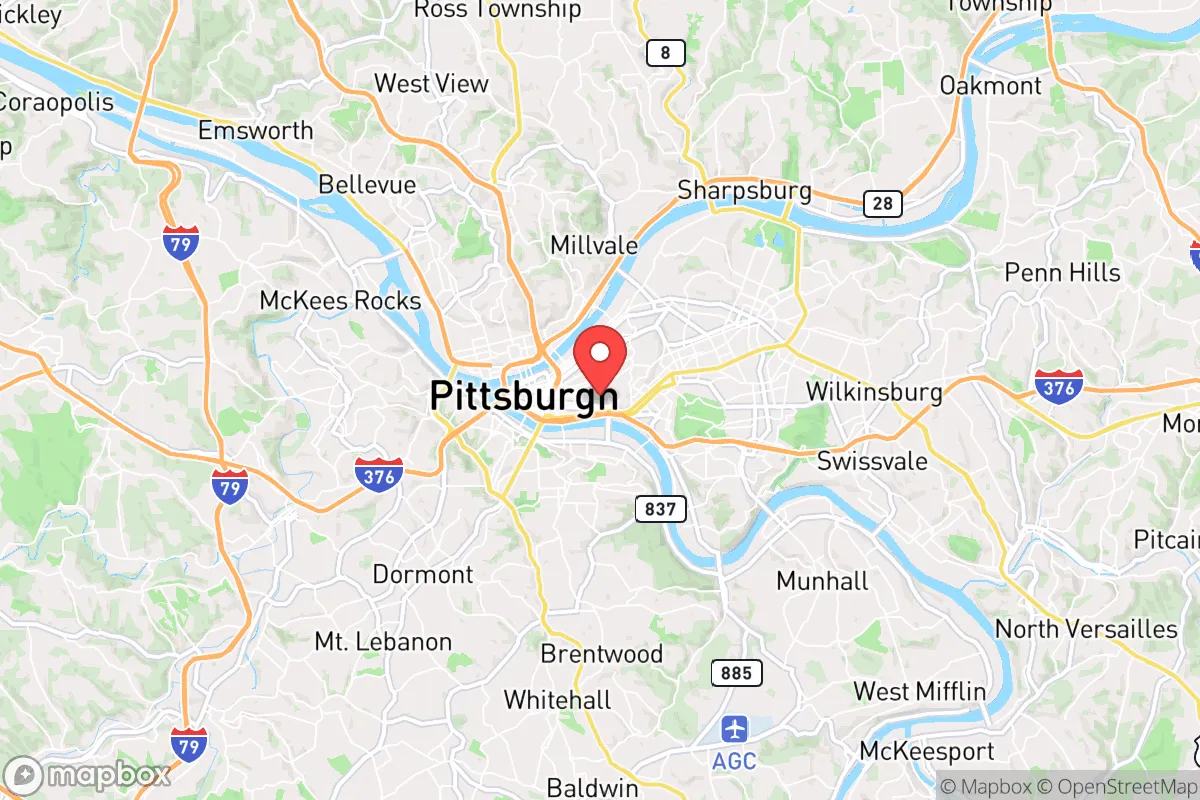
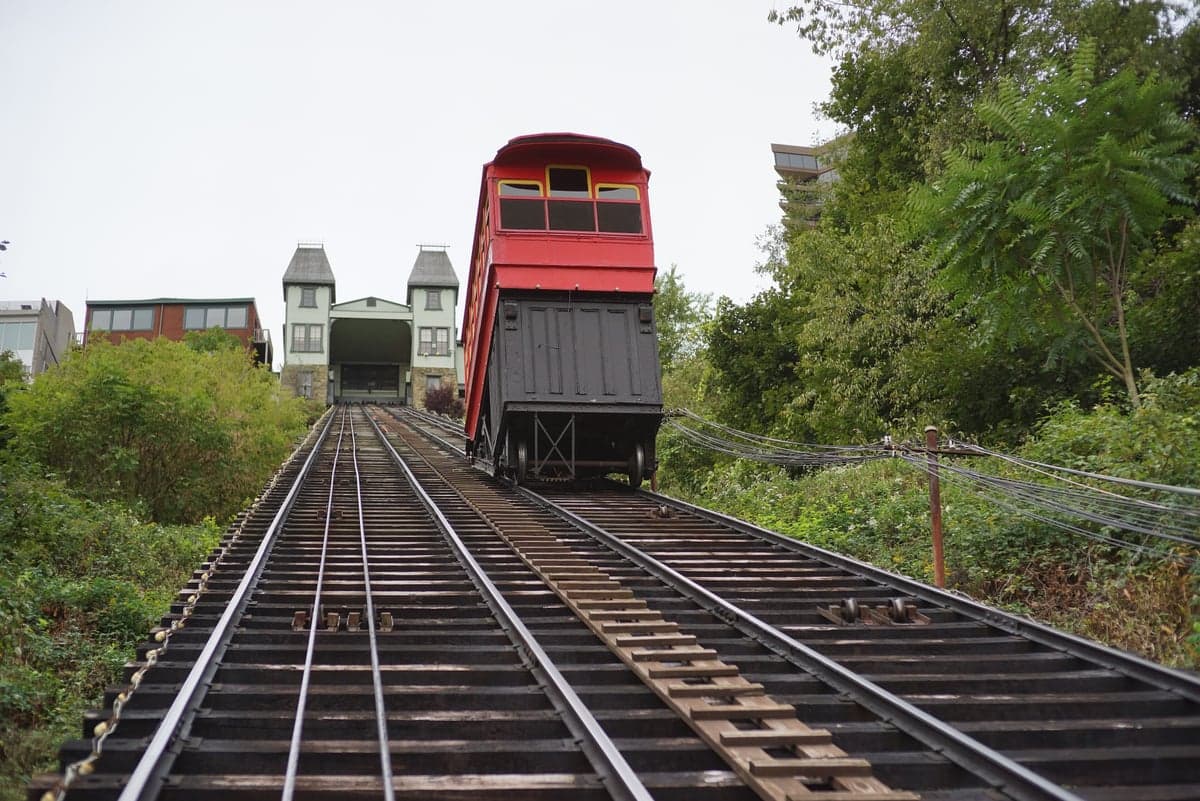
Photo: Wikipedia
Political ClimatePolitical Climate in Pittsburgh, PA
District shown is the primary district for this city’s centroid. Cities may span multiple districts.
Local Political AnalysisPolitical Analysis of Pittsburgh, PA
Pittsburgh has a Cook PVI of D+10, meaning it leans heavily Democratic, but that number doesn't tell the whole story of a city that was once a working-class, union-stronghold with a more moderate, blue-collar Democratic flavor. Over the last decade, the political climate has shifted noticeably toward progressive activism, especially in the city proper, while the surrounding suburbs and rural areas—like Washington County to the south or Butler County to the north—remain reliably conservative. If you've been here a while, you've seen the change: the old-school, "let's fix the potholes and keep the mills open" Democrats are being replaced by a younger, more ideological crowd that's pushing policies that feel less about local needs and more about national agendas.
How it compares
Drive 20 minutes outside downtown, and you're in a different world. Places like Bethel Park or Upper St. Clair in the South Hills still vote reliably Republican, and towns like Canonsburg or Murrysville lean red by wide margins. The contrast is stark: inside the city limits, you'll see "Defund the Police" signs in some neighborhoods, while just over the county line, folks are flying "Don't Tread on Me" flags. The D+10 rating for Pittsburgh proper masks the fact that Allegheny County as a whole is only D+7, and the surrounding counties—Westmoreland, Beaver, and Washington—are solidly R+15 or more. This isn't a monolithic region; it's a patchwork where your ZIP code determines whether you feel like your voice matters in local elections.
What this means for residents
For a conservative-leaning resident, the biggest concern is government overreach into everyday life. The city council has passed ordinances that feel more like social experiments than practical governance—think strict rental inspection regimes, plastic bag bans, and a push for "sanctuary city" policies that ignore federal immigration law. Property taxes have crept up to fund programs that many residents never voted for, like expanded public art initiatives and diversity equity training for city employees. Meanwhile, the school board in Pittsburgh Public Schools has debated curriculum changes that prioritize critical race theory over basic math and reading skills. If you value personal freedoms—like the right to choose your own healthcare, keep your own money, or send your kid to a school that teaches facts—the city's trajectory is worrying. The long-term trend suggests more regulations, higher taxes, and a cultural shift that leaves traditional values behind.
On a cultural level, Pittsburgh still has a strong sense of community—people are friendly, the sports teams unite everyone, and the cost of living is reasonable compared to the coasts. But the policy distinctions are real. The city has embraced progressive zoning changes that allow high-density development without parking requirements, which some see as a win for urbanists but others view as a loss of neighborhood character. The push for green energy mandates has made it harder for small contractors to compete, and the city's gun control ordinances go beyond state law, creating confusion for law-abiding gun owners. If you're thinking of moving here, know that the city itself is trending left fast, but the surrounding areas offer a more balanced, liberty-minded alternative. Just be prepared for the culture clash—it's real, and it's only getting sharper.

State Political ClimatePolitical Climate in Pennsylvania
State Political AnalysisPolitical Environment in the State
Pennsylvania is a classic purple state that has been drifting leftward over the past two decades, though it still retains a strong conservative undercurrent in its vast rural and exurban regions. The state’s 19 electoral votes have gone Democratic in every presidential election since 1992 except 2016 and 2004, but the margins are razor-thin—Biden won by just 1.2 points in 2020, and Trump carried it by 0.7 in 2016. The real story is the slow demographic bleed: the Philadelphia suburbs and Pittsburgh’s Allegheny County are becoming bluer, while the rural T and the northern tier hold firm but lose population. For a conservative looking to relocate, the state offers a mixed bag—low property taxes in many counties, but a growing regulatory and cultural squeeze from the urban centers.
Urban vs. rural divide
The political map of Pennsylvania is a tale of two states. The southeastern corner, anchored by Philadelphia and its collar counties—Bucks, Montgomery, Delaware, and Chester—is the engine of Democratic power. These four counties alone delivered over 700,000 votes for Biden in 2020, more than the entire margin of victory. Meanwhile, the western half of the state, led by Pittsburgh’s Allegheny County, is also reliably blue, though Allegheny itself has shifted left as the city’s tech and healthcare sectors grow. The rural “T”—stretching from the northern tier (Bradford, Tioga, Potter) down through central PA (Huntingdon, Juniata) and into the southwest (Fayette, Greene)—is deeply red, often voting 70-30 or worse for Republicans. The suburbs are the battleground: places like Lancaster and York counties were once reliably red but are now trending purple, while Erie and Northampton counties flipped from Obama to Trump and back to Biden, making them bellwethers. If you’re looking for a conservative stronghold, Franklin County (Chambersburg) or Butler County (north of Pittsburgh) are still solidly red, but even there, you’ll see the encroachment of Harrisburg and Pittsburgh politics.
Policy environment
Pennsylvania’s policy environment is a tug-of-war between a Republican-controlled legislature and a Democratic governor (Josh Shapiro, elected 2022). The state has a flat income tax of 3.07%, which is relatively low, but sales tax is 6% (8% in Philadelphia and Pittsburgh) and property taxes vary wildly—Allegheny County averages 2.3% of home value, while Lycoming County is around 1.5%. The state has no right-to-work law, and union influence remains strong in construction and public sectors. Education policy is a flashpoint: Shapiro expanded school funding by $1.1 billion in 2023, but the state still uses a 2016 formula that shortchanges rural districts. Election laws are a mixed bag—no-excuse mail-in voting was expanded in 2019 under Act 77, but the legislature has refused to tighten voter ID requirements, leaving the system vulnerable to fraud concerns. On healthcare, the state expanded Medicaid under the ACA, and there’s no state-level protection for medical freedom or parental rights in medical decisions. For a conservative, the policy environment is defensive: the legislature blocks the worst progressive bills, but the governor’s veto pen stops any conservative reforms.
Trajectory & freedom
Pennsylvania is becoming less free in several key areas. On gun rights, the state has preemption laws that prevent local municipalities from passing their own restrictions, but Philadelphia and Pittsburgh have repeatedly tried to flout them with “ghost gun” bans and safe storage ordinances. In 2022, the legislature passed a constitutional carry bill (HB 979), but Governor Wolf vetoed it, and Shapiro has signaled he’d do the same. On parental rights, the state’s Department of Education under Shapiro has pushed LGBTQ+ inclusive curriculum guidelines that many conservatives see as overreach, and there’s no state law requiring parental notification for school medical services. Medical freedom took a hit in 2021 when the state mandated COVID-19 vaccines for healthcare workers, and while that mandate has been lifted, the precedent remains. Property rights are relatively strong—no statewide rent control, and zoning is mostly local—but the growing trend of “environmental justice” policies in Philadelphia and Pittsburgh is starting to restrict development. The biggest freedom concern is the state’s eminent domain power for pipeline projects, which has been used aggressively in rural areas like Susquehanna County for natural gas infrastructure.
Civil unrest & political movements
Pennsylvania has seen its share of political flashpoints. The 2020 election integrity controversy was centered in Philadelphia, where Republican poll watchers were allegedly restricted from observing ballot counting, leading to ongoing lawsuits and a 2021 audit by the state Senate that found no widespread fraud but highlighted procedural issues. The state has active “Stop the Steal” groups, particularly in Lancaster and York counties, and a growing “Parents’ Rights” movement that has packed school board meetings in Central Bucks School District over library books and curriculum. On the left, the “Moms for Liberty” counter-movement is strong in Philadelphia suburbs, and the city itself has seen repeated protests over police brutality and housing policy. Immigration politics are less visible than in border states, but Philadelphia is a sanctuary city, and the state’s “Clean Slate” law (2018) automatically seals certain criminal records, which some conservatives argue encourages illegal immigration. The most visible civil unrest in recent years was the 2020 George Floyd protests in Philadelphia, which led to looting and property damage, and the 2021 protests over the Philadelphia Energy Solutions refinery closure. For a new resident, the political temperature varies by location—you’ll see Trump flags in Butler and Pride flags in Pittsburgh, and rarely the twain shall meet.
Projection
Over the next 5-10 years, Pennsylvania is likely to continue its slow leftward drift, driven by in-migration from New York and New Jersey into the Philadelphia suburbs and the growth of the Pittsburgh tech sector. The 2020 census showed the state’s population growing by just 2.4%, but the southeastern counties grew by 5-8%, while rural counties like Fayette and Cambria lost population. This demographic shift will make it harder for Republicans to win statewide races—the 2022 Senate race (Fetterman vs. Oz) was decided by 5 points, and the 2024 presidential race will likely be close again. However, the state’s legislative districts are gerrymandered to favor Republicans in the state House and Senate, so policy gridlock will persist. The biggest wildcard is the natural gas industry in the Marcellus Shale—if the state imposes a severance tax (which Shapiro has proposed), it could drive energy jobs out of rural areas like Washington County and Greene County, accelerating the rural decline. For a conservative moving in now, expect to see more blue in the suburbs, more fights over school boards, and a state government that’s increasingly hostile to gun rights and parental control, even if the legislature holds the line.
Bottom line for a new resident: If you’re a conservative looking to relocate to Pennsylvania, pick your county carefully. The rural T and the northern tier still offer a low-tax, high-freedom lifestyle, but you’ll be fighting an uphill battle in statewide elections. The Philadelphia suburbs are a lost cause for conservatives, while places like Lancaster and York are battlegrounds where your vote matters. Expect higher property taxes in blue counties, more regulation in blue cities, and a constant cultural war over schools and guns. If you value personal liberty and want to live in a place where your vote still counts, stick to the red counties—but don’t expect the state government to have your back.
* Values derived from national, state, county, city and local statistics and may differ in a specific area. Last updated: 2026-05-01T20:26:10.000Z
Narrative content on this page is AI-generated and may contain mistakes. Verify any details that matter before acting on them.
ReloMaps may earn a commission from affiliate links at no extra cost to you.

